 plumi
Microbiology: WJEC A‑Level Biology questions
Every WJEC A-Level Biology exam question on 3.4 Microbiology, 2016–2025, with its mark scheme and examiner’s report.
Find questions1,223
Calculations
Q6(a)(i)
The whole paper ↗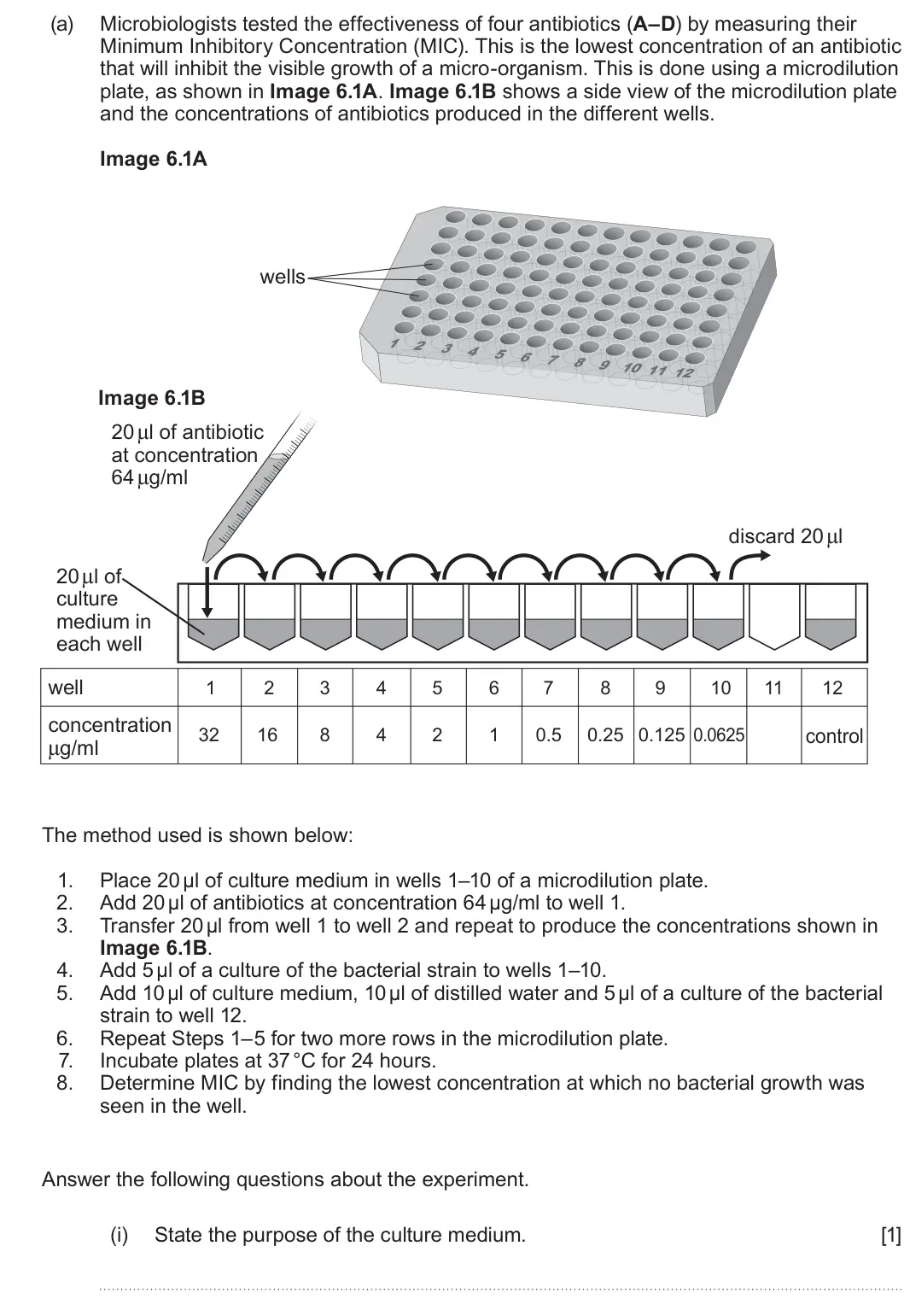
Q6(a)(ii)
The whole paper ↗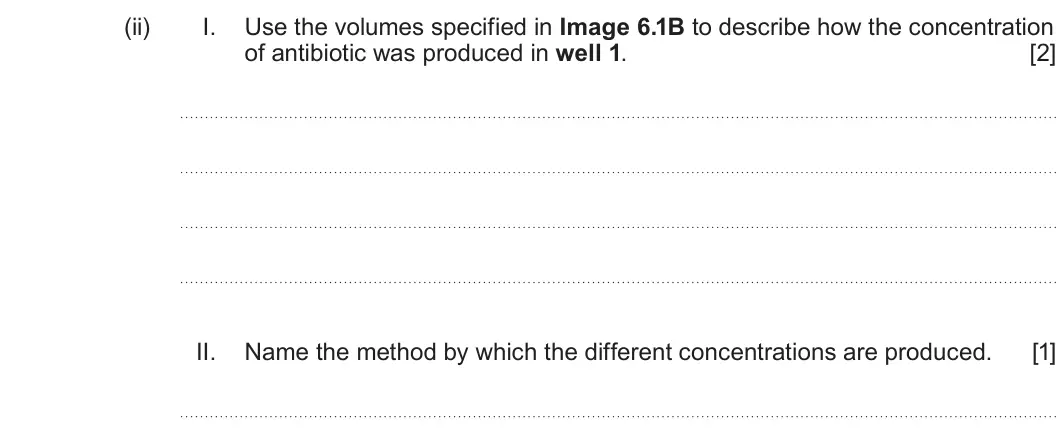
Q6(a)(iii)
The whole paper ↗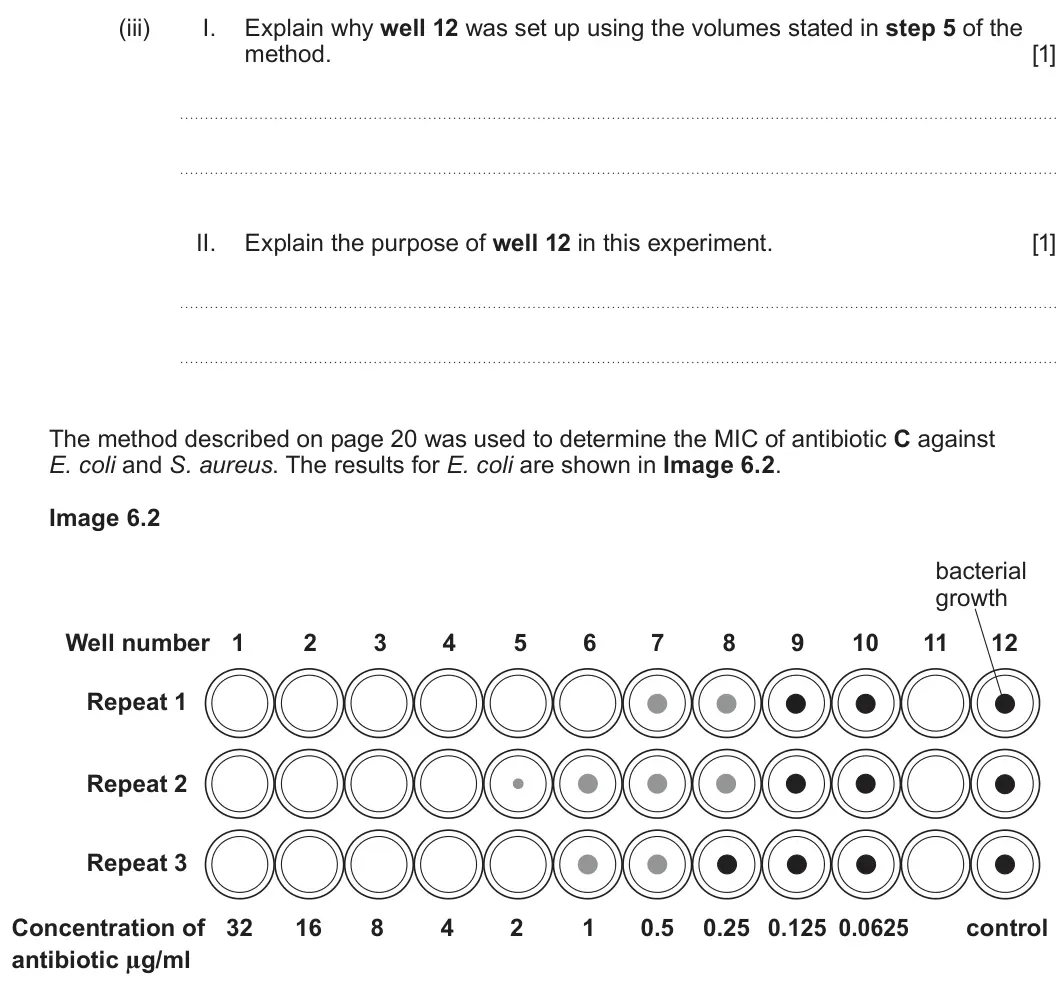
Q6(a)(iv)
The whole paper ↗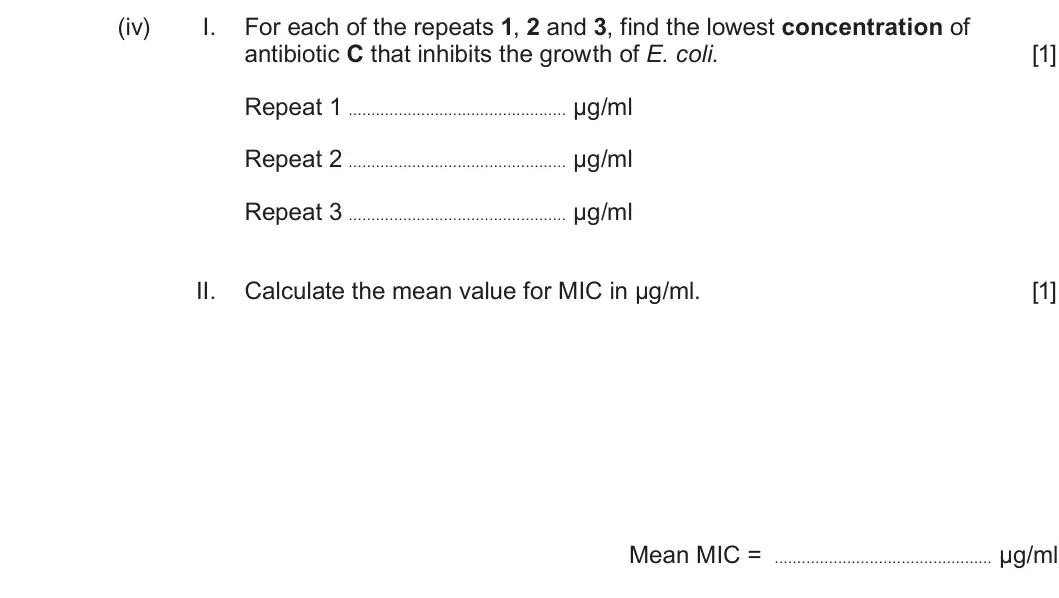
Q6(a)(v)
The whole paper ↗
Q6(b)(i)
The whole paper ↗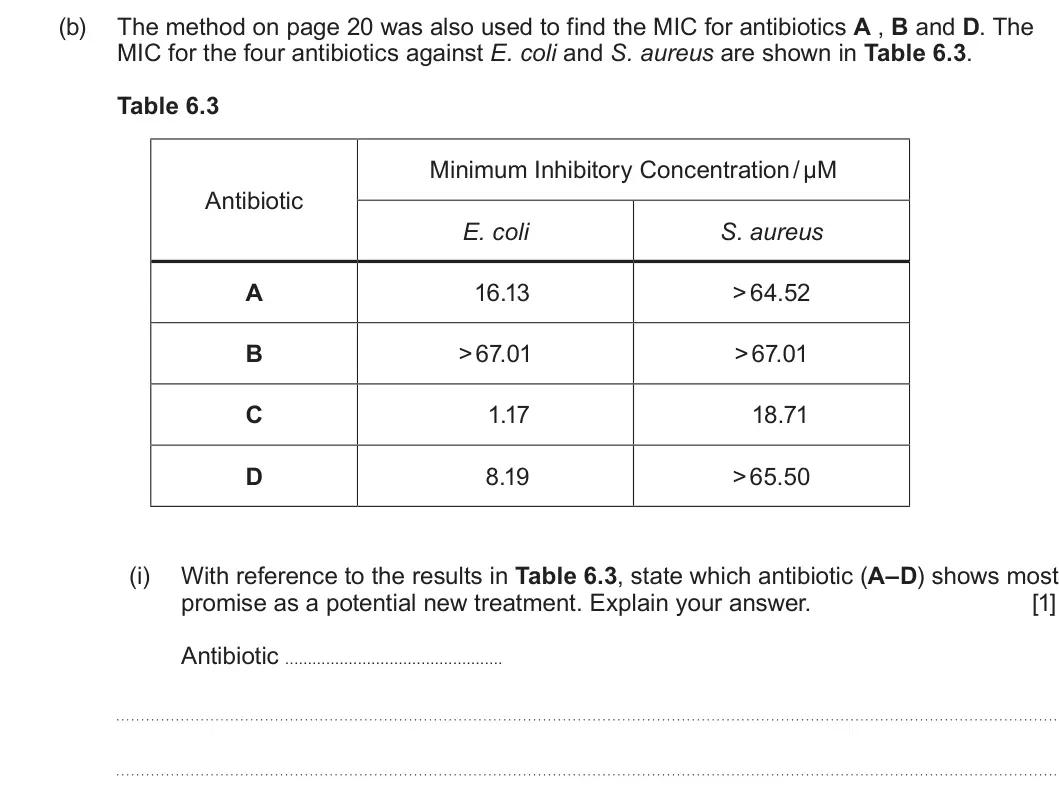
Q6(b)(ii)
The whole paper ↗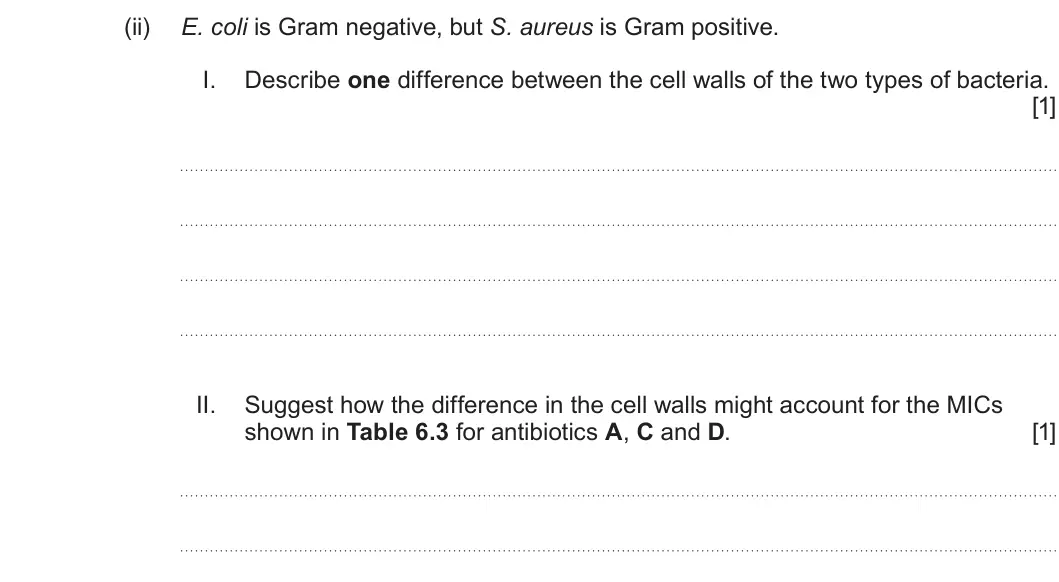
Q5(a)(i)
The whole paper ↗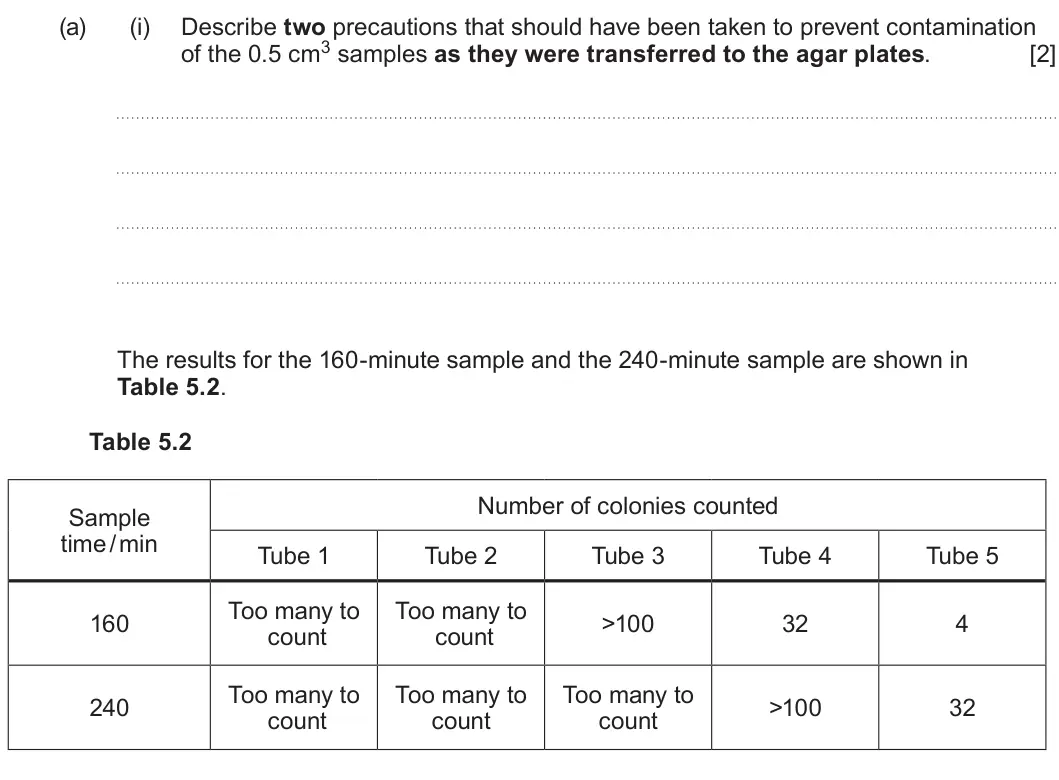
Q5(a)(ii)
The whole paper ↗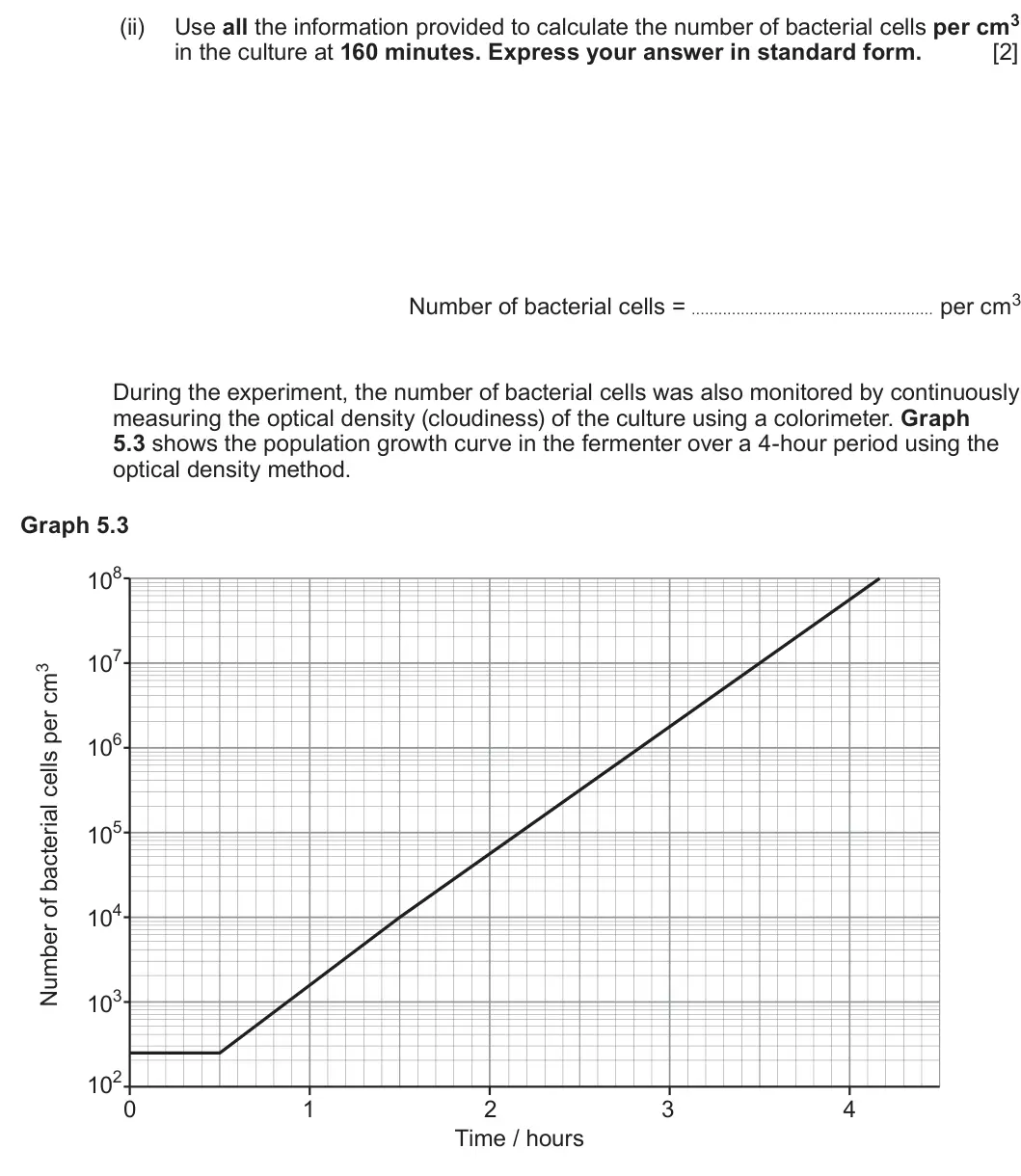
Q5(b)(i)
The whole paper ↗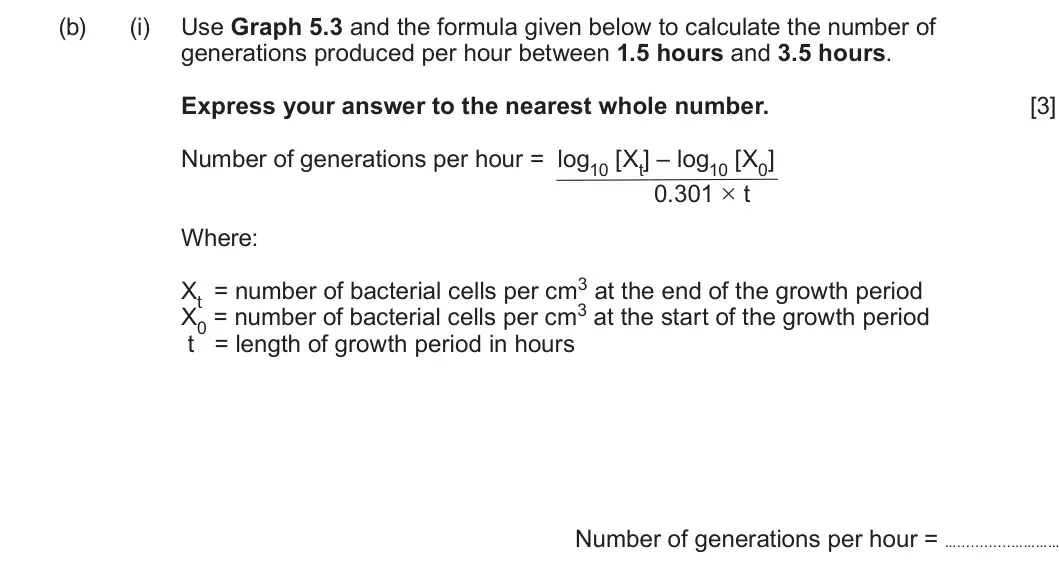
Q5(b)(ii)
The whole paper ↗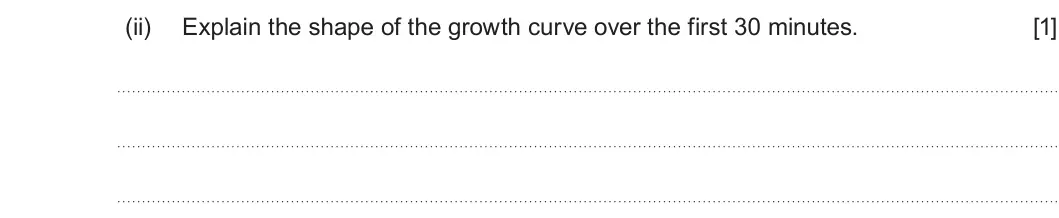
Q5(b)(iii)
The whole paper ↗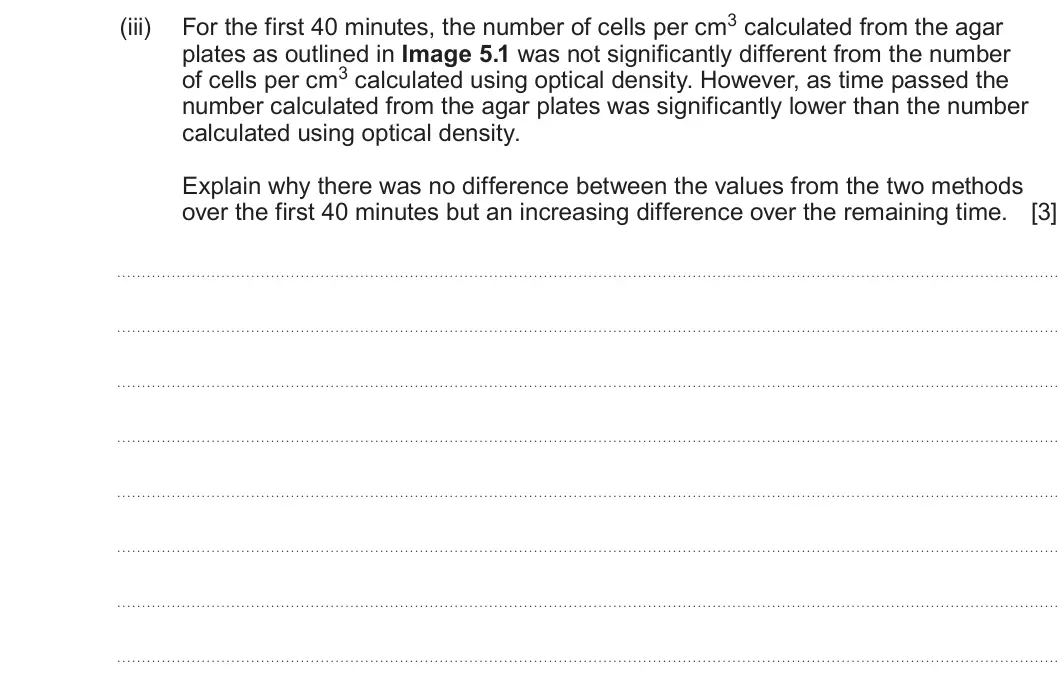
Q4(c)
The whole paper ↗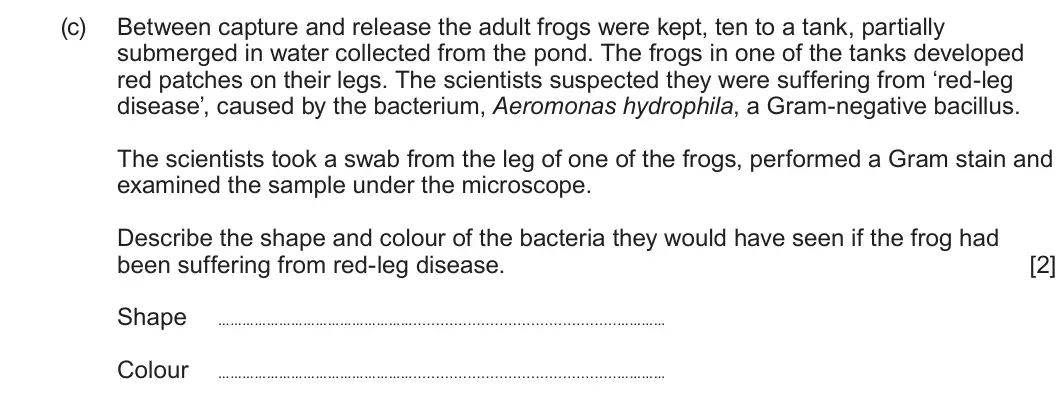
Q1(a)(i)
The whole paper ↗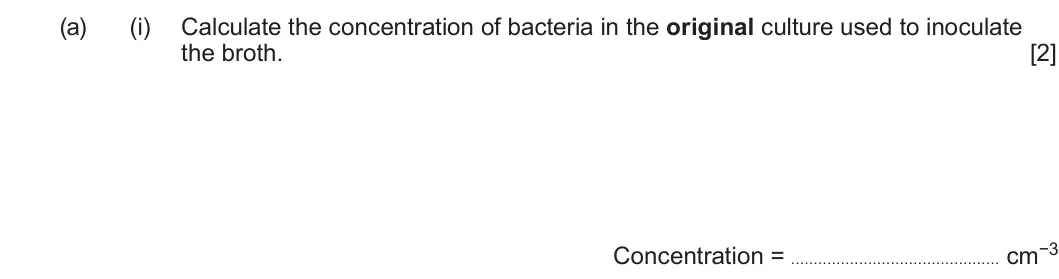
Q1(a)(ii)
The whole paper ↗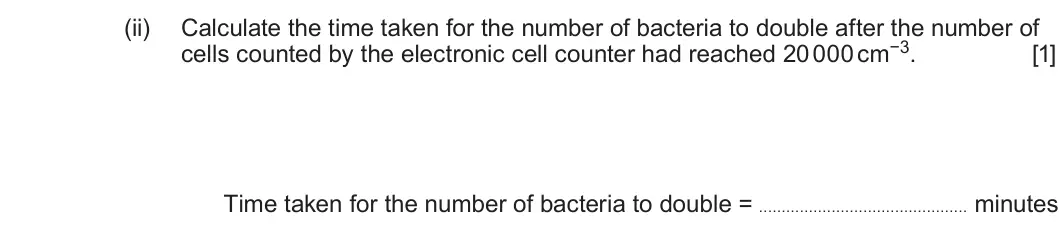
Q1(b)(i)
The whole paper ↗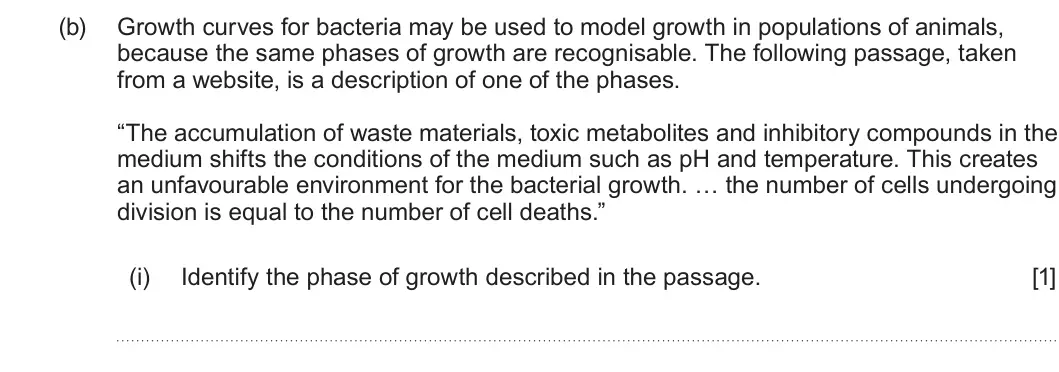
Q1(b)(ii)
The whole paper ↗
Q1(b)(iii)
The whole paper ↗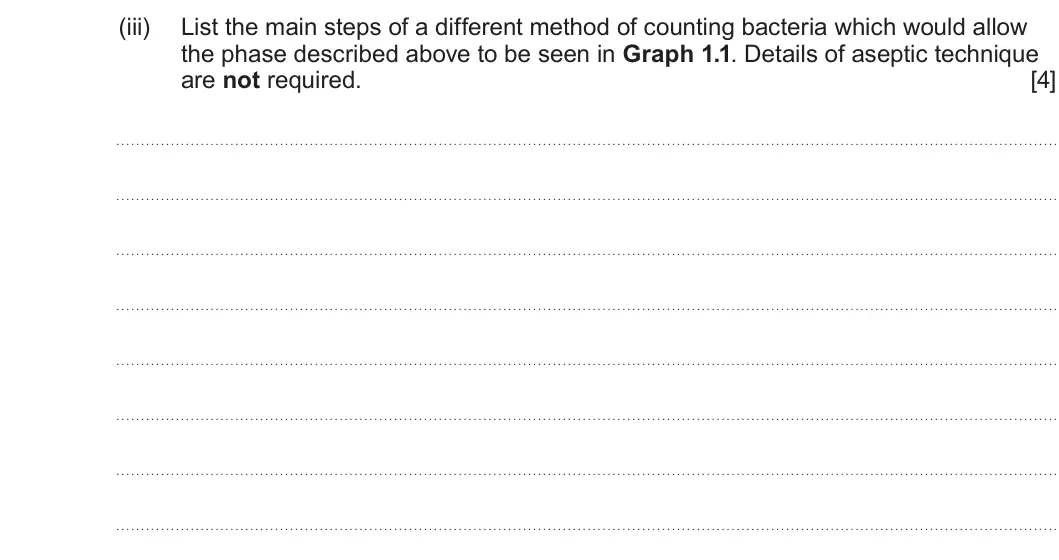
Q1(c)(i)
The whole paper ↗
Q1(c)(ii)
The whole paper ↗
All 54 questions on Microbiology, as a list
- Summer 2025, Unit 3, Q6(a)(i) (1 mark): Microbiologists tested the effectiveness of four antibiotics (A–D) by measuring their Minimum Inhibitory Concentration (MIC). This is the lowest concentration o
- Summer 2025, Unit 3, Q6(a)(ii) (3 marks): I. Use the volumes specified in Image 6.1B to describe how the concentration of antibiotic was produced in well 1 [2] II. Name the method by which the different
- Summer 2025, Unit 3, Q6(a)(iii) (2 marks): I. Explain why well 12 was set up using the volumes stated in step 5 of the method. [1] II. Explain the purpose of well 12 in this experiment. [1] The method de
- Summer 2025, Unit 3, Q6(a)(iv) (2 marks): I. For each of the repeats 1, 2 and 3, find the lowest concentration of antibiotic C that inhibits the growth of E. coli. [1] Repeat 1 μg/ml Repeat 2 μg/ml Repe
- Summer 2025, Unit 3, Q6(a)(v) (1 mark): Describe one limitation of this method for determining MIC. [1]
- Summer 2025, Unit 3, Q6(b)(i) (1 mark): With reference to the results in Table 6.3, state which antibiotic (A–D) shows most promise as a potential new treatment. Explain your answer. [1] Antibiotic
- Summer 2025, Unit 3, Q6(b)(ii) (2 marks): E. coli is Gram negative, but S. aureus is Gram positive. I. Describe one difference between the cell walls of the two types of bacteria. [1] II. Suggest how th
- Summer 2024, Unit 3, Q5(a)(i) (2 marks): Describe two precautions that should have been taken to prevent contamination of the 0.5 cm3 samples as they were transferred to the agar plates. [2] The result
- Summer 2024, Unit 3, Q5(a)(ii) (2 marks): in the culture at 160 minutes. Express your answer in standard form. [2] Number of bacterial cells = per cm3 During the experiment, the number of bacterial cell
- Summer 2024, Unit 3, Q5(b)(i) (3 marks): Use Graph 5.3 and the formula given below to calculate the number of generations produced per hour between 1.5 hours and 3.5 hours. Express your answer to the n
- Summer 2024, Unit 3, Q5(b)(ii) (1 mark): Explain the shape of the growth curve over the first 30 minutes. [1]
- Summer 2024, Unit 3, Q5(b)(iii) (3 marks): plates as outlined in Image 5.1 was not significantly different from the number of cells per cm3 calculated using optical density. However, as time passed the n
- Summer 2023, Unit 3, Q4(c) (2 marks): Between capture and release the adult frogs were kept, ten to a tank, partially submerged in water collected from the pond. The frogs in one of the tanks develo
- Summer 2022, Unit 3, Q1(a)(i) (2 marks): Calculate the concentration of bacteria in the original culture used to inoculate the broth. [2] Concentration = cm−3
- Summer 2022, Unit 3, Q1(a)(ii) (1 mark): Calculate the time taken for the number of bacteria to double after the number of cells counted by the electronic cell counter had reached 20 000 cm−3. [1] Time
- Summer 2022, Unit 3, Q1(b)(i) (1 mark): Identify the phase of growth described in the passage. [1]
- Summer 2022, Unit 3, Q1(b)(ii) (1 mark): Explain why the method used to monitor the number of bacteria meant that the phase identified in part (i) was not seen in Graph 1.1. [1]
- Summer 2022, Unit 3, Q1(b)(iii) (4 marks): List the main steps of a different method of counting bacteria which would allow the phase described above to be seen in Graph 1.1. Details of aseptic technique
- Summer 2022, Unit 3, Q1(c)(i) (1 mark): Describe the three-dimensional shape of Neisseria gonorrhoeae cells. [1]
- Summer 2022, Unit 3, Q1(c)(ii) (1 mark): State whether Treponema pallidum is Gram positive or Gram negative and explain your choice. [1]
- Summer 2022, Unit 3, Q1(d)(i) (2 marks): State the result of the Gram test shown in Image 1.2 and explain why it does not help distinguish between the two types of STD described above. [2]
- Summer 2022, Unit 3, Q1(d)(ii) (2 marks): Suggest which of the two types of STD the man is most likely to be suffering from and explain your choice. [2]
- Summer 2019, Unit 3, Q3(a) (3 marks): The average number of cells in the field of view was found to be 156 and the radius of the field of view was 0.09 mm. Calculate the number of cells in 100 mm2.
- Summer 2019, Unit 3, Q3(b)(i) (3 marks): Describe a method that could be used to produce a range of dilutions from the original sample to a 10–5 dilution. [3] The scientist obtained the following resul
- Summer 2019, Unit 3, Q3(b)(ii) (3 marks): State which number plate should be used and give reasons why the other plates should not be used. [3] The scientist was looking for the pathogenic bacterium Sta
- Summer 2019, Unit 3, Q3(b)(iii) (1 mark): Give the reason why the bacteria removed from the patient were incubated at 37 ºC not 25 ºC. [1]
- Summer 2019, Unit 3, Q3(b)(iv) (2 marks): A sample of the Staphylococcus was stained purple by the Gram stain technique. Describe what the purple staining indicates about the structure of the bacterial
- Summer 2019, Unit 3, Q6(b)(i) (1 mark): State what is meant by the term “obligate anaerobe”. [1] Green sulfur bacteria are able to photosynthesise but they are different from green plants. Their plasm
- Summer 2018, Unit 3, Q2(a) (2 marks): In 2015 there were 18 confirmed cases of Legionnaires’ disease in Wales. The population of Wales in 2015 was 3 099 100. Calculate the percentage of the populati
- Summer 2018, Unit 3, Q2(b) (2 marks): Legionella is a Gram negative, bacillus bacterium that can live in domestic water supplies. If small droplets of contaminated water are inhaled the bacteria can
- Summer 2018, Unit 3, Q2(c)(i) (2 marks): The microbiologist had diluted the original sample of contaminated water by a factor of 10–3. Use the information given to calculate the number of Legionella ba
- Summer 2018, Unit 3, Q2(c)(ii) (2 marks): Suggest a reason for the following: When the microbiologist diluted the original sample by a factor of 10–2 she I. could not calculate the number of Legionella
- Summer 2018, Unit 3, Q2(d) (2 marks): The cost of ciprofloxacin and azithromycin are approximately the same per unit mass. Use the results of this experiment to suggest and explain which antibiotic
- Summer 2018, Unit 4, Q6(a)(i) (2 marks): Define the terms endemic and epidemic. [2]
- Summer 2018, Unit 4, Q6(a)(ii) (2 marks): Explain how cholera spread in Haiti. [2]
- Summer 2018, Unit 4, Q6(a)(iii) (1 mark): Conclude what could have been the original source of the cholera epidemic, explain your answer. [1]
- Summer 2018, Unit 4, Q6(b)(i) (3 marks): Explain why an agglutination test would be able to distinguish between the two strains of cholera bacteria. [3]
- Summer 2018, Unit 4, Q6(b)(ii) (2 marks): How would the scientists be able to confirm the source of the outbreak? [2]
- Summer 2018, Unit 4, Q6(b)(iii) (3 marks): Suggest why some patients with severe symptoms are given antibiotic tablets, but antibiotics alone are not a cure for the disease. [3]
- Summer 2018, Unit 4, Q6(b)(iv) (2 marks): Treatment for severe dehydration caused by Cholera is by intravenous rehydration. Patients are given 200 cm3 of fluid per kg of body mass in a 24 hour period. C
- Summer 2018, Unit 4, Q6(c)(i) (2 marks): Explain why the oral vaccine must be administered in two doses. [2]
- Summer 2018, Unit 4, Q6(c)(ii) (1 mark): State one reason why a higher concentration of the vaccine must be used when given orally. [1]
- Summer 2018, Unit 4, Q6(c)(iii) (2 marks): What considerations would need to be made by the UN/WHO before allowing the use of a vaccine in Haiti? [2] Option B: Human Musculoskeletal Anatomy
- Summer 2017, Unit 3, Q4(a) (3 marks): between 4 and 8 hours of growth. Give your answer to the nearest minute. [3] G = t ( ) log b 3.3 log B Where: G = generation time (minutes) t = time interval (m
- Summer 2017, Unit 3, Q4(b)(i) (2 marks): Describe and explain the expected shape of the population growth curve between 20 and 60 hours. [2]
- Summer 2017, Unit 3, Q4(b)(ii) (2 marks): Explain how the growth curve would differ if a total count had been used to measure the population density. Suggest a disadvantage of this technique. [2]
- Summer 2017, Unit 4, Q7(a) (1 mark): State what is meant by the term endemic. [1] The immune system of an infected person will react by producing specific antibodies to the bacterial antigens.
- Summer 2017, Unit 4, Q7(c)(i) (1 mark): Explain why the level of IgG is higher after the second exposure to the antigen than the first exposure. [1]
- Summer 2017, Unit 4, Q7(c)(ii) (2 marks): Lyme disease can persist in patients for many years and the IgM levels remain high. Suggest possible reasons why. [2]
- Summer 2017, Unit 4, Q7(d)(i) (2 marks): The symptoms of Lyme disease include fever, chills, fatigue, headaches and muscle aches. As a consequence, patients with Lyme disease are often misdiagnosed. An
- Summer 2017, Unit 4, Q7(d)(ii) (5 marks): The ELISA can produce false negative results for Lyme disease. In a false negative result there is no colour change, even if the patient is infected with the ba
- Summer 2017, Unit 4, Q7(e)(i) (1 mark): State the temperature at which the culture should be incubated. Explain your answer. [1]
- Summer 2017, Unit 4, Q7(e)(ii) (2 marks): The most effective antibiotic was found to be E. The diameter of the zone of inhibition was 22 mm. Calculate the area of the zone of inhibition caused by E to a
- Summer 2017, Unit 4, Q7(e)(iii) (1 mark): With reference to the image, suggest what assumption is being made when making this calculation. [1] Option B: Human Musculoskeletal Anatomy
Questions, mark schemes and examiner’s reports are © WJEC CBAC Ltd, from their published past papers. Plumi isn’t affiliated with any exam board. Want whole papers? Every WJEC A-Level Biology paper.
Rather write your answers by hand on iPad? Plumi marks them against the same mark schemes.