 plumi
Rates of reaction: WJEC A‑Level Chemistry questions
Every WJEC A-Level Chemistry exam question on 2.2 Rates of reaction, 2016–2025, with its mark scheme and examiner’s report.
Find questions1,204
Calculations
Q3(a)
The whole paper ↗
Q3(b)
The whole paper ↗
Q6(d)(ii)
The whole paper ↗
Q3(a)
The whole paper ↗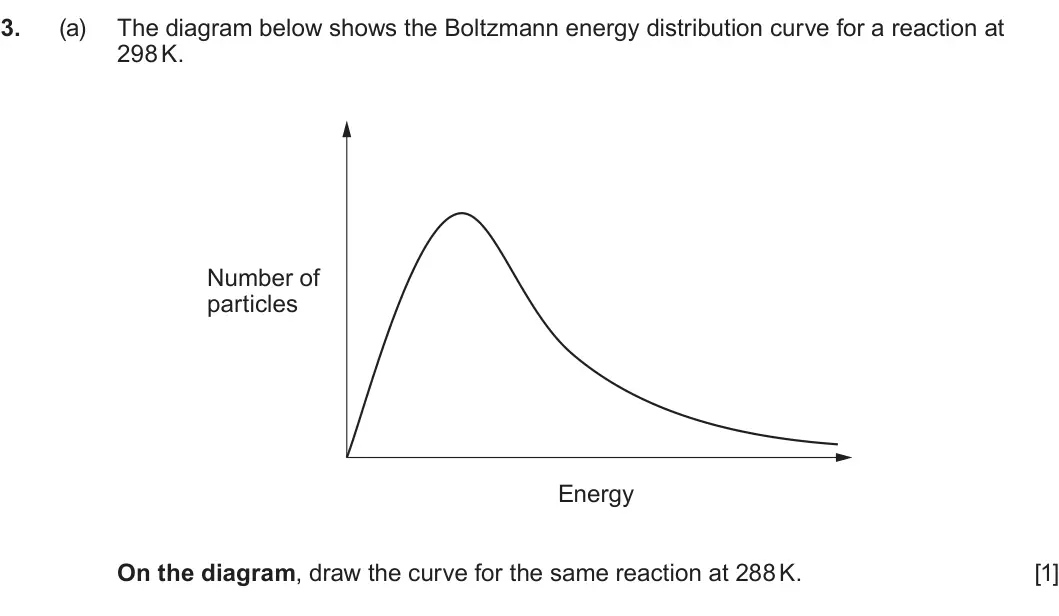
Q3(b)
The whole paper ↗
Q8(a)
The whole paper ↗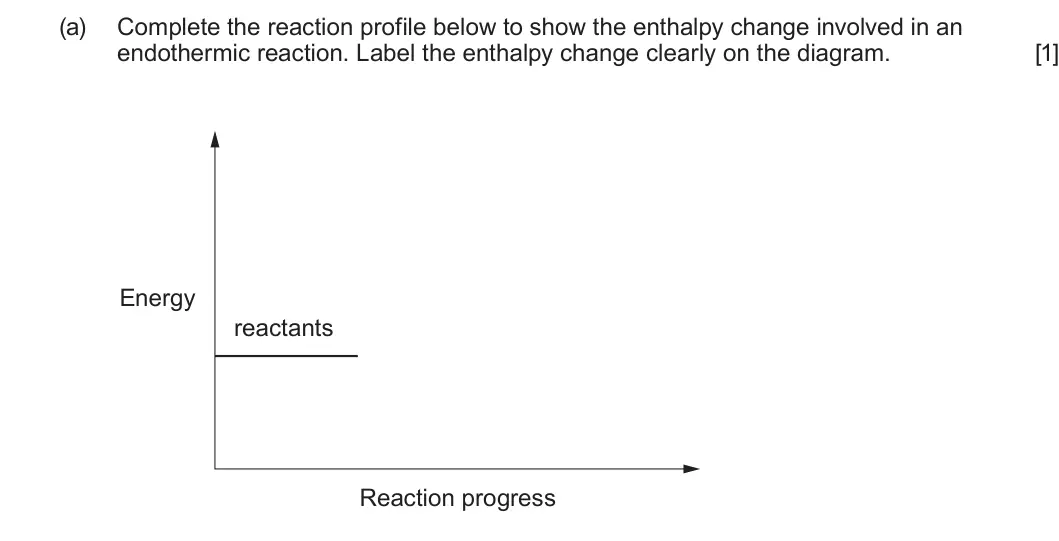
Q11(a)(iii)
The whole paper ↗
Q11(a)(iv)
The whole paper ↗
Q11(b)
The whole paper ↗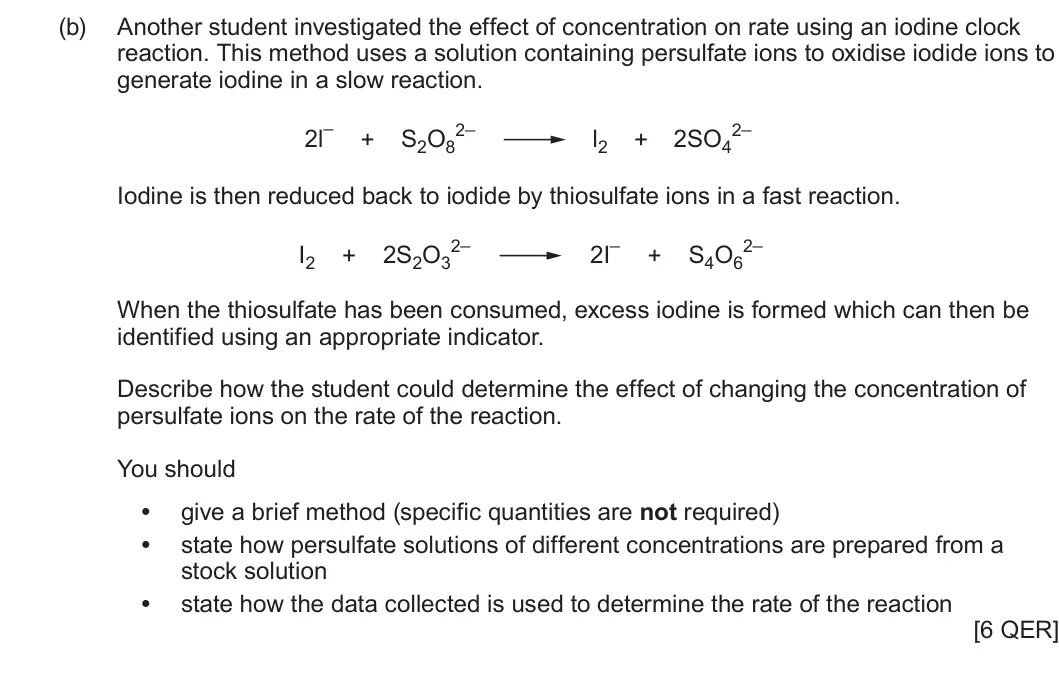
Q8(d)(i)
The whole paper ↗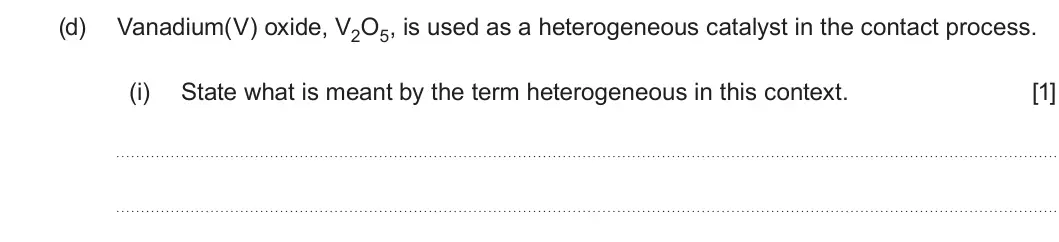
Q10(a)
The whole paper ↗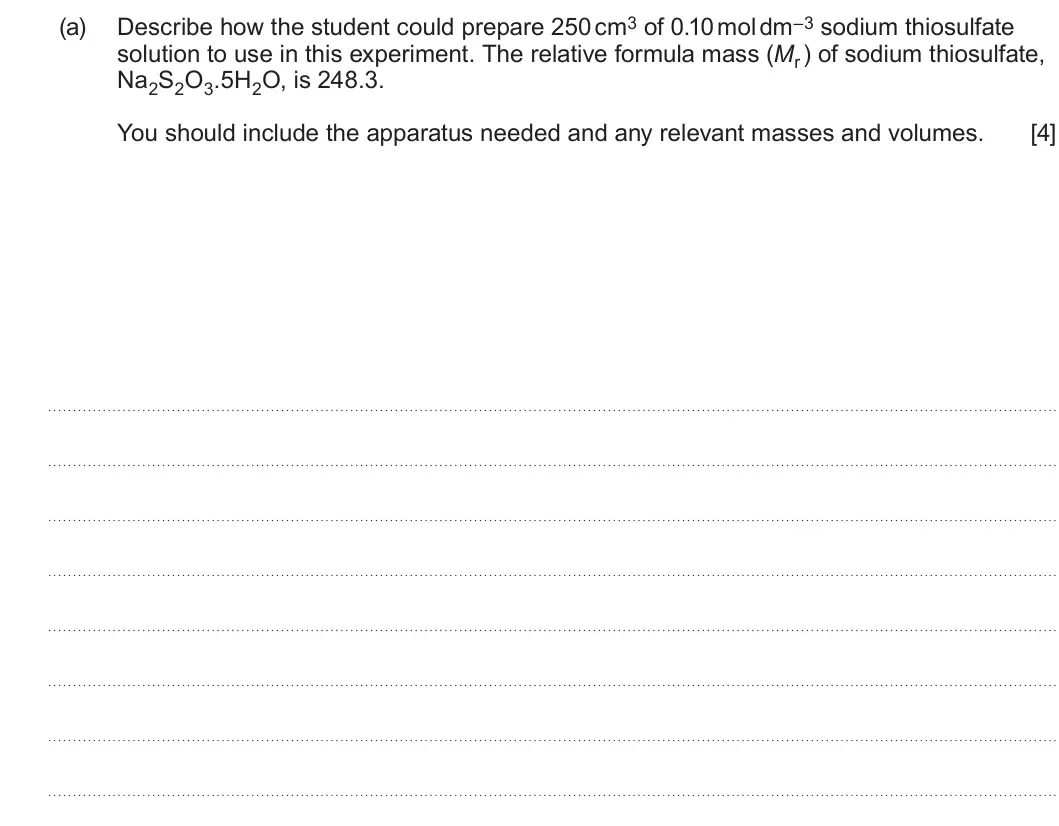
Q10(b)(i)
The whole paper ↗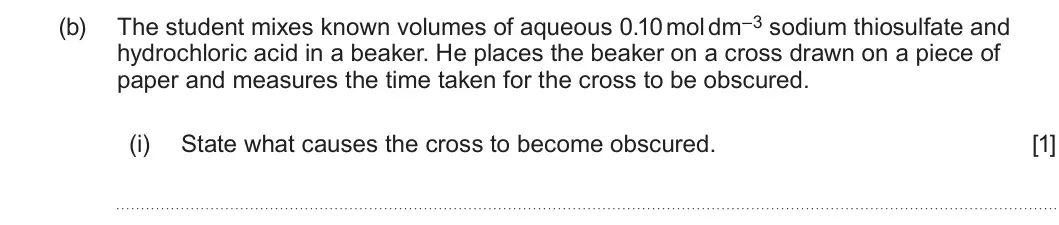
Q10(b)(ii)
The whole paper ↗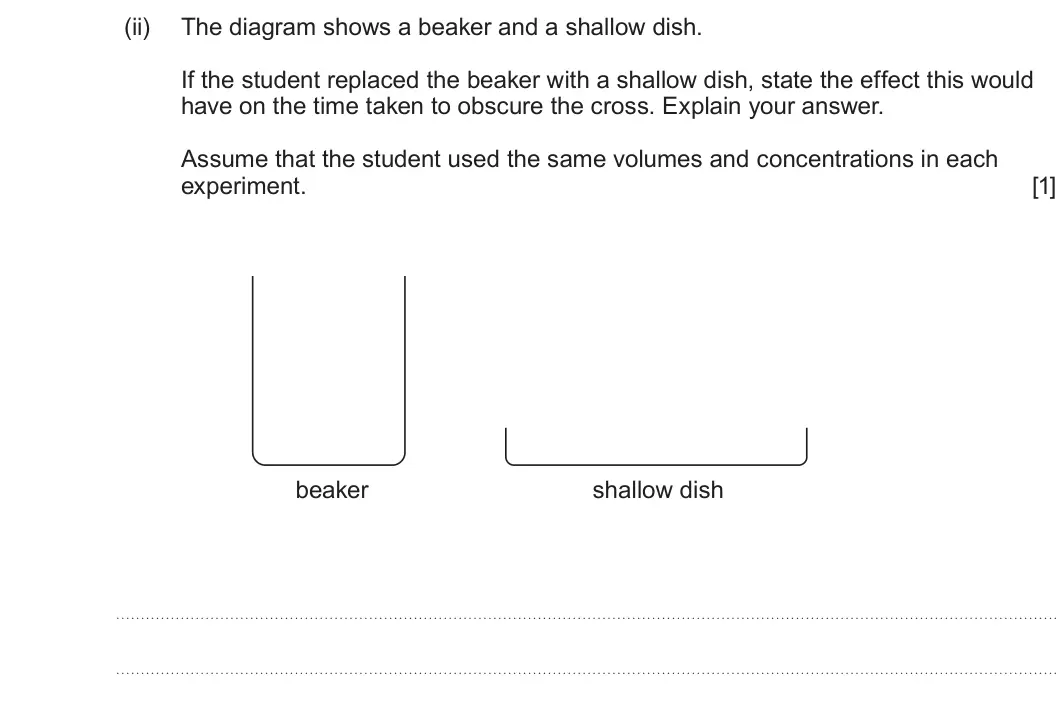
Q10(c)(i)
The whole paper ↗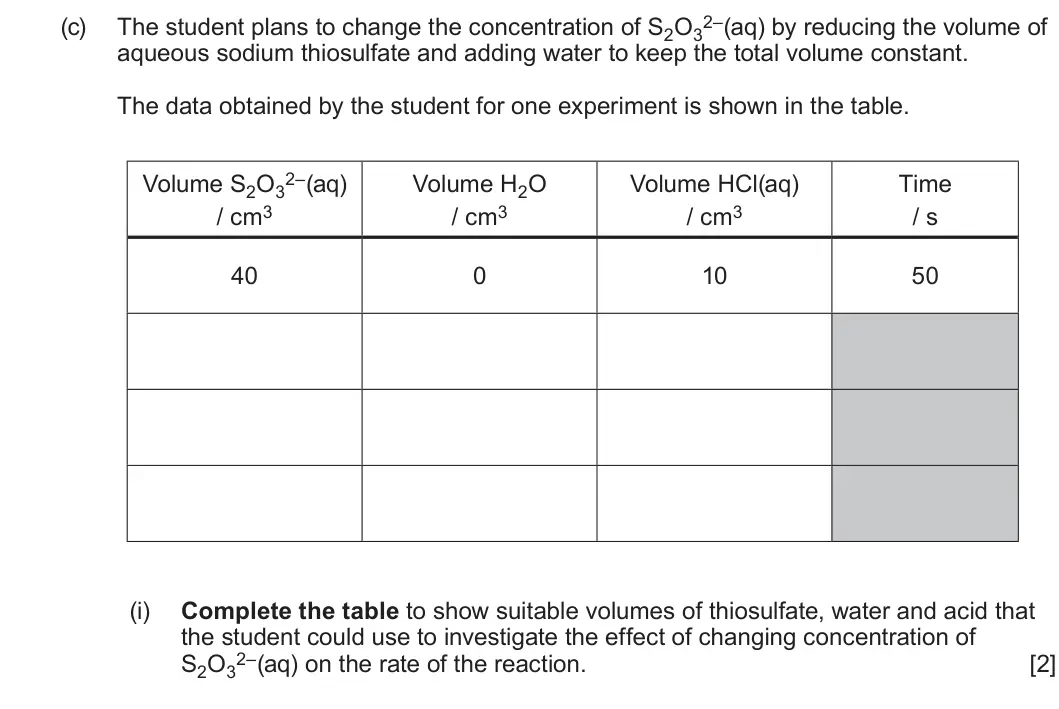
Q10(c)(ii)
The whole paper ↗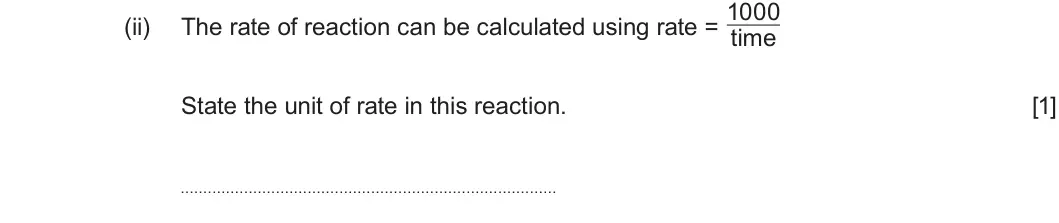
Q10(c)(iii)
The whole paper ↗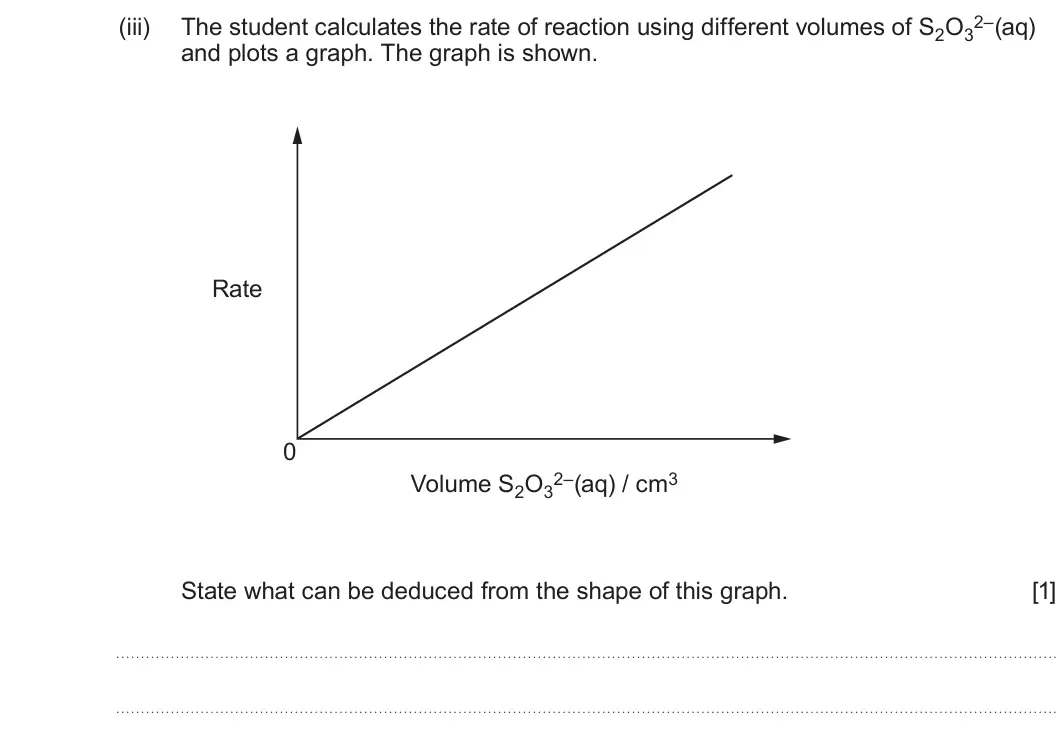
Q10(d)(i)
The whole paper ↗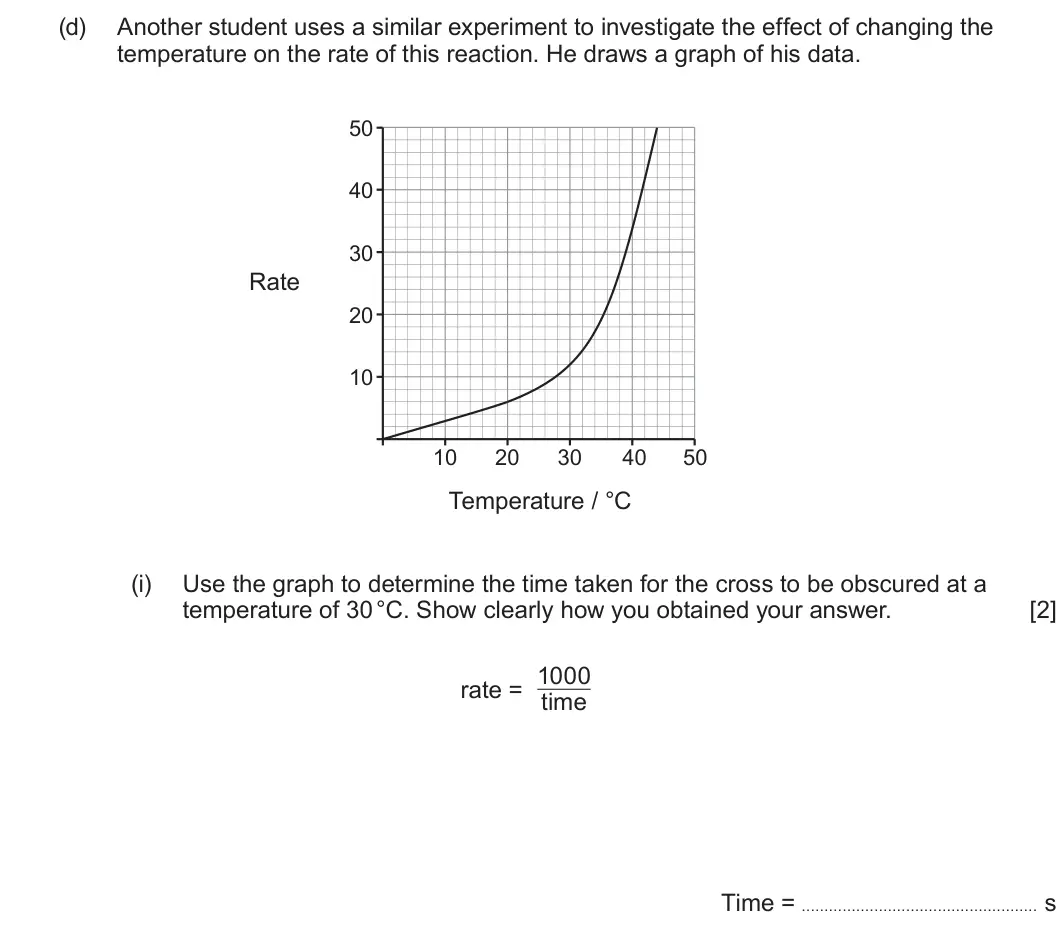
Q10(d)(ii)
The whole paper ↗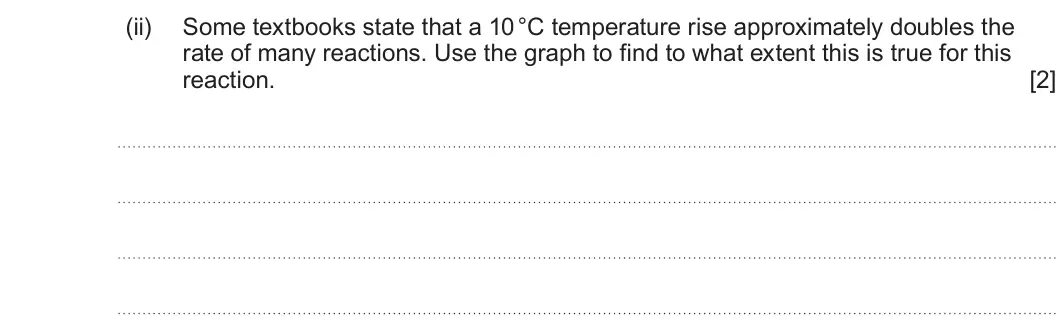
Q10(d)(iii)
The whole paper ↗
All 56 questions on Rates of reaction, as a list
- Summer 2025, Unit 3, Q3(a) (1 mark): State what is meant by the term heterogeneous in this context. [1]
- Summer 2025, Unit 3, Q3(b) (1 mark): Give an example of a heterogeneous catalyst and the reaction it catalyses. [1]
- Summer 2025, Unit 4, Q6(d)(ii) (2 marks): This reaction is quite slow. Suggest two ways by which the rate of this reaction could be studied. [2]
- Summer 2025, AS Unit 2, Q3(a) (1 mark): The diagram below shows the Boltzmann energy distribution curve for a reaction at 298 K. Number of particles Energy On the diagram, draw the curve for the same
- Summer 2025, AS Unit 2, Q3(b) (1 mark): State how a catalyst increases the rate of a reaction. [1]
- Summer 2025, AS Unit 2, Q8(a) (1 mark): Complete the reaction profile below to show the enthalpy change involved in an endothermic reaction. Label the enthalpy change clearly on the diagram. [1] Energ
- Summer 2025, AS Unit 2, Q11(a)(iii) (2 marks): Calculate the mean rate of the reaction shown by graph B. Give the appropriate unit. [2] Rate = Unit
- Summer 2025, AS Unit 2, Q11(a)(iv) (1 mark): Using the graphs, suggest why the results of this experiment could be considered to be not valid. [1]
- Summer 2025, AS Unit 2, Q11(b) (6 marks): Another student investigated the effect of concentration on rate using an iodine clock reaction. This method uses a solution containing persulfate ions to oxidi
- Summer 2024, Unit 3, Q8(d)(i) (1 mark): State what is meant by the term heterogeneous in this context. [1]
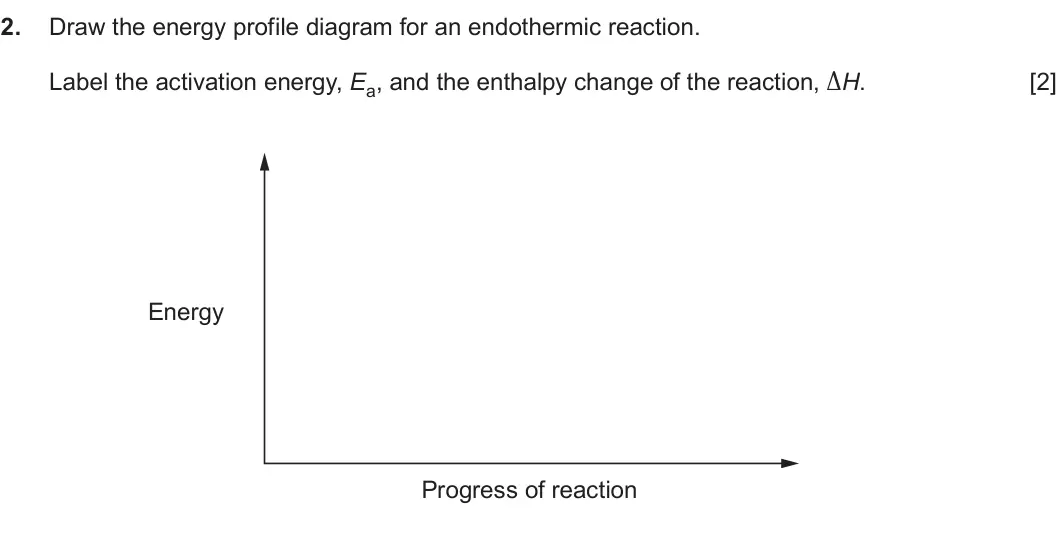
- Summer 2024, AS Unit 2, Q2 (2 marks): Draw the energy profile diagram for an endothermic reaction. Label the activation energy, Ea, and the enthalpy change of the reaction, ΔH. [2] Energy Progress o
- Summer 2024, AS Unit 2, Q10(a) (4 marks): Describe how the student could prepare 250 cm3 of 0.10 mol dm–3 sodium thiosulfate solution to use in this experiment. The relative formula mass (Mr ) of sodium
- Summer 2024, AS Unit 2, Q10(b)(i) (1 mark): State what causes the cross to become obscured. [1]
- Summer 2024, AS Unit 2, Q10(b)(ii) (1 mark): The diagram shows a beaker and a shallow dish. If the student replaced the beaker with a shallow dish, state the effect this would have on the time taken to obs
- Summer 2024, AS Unit 2, Q10(c)(i) (2 marks): Complete the table to show suitable volumes of thiosulfate, water and acid that the student could use to investigate the effect of changing concentration of S2O
- Summer 2024, AS Unit 2, Q10(c)(ii) (1 mark): The rate of reaction can be calculated using rate = time State the unit of rate in this reaction. [1]
- Summer 2024, AS Unit 2, Q10(c)(iii) (1 mark): The student calculates the rate of reaction using different volumes of S2O32–(aq) and plots a graph. The graph is shown. Rate 0 Volume S2O32–(aq) / cm3 State wh
- Summer 2024, AS Unit 2, Q10(d)(i) (2 marks): Use the graph to determine the time taken for the cross to be obscured at a temperature of 30 °C. Show clearly how you obtained your answer. [2] rate = 1000 tim
- Summer 2024, AS Unit 2, Q10(d)(ii) (2 marks): Some textbooks state that a 10 °C temperature rise approximately doubles the rate of many reactions. Use the graph to find to what extent this is true for this
- Summer 2024, AS Unit 2, Q10(d)(iii) (2 marks): Explain why the rate of the reaction is affected by an increase in temperature. [2]
- Summer 2023, Unit 3, Q6 (1 mark): The Haber process uses a heterogeneous catalyst. State what is meant by the term ‘heterogeneous’ in this context. [1]
- Summer 2023, AS Unit 2, Q6 (1 mark): In the forward direction, the enthalpy change of reaction, ΔH, for a reversible endothermic reaction, has the numerical value of 60 kJ mol–1. If the activation
- Summer 2023, AS Unit 2, Q9(a)(i) (2 marks): The students calculated that the initial rate of the reaction was 1.20 mol dm–3 min–1. Use the tangent to the curve to calculate the rate of the reaction when t
- Summer 2023, AS Unit 2, Q9(a)(ii) (1 mark): Use your answer to part (i) to suggest the relationship between the rate of this reaction and the concentration of bromide ions. [1]
- Summer 2023, AS Unit 2, Q9(b) (2 marks): Suggest how the students could follow the rate of this reaction. Explain your answer. [2]
- Summer 2023, AS Unit 2, Q9(c) (1 mark): over the first 4 minutes. The initial concentration of bromate(V) ions was 1.0 moldm–3. 5Br–(aq) –(aq) 6H+(aq) 3Br2(aq) 3H2O(I) BrO3 + + + Using the equation, d
- Summer 2022, AS Unit 2, Q9(a) (1 mark): The violet complex appears black at the beginning of the reaction. State the name of the technique used to monitor the rate of reaction by measuring the absorpt
- Summer 2022, AS Unit 2, Q9(b)(i) (2 marks): State which catalyst is the most effective. Explain your answer. [2]
- Summer 2022, AS Unit 2, Q9(b)(ii) (2 marks): Calculate the initial rate of reaction for the reaction catalysed by the copper(II) ions. [2] rate = s–1
- Summer 2022, AS Unit 2, Q9(b)(iii) (1 mark): Each catalysed reaction contained the same number of moles of catalyst at the beginning of the reaction. Calculate the moles of catalyst left at the end of the
- Summer 2022, AS Unit 2, Q9(c) (6 marks): Increasing temperature and the addition of a catalyst are two ways of increasing the rate of a reaction. Using your knowledge of the Boltzmann distribution and
- Summer 2019, AS Unit 2, Q8(a) (2 marks): Explain why a change in concentration affects the rate of a reaction. [2]
- Summer 2019, AS Unit 2, Q8(b)(i) (2 marks): Use the data to determine how the concentration of NO affects the rate of the reaction. Explain your answer by referring to the experiment numbers. [2]
- Summer 2019, AS Unit 2, Q8(b)(ii) (2 marks): Use the data to determine how the concentration of O2 affects the rate of the reaction. Explain your answer by referring to the experiment numbers. [2]
- Summer 2019, AS Unit 2, Q8(b)(iii) (2 marks): Suggest a method that could be used to follow changes over time as the reaction of nitrogen monoxide, carbon monoxide and oxygen proceeds. Explain your answer.
- Summer 2019, AS Unit 2, Q8(b)(v) (2 marks): The reaction shown is one of many that are catalysed in a catalytic converter. State where in a car a catalytic converter is used and name a suitable catalyst.
- Summer 2019, AS Unit 2, Q8(c) (3 marks): On the axes below draw a Boltzmann distribution curve of the energies of molecules at a certain temperature. Use this curve to explain how a catalyst increases
- Summer 2018, Unit 3, Q11(a) (1 mark): The rate of decomposition of hydrogen peroxide can be influenced by a range of catalysts. The activation energy when using MnO2 as a catalyst is 58 kJ mol–1. Dr
- Summer 2018, AS Unit 2, Q9(a)(iii) (2 marks): Use your answer to part (ii) to sketch an energy profile diagram for this reaction on the axes below. Label ΔH and the activation energy, Ea, on your diagram. [
- Summer 2018, AS Unit 2, Q12(a)(i) (1 mark): time to calculate the rate for each experiment and complete the table. [1]
- Summer 2018, AS Unit 2, Q12(a)(ii) (3 marks): line. [3]
- Summer 2018, AS Unit 2, Q12(a)(iii) (1 mark): reaction. [1]
- Summer 2018, AS Unit 2, Q12(a)(iv) (2 marks): Use the graph to calculate the time the reaction would take to turn blue-black using a 0.15 mol dm–3 solution of I–. Show clearly how you obtained your answer.
- Summer 2018, AS Unit 2, Q12(a)(v) (2 marks): For each experiment the rate was calculated using the time taken to produce excess iodine. Explain why this is only an approximation for the rate as the reactio
- Summer 2018, AS Unit 2, Q12(b)(i) (2 marks): Draw a Boltzmann energy distribution curve. Label the axes. [2]
- Summer 2018, AS Unit 2, Q12(b)(ii) (2 marks): Use this energy distribution curve to explain how catalysts affect the rate of a reaction. [2]
- Summer 2017, AS Unit 2, Q3 (2 marks): The diagram shows the distribution of the energies of particles in a gas at a particular temperature. Number of particles Ea Energy On the diagram draw a curve
- Summer 2017, AS Unit 2, Q9(a) (2 marks): Draw a labelled diagram of the apparatus he could use to carry out the experiment and measure the volume of oxygen produced. [2]
- Summer 2017, AS Unit 2, Q9(b)(i) (2 marks): Use the graph to calculate the initial rate of the reaction. Show clearly, on your graph, how you obtained your answer. [2] Initial rate = cm3 s–1
- Summer 2017, AS Unit 2, Q9(b)(ii) (1 mark): Use the graph to calculate the rate of the reaction at 200 seconds. Show clearly, on your graph, how you obtained your answer. [1] Rate = cm3 s–1
- Summer 2017, AS Unit 2, Q9(b)(iii) (2 marks): Use collision theory to explain why the rates you have calculated in parts (i) and (ii) are different. [2]
- Summer 2017, AS Unit 2, Q9(b)(iv) (3 marks): solution used by the student. Give your answer correct to three significant figures. [3] Assume that the reaction was carried out at 298 K and 1 atm pressure. C
- Summer 2017, AS Unit 2, Q9(c) (3 marks): A second student said that she had seen cobalt(II) chloride speed up the rate of production of oxygen very significantly in a different reaction. Describe how t
- Summer 2016, AS Unit 2, Q2 (2 marks): Respiration involves the release of energy by using foods. The equation for the respiration of glucose is shown below. C6H12O6 + 6O2 6CO2 + 6H2O ΔH = –2900 kJ m
- Summer 2016, AS Unit 2, Q4 (2 marks): Bromine reacts with methanoic acid according to the equation below. Br2(aq) + HCOOH(aq) 2Br –(aq) + 2H+(aq) + CO2(g) A student wanted to follow the rate of the
- Summer 2016, AS Unit 2, Q10(b)(i) (2 marks): Use these data to deduce how the concentration of each reagent affects the rate of reaction. Explain how you reached your conclusions. [2]
Questions, mark schemes and examiner’s reports are © WJEC CBAC Ltd, from their published past papers. Plumi isn’t affiliated with any exam board. Want whole papers? Every WJEC A-Level Chemistry paper.
Rather write your answers by hand on iPad? Plumi marks them against the same mark schemes.