 plumi
Amino acids, peptides and proteins: WJEC A‑Level Chemistry questions
Every WJEC A-Level Chemistry exam question on 4.7 Amino acids, peptides and proteins, 2016–2025, with its mark scheme and examiner’s report.
Find questions1,204
Calculations
Q8(b)(i)
The whole paper ↗
Q8(b)(ii)
The whole paper ↗
Q8(b)(iii)
The whole paper ↗
Q8(b)(iv)
The whole paper ↗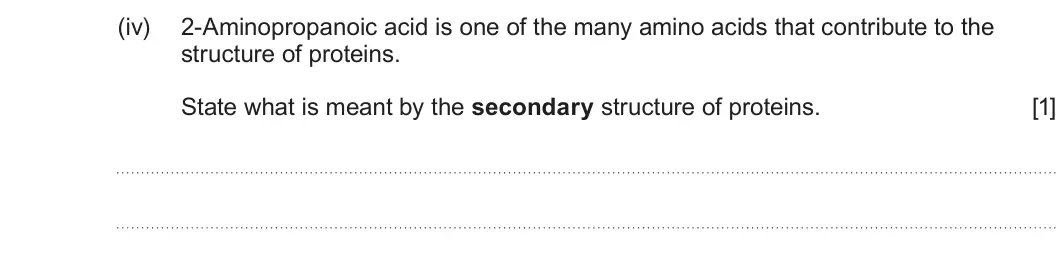
Q11(a)(iii)
The whole paper ↗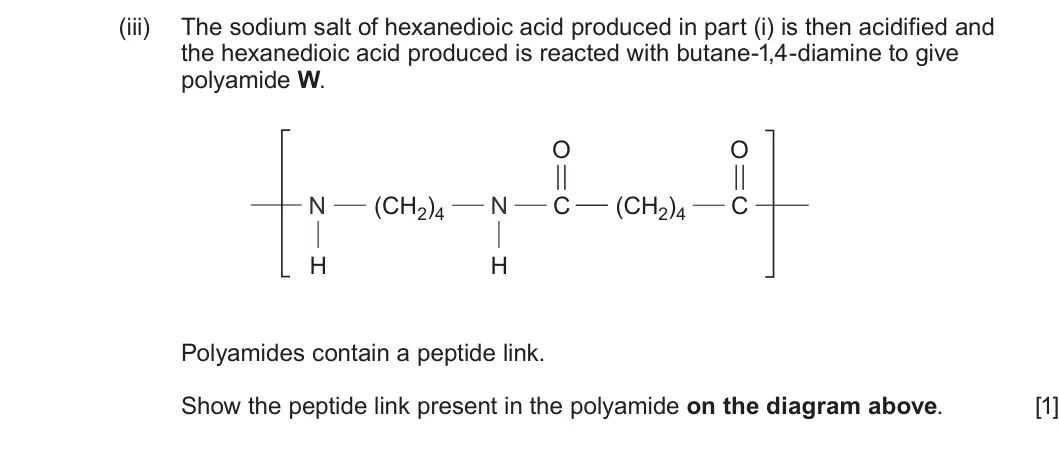
Q11(b)(i)
The whole paper ↗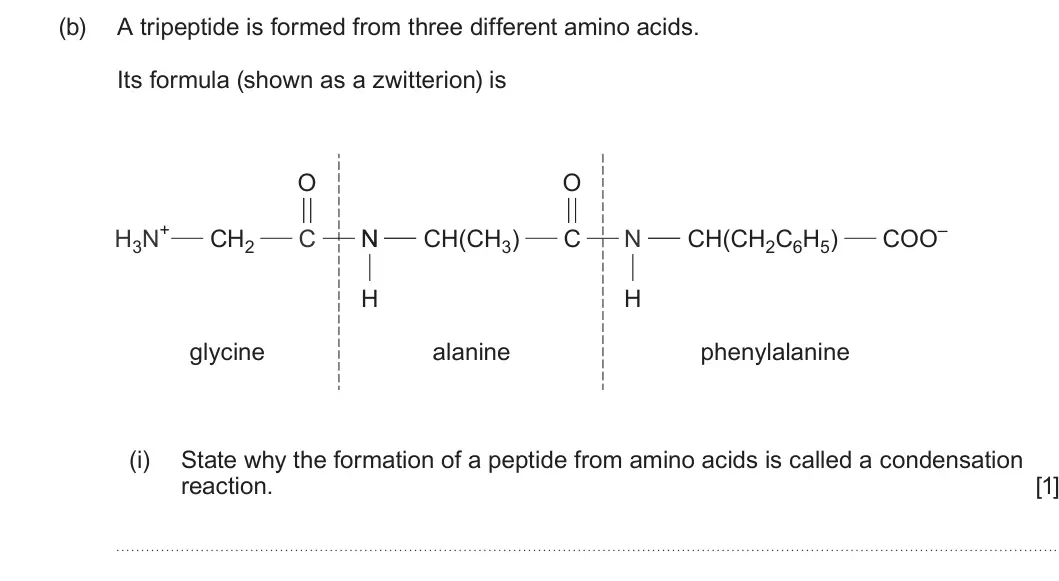
Q11(b)(ii)
The whole paper ↗
Q11(a)(i)
The whole paper ↗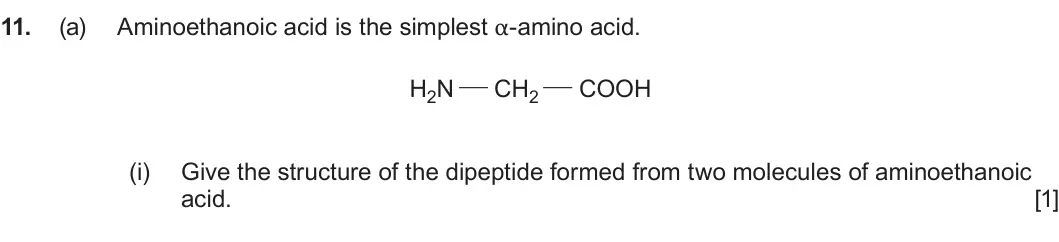
Q11(a)(ii)
The whole paper ↗
Q11(b)(i)
The whole paper ↗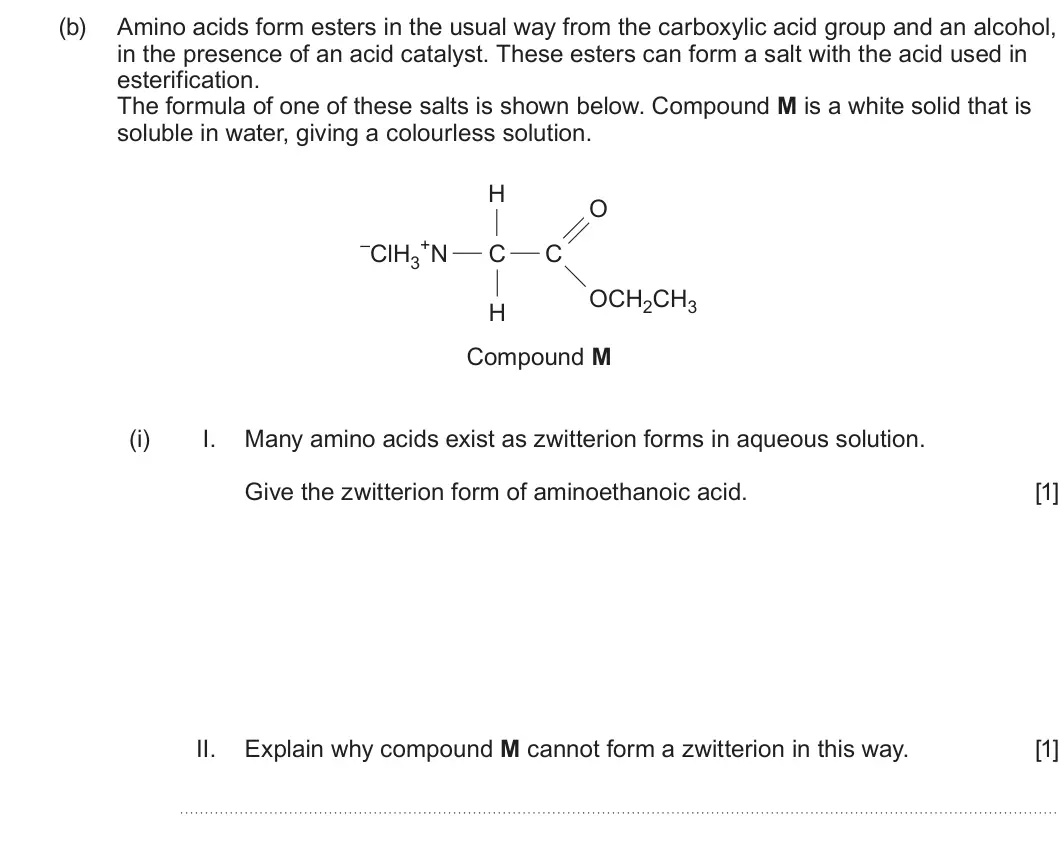
Q11(c)(ii)
The whole paper ↗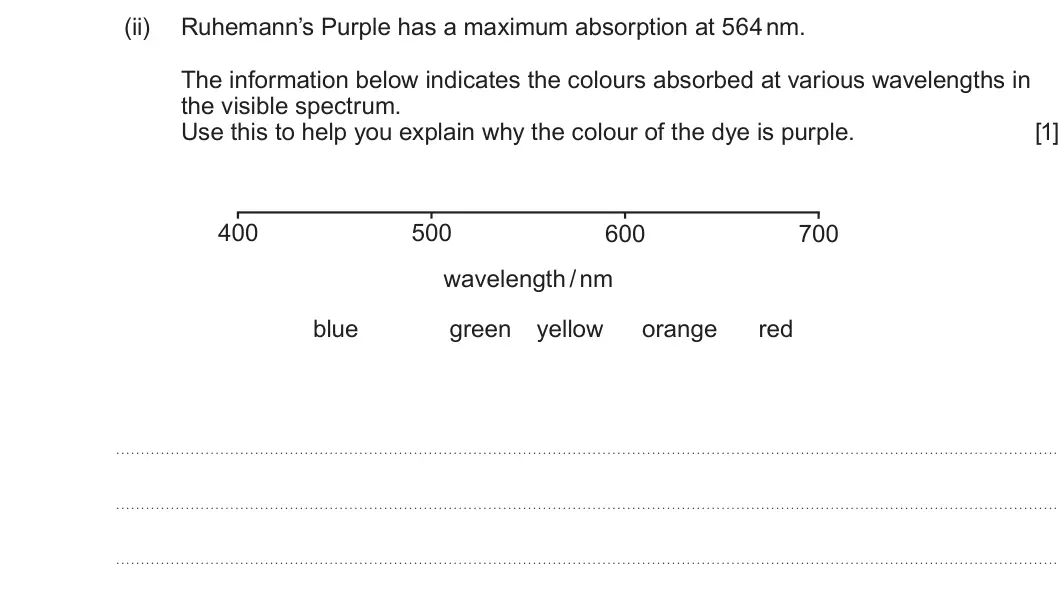
Q11(c)(iii)
The whole paper ↗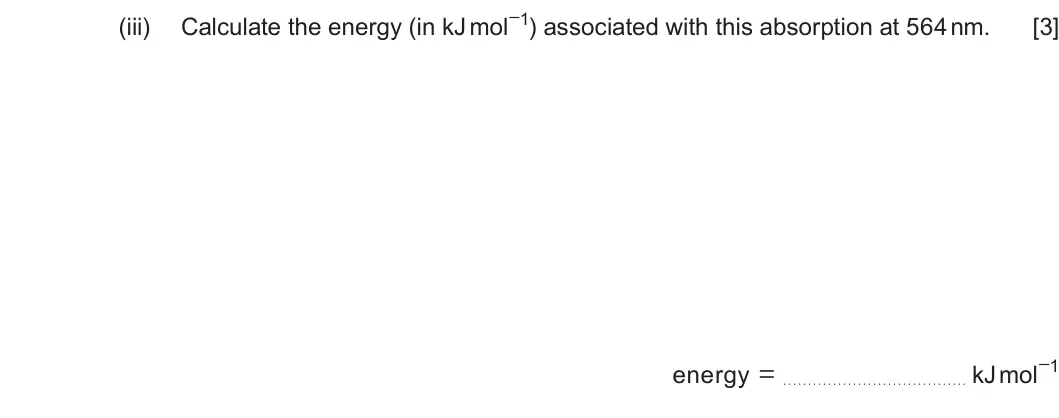
Q11(d)(i)
The whole paper ↗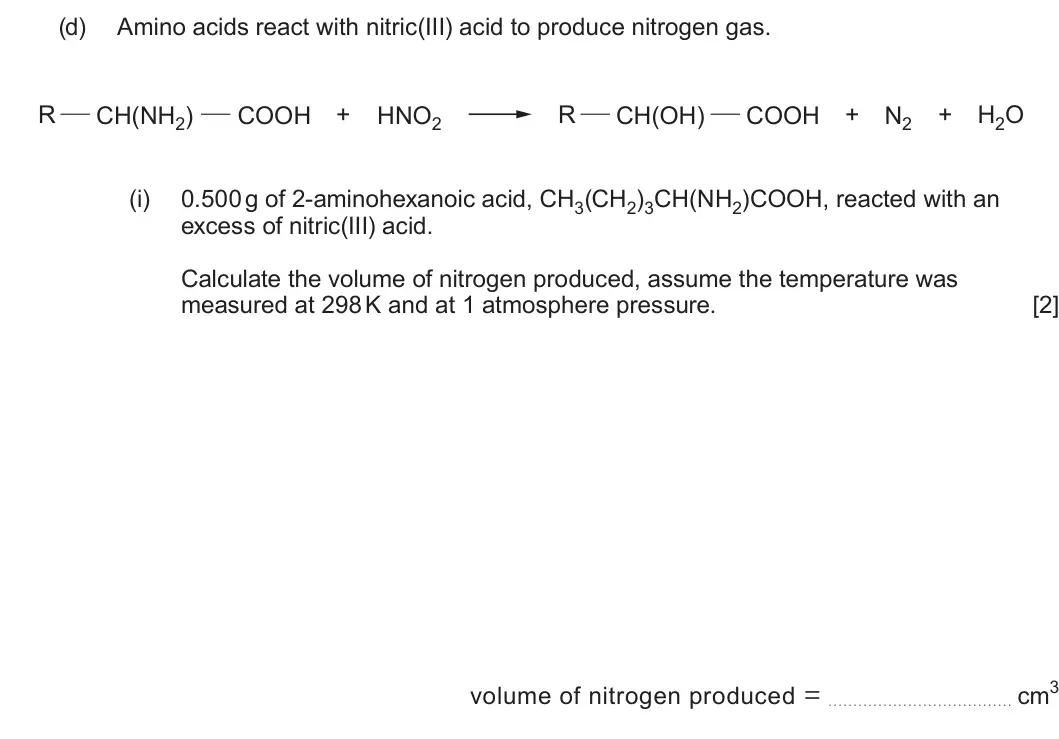
Q11(d)(ii)
The whole paper ↗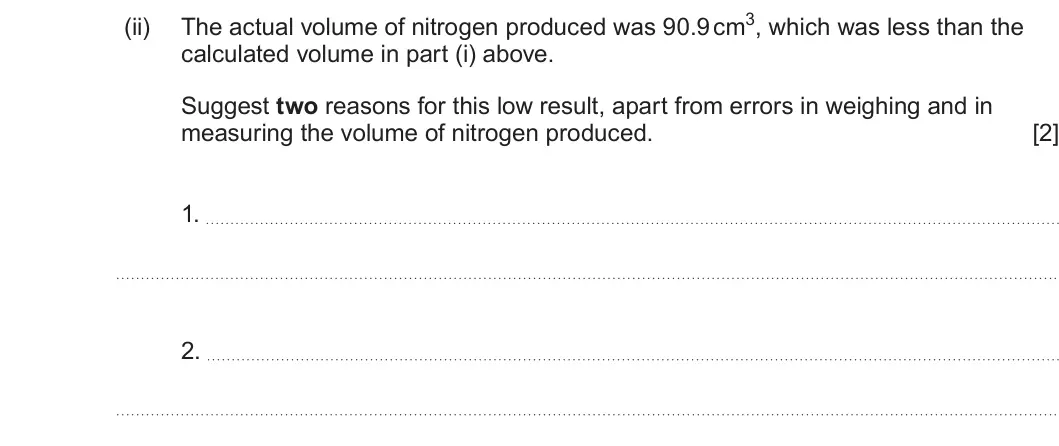
Q11(a)(ii)
The whole paper ↗
Q11(a)(iii)
The whole paper ↗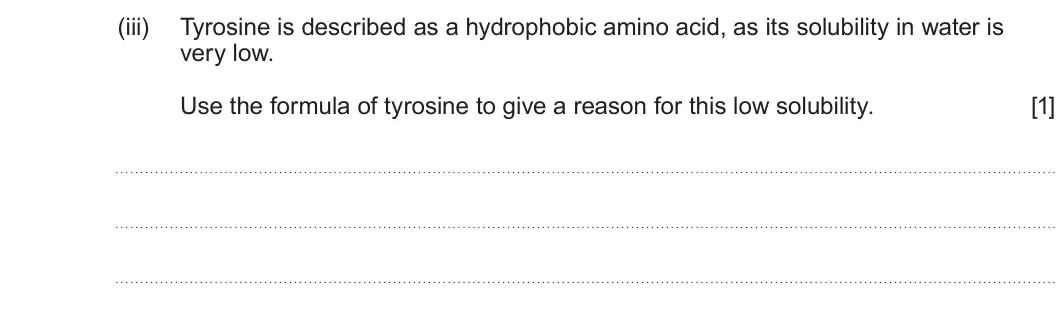
Q11(a)(iv)
The whole paper ↗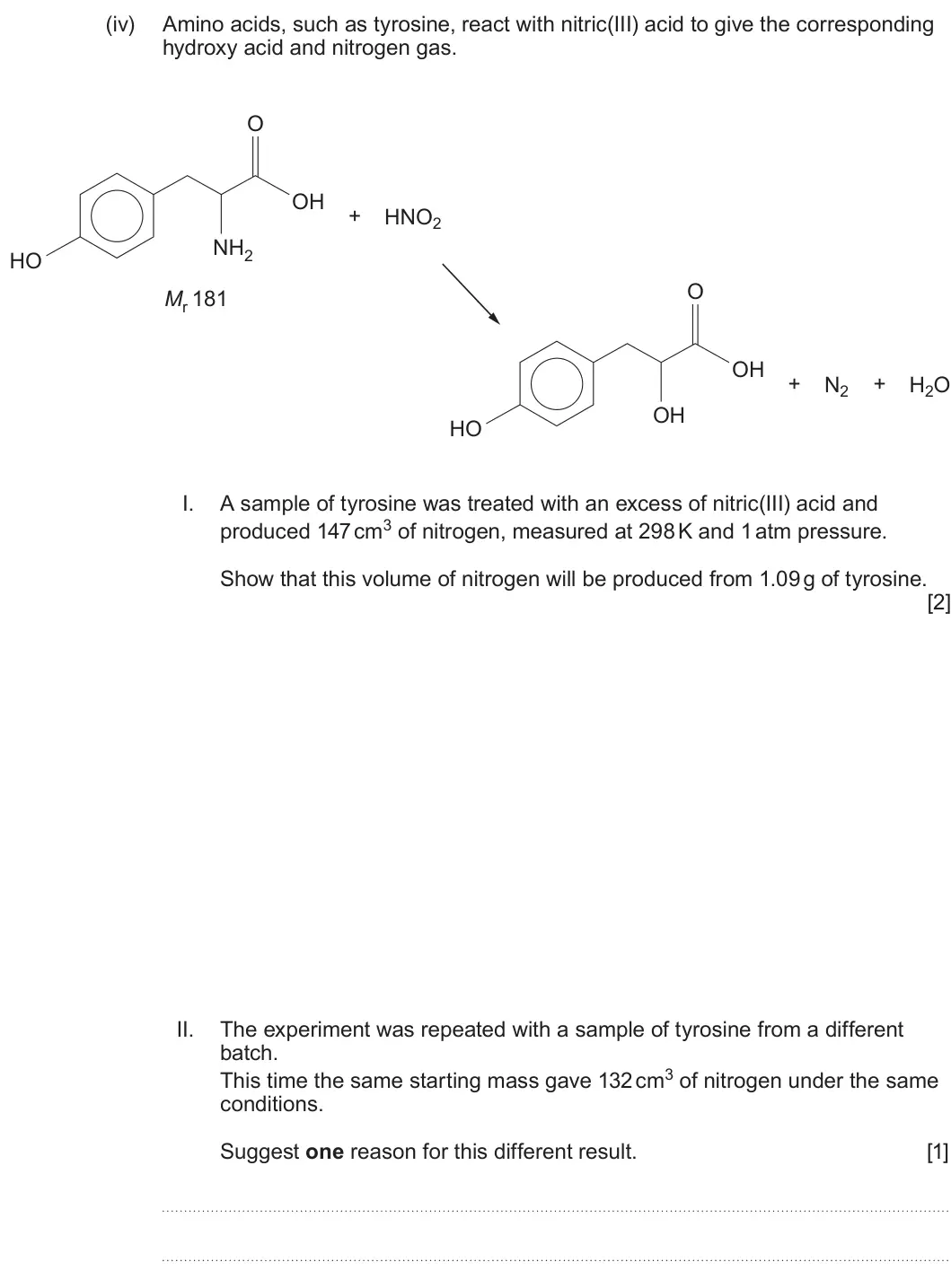
Q8(c)
The whole paper ↗
Q4(a)
The whole paper ↗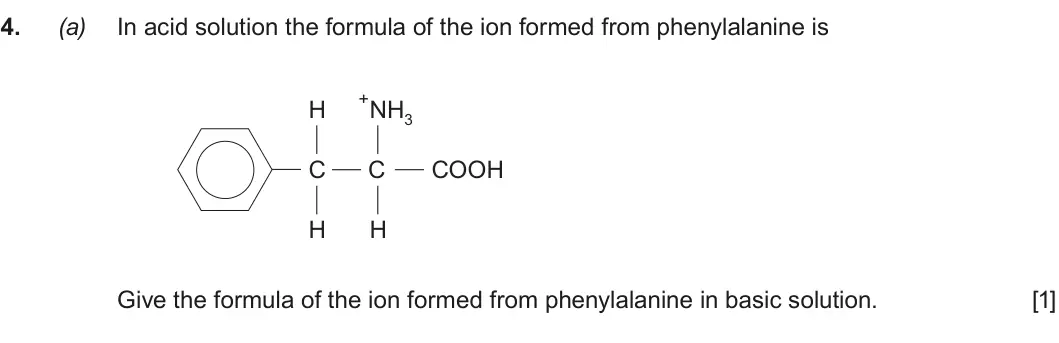
Q4(b)
The whole paper ↗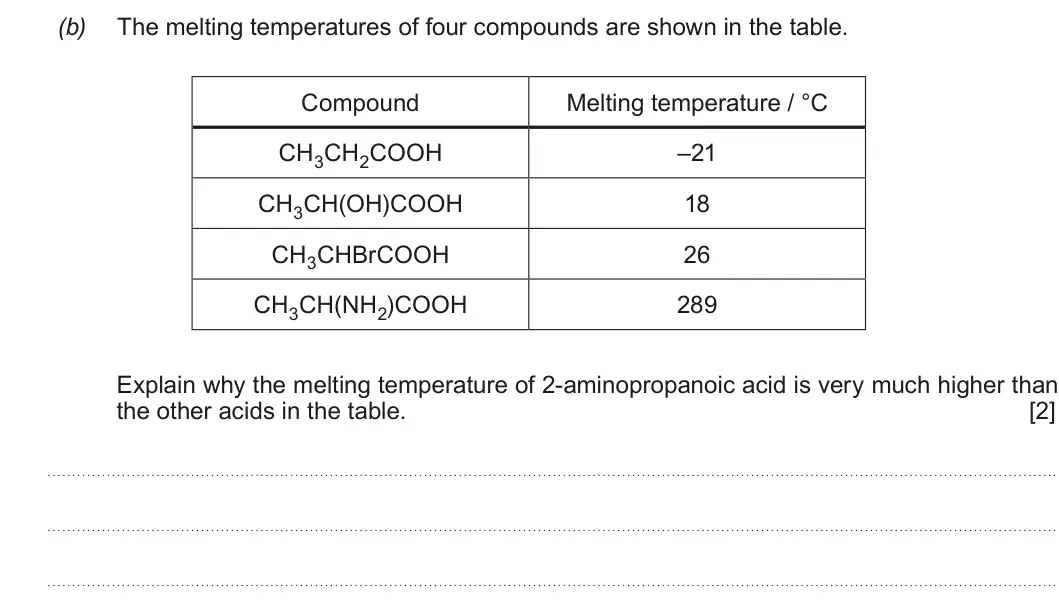
All 23 questions on Amino acids, peptides and proteins, as a list
- Summer 2025, Unit 4, Q8(b)(i) (1 mark): Give the structure of the species predominantly present in an aqueous solution of 2-aminopropanoic acid at pH 4.0. [1]
- Summer 2025, Unit 4, Q8(b)(ii) (1 mark): 2-Aminopropanoic acid is an α-amino acid. Write the general formula for α-amino acids. [1]
- Summer 2025, Unit 4, Q8(b)(iii) (1 mark): 2-Aminopropanoic acid forms a dipeptide with aminoethanoic acid, H2C(NH2)COOH. Give the formula of a dipeptide formed from these two amino acids. [1]
- Summer 2025, Unit 4, Q8(b)(iv) (1 mark): 2-Aminopropanoic acid is one of the many amino acids that contribute to the structure of proteins. State what is meant by the secondary structure of proteins. [
- Summer 2024, Unit 4, Q11(a)(iii) (1 mark): The sodium salt of hexanedioic acid produced in part (i) is then acidified and the hexanedioic acid produced is reacted with butane-1,4-diamine to give polyamid
- Summer 2024, Unit 4, Q11(b)(i) (1 mark): State why the formation of a peptide from amino acids is called a condensation reaction. [1]
- Summer 2024, Unit 4, Q11(b)(ii) (1 mark): Write the formula of the species formed from phenylalanine in acid solution. [1]
- Summer 2023, Unit 4, Q11(a)(i) (1 mark): Give the structure of the dipeptide formed from two molecules of aminoethanoic acid. [1]
- Summer 2023, Unit 4, Q11(a)(ii) (1 mark): Explain why aminoethanoic acid can only form one dipeptide. [1]
- Summer 2023, Unit 4, Q11(b)(i) (2 marks): I. Many amino acids exist as zwitterion forms in aqueous solution. Give the zwitterion form of aminoethanoic acid. [1] II. Explain why compound M cannot form a
- Summer 2023, Unit 4, Q11(c)(ii) (1 mark): Ruhemann’s Purple has a maximum absorption at 564 nm. The information below indicates the colours absorbed at various wavelengths in the visible spectrum. Use t
- Summer 2023, Unit 4, Q11(c)(iii) (3 marks): [3] energy = kJ mol−1
- Summer 2023, Unit 4, Q11(d)(i) (2 marks): 0.500 g of 2-aminohexanoic acid, CH3(CH2)3CH(NH2)COOH, reacted with an excess of nitric(III) acid. Calculate the volume of nitrogen produced, assume the tempera
- Summer 2023, Unit 4, Q11(d)(ii) (2 marks): calculated volume in part (i) above. Suggest two reasons for this low result, apart from errors in weighing and in measuring the volume of nitrogen produced. [2
- Summer 2022, Unit 4, Q11(a)(ii) (1 mark): Write the formula for the zwitterion of tyrosine. [1]
- Summer 2022, Unit 4, Q11(a)(iii) (1 mark): Tyrosine is described as a hydrophobic amino acid, as its solubility in water is very low. Use the formula of tyrosine to give a reason for this low solubility.
- Summer 2022, Unit 4, Q11(a)(iv) (3 marks): Amino acids, such as tyrosine, react with nitric(III) acid to give the corresponding hydroxy acid and nitrogen gas. O OH + HNO2 NH2 HO O Mr 181 OH + N2 + H2O OH
- Summer 2019, Unit 4, Q8(c) (1 mark): Draw the structure of the dipeptide formed from two molecules of aminoethanoic acid. [1]
- Summer 2018, Unit 4, Q4(a) (1 mark): In acid solution the formula of the ion formed from phenylalanine is + H NH3 C C COOH H H Give the formula of the ion formed from phenylalanine in basic solutio
- Summer 2018, Unit 4, Q4(b) (2 marks): The melting temperatures of four compounds are shown in the table. Compound Melting temperature / °C CH3CH2COOH –21 CH3CH(OH)COOH 18 CH3CHBrCOOH 26 CH3CH(NH2)CO
- Summer 2018, Unit 4, Q10(d) (4 marks): A straight chain α-amino acid of general formula R—CH(NH2)COOH reacts with nitric(III) acid to give nitrogen gas. HNO2 R—CH(NH2)COOH R—CH(OH)COOH + N2 + H2O In
- Summer 2017, Unit 4, Q9(c)(i) (1 mark): Draw the zwitterion structure of 2-aminobenzoic acid. [1]
- Summer 2017, Unit 4, Q12(b)(iii) (1 mark): Write the displayed formula of the dipeptide formed from L-DOPA. [1]
Questions, mark schemes and examiner’s reports are © WJEC CBAC Ltd, from their published past papers. Plumi isn’t affiliated with any exam board. Want whole papers? Every WJEC A-Level Chemistry paper.
Rather write your answers by hand on iPad? Plumi marks them against the same mark schemes.