 plumi
Nucleic acids and their functions: WJEC A‑Level Biology questions
Every WJEC A-Level Biology exam question on 1.5 Nucleic acids and their functions, 2016–2025, with its mark scheme and examiner’s report.
Find questions1,223
Calculations
Q6(c)(i)
The whole paper ↗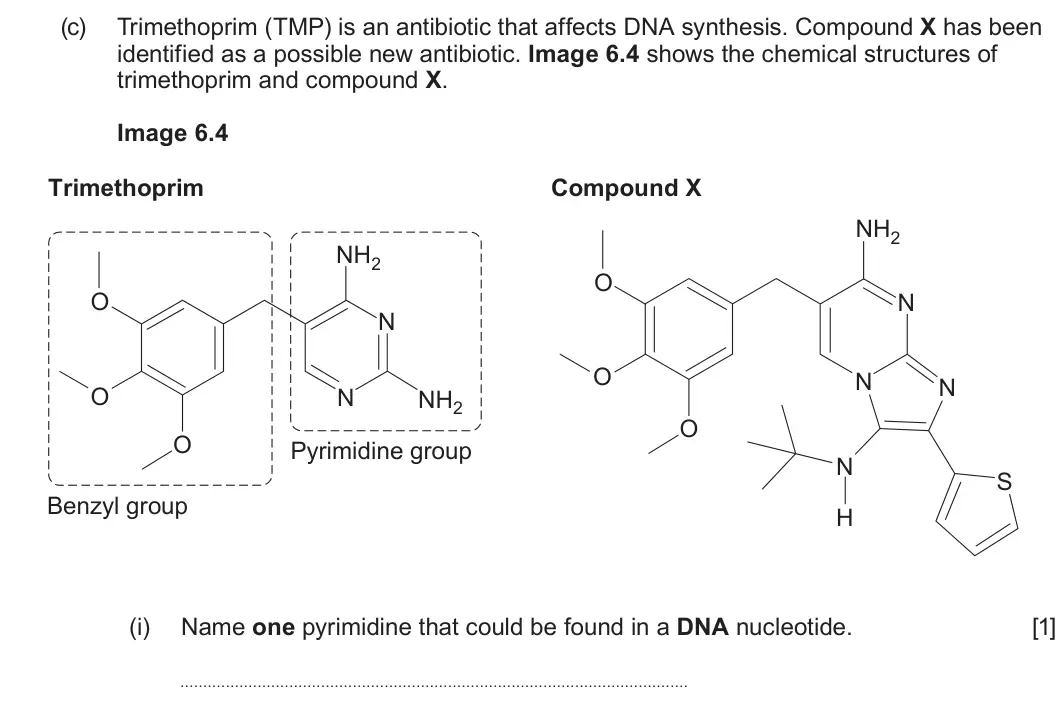
Q2(b)(ii)
The whole paper ↗
Q1(a)(i)
The whole paper ↗
Q2(a)(i)
The whole paper ↗
Q2(a)(ii)
The whole paper ↗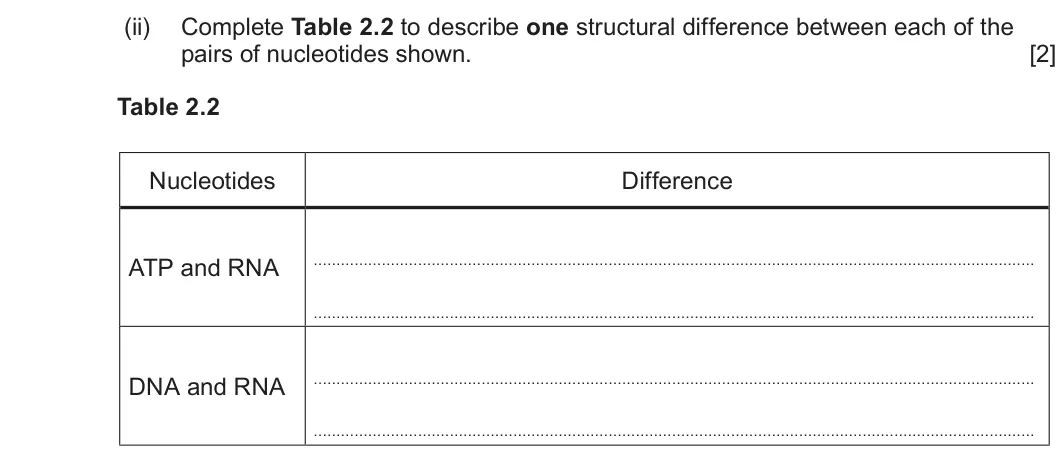
Q2(c)
The whole paper ↗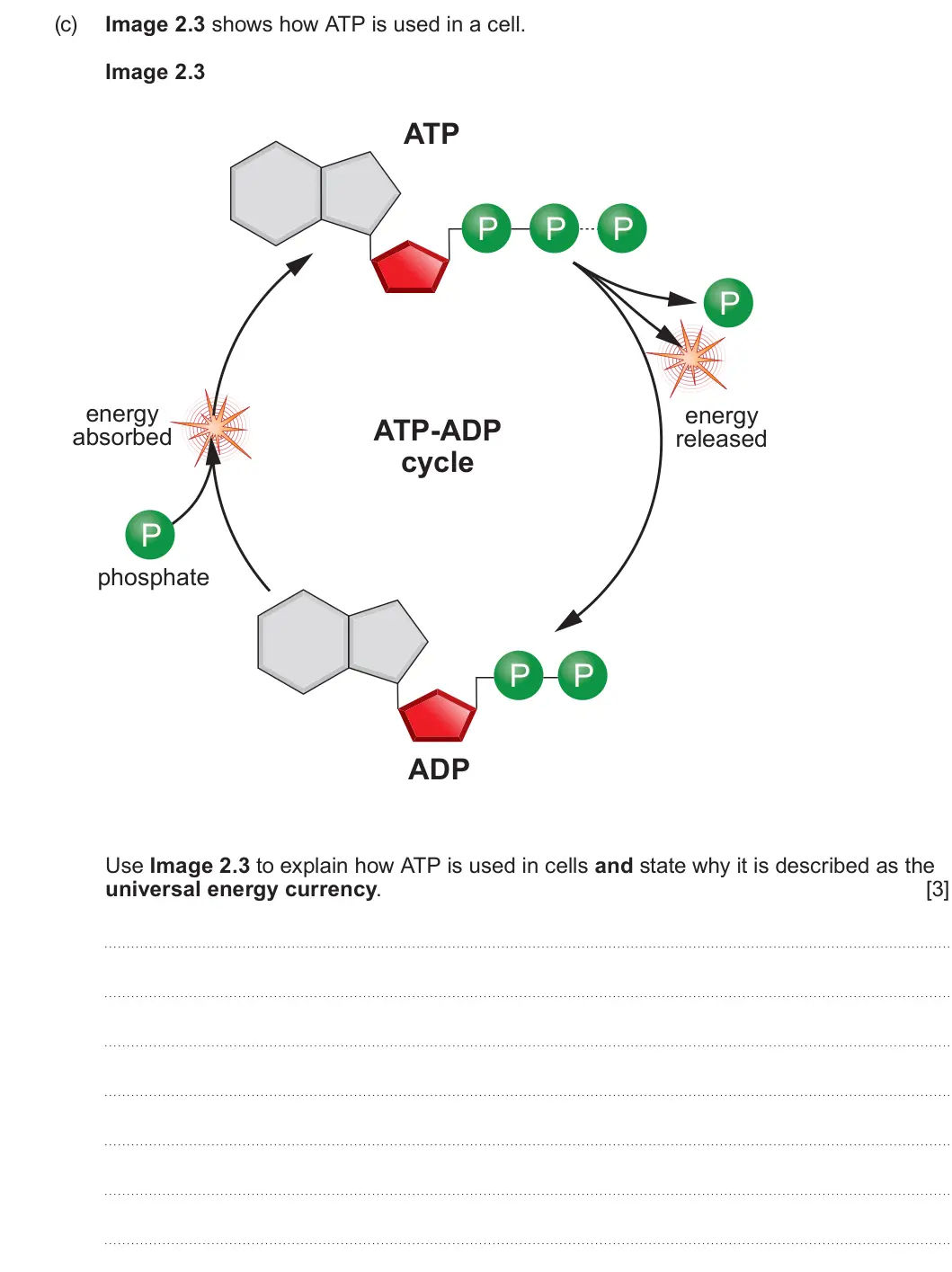
Q5(a)(i)
The whole paper ↗
Q3(a)(i)
The whole paper ↗
Q5(a)(i)
The whole paper ↗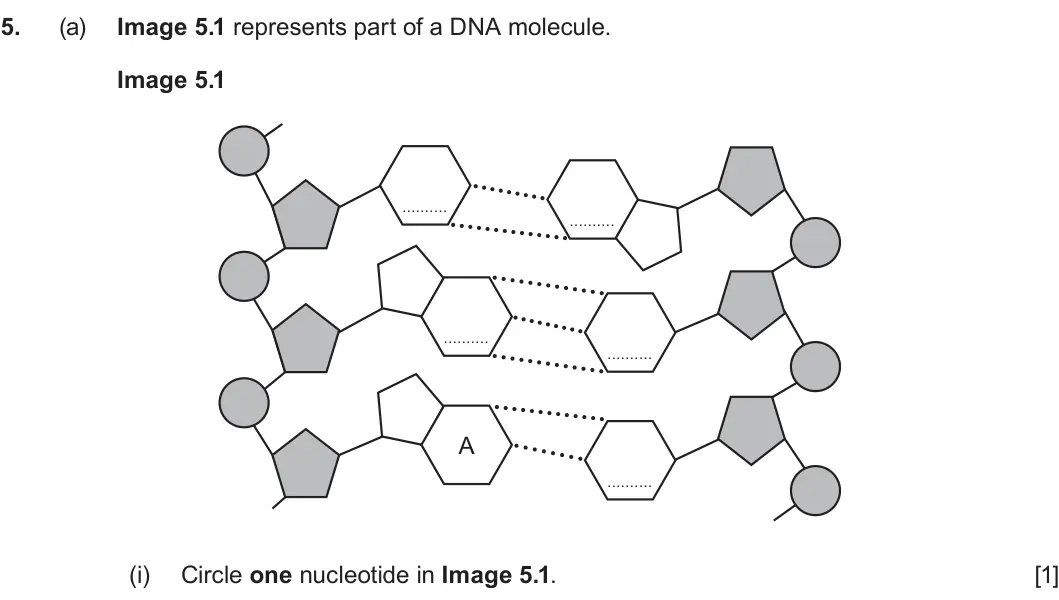
Q5(a)(ii)
The whole paper ↗
Q5(a)(iii)
The whole paper ↗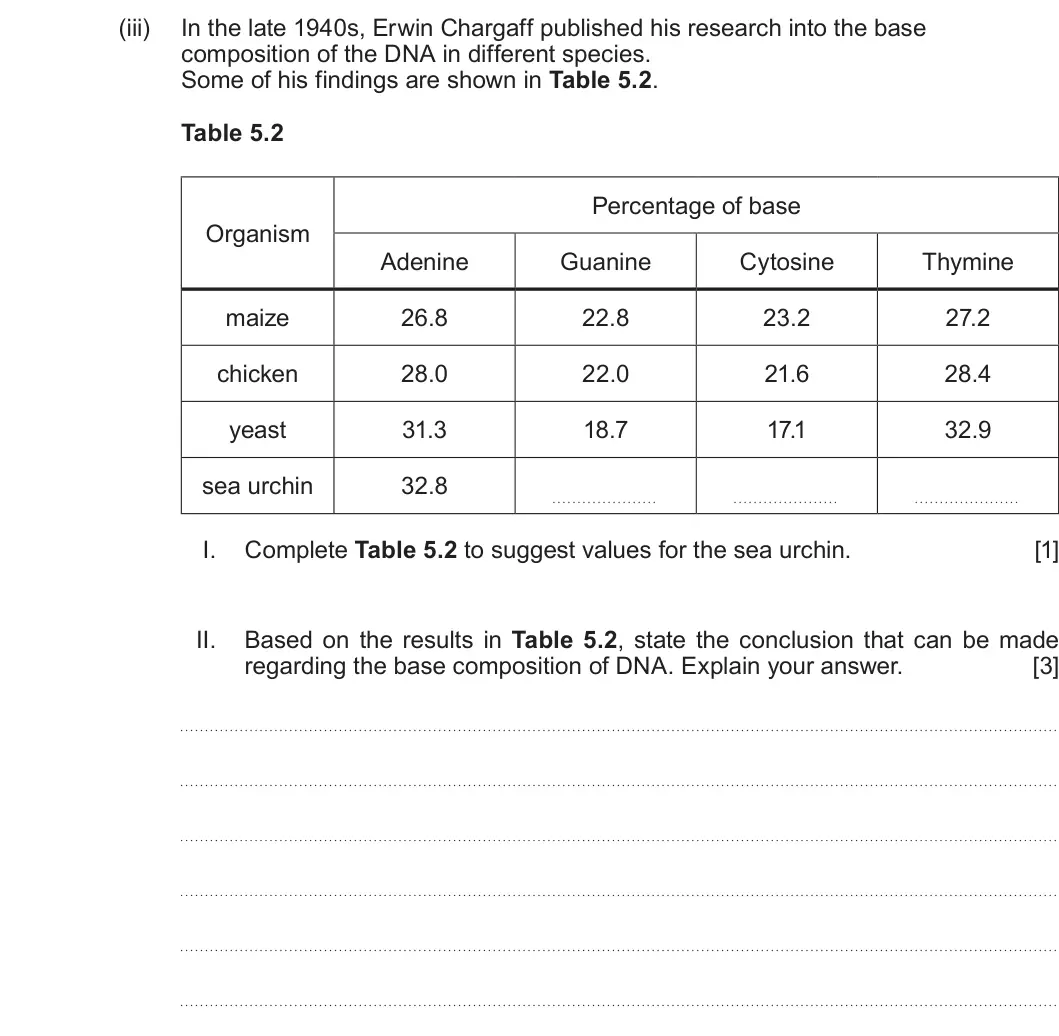
Q5(b)
The whole paper ↗
Q5(c)
The whole paper ↗
Q3(a)(i)
The whole paper ↗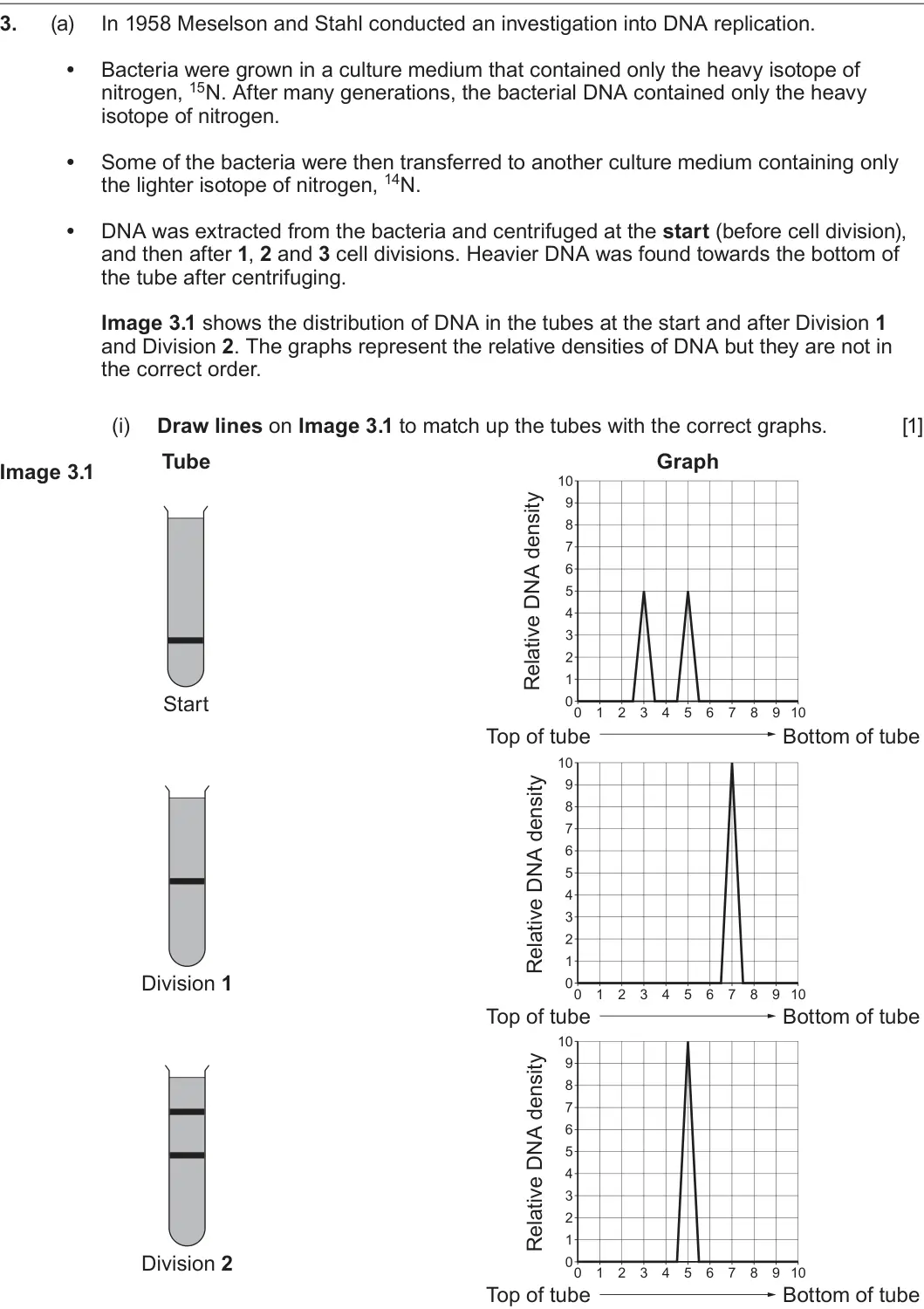
Q3(a)(ii)
The whole paper ↗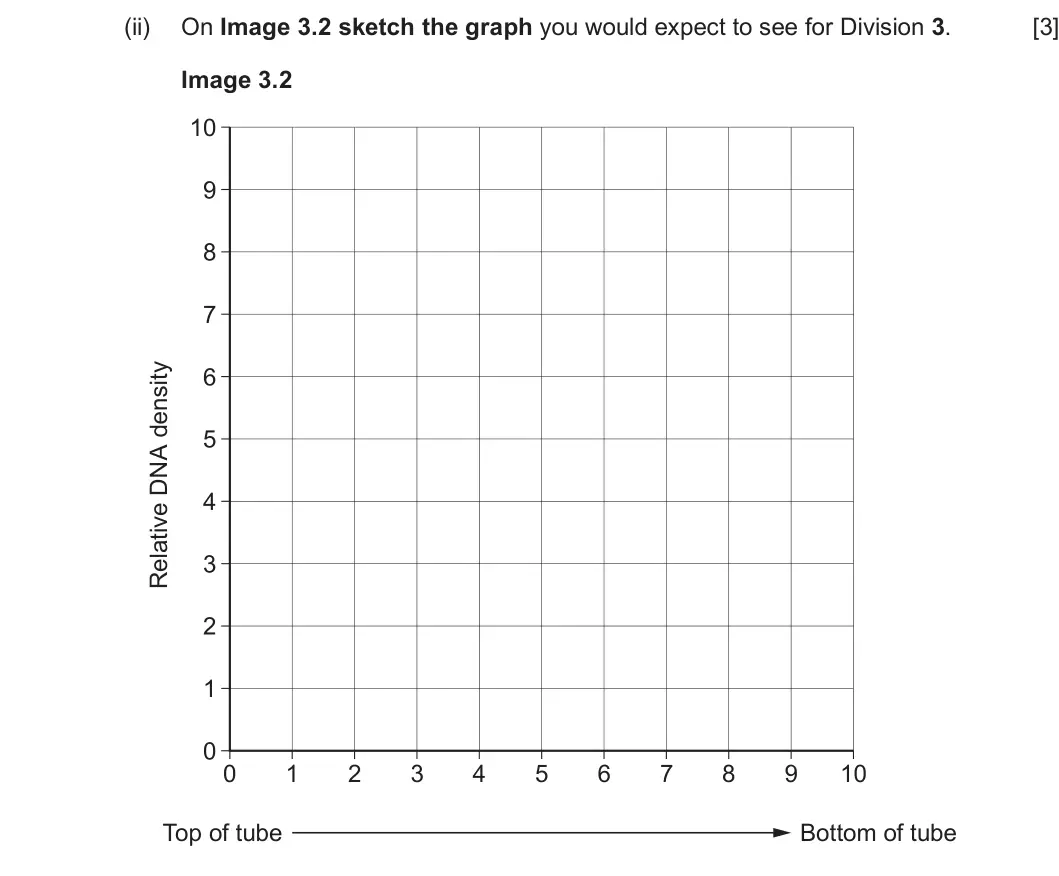
Q3(b)(i)
The whole paper ↗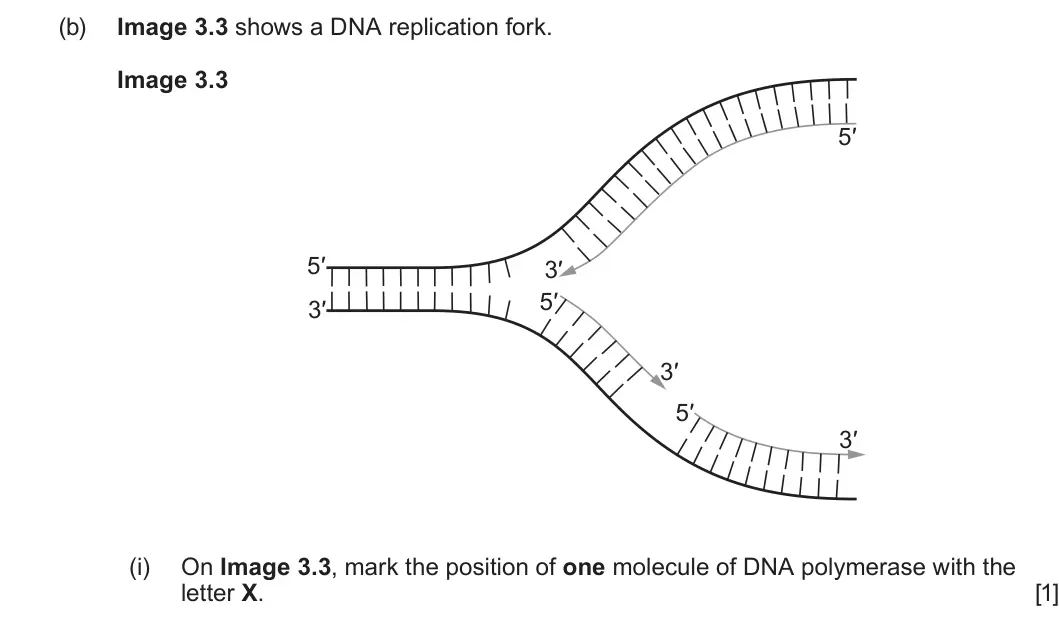
Q3(b)(ii)
The whole paper ↗
All 52 questions on Nucleic acids and their functions, as a list
- Summer 2025, Unit 3, Q6(c)(i) (1 mark): Name one pyrimidine that could be found in a DNA nucleotide. [1]
- Summer 2025, AS Unit 1, Q2(b)(ii) (1 mark): The polypeptide chain of proinsulin is composed of 86 amino acids. State the minimum number of nucleotide bases contained in the gene coding for proinsulin. [1]
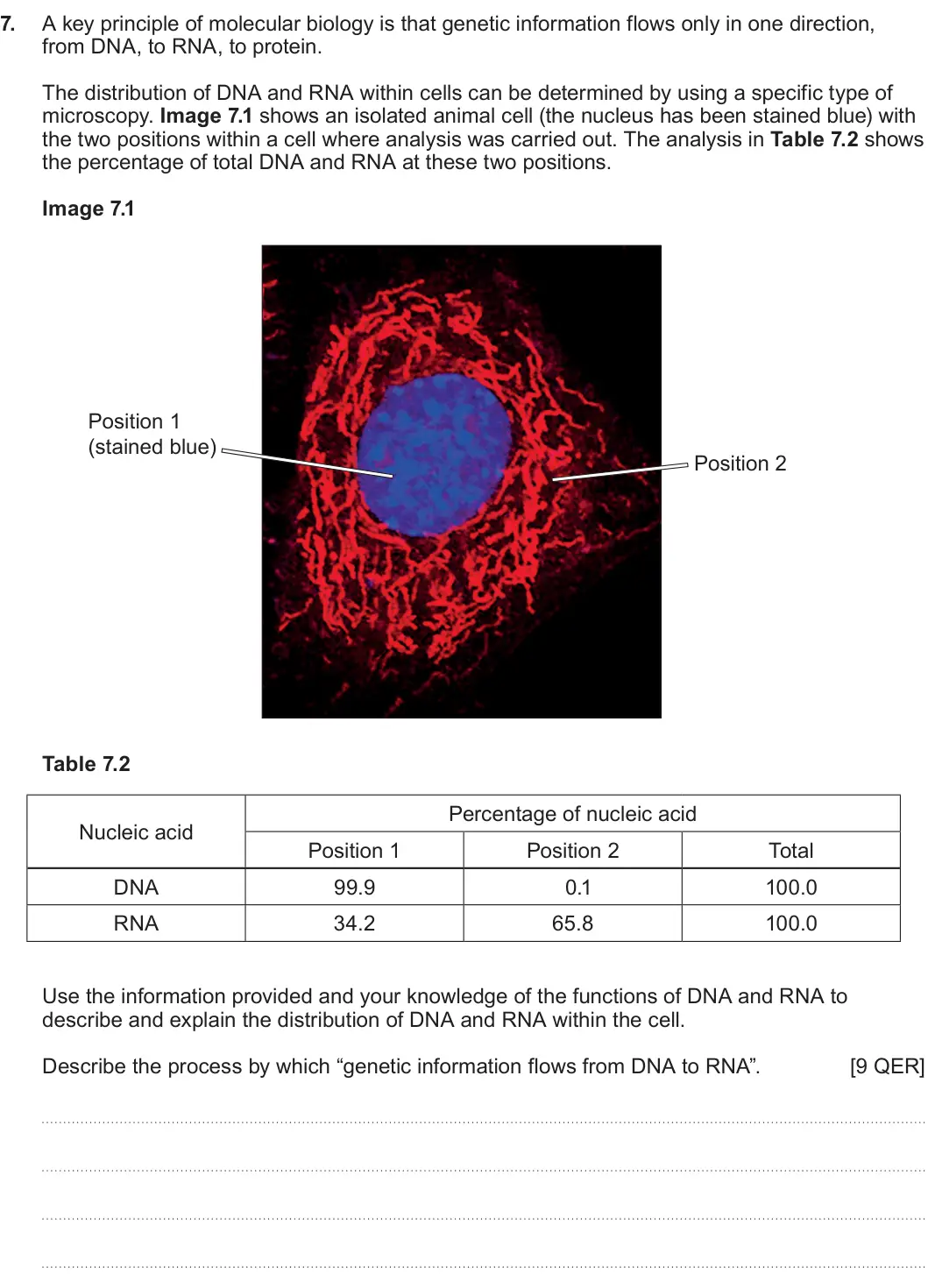
- Summer 2025, AS Unit 1, Q7 (9 marks): A key principle of molecular biology is that genetic information flows only in one direction, from DNA, to RNA, to protein. The distribution of DNA and RNA with
- Summer 2024, AS Unit 1, Q1(a)(i) (1 mark): State the names of two other types of RNA involved in protein synthesis. [1]
- Summer 2024, AS Unit 1, Q2(a)(i) (1 mark): State three structural similarities between all three nucleotides shown in Image 2.1. [1]
- Summer 2024, AS Unit 1, Q2(a)(ii) (2 marks): Complete Table 2.2 to describe one structural difference between each of the pairs of nucleotides shown. [2] Table 2.2 Nucleotides Difference ATP and RNA DNA an
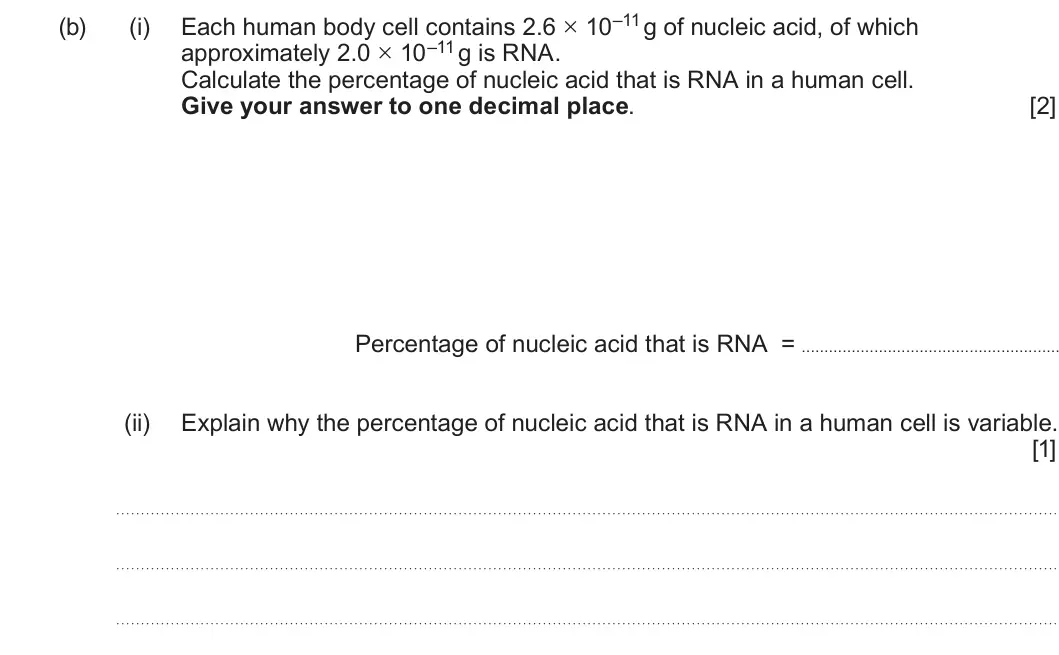
- Summer 2024, AS Unit 1, Q2(b) (3 marks): approximately 2.0 × 10⁻¹¹ g is RNA. Calculate the percentage of nucleic acid that is RNA in a human cell. Give your answer to one decimal place. [2] Percentage
- Summer 2024, AS Unit 1, Q2(c) (3 marks): Image 2.3 shows how ATP is used in a cell. Image 2.3 ATP P P P P energy energy ATP-ADP absorbed released cycle P phosphate P P ADP Use Image 2.3 to explain how
- Summer 2024, AS Unit 1, Q5(a)(i) (3 marks): Use your knowledge of the one gene one polypeptide hypothesis and Image 5.1 to identify the minimum number of genes within the viral RNA. Explain your answer. [
- Summer 2023, Unit 3, Q3(a)(i) (2 marks): Describe why ATP is described as a universal currency. [2] Image 3.1 summarises the production and use of ATP in muscle cells.
- Summer 2023, AS Unit 1, Q5(a)(i) (1 mark): Circle one nucleotide in Image 5.1. [1]
- Summer 2023, AS Unit 1, Q5(a)(ii) (2 marks): Using the letters A, C, T, G, label all the organic bases in Image 5.1. One adenine is labelled already. [2]
- Summer 2023, AS Unit 1, Q5(a)(iii) (4 marks): In the late 1940s, Erwin Chargaff published his research into the base composition of the DNA in different species. Some of his findings are shown in Table 5.2.
- Summer 2023, AS Unit 1, Q5(b) (2 marks): Meselson and Stahl also carried out investigations on DNA in the 1950s. They proposed the theory of semi-conservative replication. State what is meant by semi-c
- Summer 2023, AS Unit 1, Q5(c) (4 marks): DNA contains only four different bases, but proteins can be made of up to 20 different amino acids. Explain how these four bases allow for the production of so
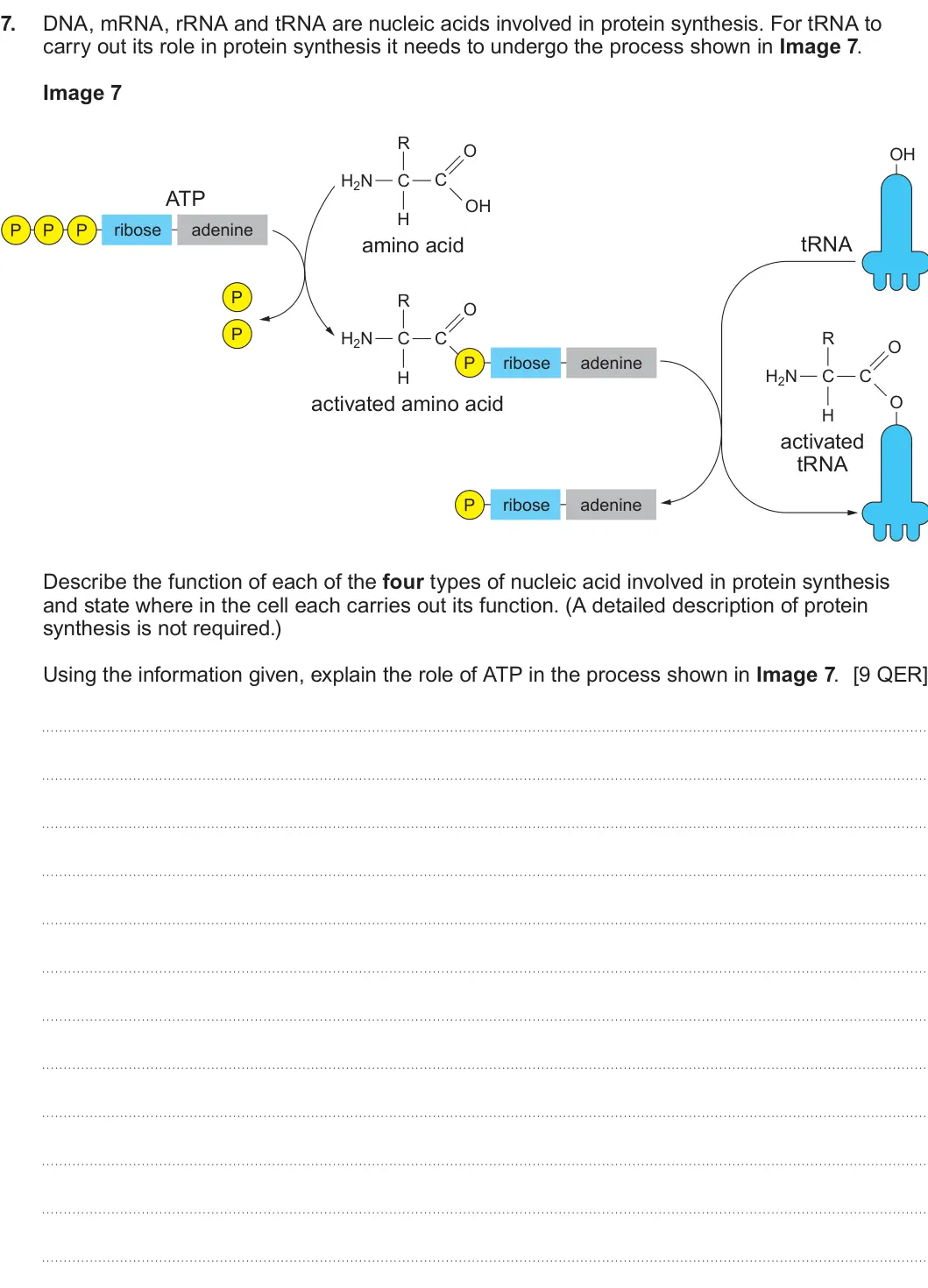
- Summer 2023, AS Unit 1, Q7 (9 marks): DNA, mRNA, rRNA and tRNA are nucleic acids involved in protein synthesis. For tRNA to carry out its role in protein synthesis it needs to undergo the process sh
- Summer 2022, AS Unit 1, Q3(a)(i) (1 mark): Draw lines on Image 3.1 to match up the tubes with the correct graphs. [1] Tube Graph Image 3.1 10 9 8 7 6 5 4 3 2 1 Start 0 0 1 2 3 4 5 6 7 8 9 10 Top of tube
- Summer 2022, AS Unit 1, Q3(a)(ii) (3 marks): On Image 3.2 sketch the graph you would expect to see for Division 3 [3] Image 3.2 10 9 8 7 6 5 4 3 2 1 0 0 1 2 3 4 5 6 7 8 9 10 Top of tube Bottom of tube
- Summer 2022, AS Unit 1, Q3(b)(i) (1 mark): On Image 3.3, mark the position of one molecule of DNA polymerase with the letter X. [1]
- Summer 2022, AS Unit 1, Q3(b)(ii) (1 mark): Describe the role of DNA helicase in this process. [1]
- Summer 2022, AS Unit 1, Q3(b)(iii) (2 marks): Explain how Image 3.3 shows that DNA is replicated by a semi-conservative mechanism. [2]
- Summer 2022, AS Unit 1, Q3(c) (3 marks): DNA polymerase has a proof-reading function, this means that it will check that it has replicated the DNA correctly and repair it if it is incorrectly synthesis
- Summer 2019, Unit 3, Q4(a)(vi) (2 marks): ATP is a more useful immediate energy source for cell metabolism than either glucose or sucrose. Explain why ATP is described as an universal energy currency. [
- Summer 2019, Unit 4, Q4(b)(i) (1 mark): Name the processes labelled X and Y on the diagram. [1] X Y
- Summer 2019, AS Unit 1, Q4(b)(i) (1 mark): The beta-globin molecule consists of 146 amino acids. State the minimum number of mRNA nucleotides required to code for this molecule. [1]
- Summer 2019, AS Unit 1, Q4(b)(ii) (2 marks): The genetic code is a triplet code and is degenerate. The table below shows the mRNA codons, that code for specific amino acids. Second letter U C A G UUU UAU U
- Summer 2019, AS Unit 1, Q4(b)(iii) (4 marks): The table below shows part of the DNA sequence that codes for beta-globin and the corresponding mRNA codons, tRNA anticodons and the amino acid sequence of the
- Summer 2019, AS Unit 1, Q4(c) (5 marks): Describe the events which take place in the production of the beta-globin molecule after the ribosome has attached to the mRNA. [5]
- Summer 2019, AS Unit 1, Q4(d) (1 mark): A mutation, where a single base was substituted by a different base, resulted in glutamic acid being replaced by valine at position 6 in the beta-globin molecul
- Summer 2018, AS Unit 1, Q2(a)(i) (2 marks): State the names of the parts of the ATP molecule labelled X, Y and Z. [2] X: Y: Z:
- Summer 2018, AS Unit 1, Q2(a)(ii) (1 mark): State two uses for the energy released from ATP in a plant cell. [1]
- Summer 2018, AS Unit 1, Q2(b) (3 marks): One mole of glucose releases 2 870 kJ of energy when completely oxidised during aerobic respiration. Synthesis of one mole of ATP from ADP and Pi requires 30.6
- Summer 2018, AS Unit 1, Q4(b)(iii) (1 mark): State the minimum number of genes required to code for the β-bungarotoxin. Explain how you reached this conclusion. [1]
- Summer 2018, AS Unit 1, Q4(c)(i) (1 mark): One polypeptide chain of β-bungarotoxin contains 120 amino acids. State the minimum number of DNA nucleotides that would be required to code for this polypeptid
- Summer 2018, AS Unit 1, Q4(c)(ii) (5 marks): Scientists have isolated, and sequenced, the gene for this polypeptide chain; it was found to contain over 2 000 nucleotides. Scientists have also isolated mole
- Summer 2017, Unit 3, Q3(b)(i) (1 mark): State the minimum number of nucleotides on the DNA template strand that code for ADH. [1]
- Summer 2017, Unit 4, Q2(a)(i) (2 marks): Explain why a mutation involving an intron would not affect the primary structure of a polypeptide but a mutation in an exon might. [2]
- Summer 2017, Unit 4, Q2(d)(i) (1 mark): Complete the diagram below to show the complementary base pairing between the mRNA and the molecular patch. [1] mRNA G G C A A U Part of complementary RNA
- Summer 2017, Unit 4, Q2(d)(ii) (1 mark): State one difference between the structure of the protein dystrophin synthesised after the use of the molecular patch and normal dystrophin. [1]
- Summer 2017, AS Unit 1, Q2(a) (2 marks): Identify three variables which would need to be controlled during centrifugation of the samples. [2] Photographs were taken of the extracted bands of DNA. The r
- Summer 2017, AS Unit 1, Q2(b)(i) (1 mark): State which isotopes of nitrogen would be found in the DNA at A, B and C in the scans. [1] A B C
- Summer 2017, AS Unit 1, Q2(b)(ii) (3 marks): Explain how the results in generations 0 and 1 support the theory of semi- conservative replication. [3]
- Summer 2017, AS Unit 1, Q2(b)(iii) (4 marks): Explain the height of the peaks in the scans for generations 2 and 3 [4]
- Summer 2017, AS Unit 1, Q2(b)(iv) (3 marks): Name two enzymes now known to be involved in DNA replication and explain their functions. [3]
- Summer 2017, AS Unit 1, Q3(a)(i) (1 mark): State the parts of the molecule that are common to DNA, RNA and ATP nucleotides. [1]
- Summer 2017, AS Unit 1, Q3(a)(ii) (1 mark): State what is meant by the term universal energy currency. [1]
- Summer 2017, AS Unit 1, Q3(a)(iii) (2 marks): State whether the reaction shown above is exergonic or endergonic. Explain your answer. [2]
- Summer 2017, AS Unit 1, Q3(b) (2 marks): It is estimated that the mass of ATP that is found within a resting human at any one time is approximately 5 g, yet a human uses an estimated 50 kg of ATP each
- Summer 2017, AS Unit 1, Q3(c) (4 marks): Under what circumstances would each of the reactions A and B take place? Explain your answer. [4]
- Summer 2016, AS Unit 1, Q2(a) (4 marks): Describe the differences between the genetic material of the Influenza virus and the genetic material found within the nucleus of the epithelial cell it infects
- Summer 2016, AS Unit 1, Q2(b)(ii) (4 marks): In stage 3, the capsid has broken down and the viral RNA and RNA polymerase enter the nucleus, where the viral RNA is replicated. Apply your knowledge of RNA po
- Summer 2016, AS Unit 1, Q2(b)(iii) (5 marks): To complete the replication of the virus, capsids need to be produced (stage 4). Describe how the proteins in the capsid are produced. [5]
Questions, mark schemes and examiner’s reports are © WJEC CBAC Ltd, from their published past papers. Plumi isn’t affiliated with any exam board. Want whole papers? Every WJEC A-Level Biology paper.
Rather write your answers by hand on iPad? Plumi marks them against the same mark schemes.