 plumi
Planning: apparatus, variables and fair tests: Edexcel International A Level Biology questions
Edexcel International A Level Biology past-paper questions on P.1.1 Planning: apparatus, variables and fair tests, 2019–2025, with mark schemes and examiner’s reports where available.
Paper
All papers
Exam
All years
Calculations
Q1(b)(i)
The whole paper ↗
Q1(b)(ii)
The whole paper ↗Q1(b)(iii)
The whole paper ↗Q1(b)(iv)
The whole paper ↗Q2(a)(i)
The whole paper ↗
Q2(c)(i)
The whole paper ↗
Q2(c)(ii)
The whole paper ↗Q3(a)
The whole paper ↗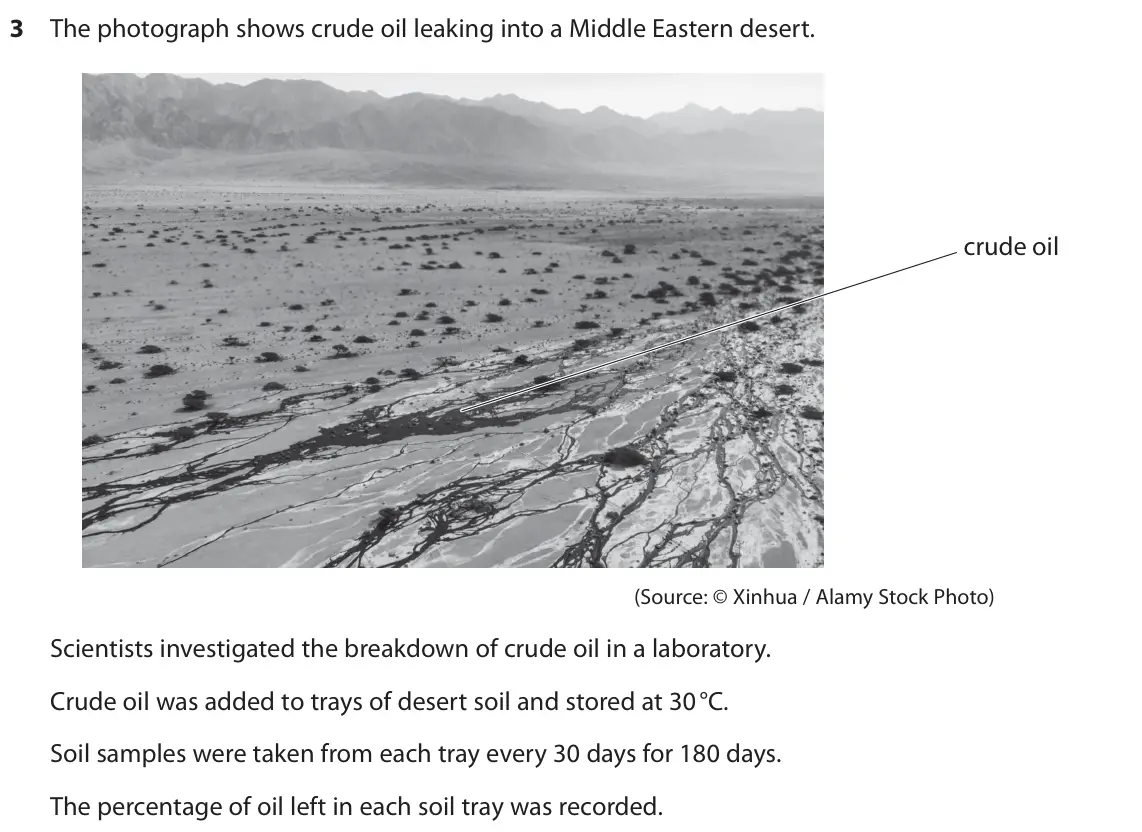
Q4(b)
The whole paper ↗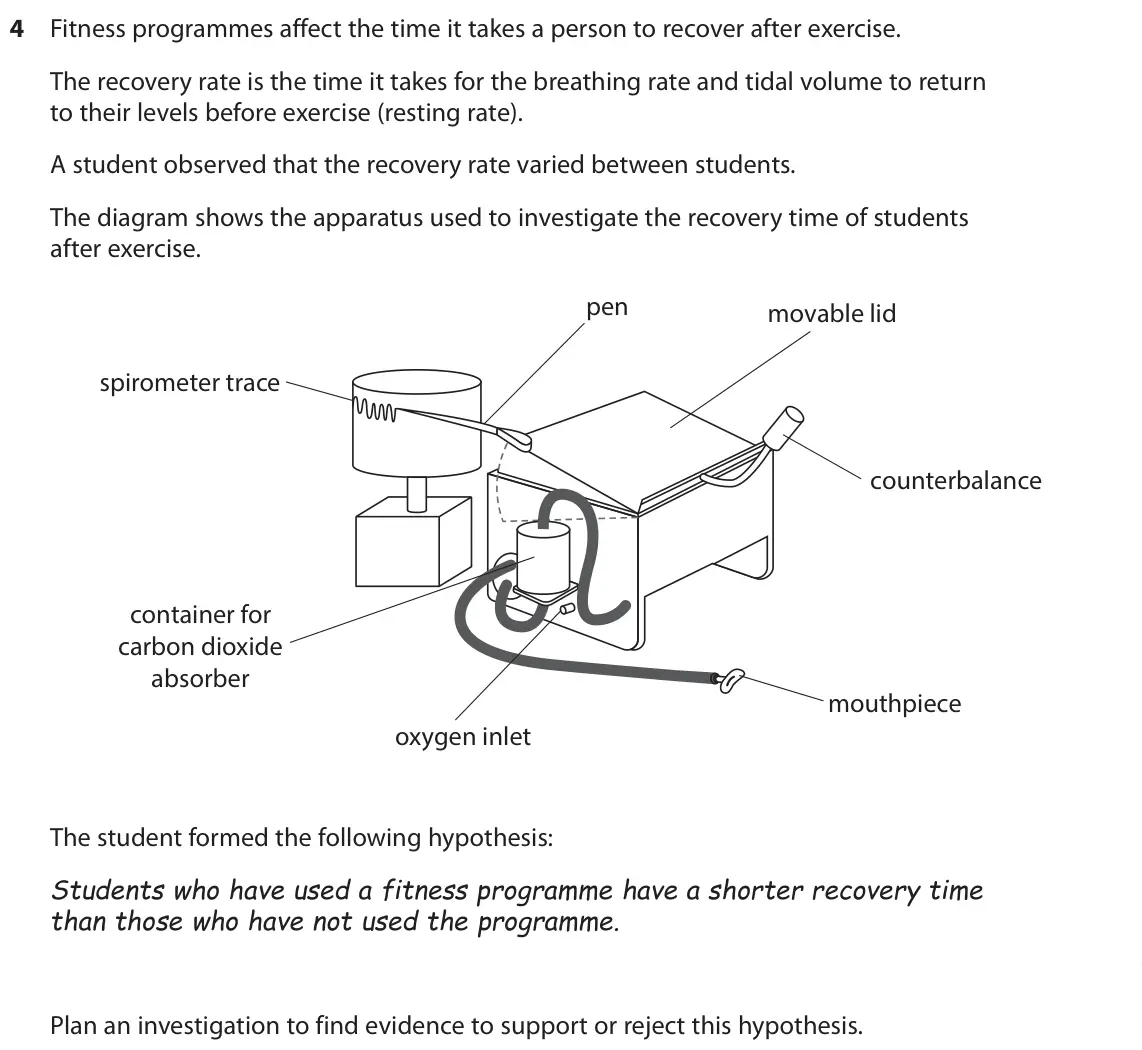
Q2(b)(ii)
The whole paper ↗
Q3(c)(i)
The whole paper ↗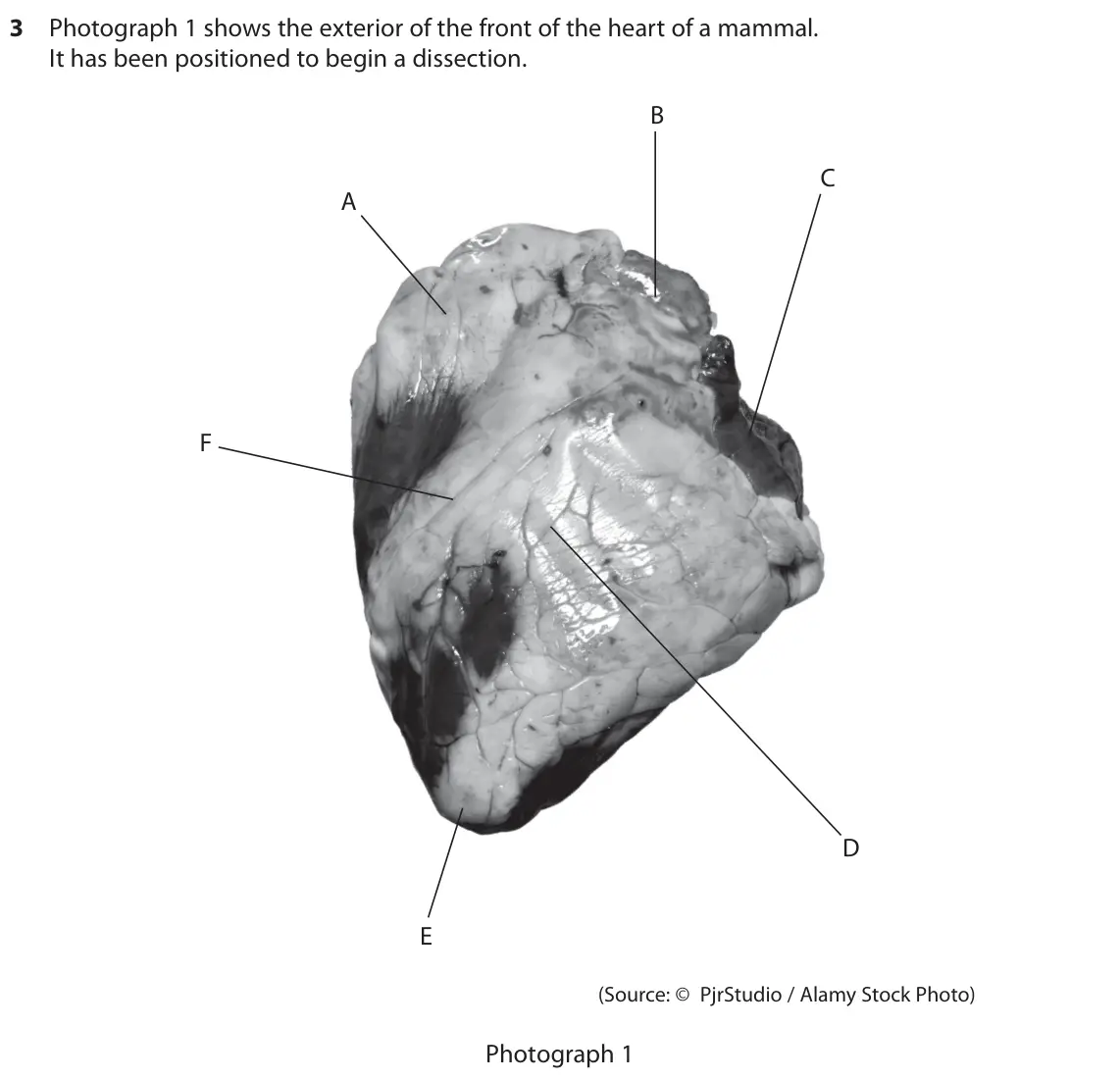
Q1(a)
The whole paper ↗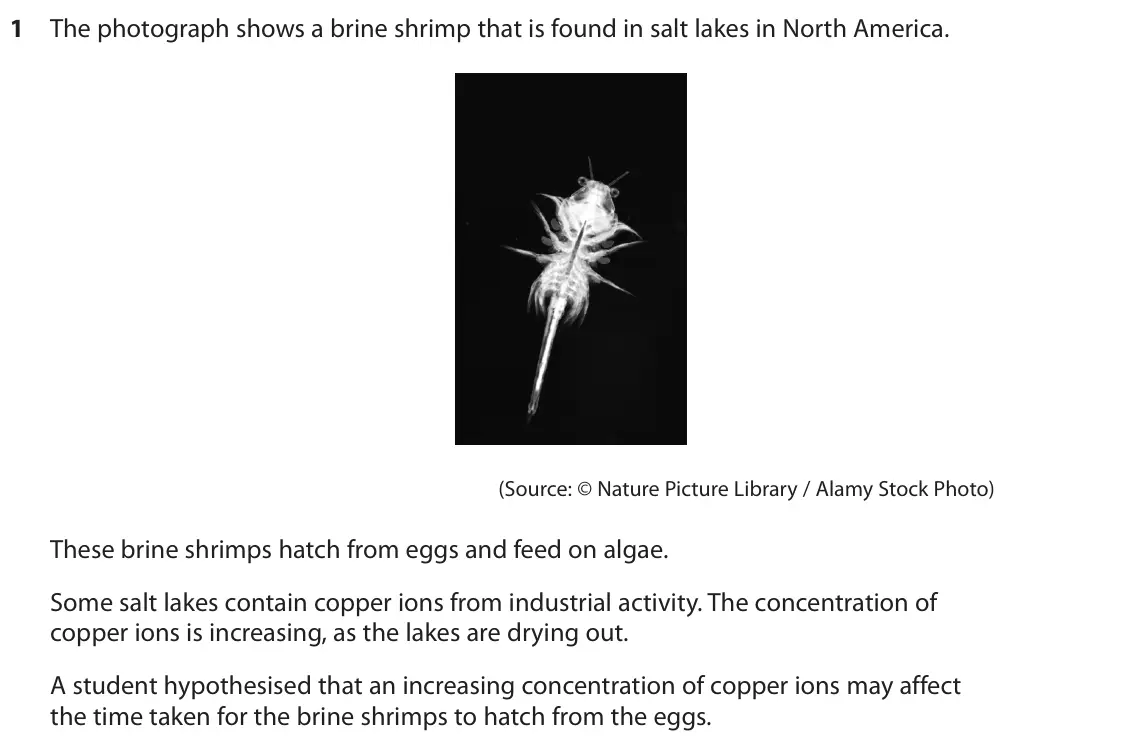
Q2(b)(iv)
The whole paper ↗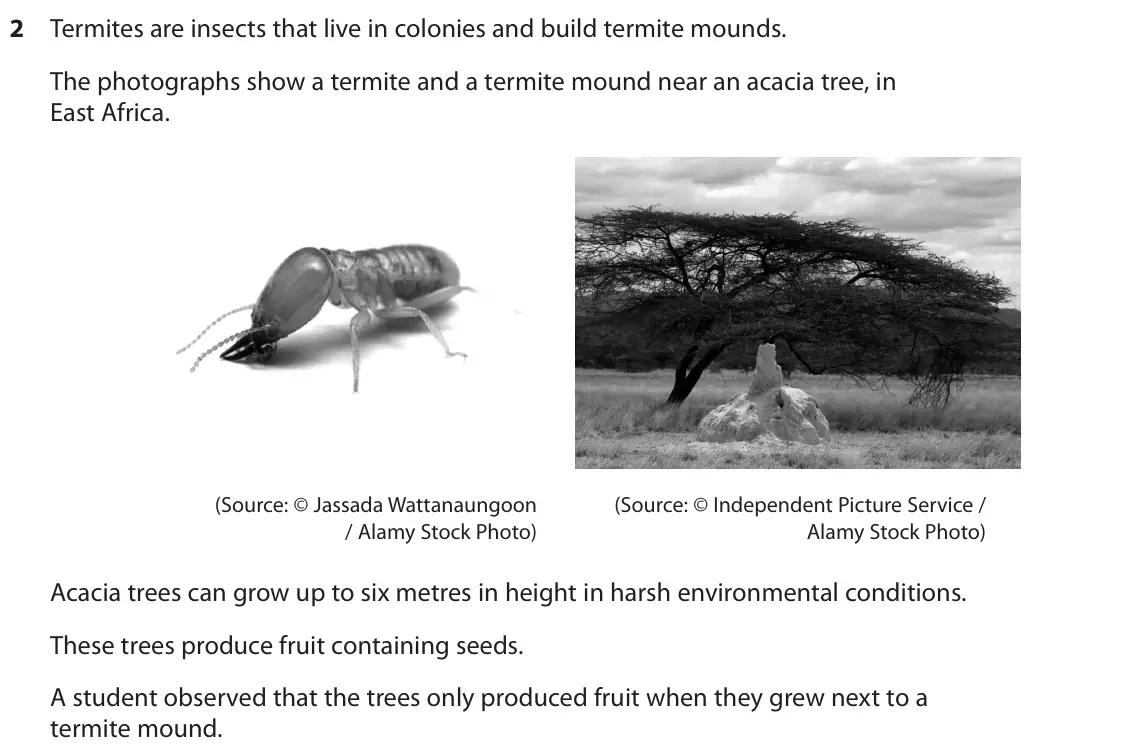
Q3(a)
The whole paper ↗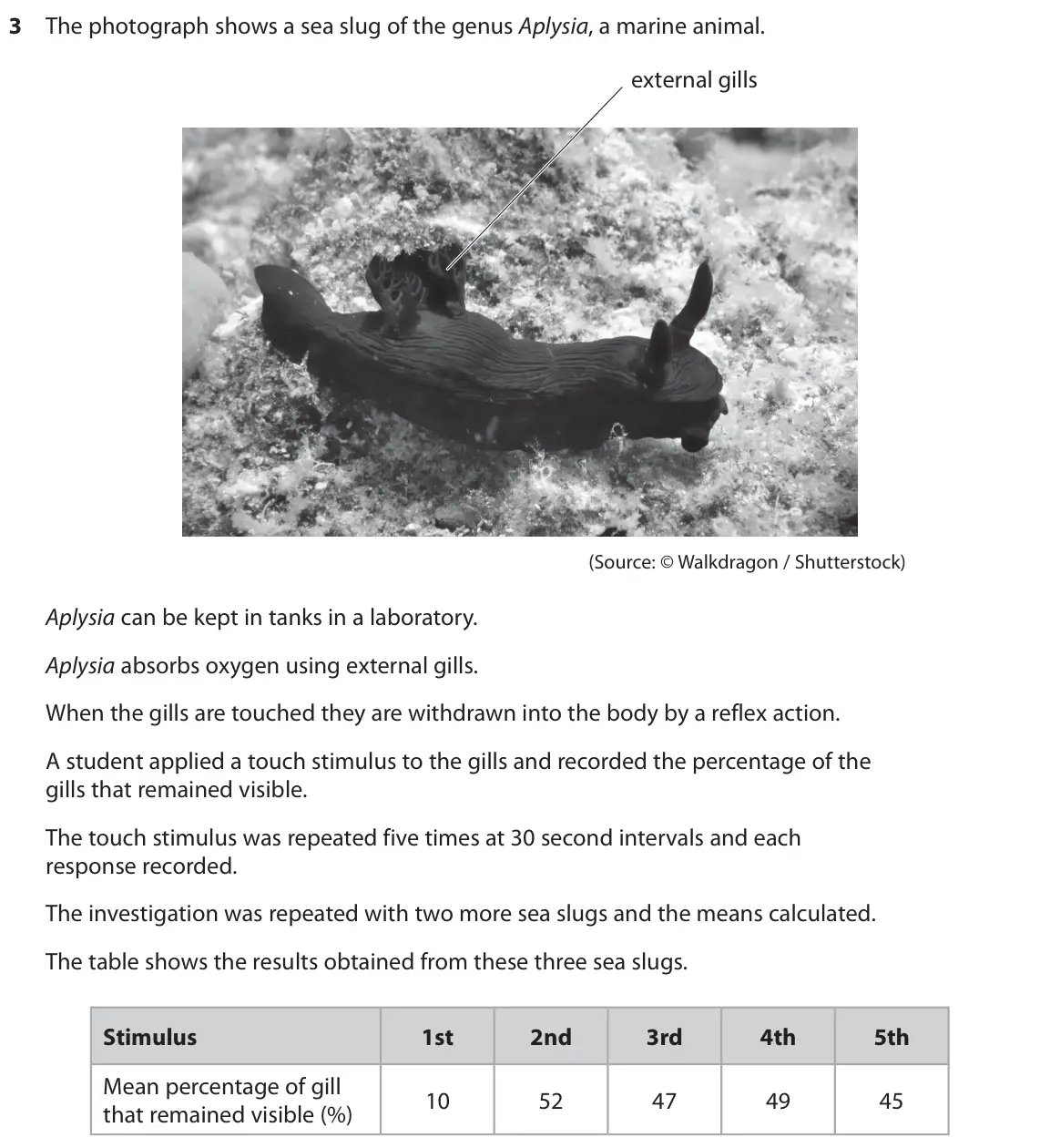
Q4(a)
The whole paper ↗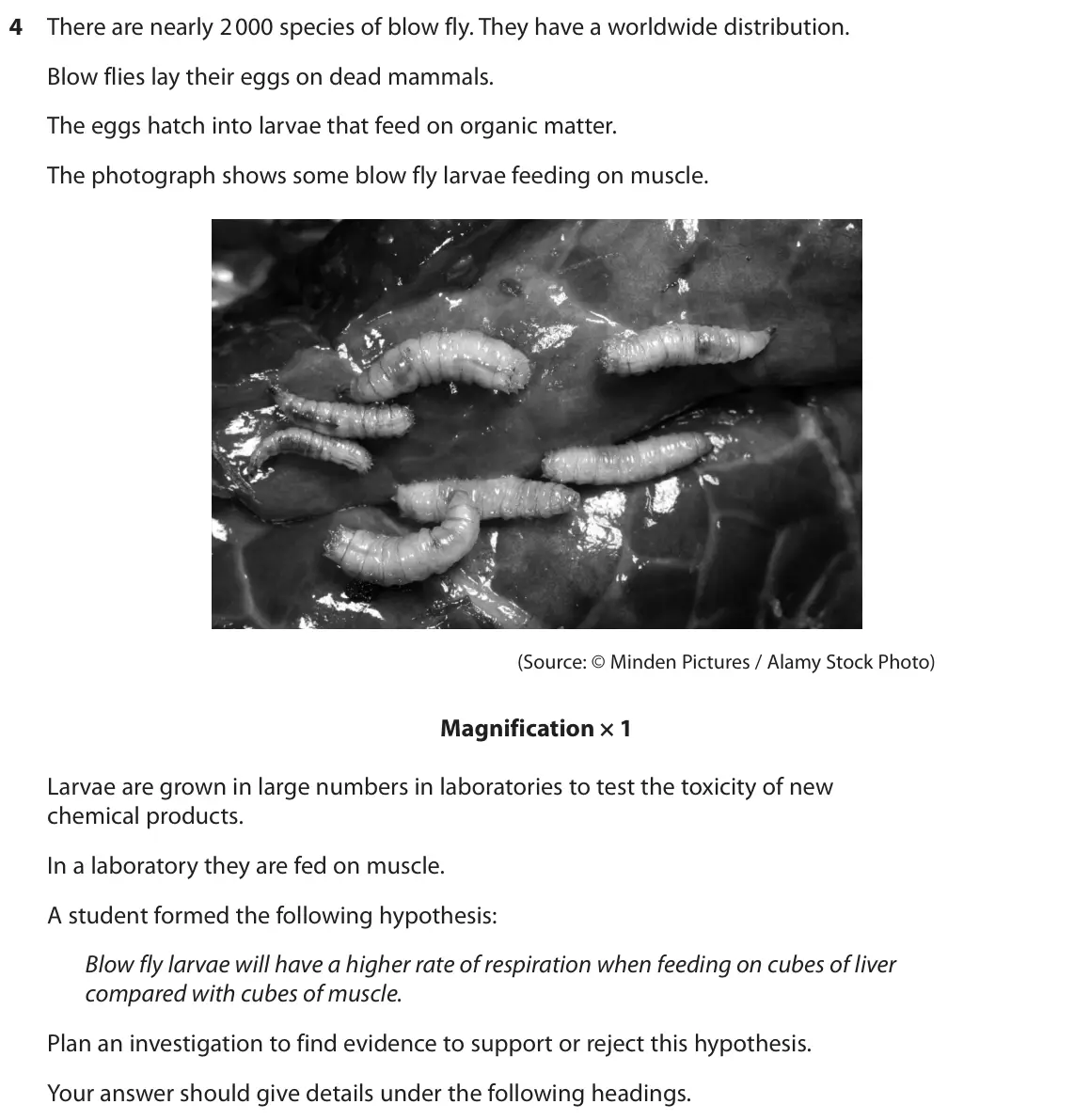
Q4(b)
The whole paper ↗Q2(a)(i)
The whole paper ↗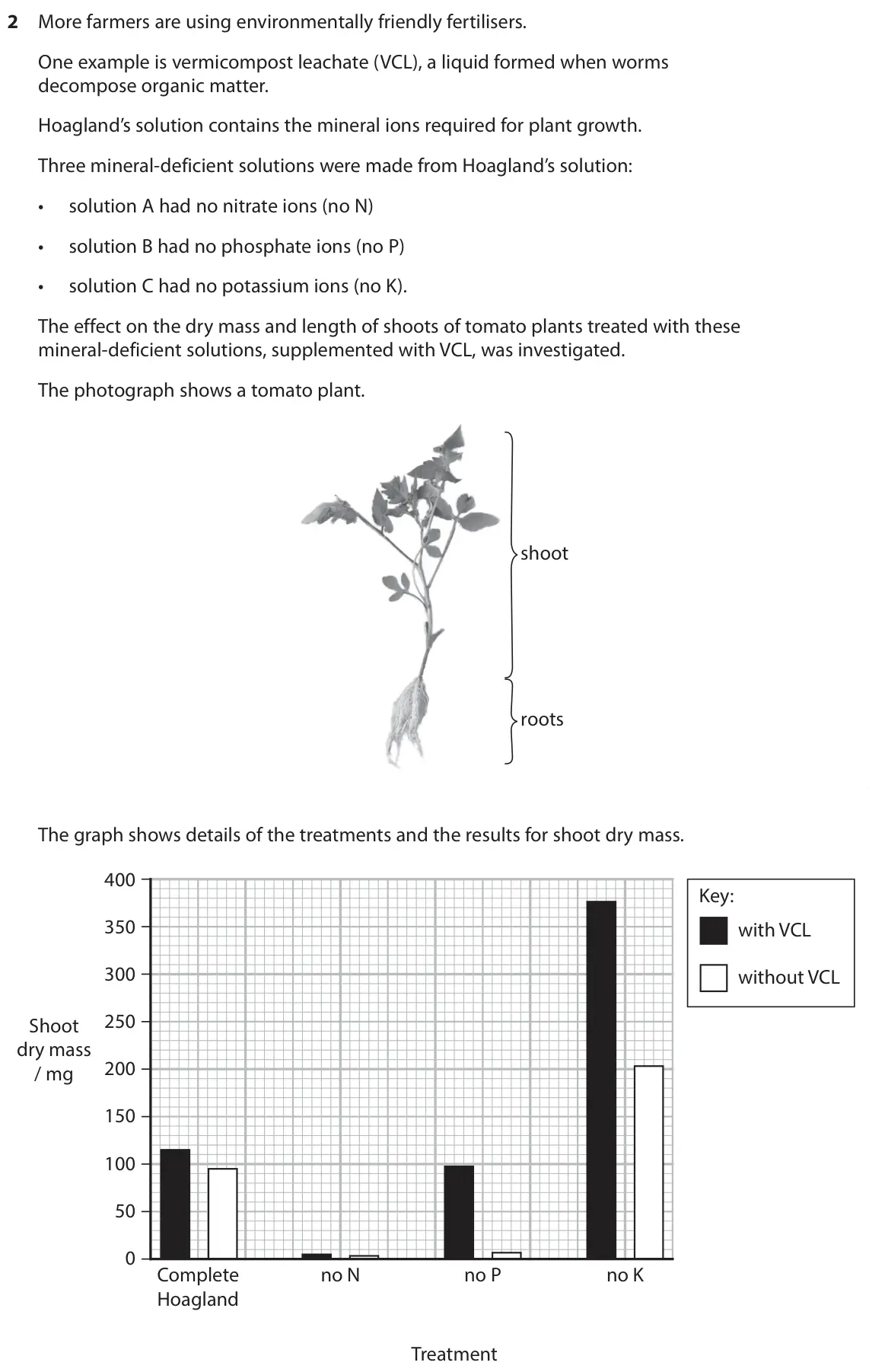
Q3(b)(ii)
The whole paper ↗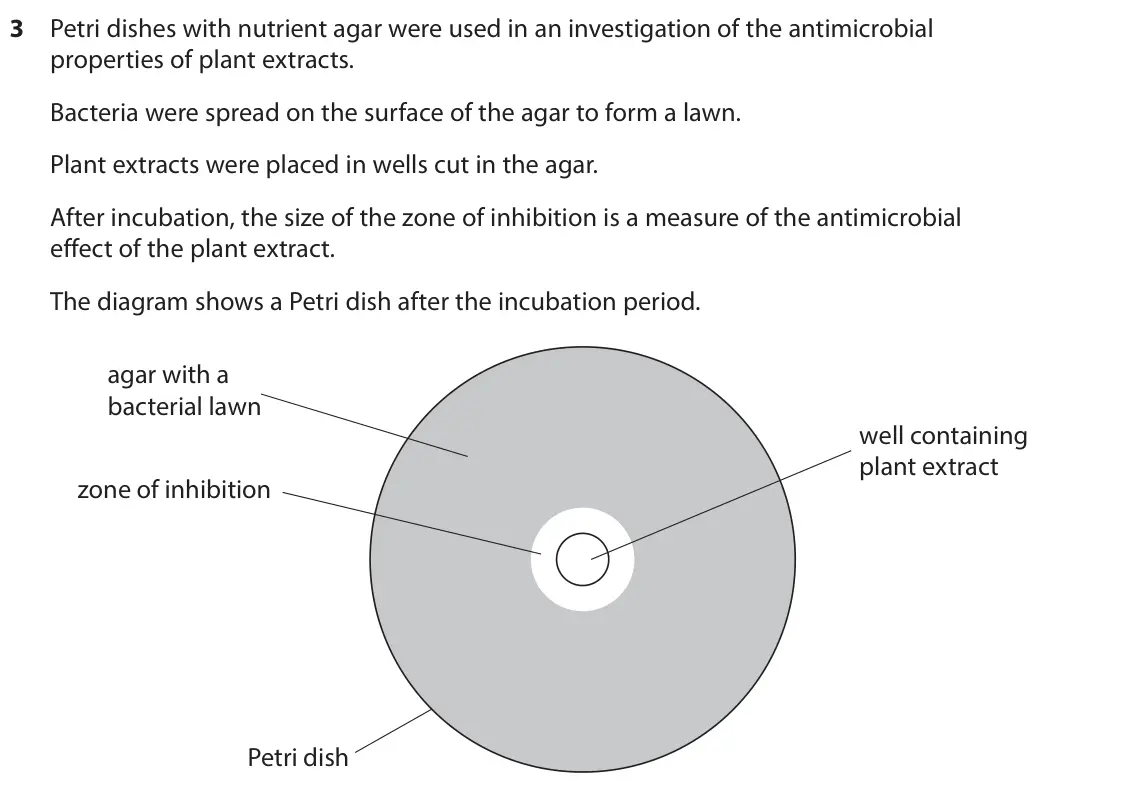
Q9(b)(i)
The whole paper ↗ Your answer
Q3(c)(ii)
The whole paper ↗
All 157 questions on Planning: apparatus, variables and fair tests, as a list
- June 2025, AS Unit 3, Q1(b)(i) (2 marks): Explain why a temperature of 25 °C was used. (2)
- June 2025, AS Unit 3, Q1(b)(ii) (1 mark): State the independent variable in this investigation. (1)
- June 2025, AS Unit 3, Q1(b)(iii) (2 marks): Give two reasons why the grains were germinated before being transferred to the Petri dishes. (2) 1 2
- June 2025, AS Unit 3, Q1(b)(iv) (2 marks): Explain why some seedlings were placed in the solvent without trifluralin. (2)
- June 2025, AS Unit 3, Q2(a)(i) (5 marks): Justify each step of a method that could be used to obtain the results shown in the graph. (5)
- June 2025, Unit 6, Q2(c)(i) (2 marks): State two abiotic variables, other than temperature, that could affect this investigation. (2) first variable second variable
- June 2025, Unit 6, Q2(c)(ii) (1 mark): Choose one of the variables you have identified in part (c)(i). Describe how this variable can be controlled. (1) Variable Method of control
- June 2025, Unit 6, Q3(a) (1 mark): State a suitable null hypothesis for this investigation. (1)
- June 2025, Unit 6, Q4(b) (9 marks): Devise a detailed method, including how you would control and monitor important variables to provide quantitative results. (9)
- January 2025, AS Unit 3, Q2(b)(ii) (6 marks): Describe how the data in the table could be obtained. (6)
- January 2025, AS Unit 3, Q3(c)(i) (1 mark): State the independent variable in this study. (1)
- January 2025, Unit 6, Q1(a) (6 marks): Describe an experiment to investigate the effect of the concentration of copper ions on the time taken for the brine shrimps to hatch from eggs. (6)
- January 2025, Unit 6, Q2(b)(iv) (2 marks): State two abiotic variables, other than mineral ions, that could affect the results of this investigation. (2) first variable second variable
- January 2025, Unit 6, Q3(a) (1 mark): State a suitable null hypothesis for this investigation. (1)
- January 2025, Unit 6, Q4(a) (2 marks): Describe preliminary practical work that you might undertake to ensure your proposed method would provide quantitative results. (2)
- January 2025, Unit 6, Q4(b) (9 marks): Devise a detailed method, including how you would control and monitor important variables. (9)
- October 2024, AS Unit 3, Q2(a)(i) (4 marks): Describe a method that could be used to obtain the results for the complete Hoagland treatment, so that it can be compared with the other treatments. (4)
- October 2024, AS Unit 3, Q3(b)(ii) (1 mark): State one independent variable in this investigation. (1)
- October 2024, Unit 4, Q9(b)(i) (1 mark): Which would have been the most appropriate light to use as a positive control? (1) A green B mixture of green, blue and red light C ultraviolet D sunlight
- October 2024, Unit 5, Q3(c)(ii) (1 mark): State one reason why the lactate concentration was measured 15 minutes before starting the exercise. (1)
- October 2024, Unit 5, Q3(c)(iii) (1 mark): State one variable that would need to be controlled in this investigation and how this would be achieved. (1)
- October 2024, Unit 6, Q1(b) (6 marks): The drawing shows a wheat grain and the locations of the endosperm and the embryo. endosperm embryo Describe an experiment to determine if gibberellin stimulate
- October 2024, Unit 6, Q2(c)(i) (2 marks): State one abiotic and one biotic variable, other than temperature, that could affect this investigation. (2) Abiotic variable Biotic variable
- October 2024, Unit 6, Q2(c)(ii) (1 mark): Choose one of the variables you have identified in part (i). State how this variable can be controlled. (1) Variable Method of control
- October 2024, Unit 6, Q3(a) (1 mark): State a suitable null hypothesis for this investigation. (1)
- October 2024, Unit 6, Q4(a) (2 marks): Describe the preliminary practical work that you might undertake to ensure your proposed method would provide quantitative results. (2)
- October 2024, Unit 6, Q4(b) (9 marks): Devise a detailed method, including how you would control and monitor important variables. (9)
- June 2024, AS Unit 3, Q1(a) (2 marks): Explain why, in step 1, it is important to cut the squid meat into equal sized pieces. (2)
- June 2024, AS Unit 3, Q1(b)(i) (1 mark): Name a suitable control solution that could be used in step 2. (1)
- June 2024, AS Unit 3, Q1(b)(ii) (1 mark): State the importance of using a control in this study. (1)
- June 2024, AS Unit 3, Q1(c) (1 mark): Give two variables that need to be controlled in step 3. (1) 1 2
- June 2024, AS Unit 3, Q2(d) (6 marks): A student suggested that: The larger a fish is, the larger its heart will be. Devise a method that could be used to collect and analyse data to test this sugges
- June 2024, AS Unit 3, Q3(a)(iv) (3 marks): A coating made from a combination of chitosan and cinnamon oil was also tested. Describe an investigation to determine if this coating is more effective than th
- June 2024, Unit 6, Q1(b) (5 marks): Describe an experiment to investigate the effect of temperature on the rate of respiration in yeast, using an artificial hydrogen carrier (redox indicator). (5)
- June 2024, Unit 6, Q2(a) (4 marks): Woodlice are small animals that live in damp places, for example under stones and in areas with decomposing leaves. The photograph shows one species of woodlous
- June 2024, Unit 6, Q2(b)(iv) (2 marks): State one abiotic and one biotic variable that could affect this investigation of habituation in zebrafish. (2) Abiotic variable Biotic variable
- June 2024, Unit 6, Q2(b)(v) (2 marks): Choose one of the variables you have identified in (iv). Describe how this variable could be controlled and the effect it would have on the results if it is not
- June 2024, Unit 6, Q4(a) (3 marks): Describe preliminary practical work that you might undertake to ensure your proposed method would provide quantitative results. (3)
- June 2024, Unit 6, Q4(b) (8 marks): Devise a detailed method, including how you would control and monitor important variables. (8)
- January 2024, AS Unit 3, Q1(b) (5 marks): The vitamin C content of the leaves from spinach plants was investigated. Describe how comparative measurements of the vitamin C content of the leaves from two
- January 2024, AS Unit 3, Q2(c)(ii) (5 marks): Describe a procedure that could have been used to obtain the results shown in this graph. (5)
- January 2024, AS Unit 3, Q3(b)(iv) (6 marks): This process preserves the animal feed because it kills bacteria. The process involves heating for a period of time, the heating temperature and the addition of
- January 2024, Unit 4, Q8(c)(i) (2 marks): Explain two ways in which this investigation would have to be controlled to provide valid data. (2)
- January 2024, Unit 6, Q1(a) (6 marks): Describe how the antibacterial activity of different parts of this plant could be compared. (6)
- January 2024, Unit 6, Q2(c)(i) (2 marks): State two abiotic variables other than temperature that could affect this investigation. (2) First variable Second variable
- January 2024, Unit 6, Q2(c)(ii) (1 mark): Choose one of the variables you have identified in (i). Describe how this variable can be controlled. (1) Variable Method of control
- January 2024, Unit 6, Q2(c)(iii) (1 mark): Suggest what effect not controlling this variable would have on the results. (1)
- January 2024, Unit 6, Q3(a) (1 mark): State a suitable null hypothesis for this investigation. (1)
- January 2024, Unit 6, Q4(a) (2 marks): Describe preliminary practical work that you might undertake to ensure your proposed method would provide quantitative results. . (2)
- January 2024, Unit 6, Q4(b) (9 marks): Devise a detailed method, including how you would control and monitor important variables. (9)
- October 2023, AS Unit 3, Q3(b)(i) (1 mark): State the independent variable in this investigation. (1)
- October 2023, Unit 6, Q1(b) (6 marks): The student read that ‘the vitamin C content of these fruits decreases the most during the first 14 days of storage.’ Describe an experiment to investigate the
- October 2023, Unit 6, Q2(c)(i) (2 marks): State two biotic variables that could affect this investigation. (2) First variable Second variable
- October 2023, Unit 6, Q2(c)(ii) (1 mark): Choose one of the variables you have identified in (i). Describe how this variable can be controlled. (1) Variable Method of control
- October 2023, Unit 6, Q3(a) (1 mark): State a suitable null hypothesis for this investigation. (1)
- October 2023, Unit 6, Q4(a) (2 marks): Describe preliminary practical work that you might undertake to ensure your proposed method would provide quantitative results. (2)
- October 2023, Unit 6, Q4(b) (9 marks): Devise a detailed method, including how you would control and monitor important variables. (9)
- June 2023, AS Unit 3, Q1(b)(i) (1 mark): Name the independent variable in this investigation. (1)
- June 2023, AS Unit 3, Q2(b) (5 marks): The percentage germination of the pollen grains was used to determine the viability of the pollen. Describe a procedure to compare the percentage germination of
- June 2023, Unit 6, Q2(d)(i) (2 marks): State two abiotic variables in the soil that could affect this investigation. (2) First variable Second variable
- June 2023, Unit 6, Q2(d)(ii) (1 mark): Choose one of the variables you have identified in (i). State the effect it could have on the results if the measured values were not similar. (1) Variable The
- June 2023, Unit 6, Q3(a) (1 mark): State a suitable null hypothesis for this investigation. (1)
- June 2023, Unit 6, Q4(a) (2 marks): Describe preliminary practical work that you might undertake to ensure your proposed method would provide quantitative results. (2)
- June 2023, Unit 6, Q4(b) (9 marks): Devise a detailed method, including how you would control and monitor important variables. (9)
- January 2023, AS Unit 3, Q3(b)(ii) (1 mark): State the independent variable in this investigation. (1)
- January 2023, Unit 6, Q1(a) (6 marks): Describe an experiment to investigate the effect of nitrate ion concentration on the rate of growth of these plants. (6)
- January 2023, Unit 6, Q2(c)(i) (2 marks): State two abiotic variables that could affect the growth rate of these bacteria. (2) First variable Second variable
- January 2023, Unit 6, Q2(c)(ii) (2 marks): Choose one of the variables you have identified in (c)(i). Describe how this variable could be controlled and the effect it could have on the results if it is n
- January 2023, Unit 6, Q3(a) (1 mark): State a suitable null hypothesis for this investigation. (1)
- January 2023, Unit 6, Q4(a) (3 marks): Describe preliminary practical work that you might undertake to find a suitable method for observing these grasshoppers to provide quantitative results. (3)
- January 2023, Unit 6, Q4(b) (8 marks): Devise a detailed method, including how you would control and monitor important variables. (8)
- October 2022, AS Unit 3, Q1(b)(i) (5 marks): Describe a method to allow a quantitative comparison of the vitamin C content of two of these foods. (5)
- October 2022, AS Unit 3, Q1(b)(ii) (1 mark): State the independent variable in this investigation. (1)
- October 2022, AS Unit 3, Q3(a)(i) (4 marks): Devise a procedure to provide a valid comparison of the growth of shoots, bulbs and roots of onion plants grown in these three solutions. (4)
- October 2022, Unit 4, Q7(d)(i) (2 marks): Explain why this investigation included treatment with the solvent only. (2)
- October 2022, Unit 6, Q1(a) (5 marks): Describe an experiment to investigate the effect of temperature on the rate of photosynthesis in Cabomba caroliniana. (5)
- October 2022, Unit 6, Q2(b)(i) (2 marks): State one abiotic and one biotic variable that could affect this investigation. (2) Abiotic variable Biotic variable
- October 2022, Unit 6, Q2(b)(ii) (2 marks): Choose one of the variables you have identified in (b)(i). Describe how this variable could be controlled and the effect it could have on the results if it is n
- October 2022, Unit 6, Q3(a)(ii) (1 mark): State a suitable null hypothesis for this investigation. (1)
- October 2022, Unit 6, Q4(a) (3 marks): Describe preliminary practical work that you might undertake to ensure your proposed method would provide quantitative results. (3)
- October 2022, Unit 6, Q4(b) (8 marks): Devise a detailed method, including how you would control and monitor important variables. (8)
- June 2022, AS Unit 3, Q1(b)(i) (2 marks): State two dependent variables in this investigation. (2) 1 2
- June 2022, AS Unit 3, Q1(c)(ii) (1 mark): The calcium ion solution is alkaline. State how the pH of the sucrose solutions used in this investigation could be adjusted to a required value. (1)
- June 2022, Unit 4, Q3(b)(ii) (2 marks): Describe how this study should have been designed to collect valid data. (2)
- June 2022, Unit 6, Q1(c)(i) (1 mark): State one abiotic variable that could affect the results of this investigation. (1) Abiotic variable
- June 2022, Unit 6, Q1(c)(ii) (2 marks): Describe how this abiotic variable could be controlled and the effect it could have on the results if it is not controlled. (2) Variable Describe how this varia
- June 2022, Unit 6, Q1(d) (1 mark): Suggest why the scientist used each zebrafish only once. (1)
- June 2022, Unit 6, Q2(a) (6 marks): Describe an experiment to measure the vitamin C content of each type of fruit. (6)
- June 2022, Unit 6, Q3(a) (1 mark): State a suitable null hypothesis for this investigation. (1)
- June 2022, Unit 6, Q4(a) (3 marks): Describe preliminary practical work that you might undertake to ensure your proposed method would provide quantitative results. (3)
- June 2022, Unit 6, Q4(b) (8 marks): Devise a detailed method, including an explanation of how you would control and monitor important variables. (8)
- January 2022, AS Unit 3, Q1(a)(i) (2 marks): State a suitable dependent variable with units for this investigation. (2) Dependent variable Units
- January 2022, AS Unit 3, Q3(a)(i) (1 mark): Suggest how the method can be modified to increase validity. (1)
- January 2022, AS Unit 3, Q3(b)(ii) (2 marks): Suggest two properties of sucrose that make it suitable for use in this investigation. (2) 1 2
- January 2022, Unit 6, Q2(c)(i) (2 marks): Give two abiotic variables, other than the independent variable, that could affect this experiment. (2) 1 2
- January 2022, Unit 6, Q2(c)(ii) (1 mark): Name one of the variables you have identified in (i). Variable State how this variable could be controlled. (1)
- January 2022, Unit 6, Q2(c)(iii) (1 mark): Suggest the effect that not controlling this variable could have on the results. (1)
- January 2022, Unit 6, Q3(a) (1 mark): State a suitable null hypothesis for this investigation. (1)
- January 2022, Unit 6, Q4(a) (2 marks): Describe preliminary practical work that you might undertake to ensure your proposed method would provide quantitative results. (2)
- January 2022, Unit 6, Q4(b) (8 marks): Devise a detailed method, including how you would control and monitor important variables. (8)
- October 2021, AS Unit 3, Q1(a)(ii) (3 marks): Describe how the filtrates should have been prepared to allow a valid comparison of the protein content of these foods. (3)
- October 2021, AS Unit 3, Q1(a)(iii) (2 marks): Protein solutions of concentrations from 0.0 to 10.0 mg cm−3 were tested using a semi-quantitative method. The results of the test are shown in the diagram. 0.0
- October 2021, AS Unit 3, Q2(a)(i) (3 marks): Explain how using a colorimeter allows valid measurements of light transmitted through the betalain solutions. (3)
- October 2021, AS Unit 3, Q2(a)(ii) (2 marks): Temperature and pH affect the rate of leakage of betalain from discs of beetroot. Describe how each of these variables could be kept constant in this investigat
- October 2021, AS Unit 3, Q2(c)(ii) (3 marks): Explain how you could modify the method to decide if the difference in colour intensity, at a concentration of 0.002 mmol dm−3, is statistically significant. (3
- October 2021, AS Unit 3, Q3(a)(i) (1 mark): State the dependent variable in this investigation. (1)
- October 2021, AS Unit 3, Q3(a)(ii) (3 marks): One of the variables that needs to be controlled in this investigation is pH. Describe how a suitable pH could be decided on experimentally. (3)
- October 2021, Unit 6, Q2(b)(i) (2 marks): State one abiotic and one biotic variable that could affect this investigation. (2) Abiotic variable Biotic variable
- October 2021, Unit 6, Q2(b)(ii) (2 marks): Choose one of the variables you have identified in (b)(i). Describe how this variable could be controlled and the effect it could have on the results if it is n
- October 2021, Unit 6, Q3(b)(i) (1 mark): State a suitable null hypothesis for this investigation. (1)
- October 2021, Unit 6, Q3(e)(ii) (3 marks): Describe how this factor could be measured to produce valid comparisons in this investigation. (3)
- October 2021, Unit 6, Q4(a) (3 marks): Describe preliminary practical work that you might undertake to ensure your proposed method would provide quantitative results. (3)
- October 2021, Unit 6, Q4(b) (8 marks): Devise a detailed method, including how you would control and monitor important variables. (8)
- June 2021, AS Unit 3, Q3(a) (1 mark): State the dependent variable in this study. (1)
- June 2021, AS Unit 3, Q3(b) (2 marks): In this study, the solutions used were maintained at pH 6. Explain why this pH was maintained. (2)
- June 2021, AS Unit 3, Q3(d)(ii) (4 marks): Describe how the results shown in the graph could have been obtained. You are provided with a 500 mg dm–3 boric acid solution. (4)
- June 2021, Unit 6, Q1(a) (5 marks): Describe an experiment to investigate the effect of calcium ion concentration on the time taken for brine shrimps to hatch. (5)
- June 2021, Unit 6, Q1(b)(i) (2 marks): State two abiotic variables, other than the independent variable, that could affect this experiment. (2) First variable Second variable
- June 2021, Unit 6, Q1(b)(ii) (2 marks): Choose one of the variables you have identified in (b)(i). Explain how this variable could be controlled. Describe what effect it could have on the results if i
- June 2021, Unit 6, Q2(a) (1 mark): Write a suitable null hypothesis for this investigation. (1)
- June 2021, Unit 6, Q3(a) (3 marks): Describe preliminary practical work that you might undertake to ensure your proposed method would provide quantitative results. (3)
- June 2021, Unit 6, Q3(b) (10 marks): Devise a detailed method, including an explanation of how you would control and monitor important variables. (10)
- January 2021, AS Unit 3, Q2(a)(i) (2 marks): Describe the contents of two more Petri dishes that could be controls for this investigation. (2) Dish 1 Dish 2
- January 2021, AS Unit 3, Q2(a)(ii) (2 marks): In this investigation, temperature and pH are variables that need to be controlled. Describe how these variables could be controlled in this investigation. (2)
- January 2021, Unit 6, Q1(a) (6 marks): Describe an experiment to investigate the effect of this extract on the rate of pollen tube growth. (6)
- January 2021, Unit 6, Q2(b)(i) (2 marks): State two biotic variables that could affect this investigation. (2) First variable Second variable
- January 2021, Unit 6, Q2(b)(ii) (2 marks): Choose one of the variables you have identified in (b)(i). Describe how this variable could be controlled and the effect it could have on the results if it is n
- January 2021, Unit 6, Q3(a) (1 mark): State a suitable null hypothesis for this investigation. (1)
- January 2021, Unit 6, Q4(a) (3 marks): Describe preliminary practical work that you might undertake to ensure your proposed method would provide quantitative results. (3)
- January 2021, Unit 6, Q4(b) (8 marks): Devise a detailed method, including how you would control and monitor important variables. (8)
- October 2020, AS Unit 3, Q1(b)(i) (5 marks): Describe a method that could have been used to obtain these results. (5)
- October 2020, AS Unit 3, Q2(a)(ii) (1 mark): The effect of pH on the initial rate of the reaction catalysed by invertase was investigated at 25 °C. State the independent variable in this investigation. (1)
- October 2020, AS Unit 3, Q2(a)(iii) (2 marks): Suggest why the temperature was kept at 25 °C. (2)
- October 2020, AS Unit 3, Q2(a)(iv) (1 mark): Name one non‑biological (abiotic) variable, other than temperature, that should be kept constant in this investigation. (1)
- October 2020, AS Unit 3, Q2(a)(v) (2 marks): Describe how you would keep the variable you have named in (a)(iv) at a constant value. (2)
- October 2020, Unit 4, Q6(b)(i) (3 marks): Design a laboratory investigation to find out which of these three types of nut ground squirrels prefer to eat. (3)
- October 2020, Unit 6, Q1(b) (5 marks): Describe an experiment to compare the water potential of the tissue from these two types of tuber. (5)
- October 2020, Unit 6, Q1(c)(i) (2 marks): State one abiotic and one biotic variable, other than the independent variable, that could affect this experiment. (2) Abiotic variable Biotic variable
- October 2020, Unit 6, Q1(c)(ii) (2 marks): Choose one of the variables you have identified in (i). Explain how this variable could be controlled. Describe what effect it could have on the results if it i
- October 2020, Unit 6, Q2(a) (1 mark): State a suitable null hypothesis for this investigation. (1)
- October 2020, Unit 6, Q3(b) (3 marks): Describe the preliminary practical work that you might undertake to ensure your proposed method would provide meaningful data. . (3)
- October 2020, Unit 6, Q3(c) (10 marks): Devise a detailed method, including an explanation of how you would control and monitor important variables. (10)
- January 2020, AS Unit 3, Q3(a)(i) (1 mark): State the independent variable in this investigation. (1)
- January 2020, AS Unit 3, Q3(a)(ii) (2 marks): State two abiotic (environmental) variables that should be controlled in this investigation. (2) 1 2
- January 2020, AS Unit 3, Q3(a)(iii) (1 mark): Choose one of the variables you named in (a)(ii) and state how it could be controlled. (1) Variable How it could be controlled
- January 2020, AS Unit 3, Q3(a)(v) (2 marks): Explain why five discs were used for each concentration of detergent. (2)
- January 2020, AS Unit 3, Q3(b)(i) (1 mark): Suggest why this investigation included a 0.0% detergent solution. Use the information in the table to support your answer. (1)
- January 2020, Unit 4, Q6(b)(ii) (4 marks): Describe how this study could be carried out in a laboratory. (4)
- June 2019, AS Unit 3, Q1(a)(i) (1 mark): State the independent variable in this investigation. (1)
- June 2019, AS Unit 3, Q1(a)(ii) (1 mark): State one abiotic (environmental) variable that should be controlled in this investigation. (1)
- June 2019, AS Unit 3, Q1(a)(iii) (3 marks): Explain why the results might have been affected if the variable you named in (a)(ii) had not been controlled. (3)
- June 2019, AS Unit 3, Q1(c)(ii) (5 marks): You are provided with a solution containing 500 g dm–3 of sucrose . Devise a procedure to investigate the effect of different concentrations of sucrose on the r
- June 2019, AS Unit 3, Q2(a)(ii) (3 marks): Explain how this investigation should be carried out to give a semi‑quantitative estimate of the concentration of the reducing sugars by comparing the colour of
- June 2019, AS Unit 3, Q2(a)(iii) (2 marks): It was assumed that the extract contained all the reducing sugars from the food sample. Suggest how this assumption could be tested. (2)
- June 2019, AS Unit 3, Q2(c)(ii) (4 marks): Devise a procedure to determine the concentration of reducing sugars in a sweet potato. (4)
- June 2019, AS Unit 3, Q3(a)(i) (4 marks): Explain why the urease solution and the urea solution were kept in the water bath at 40 °C before and after being mixed. (4)
- June 2019, AS Unit 3, Q3(a)(ii) (2 marks): Explain how you could determine suitable concentrations of urea and urease solutions to use in this investigation. (2)
Questions, mark schemes and examiner’s reports are © Pearson Edexcel, from their published past papers. Plumi isn’t affiliated with any exam board. Want whole papers? Edexcel International A Level Biology past papers.
The Plumi iPad app also offers exam-style questions with AI feedback on your handwritten working.