 plumi
Errors, uncertainties and improvements: Edexcel International A Level Biology questions
Edexcel International A Level Biology past-paper questions on P.1.5 Errors, uncertainties and improvements, 2019–2025, with mark schemes and examiner’s reports where available.
Paper
All papers
Exam
All years
Calculations
Q3(b)(iii)
The whole paper ↗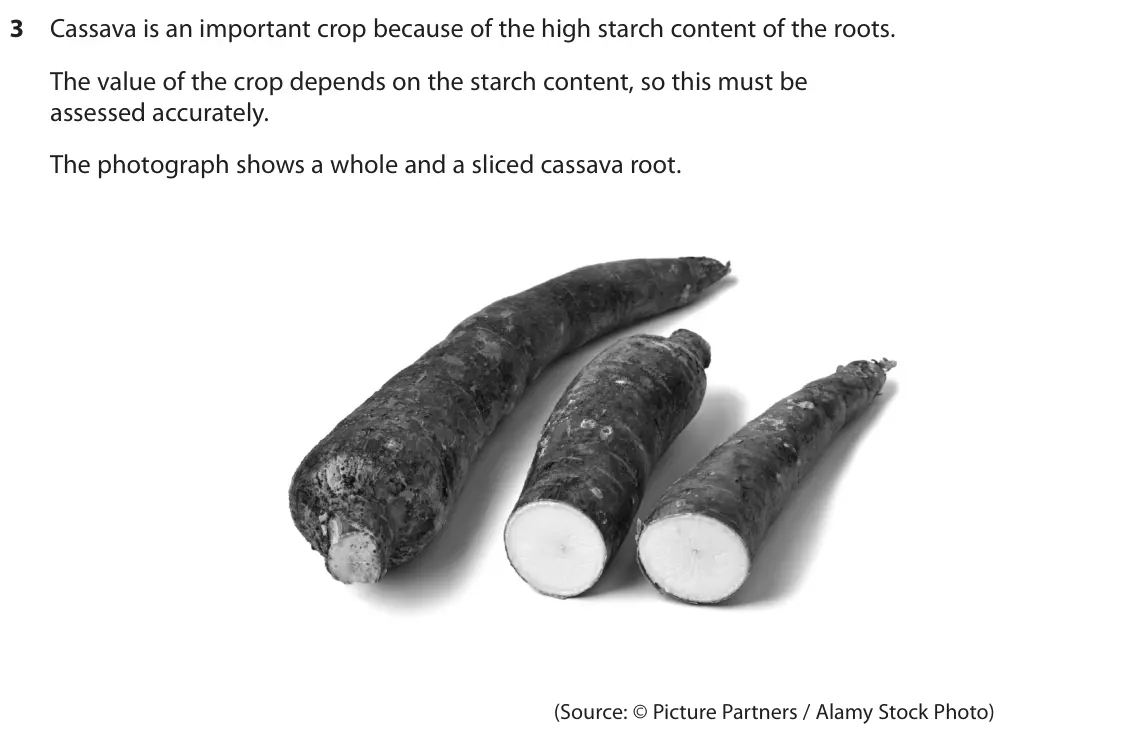
Q4(d)
The whole paper ↗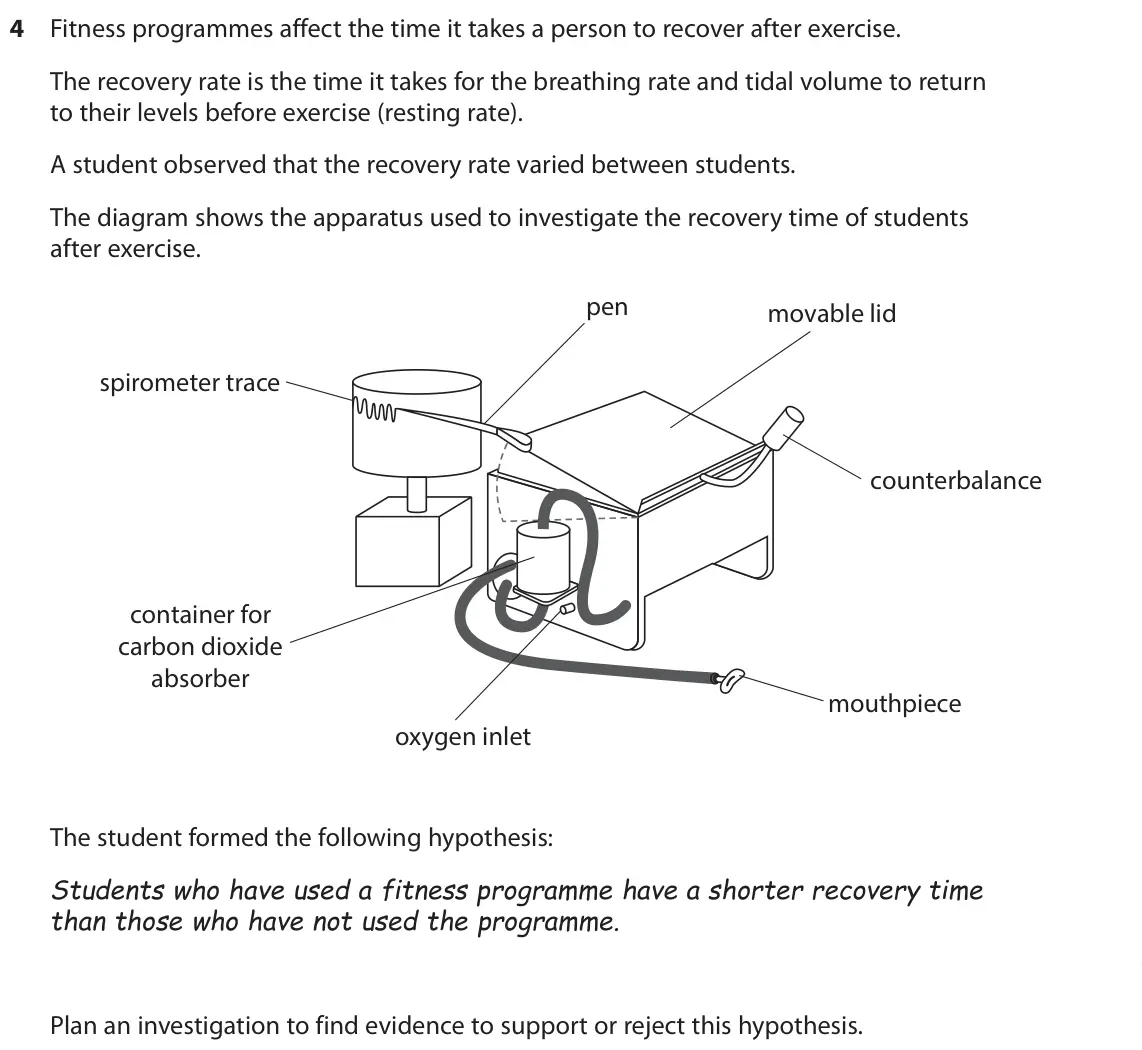
Q3(d)
The whole paper ↗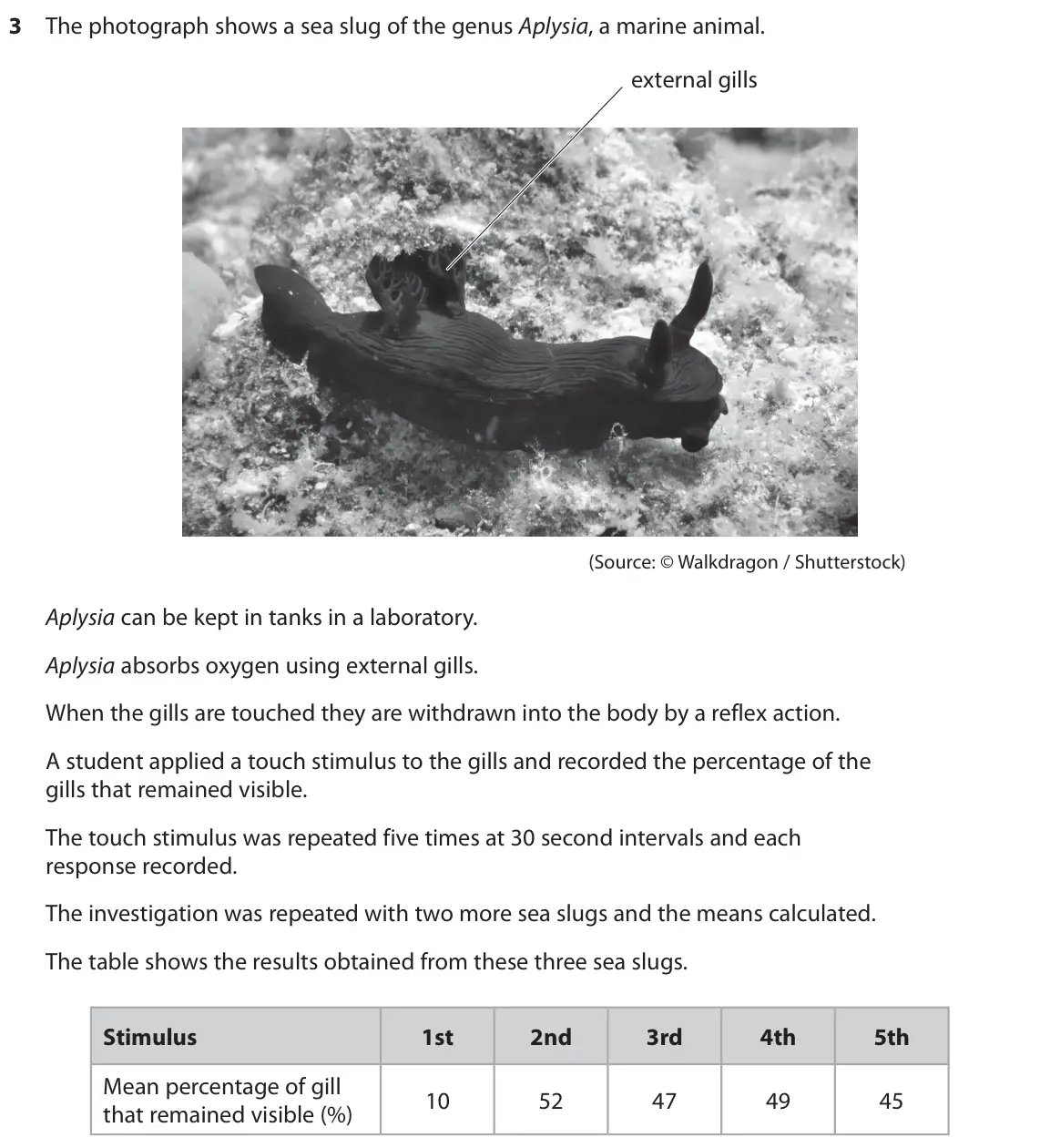
Q4(d)
The whole paper ↗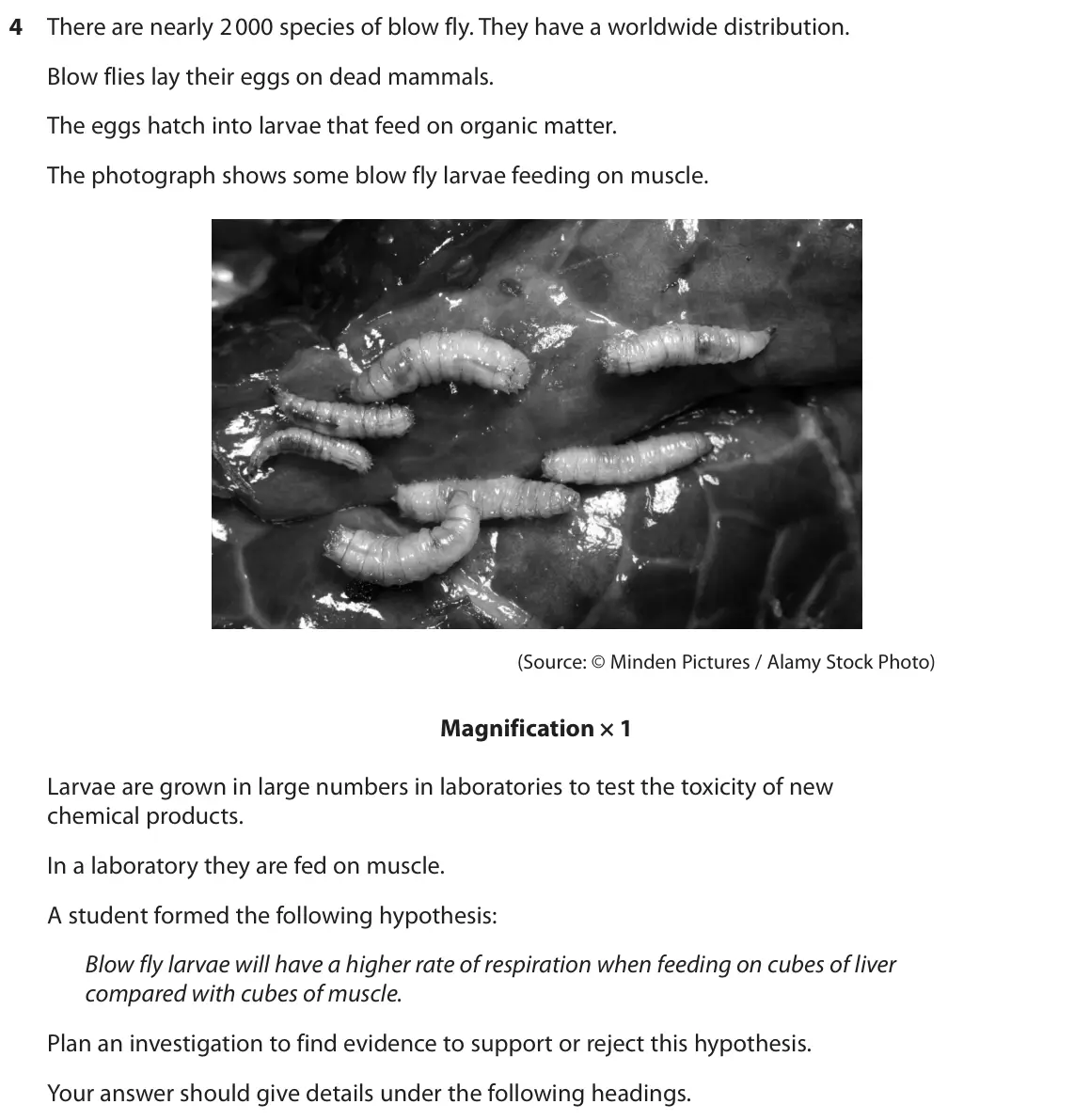
Q1(b)(iii)
The whole paper ↗
Q1(b)(iv)
The whole paper ↗Q3(e)
The whole paper ↗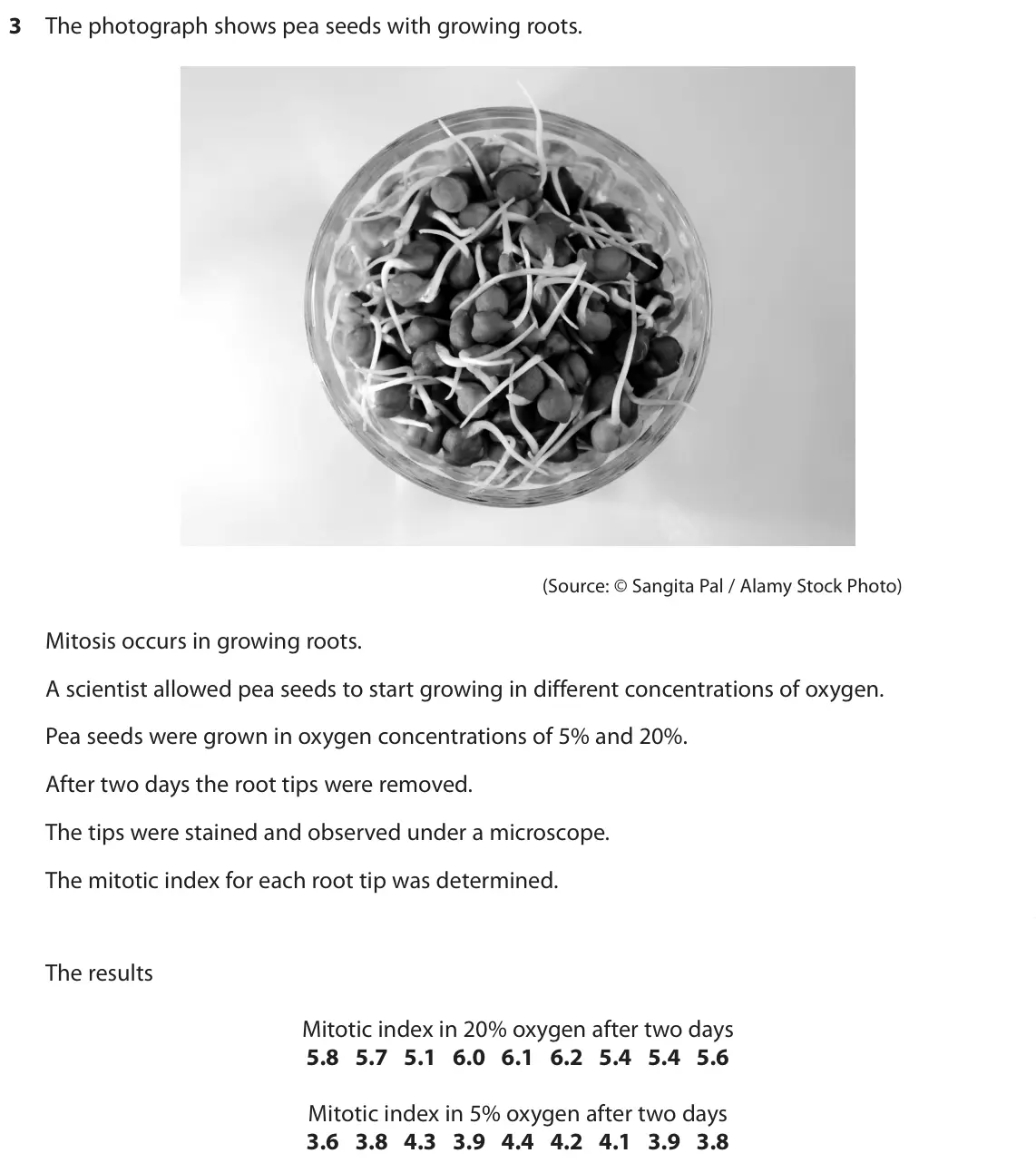
Q4(d)
The whole paper ↗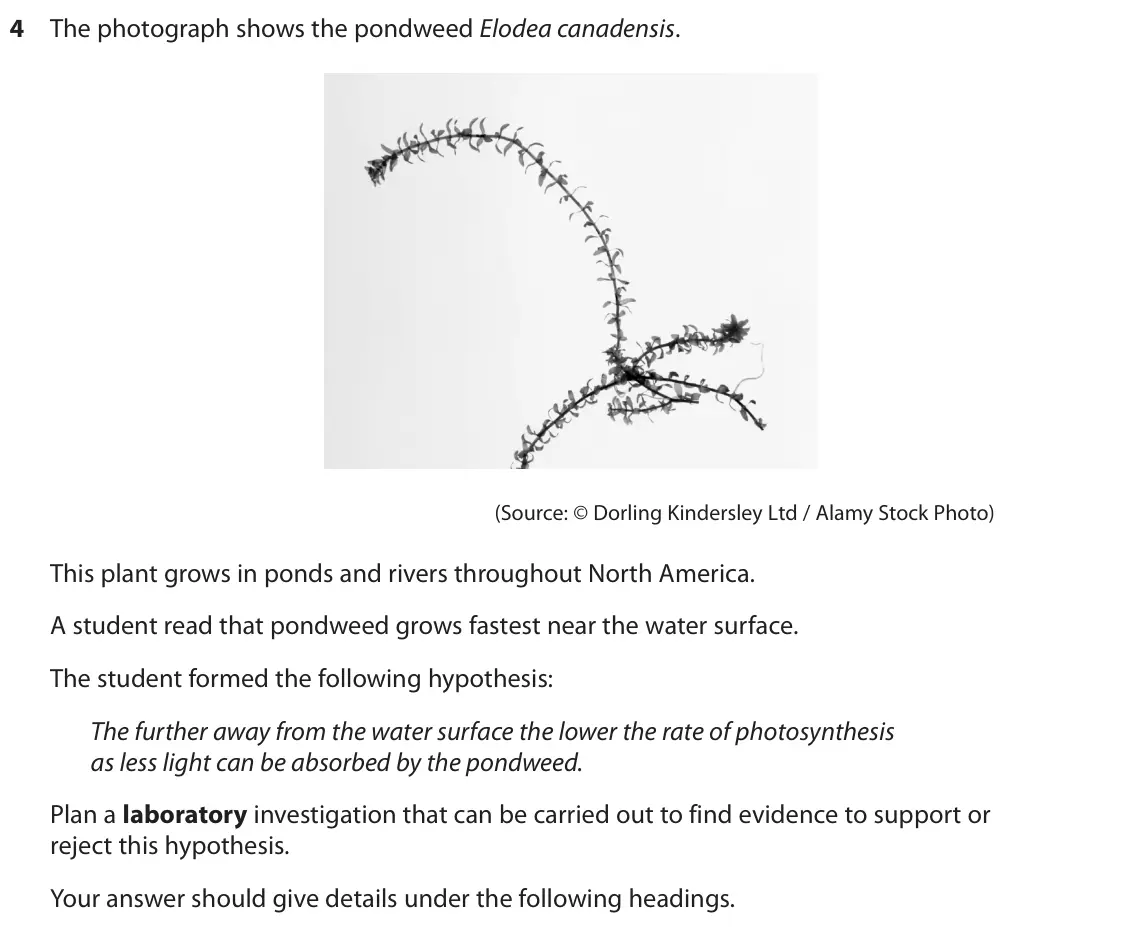
Q3(a)(iii)
The whole paper ↗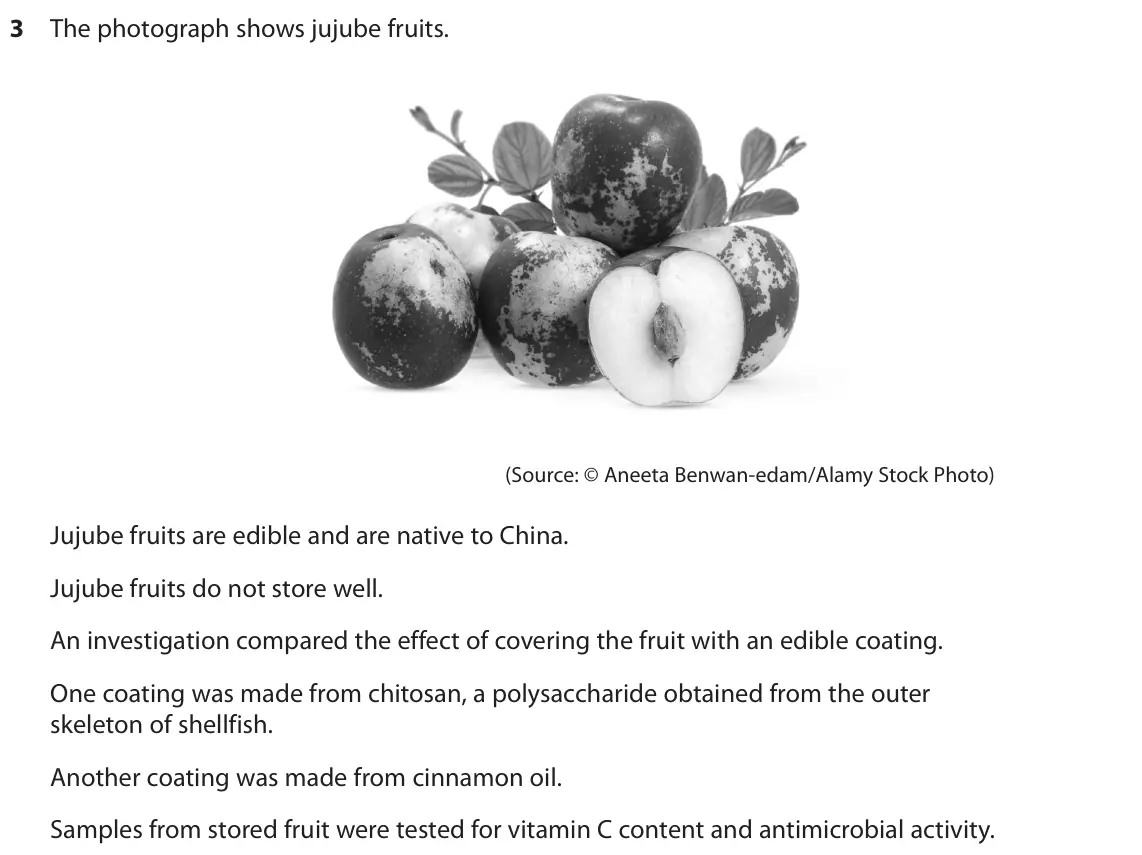
Q3(b)(iii)
The whole paper ↗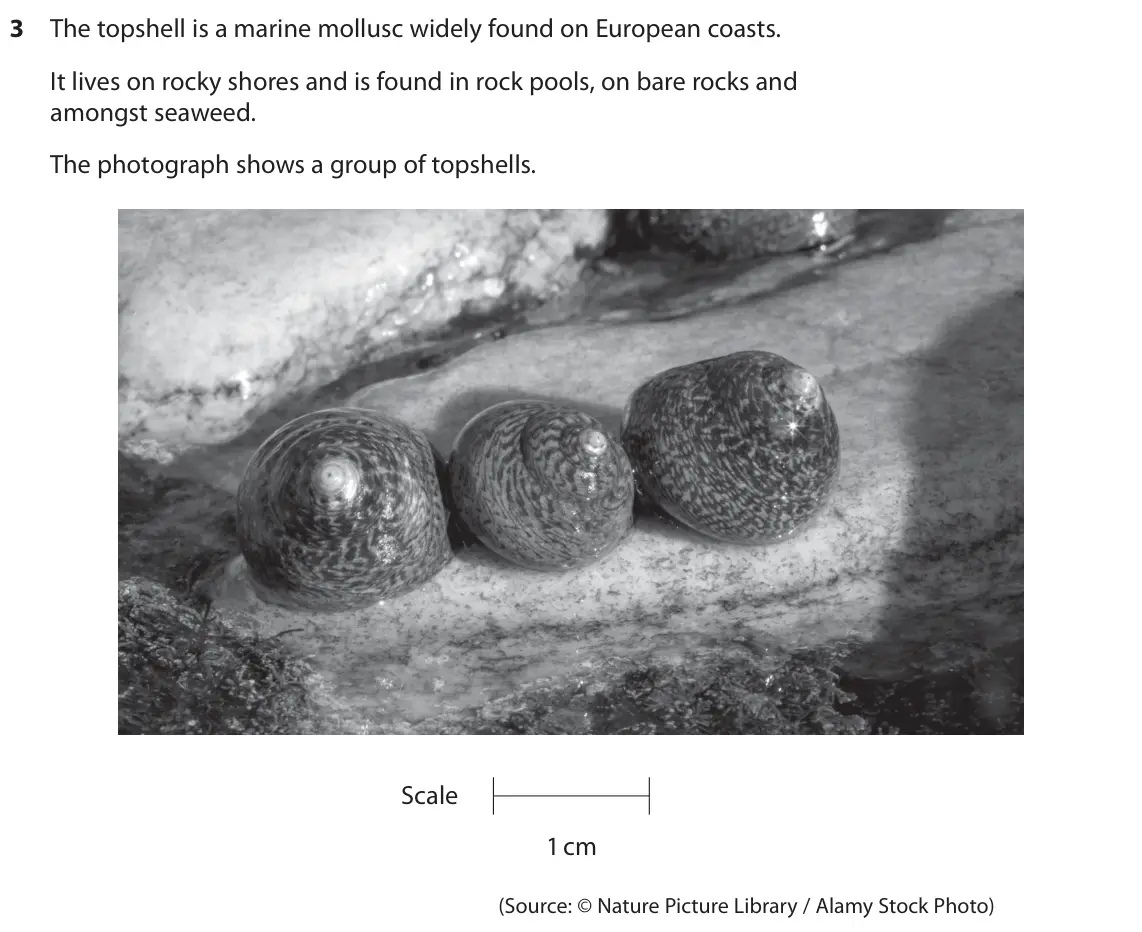
Q4(d)
The whole paper ↗
Q1(c)(iii)
The whole paper ↗
Q3(a)(iv)
The whole paper ↗
Q2(d)
The whole paper ↗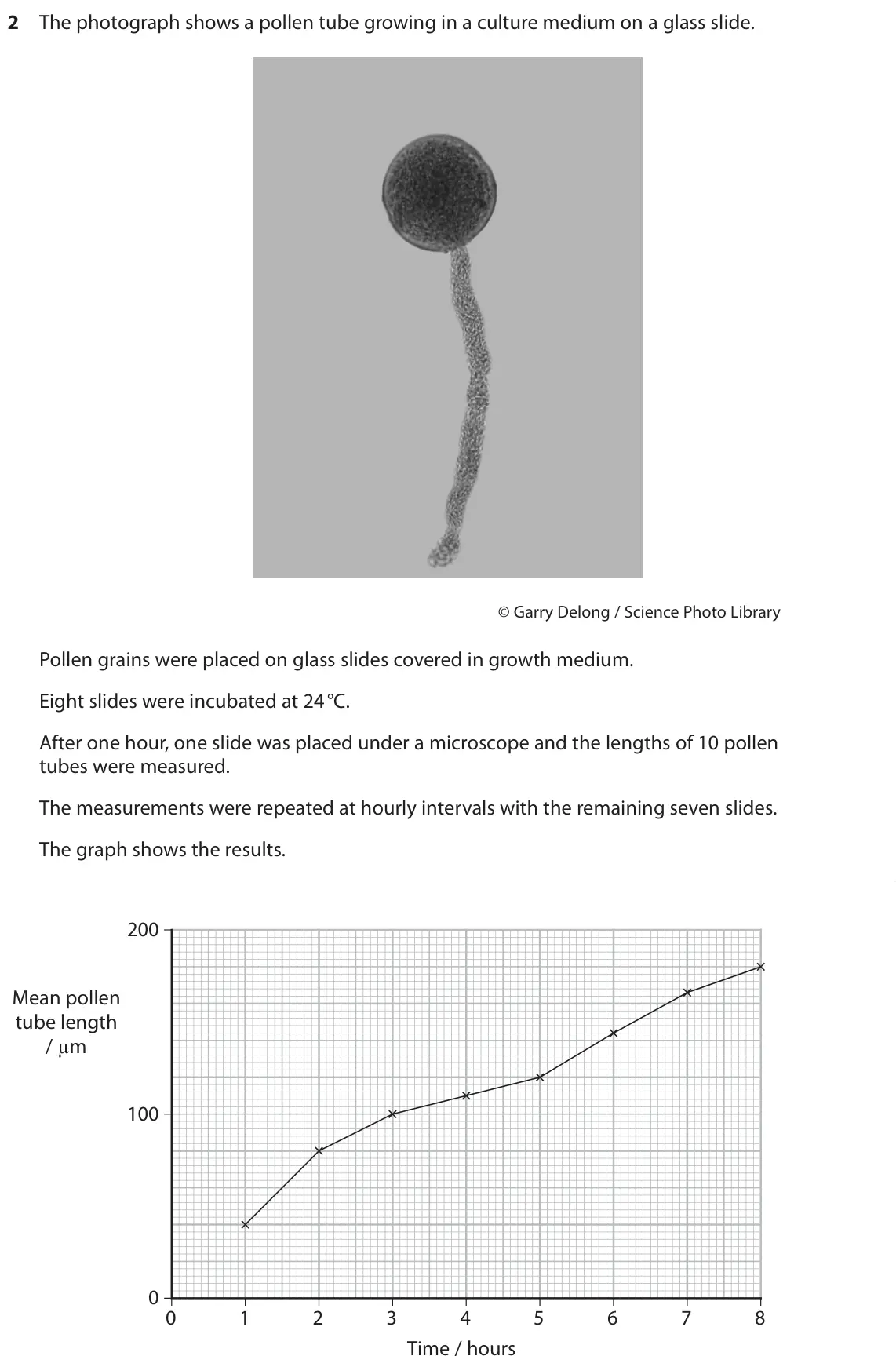
Q3(e)
The whole paper ↗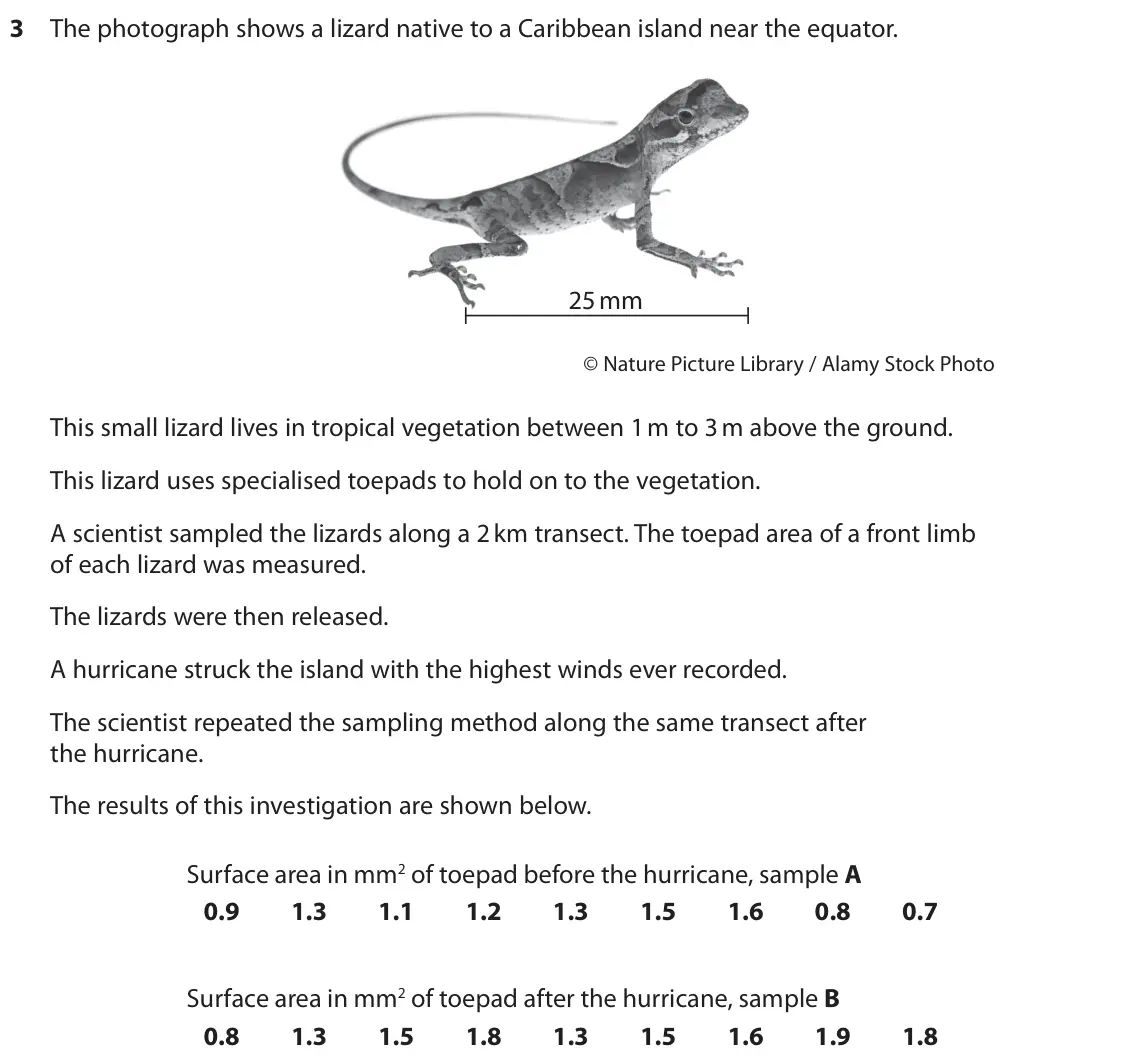
Q4(d)
The whole paper ↗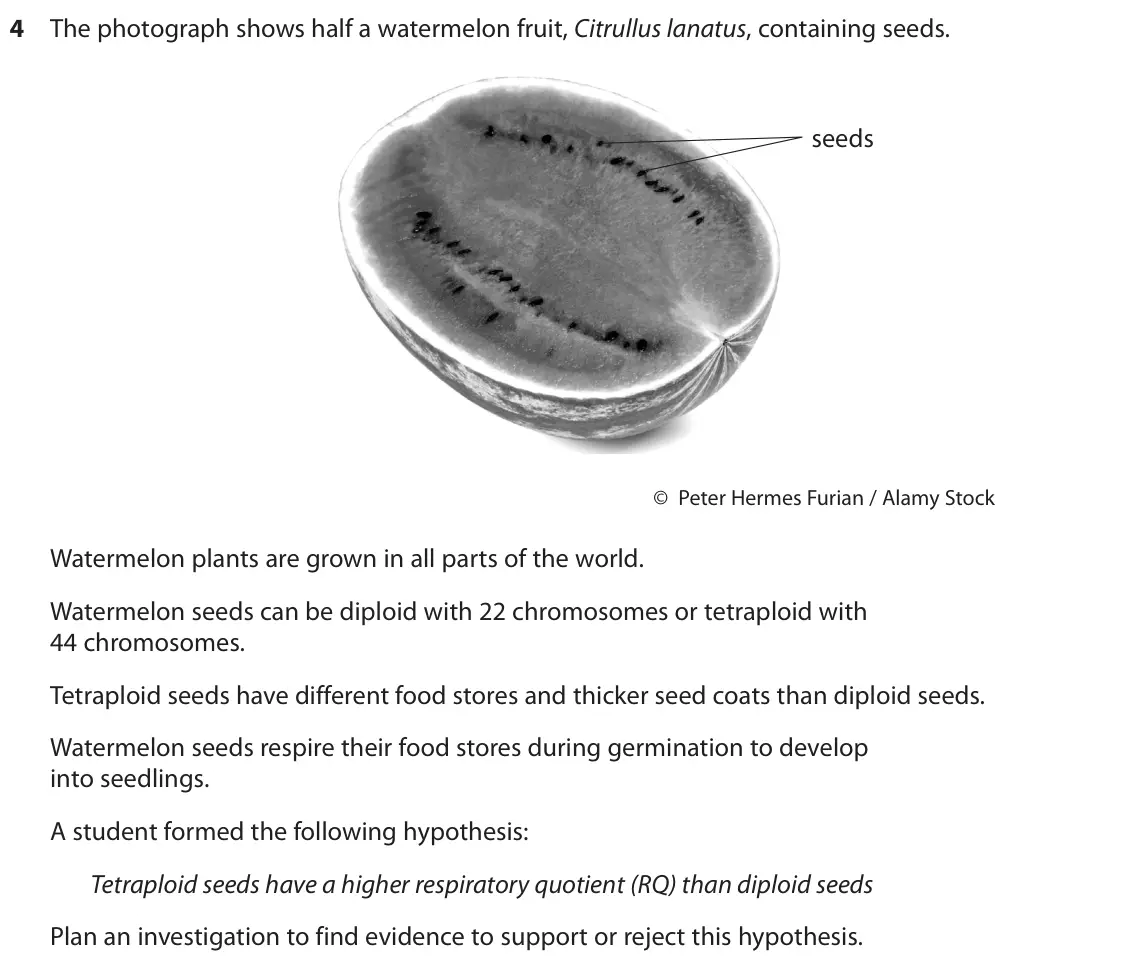
Q9(b)(ii)
The whole paper ↗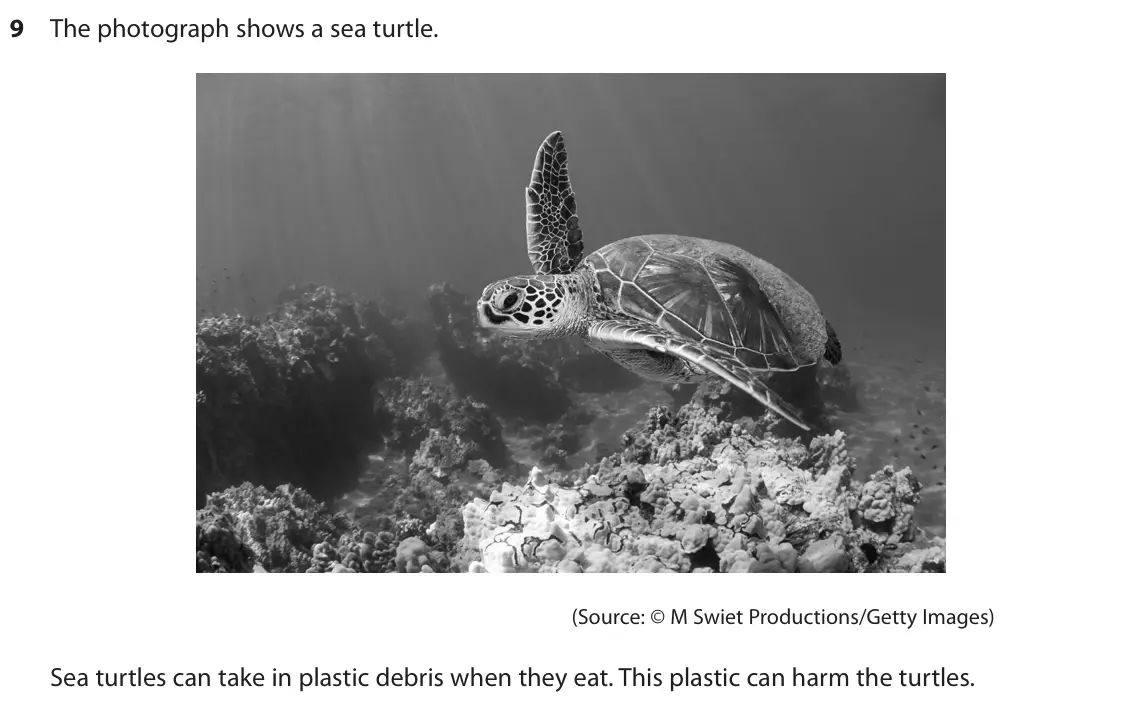
Q7(b)(ii)
The whole paper ↗
Q3(e)
The whole paper ↗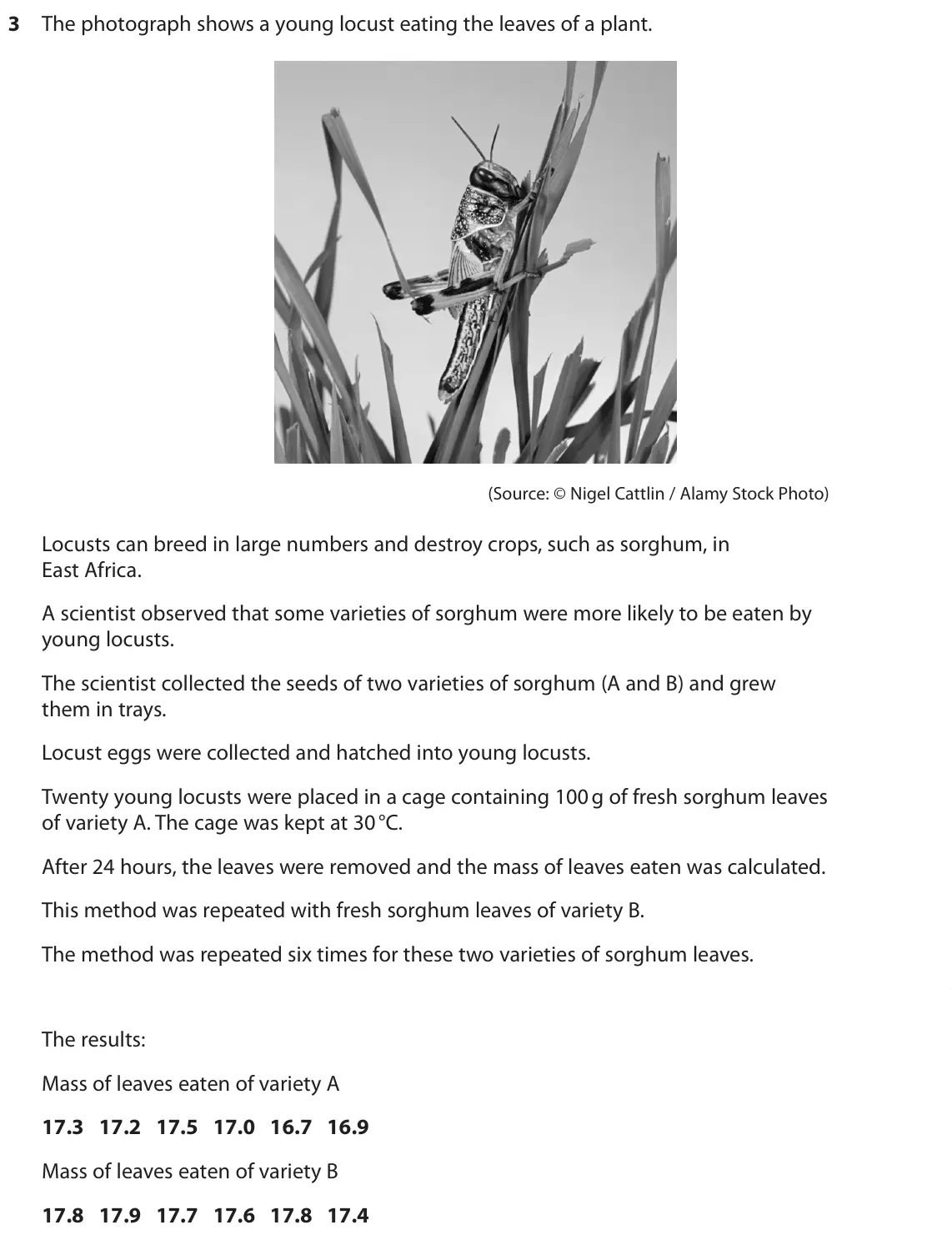
Q4(d)
The whole paper ↗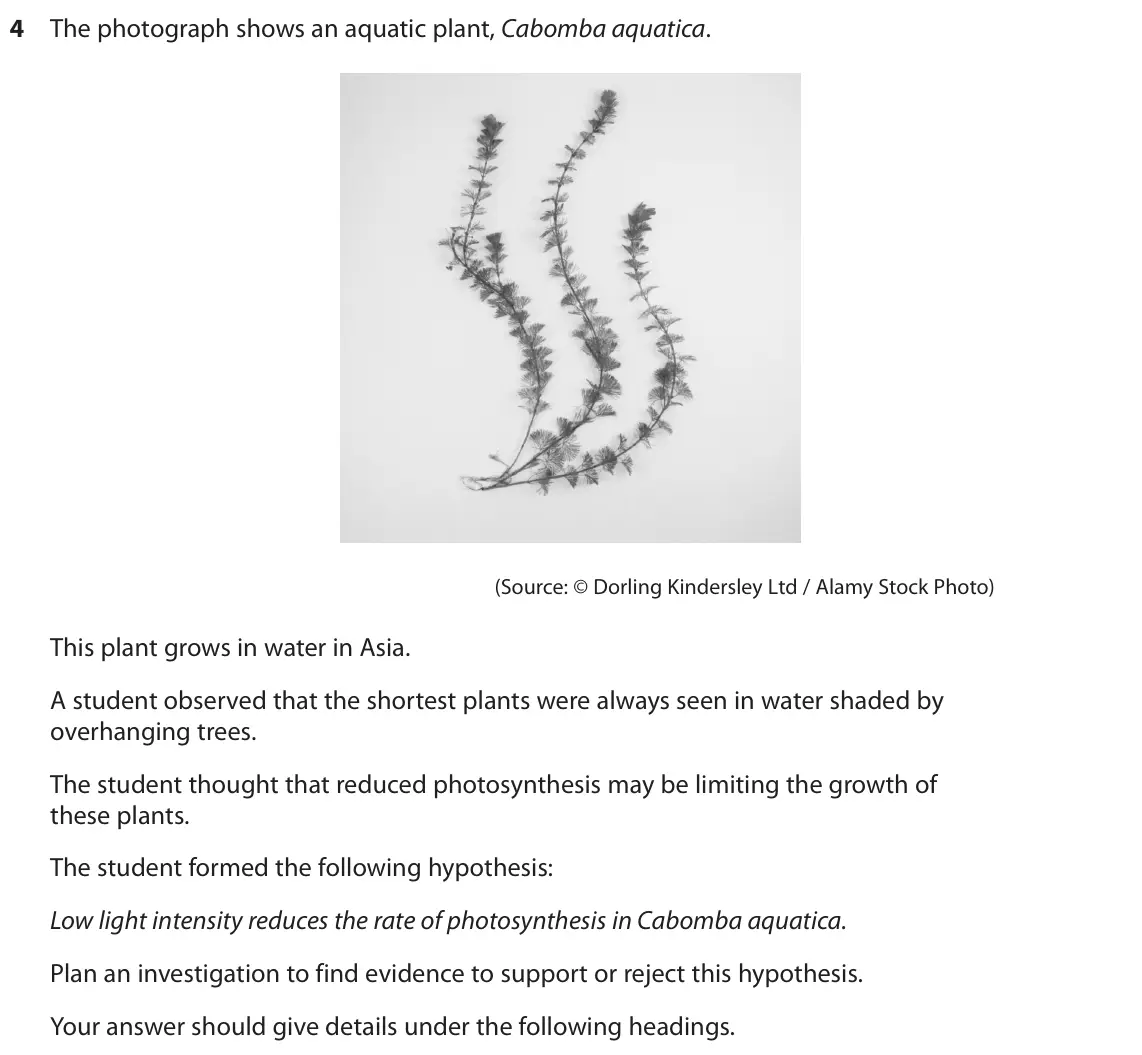
All 45 questions on Errors, uncertainties and improvements, as a list
- June 2025, AS Unit 3, Q3(b)(iii) (3 marks): Describe how this investigation could be extended to determine the variability in the concentration of starch in different cassava roots. (3)
- June 2025, Unit 6, Q4(d) (2 marks): Describe two limitations of your proposed method. (2)
- January 2025, Unit 6, Q3(d) (2 marks): Describe how the student could extend this investigation to collect more data to either support or reject the null hypothesis, in part (a). (2)
- January 2025, Unit 6, Q4(d) (2 marks): Suggest two limitations of your proposed method. (2)
- October 2024, AS Unit 3, Q1(b)(iii) (2 marks): Explain what the value for the standard deviation at 30°C means in this investigation. (2) Value of standard deviation Explanation
- October 2024, AS Unit 3, Q1(b)(iv) (2 marks): Justify conclusions about the changes in mean rate of starch synthesis between 20°C and 25°C and between 25°C and 30°C. (2) 20°C and 25°C 25°C and 30°C
- October 2024, Unit 6, Q3(e) (2 marks): Describe how the scientist could extend this investigation to collect more data to either support or reject the hypothesis. (2)
- October 2024, Unit 6, Q4(d) (2 marks): Suggest two limitations of your proposed method. (2)
- June 2024, AS Unit 3, Q3(a)(iii) (3 marks): This data has no indication of repeatability. Describe how data could have been collected in this investigation and presented to show its repeatability. (3)
- June 2024, Unit 6, Q3(b)(iii) (3 marks): Justify three improvements that could be made to this investigation. (3)
- June 2024, Unit 6, Q4(d) (3 marks): Suggest three limitations of your proposed method. (3)
- January 2024, AS Unit 3, Q1(c)(iii) (3 marks): It was concluded that the vitamin C content of the leaves is affected by the soil type and season in which the plants are grown. Comment on this conclusion. (3)
- January 2024, AS Unit 3, Q3(a)(iv) (2 marks): Suggest how this investigation could be adapted to increase the accuracy of the estimate. (2)
- January 2024, Unit 6, Q2(d) (2 marks): Describe how this method can be modified to investigate the effect of age of pollen on the rate of growth of pollen tubes. (2)
- January 2024, Unit 6, Q3(e) (2 marks): Describe how the scientist could extend this investigation to collect more data to either support or reject the hypothesis. (2)
- January 2024, Unit 6, Q4(d) (2 marks): Suggest two limitations of your proposed method. (2)
- October 2023, Unit 4, Q9(b)(ii) (2 marks): Describe two limitations of using this graph to determine the probability of death due to the ingestion of plastic. (2)
- October 2023, Unit 5, Q7(b)(ii) (2 marks): Comment on the validity of conclusions drawn from the data for these two groups of ostrich. (2)
- October 2023, Unit 6, Q3(e) (2 marks): Describe how the student could extend this investigation to collect more data to either support or reject the hypothesis. (2)
- October 2023, Unit 6, Q4(d) (2 marks): Suggest two limitations of your proposed method. (2)
- June 2023, AS Unit 3, Q2(c)(ii) (4 marks): Describe how the investigation could be modified to allow the significance of the difference between the percentage germination for bee collected pollen and han
- June 2023, Unit 6, Q3(e) (2 marks): Describe two ways this investigation could be extended to collect more data to either support or reject the hypothesis. (2)
- June 2023, Unit 6, Q4(d) (2 marks): Describe two limitations of your proposed method. (2)
- January 2023, Unit 6, Q4(d) (3 marks): Suggest three limitations of your proposed method. (3)
- October 2022, Unit 6, Q3(c)(ii) (3 marks): Explain how this investigation could be extended to study the effect of arsenic ions on the growth of wheat plants from germinating wheat grains. (3)
- October 2022, Unit 6, Q4(d) (3 marks): Suggest three limitations of your proposed method. (3)
- June 2022, AS Unit 3, Q2(c)(ii) (4 marks): Describe how this investigation could be modified to determine if the differences between the mitotic indices are significant. (4)
- June 2022, AS Unit 3, Q3(c) (2 marks): Suggest how this investigation could be adapted to produce quantitative data. (2)
- June 2022, Unit 6, Q3(e) (2 marks): Explain why it may not be reasonable to draw valid conclusions from the results of this investigation. (2)
- June 2022, Unit 6, Q4(d) (2 marks): Suggest two limitations of your proposed method. (2)
- January 2022, AS Unit 3, Q3(a)(ii) (1 mark): Suggest how the method could be modified to reduce measurement errors. (1)
- January 2022, Unit 6, Q3(e) (2 marks): Explain why it may not be reasonable to draw valid conclusions from the results of this investigation. (2)
- January 2022, Unit 6, Q4(d) (2 marks): Give two limitations of your proposed method. (2)
- October 2021, Unit 6, Q3(d) (3 marks): Describe three improvements that could be made to this investigation. (3)
- October 2021, Unit 6, Q4(d) (3 marks): Suggest three limitations of your proposed method. (3)
- June 2021, Unit 6, Q2(e) (3 marks): Explain why it may not be reasonable to draw a valid conclusion from the method used in this investigation and the results obtained. (3)
- June 2021, Unit 6, Q3(d) (4 marks): Suggest four limitations of your proposed method. (4)
- January 2021, AS Unit 3, Q2(c)(i) (2 marks): Suggest why counting plants will give an inaccurate result for the growth of duckweed after 14 days. Use the information in the photograph to support your answe
- January 2021, AS Unit 3, Q2(c)(ii) (4 marks): Explain how this investigation could be modified to provide an accurate measure of the growth rate of duckweed. (4)
- January 2021, Unit 6, Q3(c) (2 marks): Suggest two improvements that could be made to this investigation. (2)
- January 2021, Unit 6, Q4(d) (2 marks): Suggest two limitations of your proposed method. (2)
- October 2020, AS Unit 3, Q2(b)(ii) (3 marks): Criticise the conclusion that 5.5 is the optimum pH for this enzyme. (3)
- October 2020, Unit 6, Q2(e) (2 marks): Explain two ways in which this investigation could be improved. (2) 1 2
- October 2020, Unit 6, Q3(e) (3 marks): Suggest three limitations of your proposed method. (3) 1 2 3
- January 2020, Unit 4, Q6(b)(i) (4 marks): Comment on the reliability of the conclusions that can be drawn from this study. (4)
Questions, mark schemes and examiner’s reports are © Pearson Edexcel, from their published past papers. Plumi isn’t affiliated with any exam board. Want whole papers? Edexcel International A Level Biology past papers.
The Plumi iPad app also offers exam-style questions with AI feedback on your handwritten working.