 plumi
Collision theory: AQA A‑Level Chemistry questions
AQA A-Level Chemistry past-paper questions on 3.1.5.1 Collision theory, 2008–2025, with mark schemes and examiner’s reports where available.
Paper
All papers
Exam
All years
Calculations
Q01.2
The whole paper ↗
Q01.3
The whole paper ↗Q1(a)(i)
The whole paper ↗Q1(a)(ii)
The whole paper ↗Q1(b)(i)
The whole paper ↗Q1(b)(ii)
The whole paper ↗Q3(d)
The whole paper ↗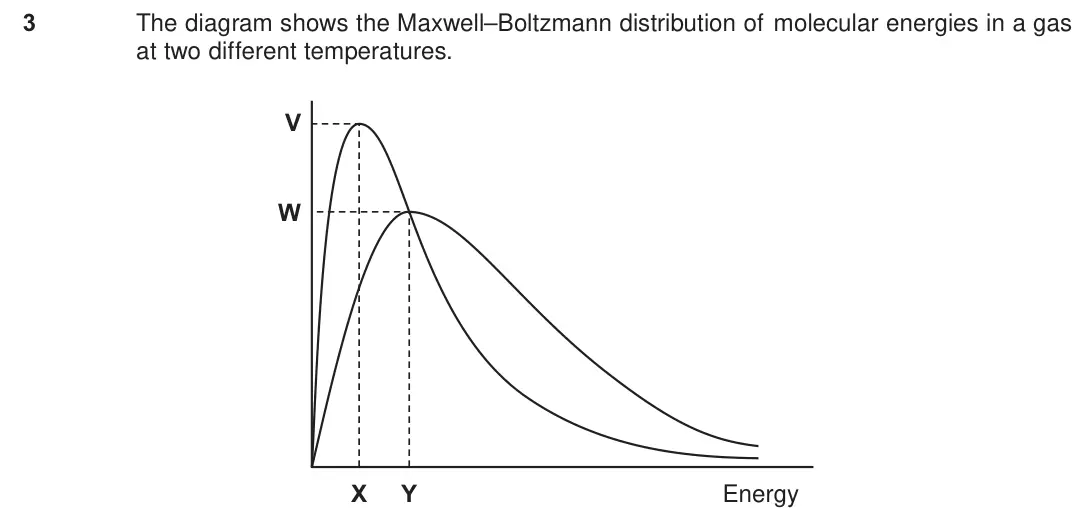
Q1(a)
The whole paper ↗
Q2(f)
The whole paper ↗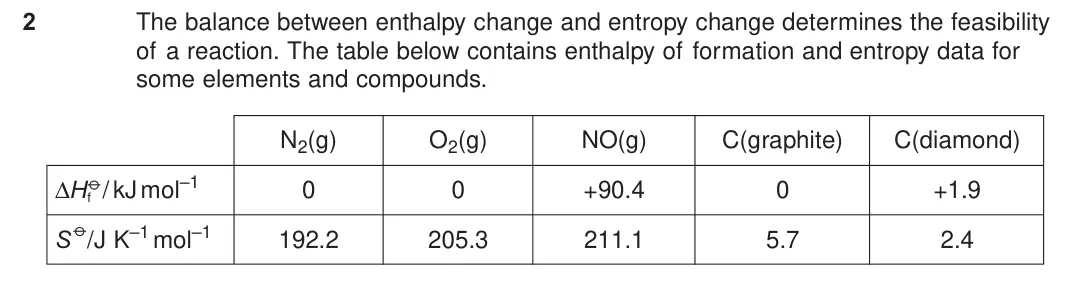
Q1(a)(iv)
The whole paper ↗
Q5(a)(ii)
The whole paper ↗
Q1(a)
The whole paper ↗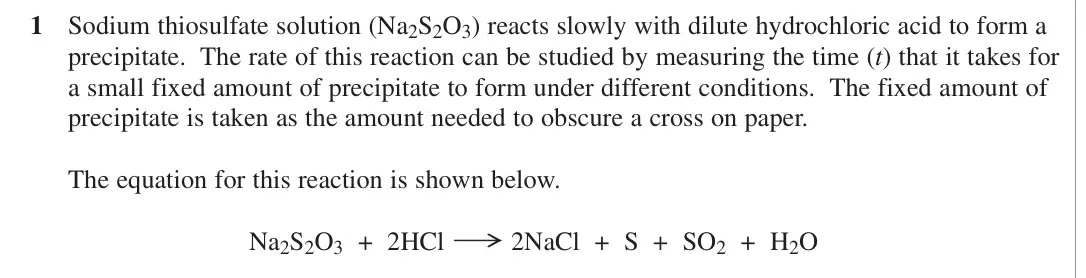
Q1(b)
The whole paper ↗Q1(d)(i)
The whole paper ↗Q1(d)(ii)
The whole paper ↗Q2(b)(ii)
The whole paper ↗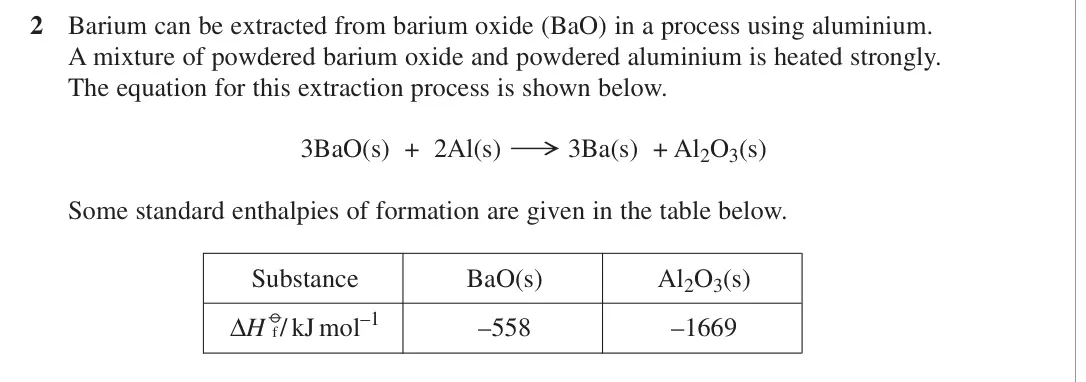
Q5(a)
The whole paper ↗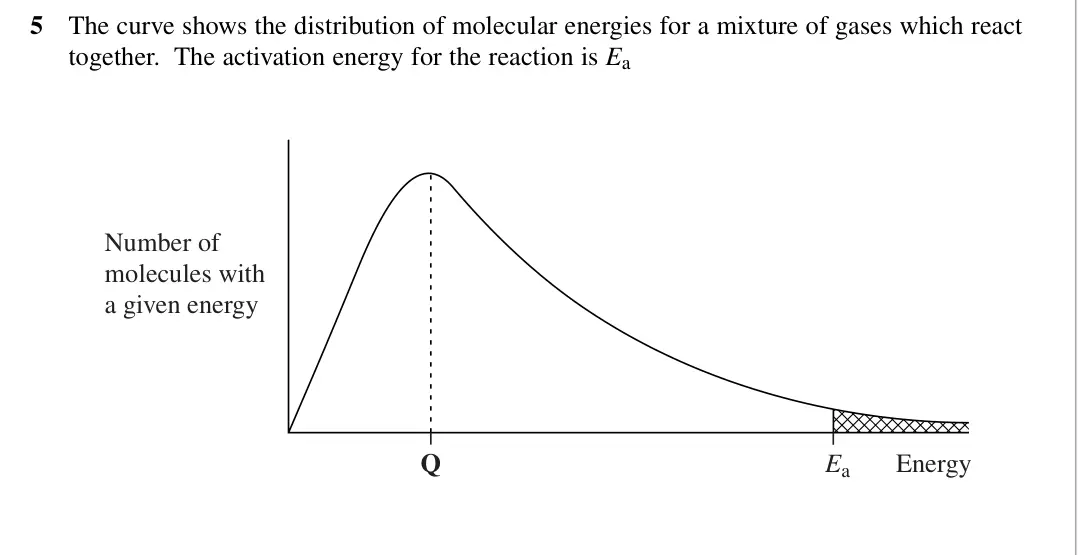
Q4(c)
The whole paper ↗
All 19 questions on Collision theory, as a list
- November 2021, Paper 3, Q18 (1 mark): A mixture of 2 dm3 of hydrogen and 1 dm3 of oxygen is at room temperature. Which statement is correct? [1 mark] A There is no reaction to form water because the
- June 2018, AS Paper 2, Q01.2 (2 marks): Draw two lines on Figure 1 to show how the volume of oxygen collected varied with time in Experiments 2 and 3. Label each line with the experiment number. [2 ma
- June 2018, AS Paper 2, Q01.3 (2 marks): Explain, in terms of collision theory, the effect of increasing the concentration of hydrogen peroxide on the rate of reaction. [2 marks]
- January 2013, CHEM2 (old spec), Q1(a)(i) (1 mark): State the meaning of the term rate of reaction. (1 mark)
- January 2013, CHEM2 (old spec), Q1(a)(ii) (2 marks): State and explain what has happened to the rate of this reaction at point W in Figure 1.
- January 2013, CHEM2 (old spec), Q1(b)(i) (1 mark): State the meaning of the term activation energy. (1 mark)
- January 2013, CHEM2 (old spec), Q1(b)(ii) (2 marks): Complete Figure 2 by drawing the shape of the reaction profile from reactants to products for an exothermic reaction. Show the position of the products. Show an
- January 2012, CHEM2 (old spec), Q3(d) (2 marks): Explain what must happen for a reaction to occur between molecules of two different gases.
- June 2011, CHEM2 (old spec), Q1(a) (2 marks): Give the meaning of the term activation energy.
- January 2011, CHEM5 (old spec), Q2(f) (1 mark): At temperatures below the value calculated in part 2 (e), decomposition of NO into its elements should be spontaneous. However, in car exhausts this decompositi
- June 2010, CHEM2 (old spec), Q1(a)(iv) (2 marks): In terms of p and q, identify the following for this equilibrium without a catalyst. A value for the activation energy for the forward reaction A value for the
- January 2010, CHEM2 (old spec), Q5(a)(ii) (1 mark): Suggest a reason why the catalyst must be hot. (1 mark)
- June 2009, CHEM2 (old spec), Q1(a) (1 mark): 1 (a) Identify the insoluble product of this reaction which forms the precipitate. (1 mark)
- June 2009, CHEM2 (old spec), Q1(b) (2 marks): 1 (b) When this reaction takes place, the collision between the reacting particles requires an activation energy. State what is meant by the term activation ene
- June 2009, CHEM2 (old spec), Q1(d)(i) (1 mark): 1 (d) (i) State what is meant by the term rate of reaction. (1 mark)
- June 2009, CHEM2 (old spec), Q1(d)(ii) (1 mark): 1 (d) (ii) Consider the description of the way in which this experiment is carried out. Use your understanding of the term rate of reaction to explain why it is
- June 2009, CHEM2 (old spec), Q2(b)(ii) (1 mark): 2 (b) (ii) Using barium oxide and aluminium powders increases the surface area of the reactants. Suggest one reason why this increases the rate of reaction. (1
- June 2008, CHM2 (2008 spec), Q5(a) (2 marks): 5 (a) Explain what is meant by the term activation energy. (2 marks)
- January 2008, CHM2 (2008 spec), Q4(c) (5 marks): (c) Gases A and B react together. (i) Explain why collisions between molecules of A and B do not always lead to a reaction. (ii) Explain why increasing the temp
Questions, mark schemes and examiner’s reports are © AQA, from their published past papers. Plumi isn’t affiliated with any exam board. Want whole papers? AQA A-Level Chemistry past papers.
The Plumi iPad app also offers exam-style questions with AI feedback on your handwritten working.