 plumi
Electrostatic and gravitational fields of force: WJEC A‑Level Physics questions
Every WJEC A-Level Physics exam question on 4.2 Electrostatic and gravitational fields of force, 2016–2025, with its mark scheme and examiner’s report.
Find questions1,173
Calculations
Q1(a)
The whole paper ↗
Q1(b)
The whole paper ↗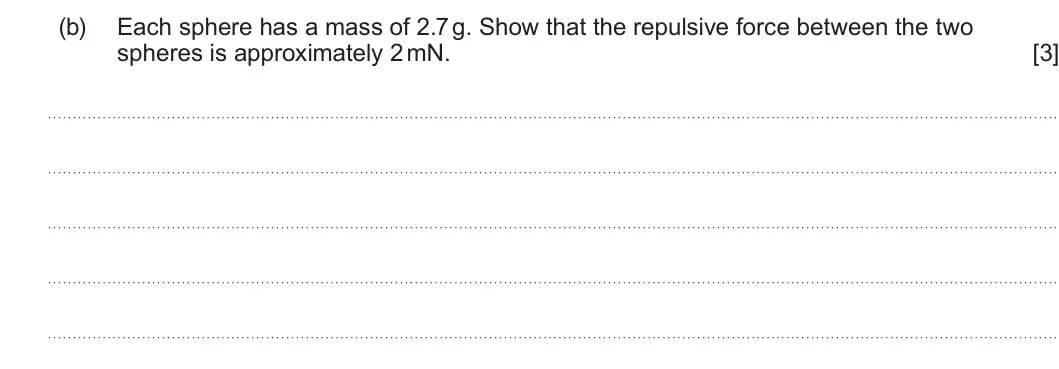
Q1(c)
The whole paper ↗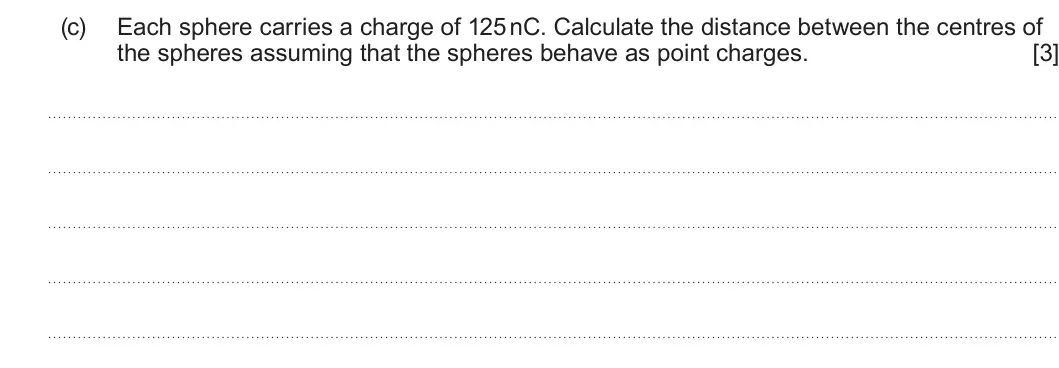
Q1(d)(i)
The whole paper ↗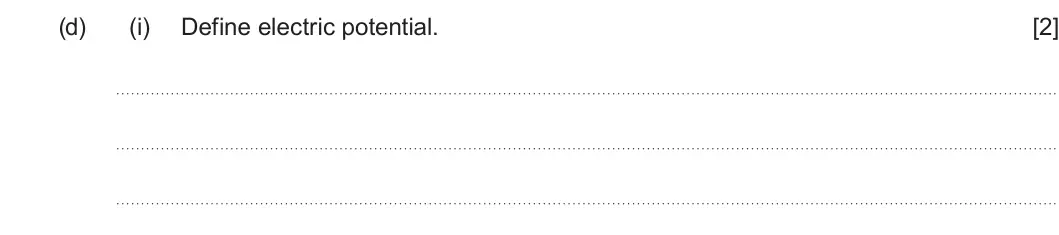
Q1(d)(ii)
The whole paper ↗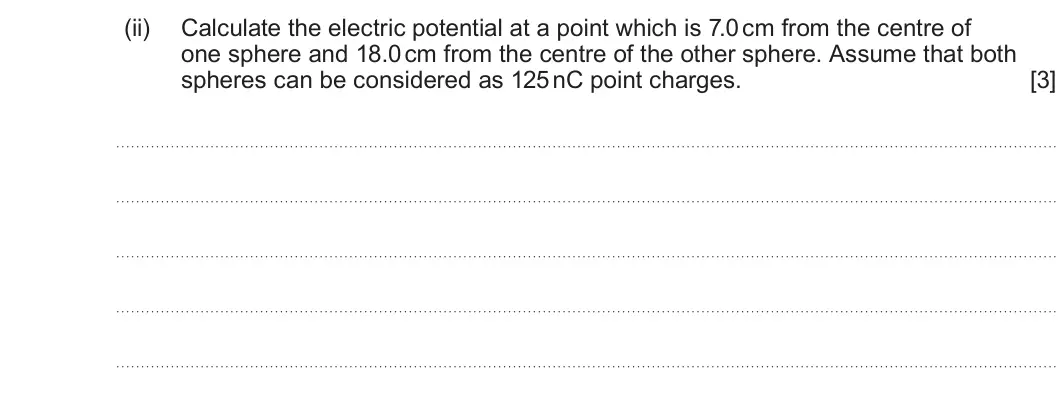
Q2(a)
The whole paper ↗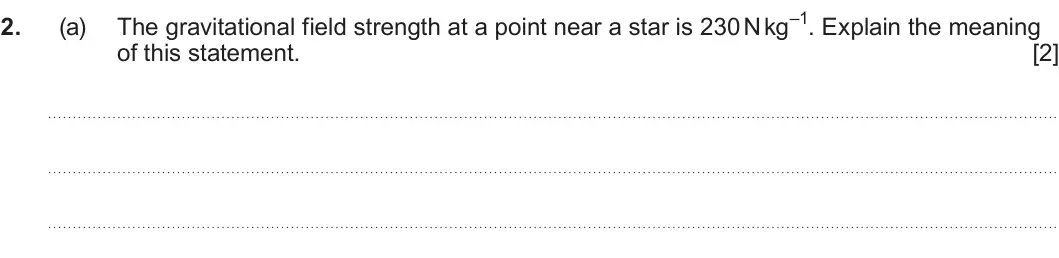
Q2(b)
The whole paper ↗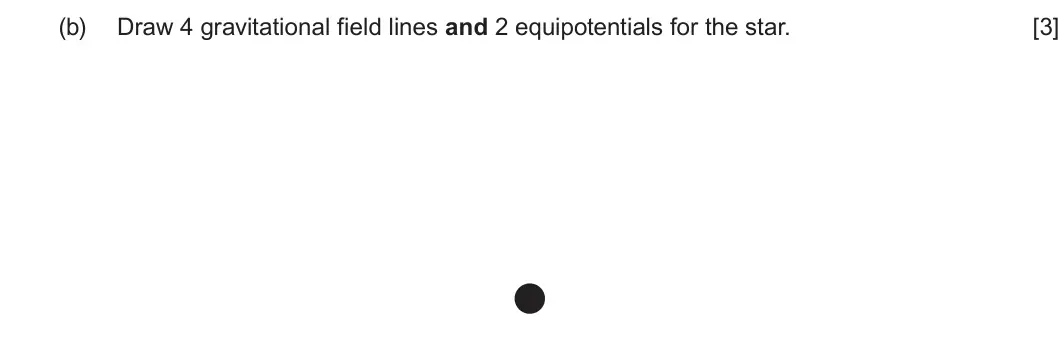
Q2(c)
The whole paper ↗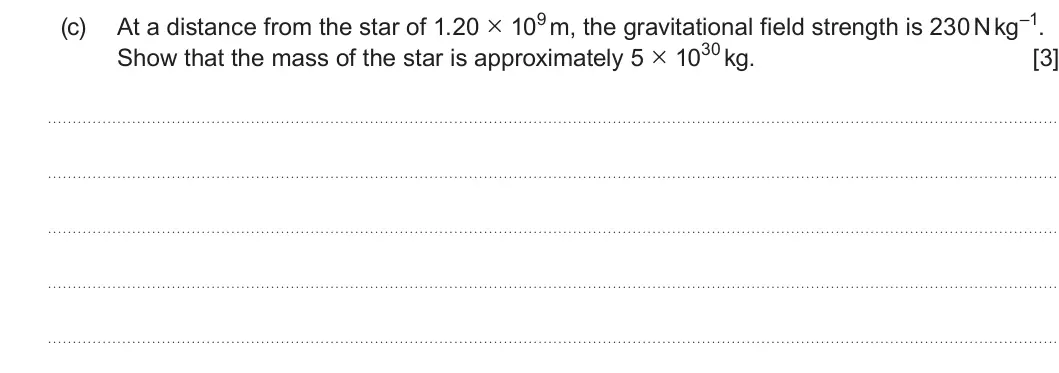
Q4(a)(i)
The whole paper ↗
Q4(a)(ii)
The whole paper ↗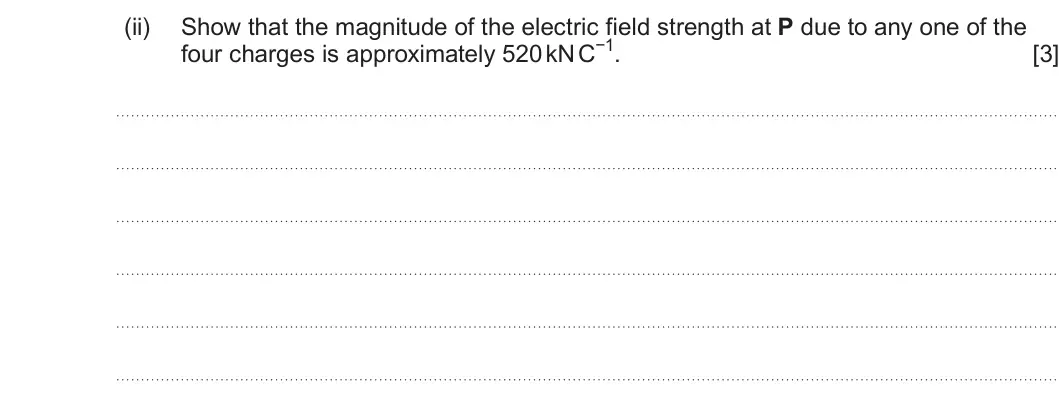
Q4(a)(iii)
The whole paper ↗
Q4(b)(i)
The whole paper ↗
Q4(b)(ii)
The whole paper ↗
Q4(b)(iii)
The whole paper ↗
Q4(b)(iv)
The whole paper ↗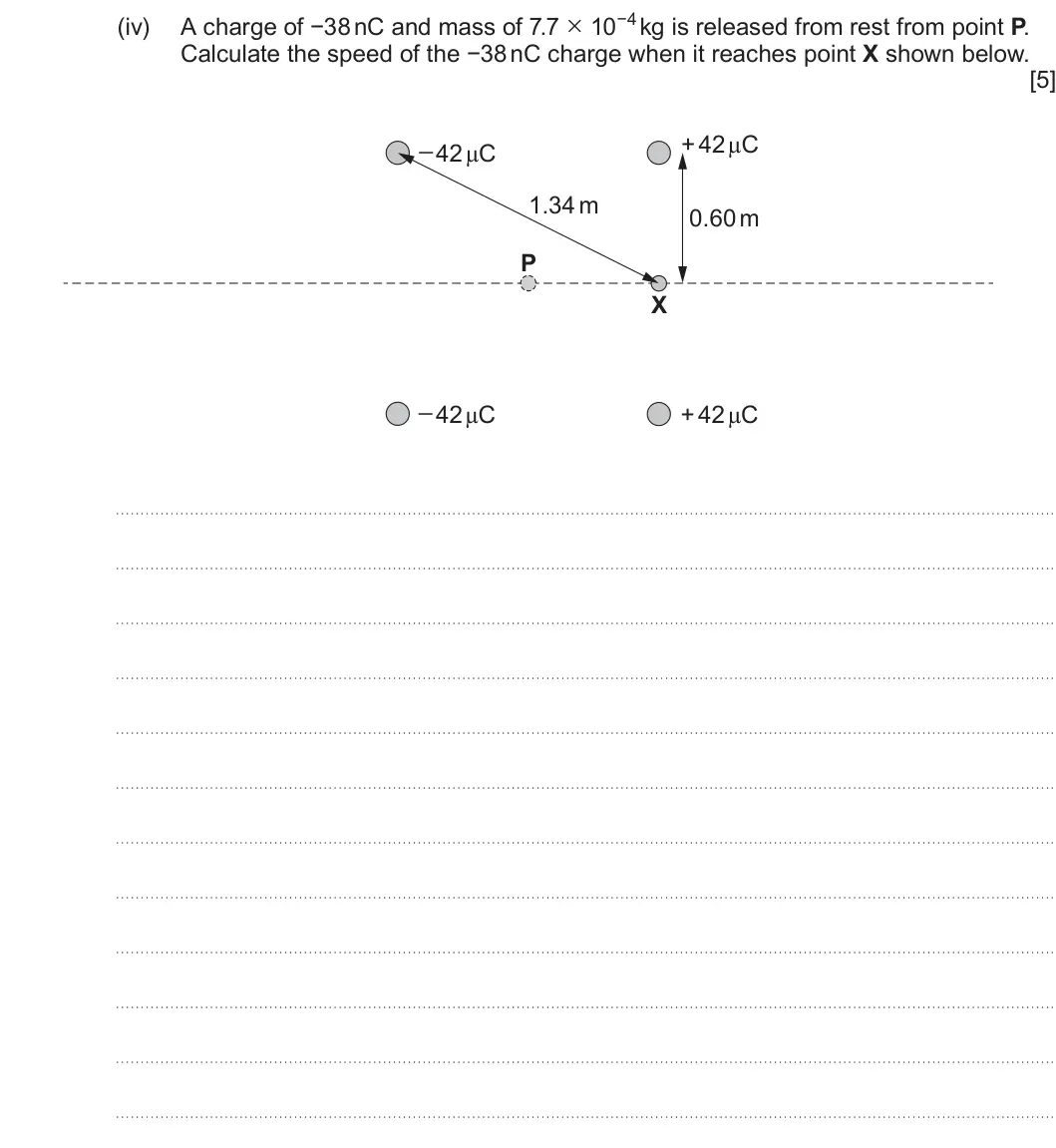
Q3(c)(i)
The whole paper ↗
Q3(c)(ii)
The whole paper ↗
Q6(a)(i)
The whole paper ↗
Q6(a)(ii)
The whole paper ↗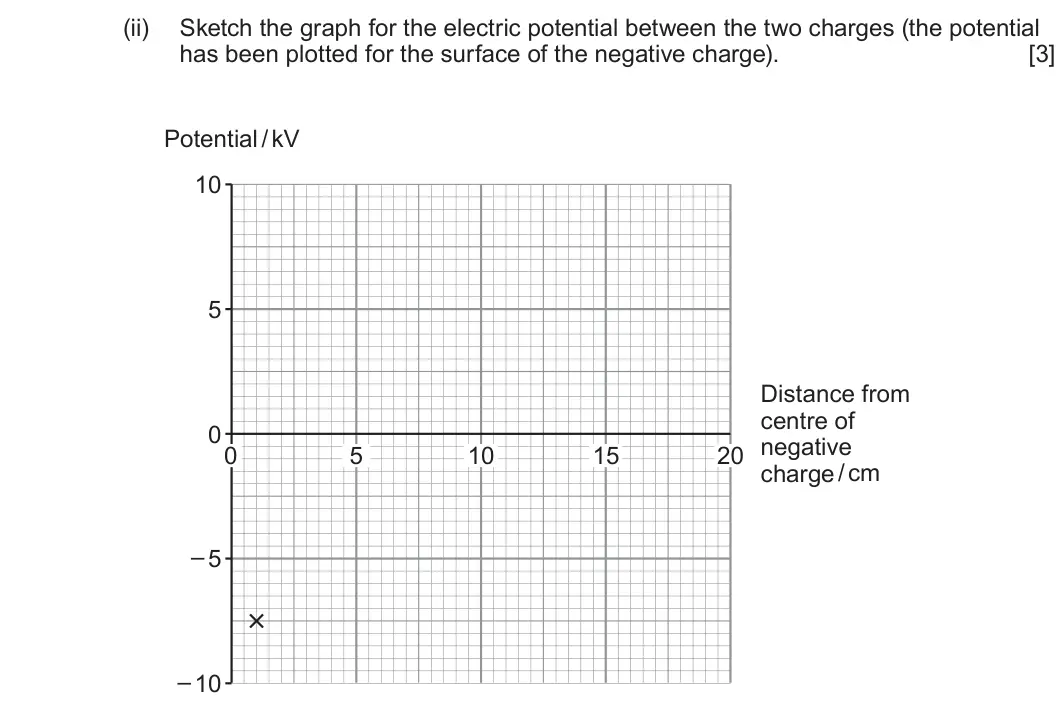
Q6(b)
The whole paper ↗
All 41 questions on Electrostatic and gravitational fields of force, as a list
- Summer 2025, Unit 4, Q1(a) (1 mark): The vertical forces are balanced. Explain why the tension, T, in each thread is almost exactly equal to the weight of the spheres. [1]
- Summer 2025, Unit 4, Q1(b) (3 marks): Each sphere has a mass of 2.7 g. Show that the repulsive force between the two spheres is approximately 2 mN. [3]
- Summer 2025, Unit 4, Q1(c) (3 marks): Each sphere carries a charge of 125 nC. Calculate the distance between the centres of the spheres assuming that the spheres behave as point charges. [3]
- Summer 2025, Unit 4, Q1(d)(i) (2 marks): Define electric potential. [2]
- Summer 2025, Unit 4, Q1(d)(ii) (3 marks): Calculate the electric potential at a point which is 7.0 cm from the centre of one sphere and 18.0 cm from the centre of the other sphere. Assume that both sphe
- Summer 2025, Unit 4, Q2(a) (2 marks): of this statement. [2]
- Summer 2025, Unit 4, Q2(b) (3 marks): Draw 4 gravitational field lines and 2 equipotentials for the star. [3]
- Summer 2025, Unit 4, Q2(c) (3 marks): Show that the mass of the star is approximately 5 × 1030 kg. [3]
- Summer 2024, Unit 4, Q4(a)(i) (1 mark): Define electric field strength. [1]
- Summer 2024, Unit 4, Q4(a)(ii) (3 marks): Show that the magnitude of the electric field strength at P due to any one of the four charges is approximately 520 kN C−1. [3]
- Summer 2024, Unit 4, Q4(a)(iii) (3 marks): Hence, calculate the resultant electric field strength at P and give its direction. [3]
- Summer 2024, Unit 4, Q4(b)(i) (1 mark): Define electric potential. [1]
- Summer 2024, Unit 4, Q4(b)(ii) (2 marks): Explain briefly why the potential energy of the negative charge is zero at P. [2]
- Summer 2024, Unit 4, Q4(b)(iii) (3 marks): Aled states “The negative charge initially accelerates to the right, then slows down but will just about reach infinity if no resistive forces act.” Discuss to
- Summer 2024, Unit 4, Q4(b)(iv) (5 marks): Calculate the speed of the −38 nC charge when it reaches point X shown below. [5] _ 42 μC + 42 μC 1.34 m 0.60 m P X _ 42 μC + 42 μC
- Summer 2023, Unit 4, Q3(c)(i) (3 marks): Show that the gravitational potential at the position of a planet due to the star and the other two planets is approximately –1 × 10¹⁰ J kg–1. [3]
- Summer 2023, Unit 4, Q3(c)(ii) (3 marks): planets, the planet would gain enough energy to escape the gravitational pull of the star. Discuss to what extent Rhodri’s statement might be correct. [3]
- Summer 2023, Unit 4, Q6(a)(i) (3 marks): Show that the potential at the surface of the negative sphere is approximately –7500 V. [3]
- Summer 2023, Unit 4, Q6(a)(ii) (3 marks): Sketch the graph for the electric potential between the two charges (the potential has been plotted for the surface of the negative charge). [3] Potential / kV
- Summer 2023, Unit 4, Q6(b) (3 marks): Explain why the electric field on the right-hand surface of the negative sphere is approximately 810 000 N C–1 and directed towards the left. [3]
- Summer 2022, Unit 4, Q2(a) (3 marks): Draw 2 equipotentials and 4 field lines for both the electric field of the positron and the gravitational field of the anti-neutron shown. [3] Electric field Gr
- Summer 2022, Unit 4, Q2(b) (6 marks): Describe and explain the similarities and differences between electric and gravitational fields. [6 QER]
- Summer 2022, Unit 4, Q3(a) (4 marks): Draw arrows to show the 3 electric fields at P due to the 3 charges. Use these to explain why the electron will accelerate in the direction shown. [4]
- Summer 2022, Unit 4, Q3(b) (4 marks): Calculate the initial acceleration of the electron. [4]
- Summer 2022, Unit 4, Q3(c) (2 marks): Show clearly that the initial potential energy of the electron is approximately –6 × 10–18J. [2]
- Summer 2022, Unit 4, Q3(d) (4 marks): Determine whether or not the electron (initially at rest) will reach point R, shown in the diagram below (both positive charges are 0.60 m from R). Explain your
- Summer 2022, Unit 4, Q5(c) (2 marks): The centre of mass of this two-star system is also the point where the resultant gravitational field strength is zero. Explain why these points only coincide wh
- Summer 2019, Unit 3, Q7(c)(i) (3 marks): Calculate the distance of nearest approach for a 4.7 MeV alpha particle when fired at gold foil (the charge on a gold nucleus is +79e, see paragraph 6). [3]
- Summer 2019, Unit 4, Q2(a) (3 marks): Assuming that the Earth is an isolated perfect sphere, draw its gravitational field lines and equipotential surfaces. [3]
- Summer 2019, Unit 4, Q2(b)(i) (3 marks): Use the information in the diagram to calculate the gravitational potential at point P. [3] ME = 5.97 × 1024 kg MM = 7.37 × 10²² kg P 342 000 km 38 000 km
- Summer 2019, Unit 4, Q2(b)(ii) (2 marks): Use the information in the diagram to show that the resultant gravitational field at point P is very small. [2]
- Summer 2018, Unit 4, Q2(a)(i) (3 marks): Explain how this equation is an application of conservation of energy. [3]
- Summer 2018, Unit 4, Q2(a)(ii) (3 marks): RSun = 6.96 × 10⁸ m). [3]
- Summer 2018, Unit 4, Q2(b)(ii) (2 marks): By considering your answers to (a)(ii) and (b)(i), explain why the Sun has a slight positive charge. [2]
- Summer 2018, Unit 4, Q2(b)(iii) (3 marks): A student claims that a positive charge of approximately 0.08 C on the Sun is enough to produce an electrostatic force equal to the gravitational force on an es
- Summer 2018, Unit 4, Q2(b)(iv) (3 marks): Estimate the percentage of lost electrons compared with the total number of electrons on the Sun. Assume that the Sun is mainly hydrogen and that it has lost 0.
- Summer 2017, Unit 4, Q2(a) (2 marks): Draw two arrows on the diagram to represent the directions of the electric fields at C due to the –21 μC and +28 μC charges. [2]
- Summer 2017, Unit 4, Q2(b) (5 marks): Calculate the magnitude and direction of the resultant electric field at C. [5]
- Summer 2017, Unit 4, Q2(c) (2 marks): Show that the electrical potential at point C is zero. [2]
- Summer 2017, Unit 4, Q2(d) (3 marks): A positron is initially at rest at point C and accelerates rapidly due to the electric field. Calculate the potential at the point where the velocity of the pos
- Summer 2017, Unit 4, Q3(c)(i) (2 marks): Calculate the potential energy of the star-planet system (see diagram in part (a)). [2]
Questions, mark schemes and examiner’s reports are © WJEC CBAC Ltd, from their published past papers. Plumi isn’t affiliated with any exam board. Want whole papers? Every WJEC A-Level Physics paper.
Rather write your answers by hand on iPad? Plumi marks them against the same mark schemes.