 plumi
Capacitance: WJEC A‑Level Physics questions
Every WJEC A-Level Physics exam question on 4.1 Capacitance, 2016–2025, with its mark scheme and examiner’s report.
Find questions1,173
Calculations
Q6(a)(i)
The whole paper ↗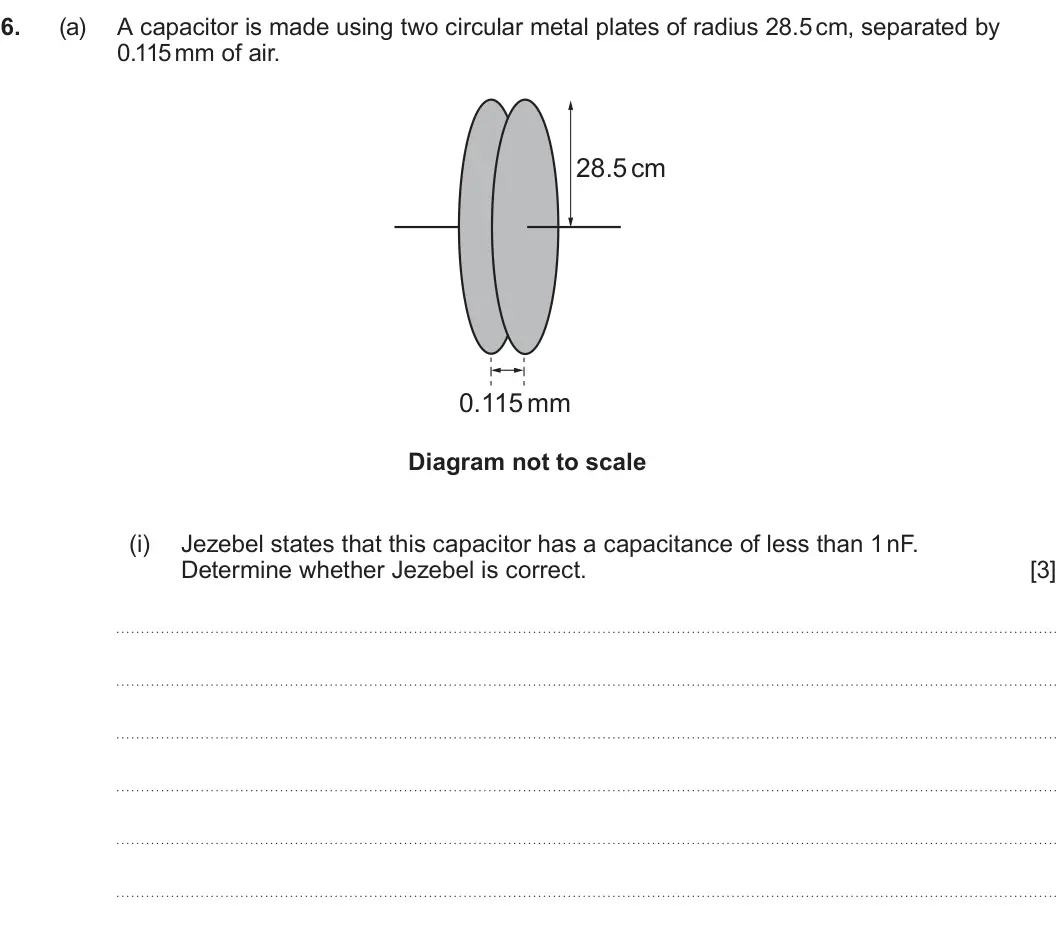
Q6(a)(ii)
The whole paper ↗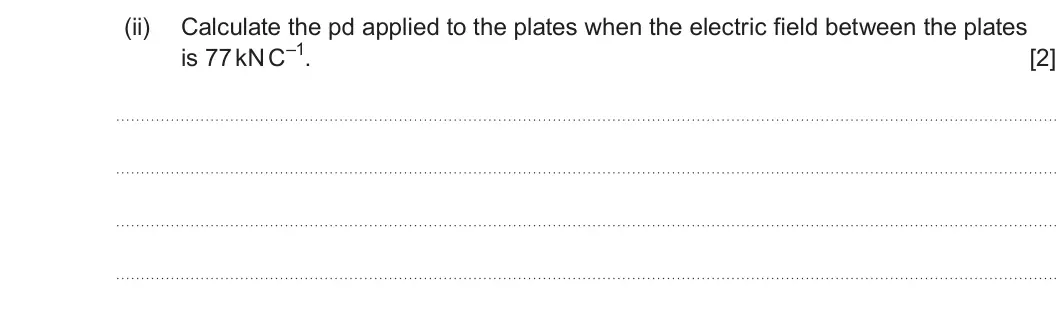
Q6(b)(i)
The whole paper ↗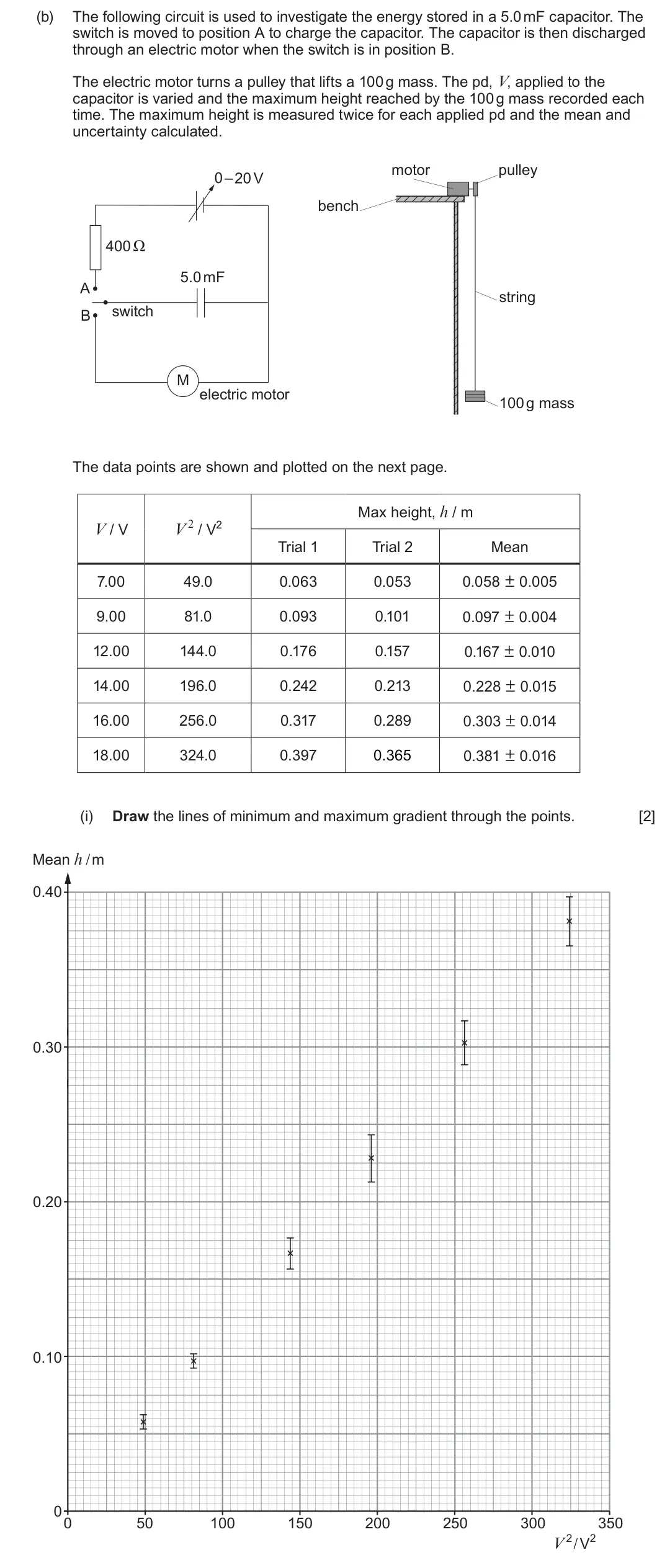
Q6(b)(ii)
The whole paper ↗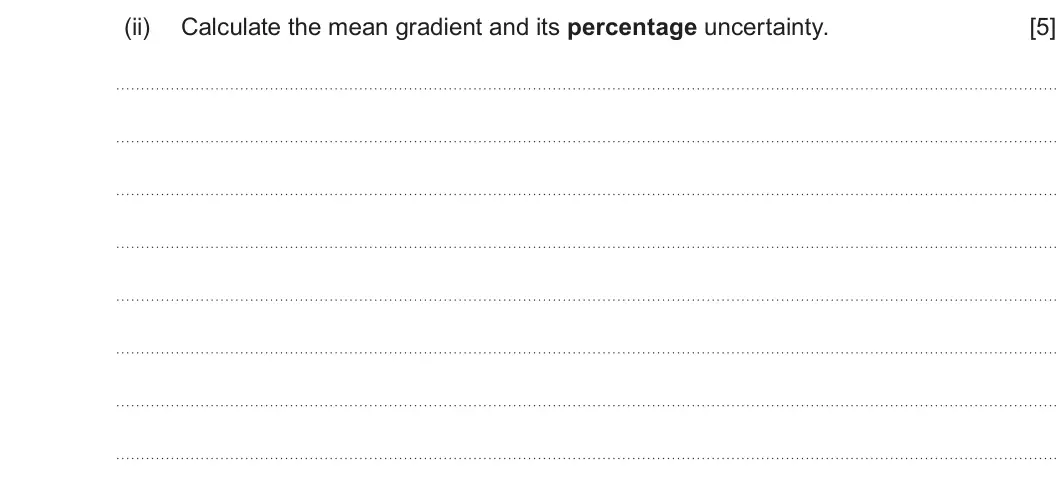
Q6(b)(iii)
The whole paper ↗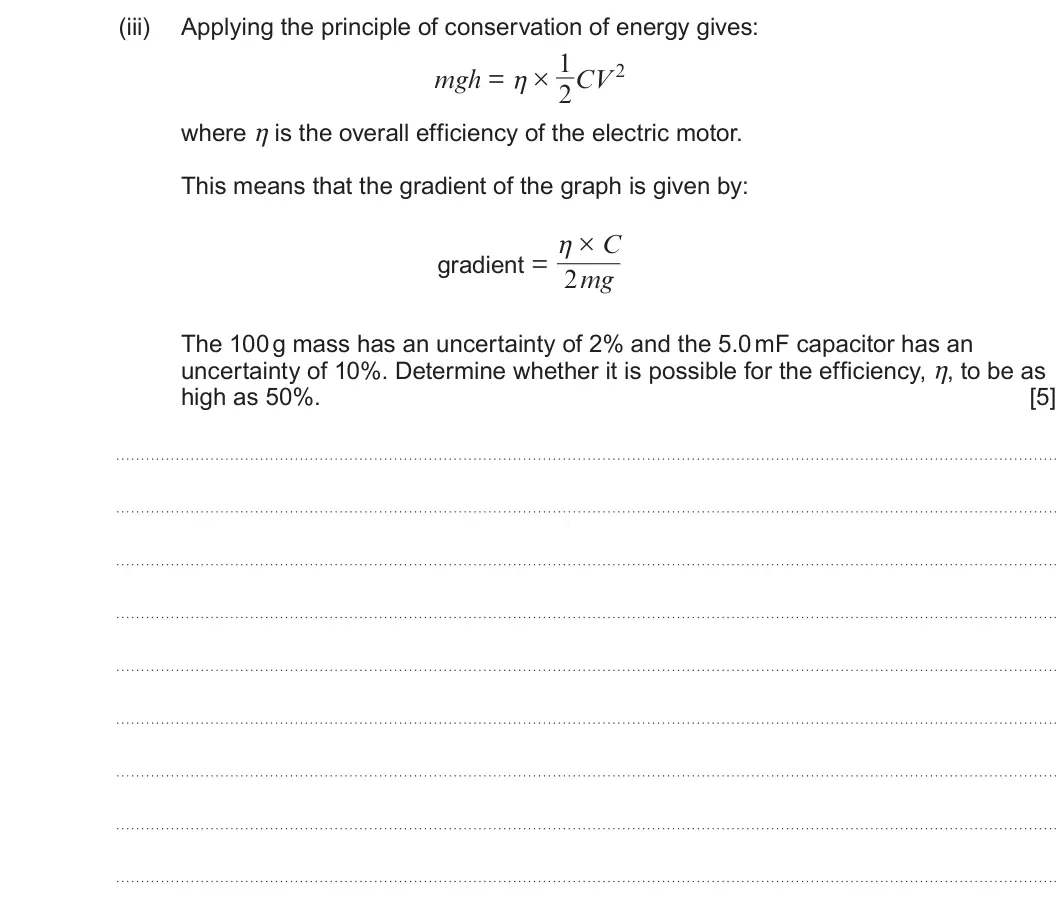
Q6(b)(iv)
The whole paper ↗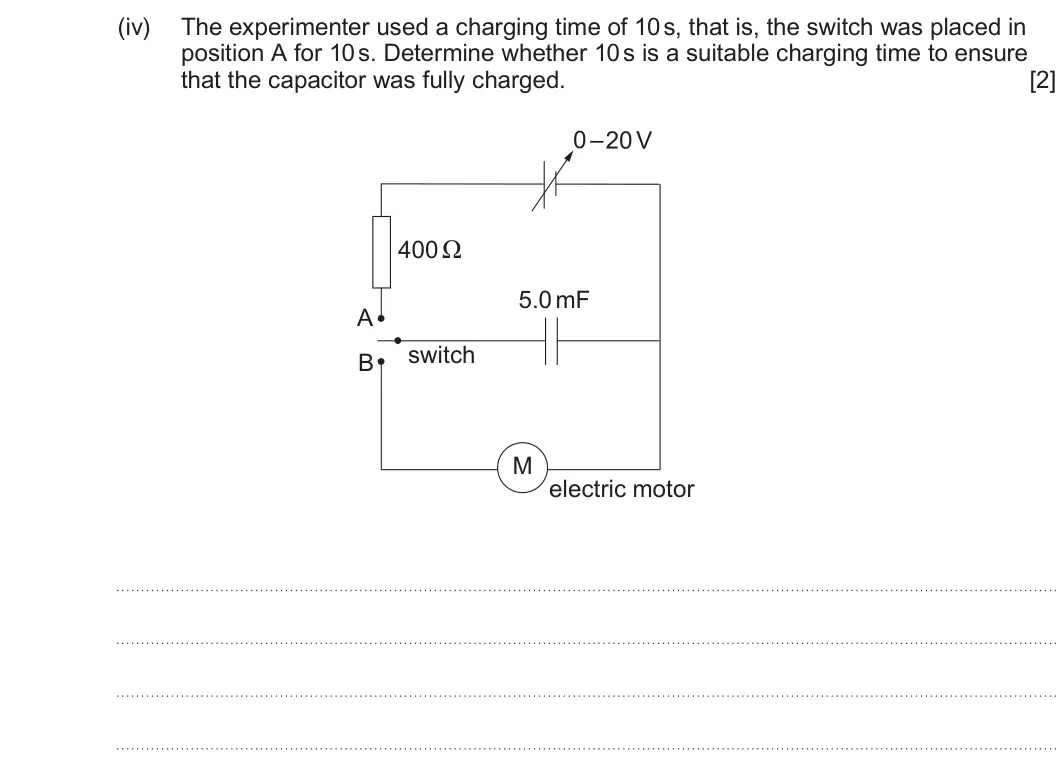
Q1(a)
The whole paper ↗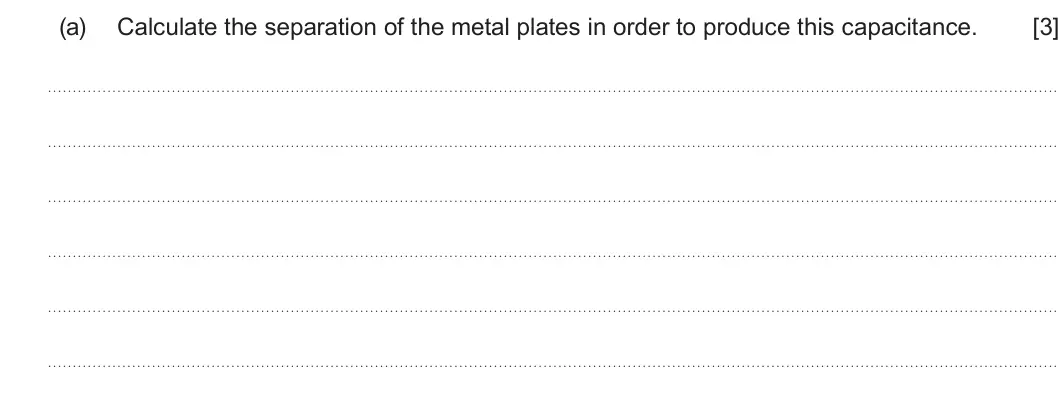
Q1(b)
The whole paper ↗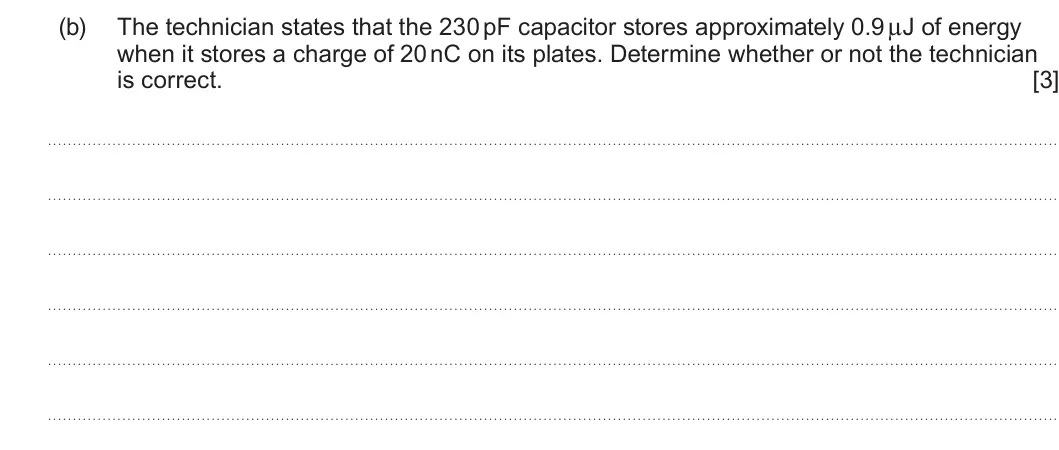
Q1(c)
The whole paper ↗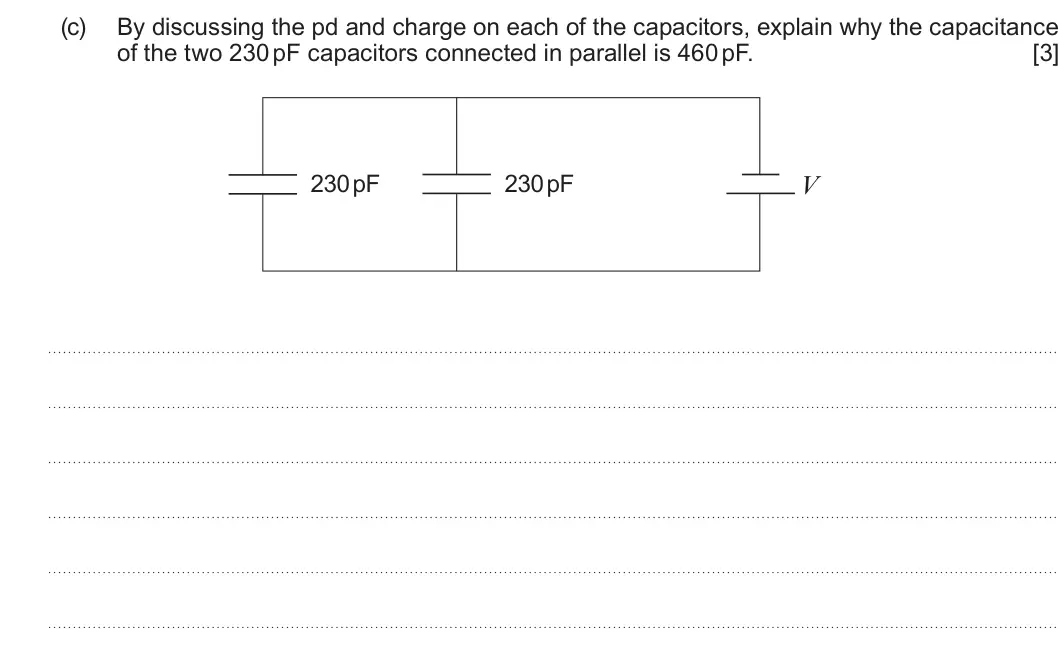
Q1(d)
The whole paper ↗
Q1(a)(i)
The whole paper ↗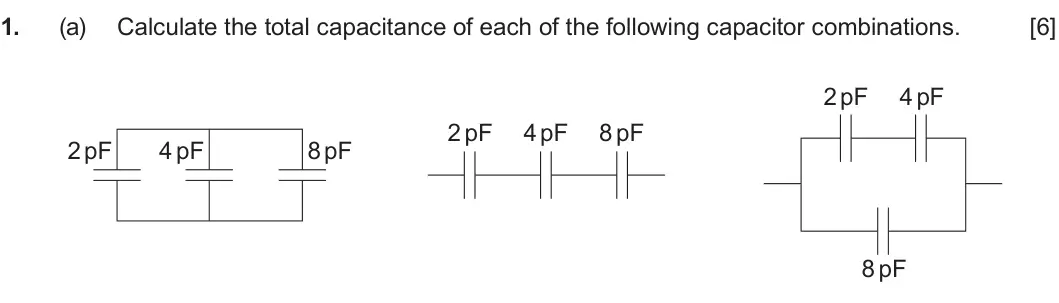
Q1(a)(iii)
The whole paper ↗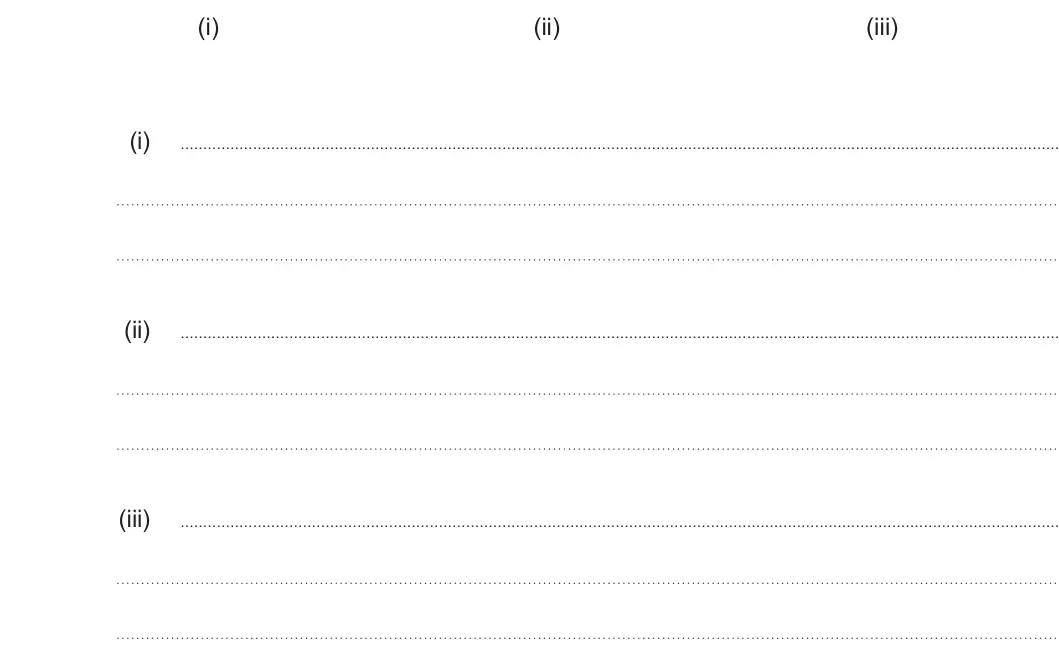
Q1(b)
The whole paper ↗
Q1(c)
The whole paper ↗
Q4(a)
The whole paper ↗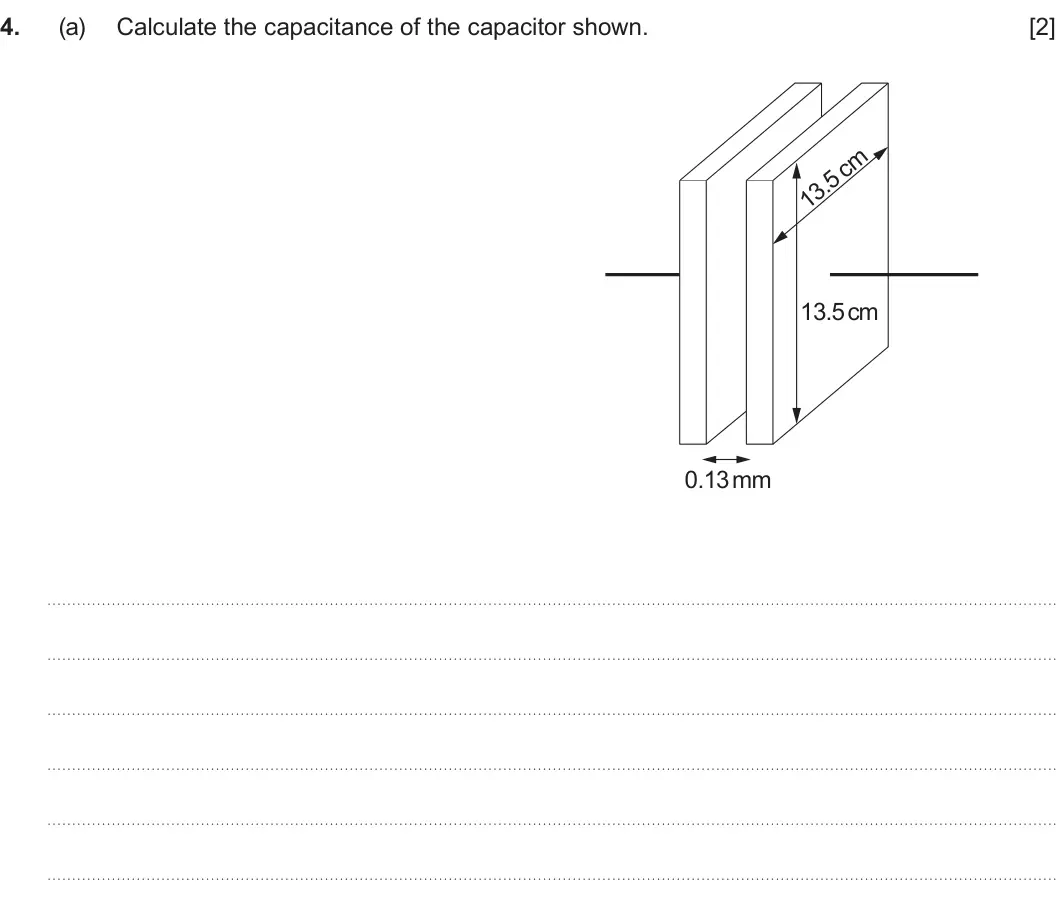
Q4(b)(i)
The whole paper ↗
Q4(b)(ii)
The whole paper ↗
Q4(c)(i)
The whole paper ↗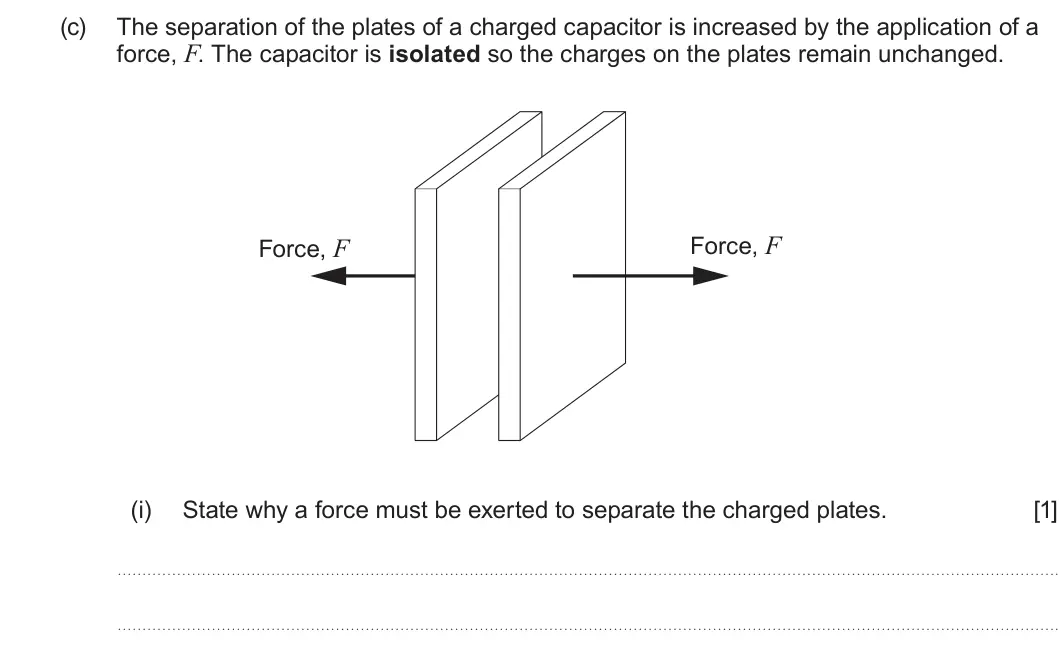
Q4(c)(ii)
The whole paper ↗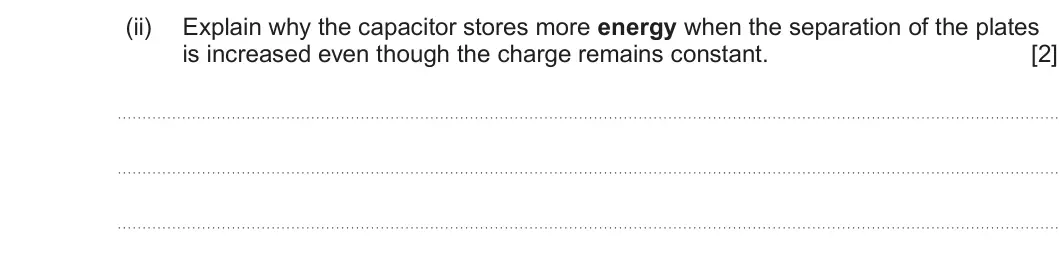
All 45 questions on Capacitance, as a list
- Summer 2025, Unit 4, Q6(a)(i) (3 marks): Jezebel states that this capacitor has a capacitance of less than 1 nF. Determine whether Jezebel is correct. [3]
- Summer 2025, Unit 4, Q6(a)(ii) (2 marks): Calculate the pd applied to the plates when the electric field between the plates is 77 kN C–1. [2]
- Summer 2025, Unit 4, Q6(b)(i) (2 marks): Draw the lines of minimum and maximum gradient through the points. [2] /m Mean h 0.40 0.30 0.20 0.10 0 0 50 100 150 200 250 300 350 V2/V2
- Summer 2025, Unit 4, Q6(b)(ii) (5 marks): Calculate the mean gradient and its percentage uncertainty. [5]
- Summer 2025, Unit 4, Q6(b)(iii) (5 marks): Applying the principle of conservation of energy gives: where η is the overall efficiency of the electric motor. 2CV 2 This means that the gradient of the graph
- Summer 2025, Unit 4, Q6(b)(iv) (2 marks): The experimenter used a charging time of 10 s, that is, the switch was placed in position A for 10 s. Determine whether 10 s is a suitable charging time to ensu
- Summer 2024, Unit 4, Q1(a) (3 marks): Calculate the separation of the metal plates in order to produce this capacitance. [3]
- Summer 2024, Unit 4, Q1(b) (3 marks): when it stores a charge of 20 nC on its plates. Determine whether or not the technician is correct. [3]
- Summer 2024, Unit 4, Q1(c) (3 marks): By discussing the pd and charge on each of the capacitors, explain why the capacitance of the two 230 pF capacitors connected in parallel is 460 pF. [3] 230pF 2
- Summer 2024, Unit 4, Q1(d) (1 mark): Draw a diagram to show how you could combine three capacitors of 230 pF to provide a capacitance of approximately 150 pF. [1]
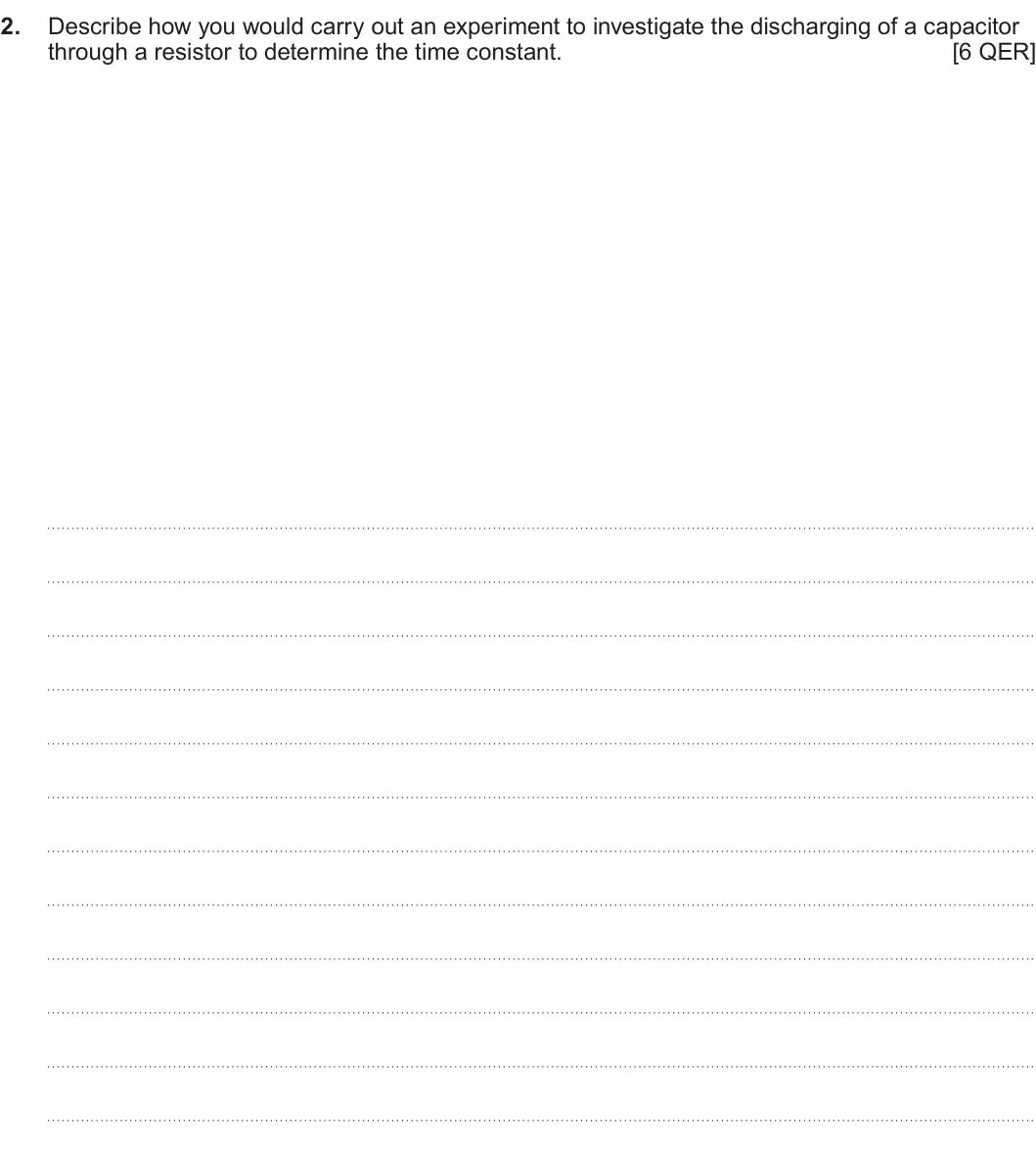
- Summer 2024, Unit 4, Q2 (6 marks): Describe how you would carry out an experiment to investigate the discharging of a capacitor through a resistor to determine the time constant. [6 QER]
- Summer 2023, Unit 4, Q1(a)(i) (6 marks): Calculate the total capacitance of each of the following capacitor combinations. [6] 2 pF 4 pF 2 pF 4 pF 8 pF 2 pF 4 pF 8 pF 8 pF
- Summer 2023, Unit 4, Q1(a)(iii): (i) (ii) (iii)
- Summer 2023, Unit 4, Q1(b) (4 marks): Michael, a laboratory technician, must make a 2.7 μF capacitor using only two square sheets of aluminium of side 42.0 cm. Determine whether or not it is realist
- Summer 2023, Unit 4, Q1(c) (1 mark): State what happens to the capacitance of a parallel plate capacitor when a dielectric is placed between the plates. [1]
- Summer 2022, Unit 4, Q4(a) (2 marks): Calculate the capacitance of the capacitor shown. [2] 13.5cm 0.13mm
- Summer 2022, Unit 4, Q4(b)(i) (2 marks): Calculate the pd across the terminals of a 5.0 mF capacitor when it stores 1.00 J of energy. [2]
- Summer 2022, Unit 4, Q4(b)(ii) (2 marks): In the space provided, draw a diagram to show how you would combine three 5.0 mF capacitors to produce a capacitance of 7.5 mF. [2]
- Summer 2022, Unit 4, Q4(c)(i) (1 mark): State why a force must be exerted to separate the charged plates. [1]
- Summer 2022, Unit 4, Q4(c)(ii) (2 marks): Explain why the capacitor stores more energy when the separation of the plates is increased even though the charge remains constant. [2]
- Summer 2022, Unit 4, Q4(c)(iii) (2 marks): Show that the energy stored by the capacitor is given by: Q2d 1 energy stored = ε0A 2 where Q is the charge stored, d is the separation of the plates, ε0 is the
- Summer 2022, Unit 4, Q4(c)(iv) (2 marks): Q2 1 F = ε0A 2 Determine whether Bethan is correct to arrive at this conclusion. [2]
- Summer 2019, Unit 4, Q1(a)(i) (4 marks): For the air-spaced parallel plate capacitor shown, calculate the pd applied when it stores 25.5 μJ of energy. [4] 8.0cm 8.0cm 0.77mm
- Summer 2019, Unit 4, Q1(a)(ii) (2 marks): Explain why the capacitor stores energy when a pd is applied to the plates. [2]
- Summer 2019, Unit 4, Q1(a)(iii) (3 marks): A group of scientists claim that they have developed a new dielectric that enables the above capacitor to store a million times more charge and energy for a giv
- Summer 2019, Unit 4, Q1(b)(i) (1 mark): Confirm that the uncertainty in the charge is 1.1 mC (you may assume that the uncertainty in the 2.2 mF capacitor is negligible). [1]
- Summer 2019, Unit 4, Q1(b)(ii) (2 marks): Complete the table. [2]
- Summer 2019, Unit 4, Q1(b)(iii) (5 marks): Complete the graph by labelling the y-axis scale, plotting the remaining two points, adding error bars for charge and drawing a curve of best fit. [5] Charge /
- Summer 2019, Unit 4, Q1(b)(iv) (3 marks): Use the curve of best fit to obtain the time constant of the charging circuit (show your working and do not simply multiply the resistance by the capacitance).
- Summer 2019, Unit 4, Q1(b)(v) (2 marks): By drawing a suitable tangent, calculate the current in the circuit at 45 s. [2]
- Summer 2019, Unit 4, Q1(c) (5 marks): Use the graph on page 5 and your answers to (b)(iv) and (b)(v) to evaluate whether or not the data obtained in this experiment are in good agreement with the eq
- Summer 2018, Unit 4, Q1(a)(i) (3 marks): A laboratory technician has two square aluminium plates with sides of length 18.0 cm. Calculate the separation, d, of the plates that produces a capacitance of
- Summer 2018, Unit 4, Q1(a)(ii) (3 marks): Calculate the capacitance of the capacitor combination shown. [3] 2.0 nF 6.0 nF 2.0 nF
- Summer 2018, Unit 4, Q1(a)(iii) (3 marks): Show that the charge stored on a 2.0 nF capacitor in the following circuit is 18 nC. [3] 15 V 2.0 nF 6.0 nF 2.0 nF
- Summer 2018, Unit 4, Q1(a)(iv) (2 marks): Calculate the total energy stored by the capacitor combination. [2]
- Summer 2018, Unit 4, Q1(b)(i) (2 marks): Draw a circuit diagram of the apparatus that might have been used to obtain the data. [2]
- Summer 2018, Unit 4, Q1(b)(ii) (5 marks): Use the graphs to determine: • the emf of the power supply; • the resistance of the resistor; • the capacitance of the capacitor. [5]
- Summer 2017, Unit 4, Q1(a)(i) (3 marks): An 8.0 nF capacitor has square plates separated by 0.20 mm of air. Calculate the length (x) of the sides of the plates. [3] x 8.0 nF x 0.20 mm
- Summer 2017, Unit 4, Q1(a)(ii) (4 marks): Which of the following combinations of 8.0 nF capacitors has a capacitance of 12.0 nF? Justify your answer. [4] All individual capacitors shown are 8.0 nF. 1 2
- Summer 2017, Unit 4, Q1(a)(iii) (1 mark): State how the capacitance of the capacitor can be increased without changing its dimensions. [1]
- Summer 2017, Unit 4, Q1(a)(iv) (3 marks): Calculate the charge on the plates of the 8.0 nF capacitor when it stores an energy of 0.62 μJ. [3]
- Summer 2017, Unit 4, Q1(b)(i) (2 marks): A charged 8.0 nF capacitor is discharged through a large resistor. Calculate the resistance of the resistor if the time constant is 15.5 ms. [2] 8.0 nF R
- Summer 2017, Unit 4, Q1(b)(ii) (3 marks): Calculate the fraction of the initial charge remaining on the capacitor after 31.0 ms. [3]
- Summer 2017, Unit 4, Q1(c)(i) (2 marks): the charge on the plates of the capacitor against time; [2] Charge Q0 Q0 2 0 10 20 30 40 Time / ms
- Summer 2017, Unit 4, Q1(c)(ii) (2 marks): the current in the circuit against time. [2] Current I0 I0 2 0 10 20 30 40 Time / ms
Questions, mark schemes and examiner’s reports are © WJEC CBAC Ltd, from their published past papers. Plumi isn’t affiliated with any exam board. Want whole papers? Every WJEC A-Level Physics paper.
Rather write your answers by hand on iPad? Plumi marks them against the same mark schemes.