Skip to content
Android waitlistTry on iPad
Get started

Gravitational fields and satellites: OxfordAQA International A Level Physics questions

OxfordAQA International A Level Physics past-paper questions on 3.7 Gravitational fields and satellites, Official specimen papers for Units 1–5, with mark schemes and examiner’s reports where available.

Past paper difficulty
Paper
All papers
Exam
All years
Calculations

Loading the full question list…

219 questions

  1. Q01.1

    Specimen · Unit 3 · ★★★

    The whole paper ↗
    1
    Setup for original question 01.1

    Loading the question setup…

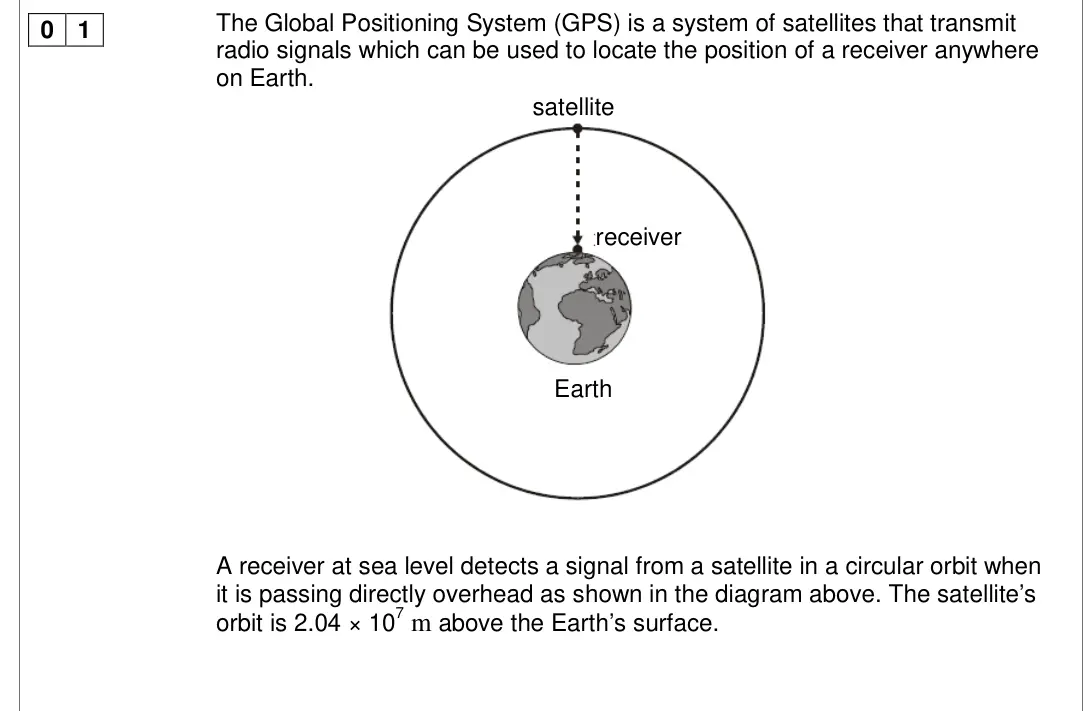
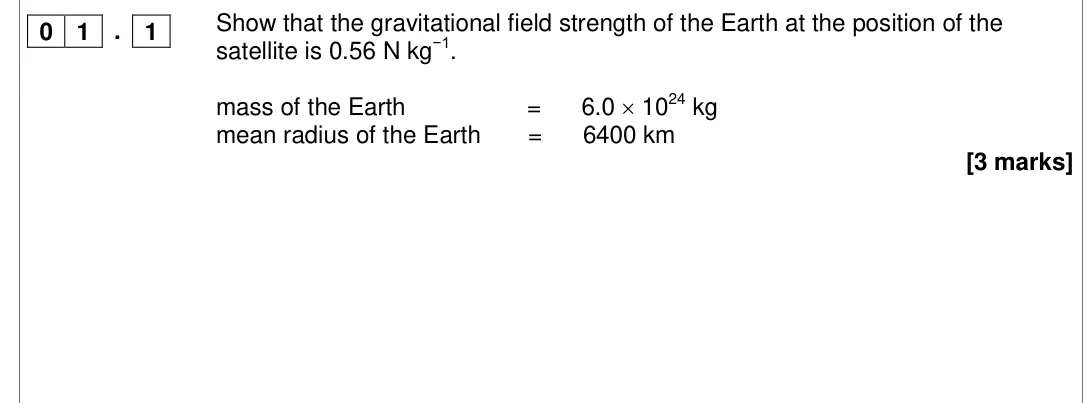
    Original question 01.1: The Global Positioning System (GPS) is a system of satellites that transmit radio signals which can be used to locate the position of a receiver anywhere on Earth. A receiver at se

    Loading the question…

  2. Q01.2

    Specimen · Unit 3 · ★★

    The whole paper ↗
    2
    Setup for original question 01.2

    Loading the question setup…

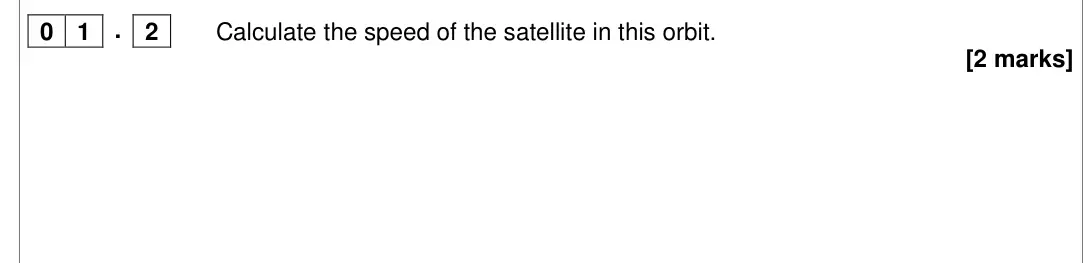
    Original question 01.2: The Global Positioning System (GPS) is a system of satellites that transmit radio signals which can be used to locate the position of a receiver anywhere on Earth. A receiver at se

    Loading the question…

  3. Q01.3

    Specimen · Unit 3 · ★★

    The whole paper ↗
    3
    Setup for original question 01.3

    Loading the question setup…

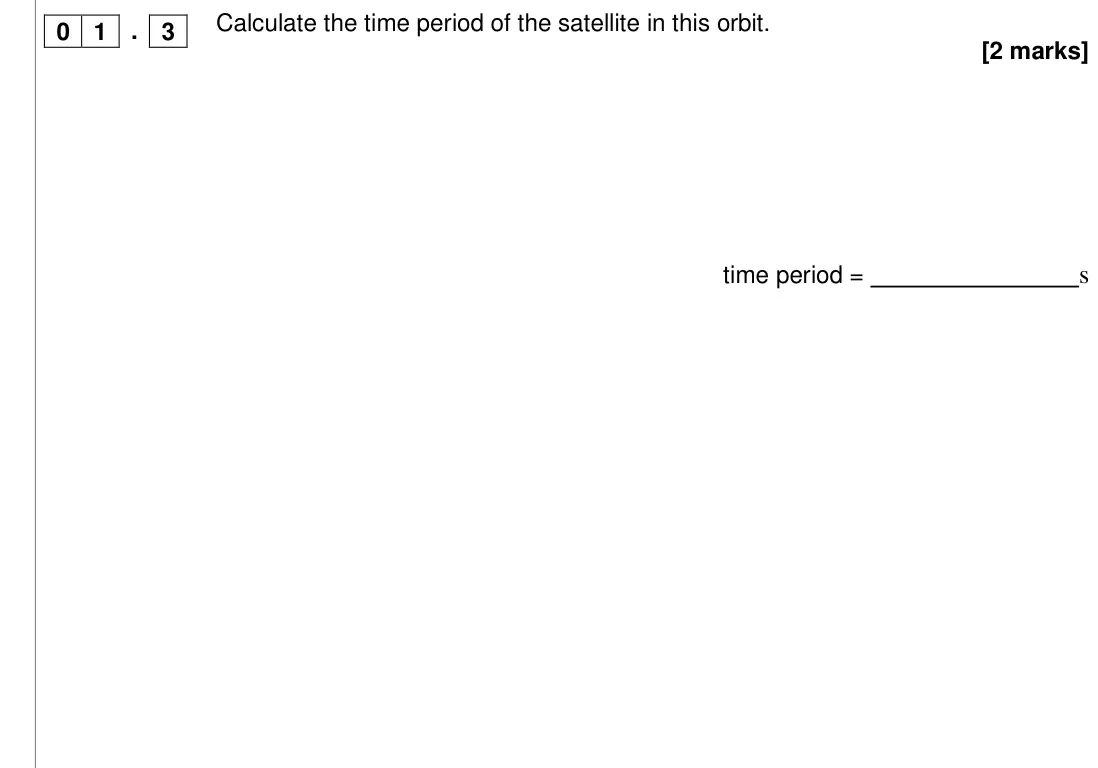
    Original question 01.3: The Global Positioning System (GPS) is a system of satellites that transmit radio signals which can be used to locate the position of a receiver anywhere on Earth. A receiver at se

    Loading the question…

  4. Q02.1

    Specimen · Unit 3 · ★

    The whole paper ↗
    4
    Setup for original question 02.1

    Loading the question setup…

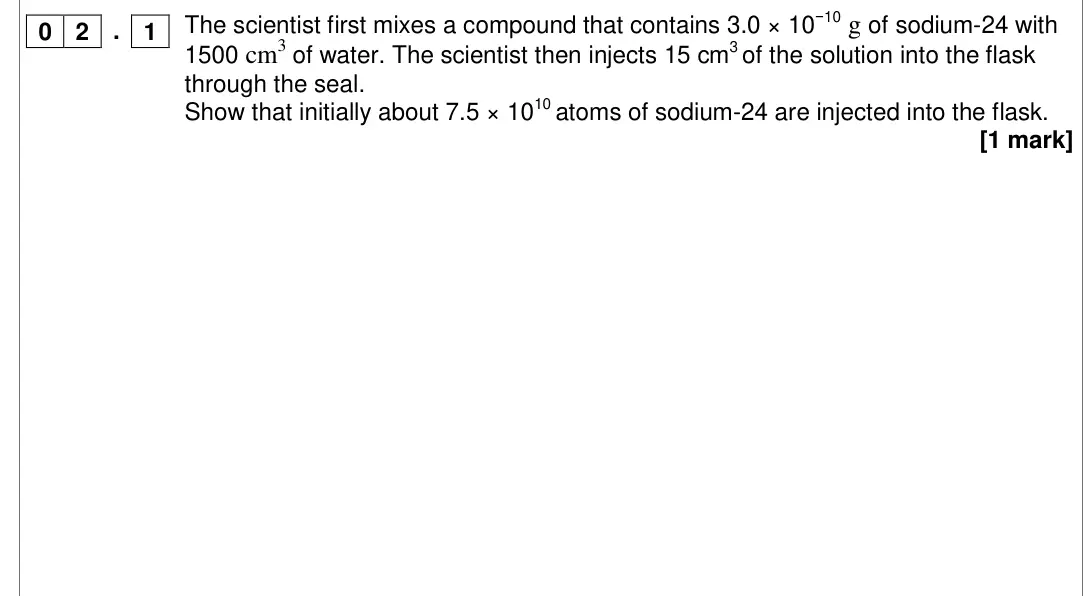
    Original question 02.1: An ancient sealed flask contains a liquid, assumed to be water. An archaeologist asks a scientist to determine the volume of liquid in the flask without opening the flask. The scie

    Loading the question…

  5. Q02.2

    Specimen · Unit 3 · ★★★

    The whole paper ↗
    5
    Setup for original question 02.2

    Loading the question setup…

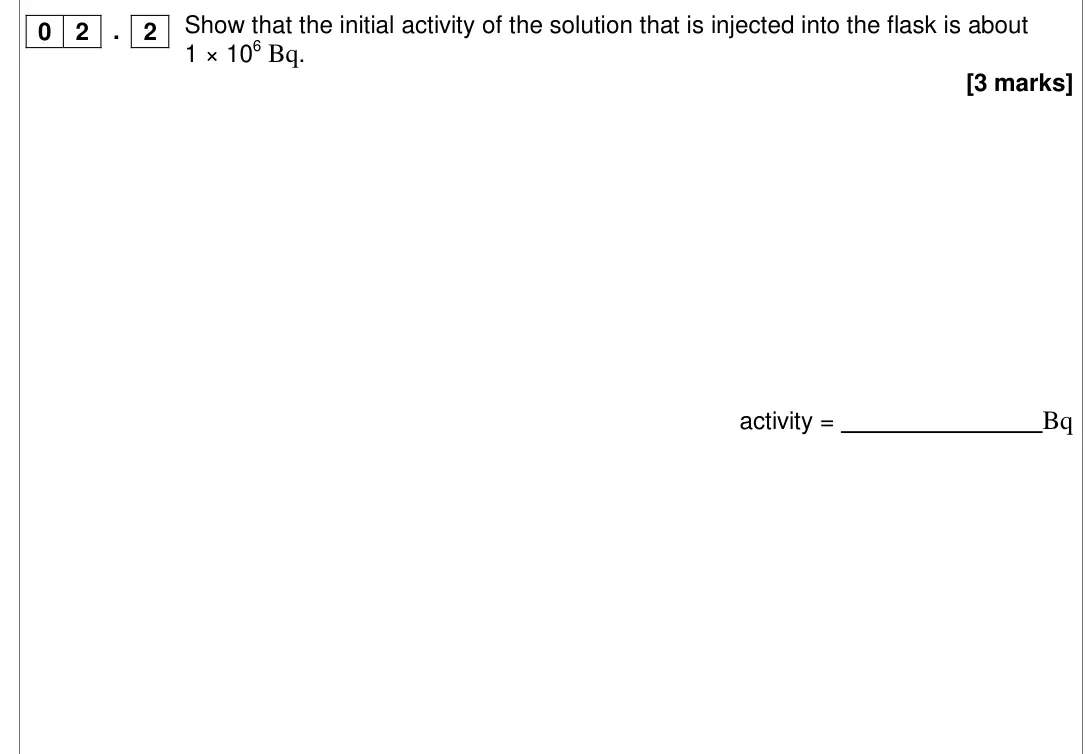
    Original question 02.2: An ancient sealed flask contains a liquid, assumed to be water. An archaeologist asks a scientist to determine the volume of liquid in the flask without opening the flask. The scie

    Loading the question…

  6. Q02.3

    Specimen · Unit 3 · ★★★

    The whole paper ↗
    6
    Setup for original question 02.3

    Loading the question setup…

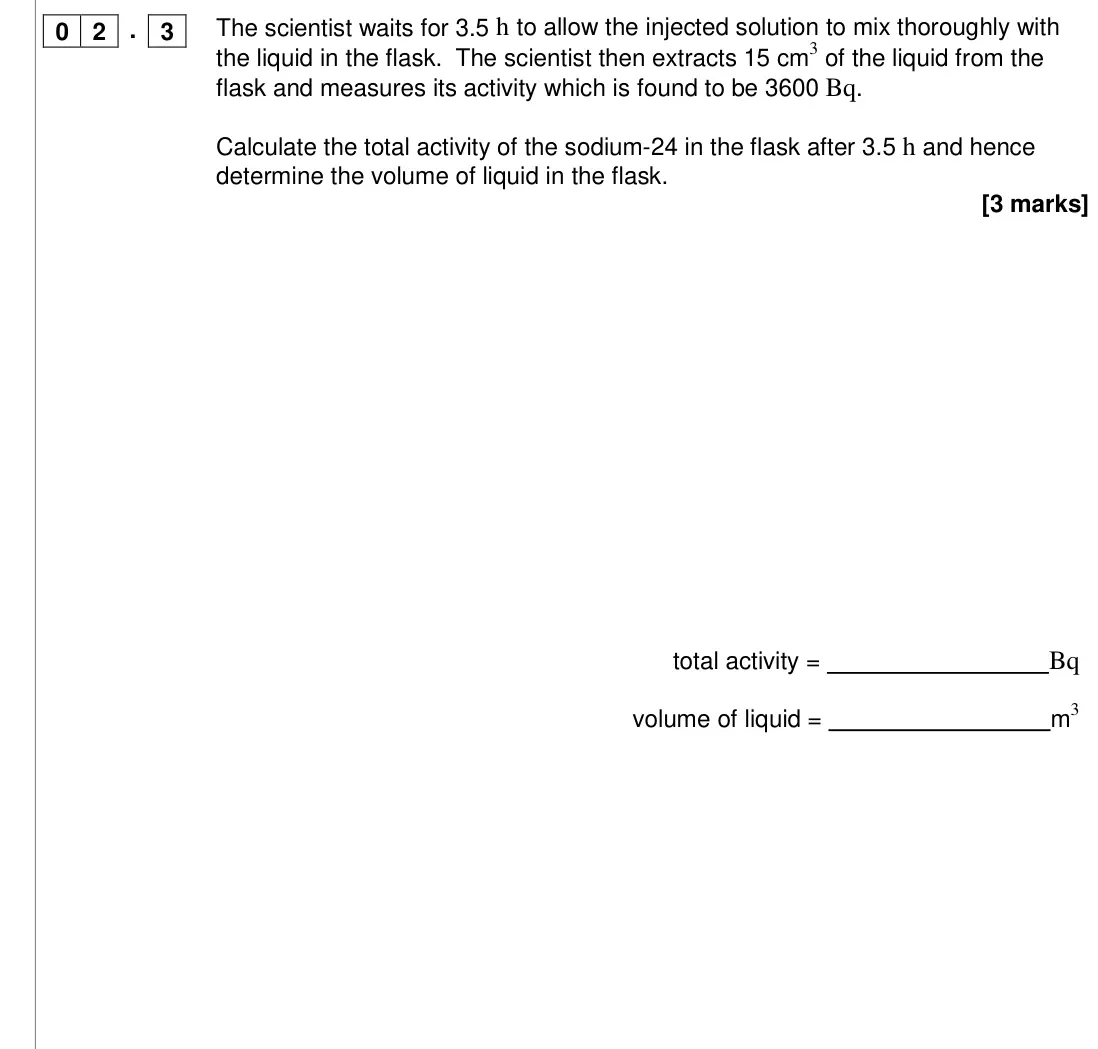
    Original question 02.3: An ancient sealed flask contains a liquid, assumed to be water. An archaeologist asks a scientist to determine the volume of liquid in the flask without opening the flask. The scie

    Loading the question…

  7. Q02.4

    Specimen · Unit 3 · ★★

    The whole paper ↗
    7
    Setup for original question 02.4

    Loading the question setup…

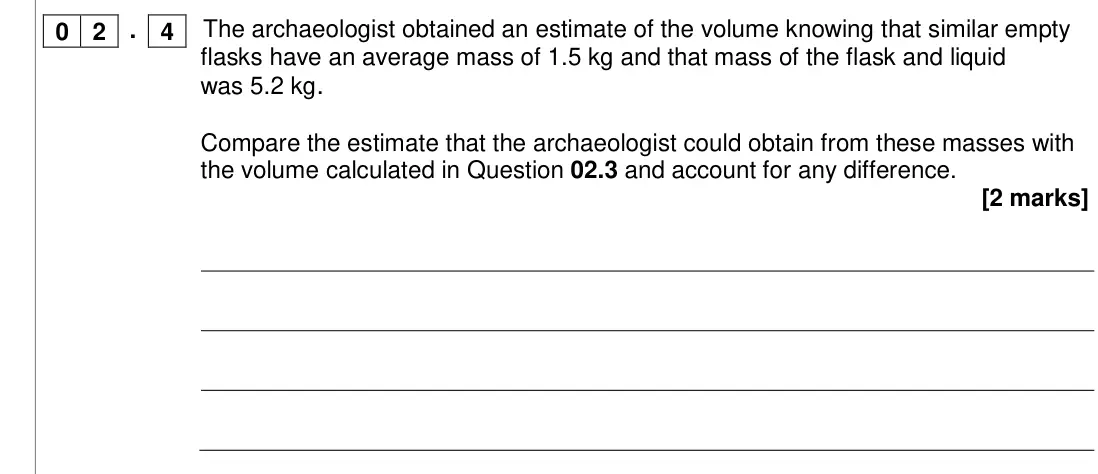
    Original question 02.4: An ancient sealed flask contains a liquid, assumed to be water. An archaeologist asks a scientist to determine the volume of liquid in the flask without opening the flask. The scie

    Loading the question…

  8. Q19

    Specimen · Unit 3 · ★★

    The whole paper ↗
    8
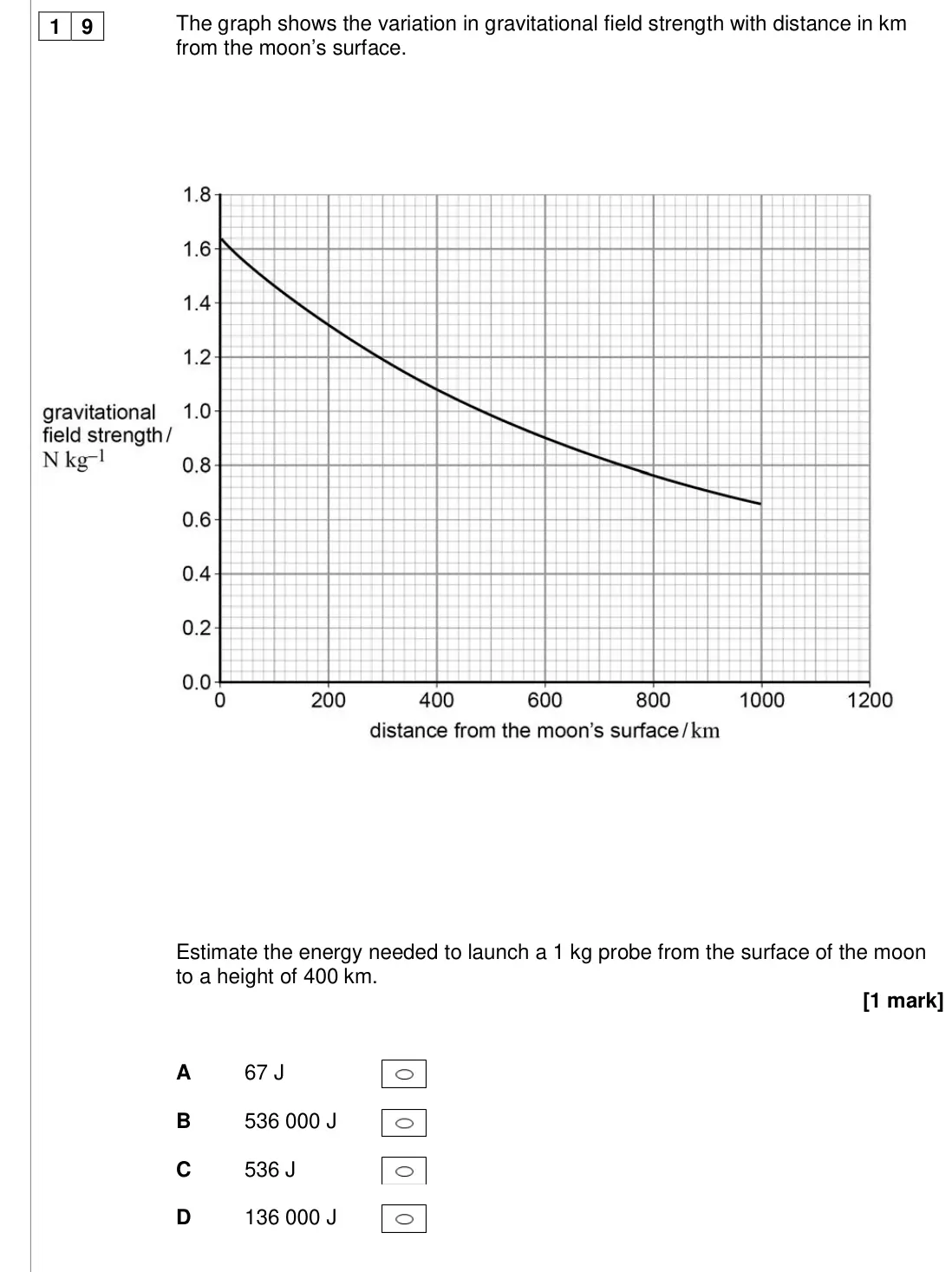
    Original question 19: The graph shows the variation in gravitational field strength with distance in km from the moon’s surface. Estimate the energy needed to launch a 1 kg probe from the surface of the

    Loading the question…

    Your answer
  9. Q22

    Specimen · Unit 3 · ★

    The whole paper ↗
    9
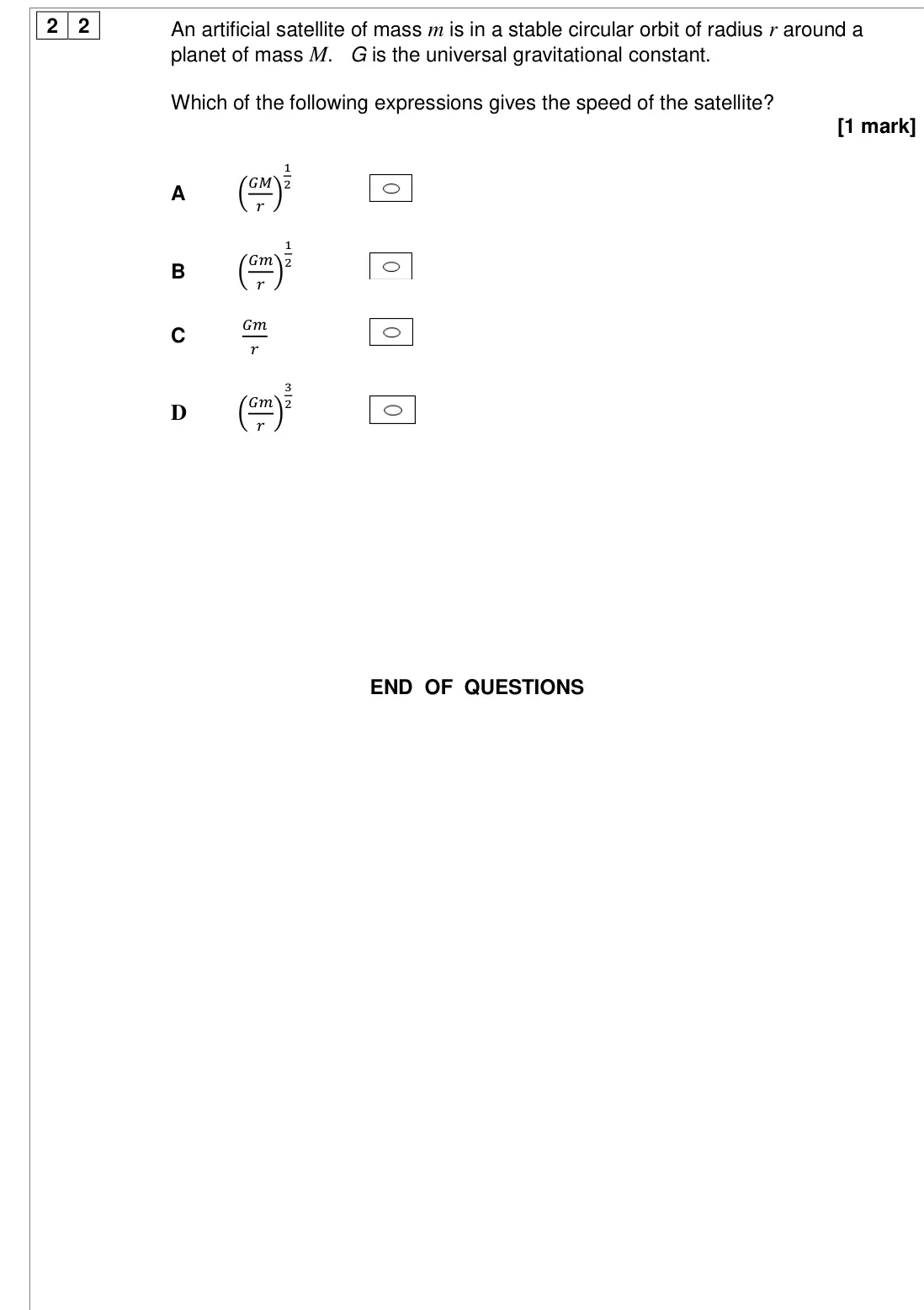
    Original question 22: An artificial satellite of mass m is in a stable circular orbit of radius r around a planet of mass M. G is the universal gravitational constant. Which of the following expressions

    Loading the question…

    Your answer
All 9 questions on Gravitational fields and satellites, as a list
  1. Specimen, Unit 3, Q01.1 (3 marks): The Global Positioning System (GPS) is a system of satellites that transmit radio signals which can be used to locate the position of a receiver anywhere on Earth. A receiver at se
  2. Specimen, Unit 3, Q01.2 (2 marks): The Global Positioning System (GPS) is a system of satellites that transmit radio signals which can be used to locate the position of a receiver anywhere on Earth. A receiver at se
  3. Specimen, Unit 3, Q01.3 (2 marks): The Global Positioning System (GPS) is a system of satellites that transmit radio signals which can be used to locate the position of a receiver anywhere on Earth. A receiver at se
  4. Specimen, Unit 3, Q02.1 (1 mark): An ancient sealed flask contains a liquid, assumed to be water. An archaeologist asks a scientist to determine the volume of liquid in the flask without opening the flask. The scie
  5. Specimen, Unit 3, Q02.2 (3 marks): An ancient sealed flask contains a liquid, assumed to be water. An archaeologist asks a scientist to determine the volume of liquid in the flask without opening the flask. The scie
  6. Specimen, Unit 3, Q02.3 (3 marks): An ancient sealed flask contains a liquid, assumed to be water. An archaeologist asks a scientist to determine the volume of liquid in the flask without opening the flask. The scie
  7. Specimen, Unit 3, Q02.4 (2 marks): An ancient sealed flask contains a liquid, assumed to be water. An archaeologist asks a scientist to determine the volume of liquid in the flask without opening the flask. The scie
  8. Specimen, Unit 3, Q19 (1 mark): The graph shows the variation in gravitational field strength with distance in km from the moon’s surface. Estimate the energy needed to launch a 1 kg probe from the surface of the
  9. Specimen, Unit 3, Q22 (1 mark): An artificial satellite of mass m is in a stable circular orbit of radius r around a planet of mass M. G is the universal gravitational constant. Which of the following expressions

Questions, mark schemes and examiner’s reports are © OxfordAQA, from their published past papers. Plumi isn’t affiliated with any exam board. Want whole papers? OxfordAQA International A Level Physics past papers.

The Plumi iPad app also offers exam-style questions with AI feedback on your handwritten working.