 plumi
Research ethics: Eduqas A‑Level Psychology questions
Eduqas A-Level Psychology past-paper questions on Research ethics, 2017–2025, with mark schemes and examiner’s reports where available.
Paper
All papers
Exam
All years
Calculations
Loading the full question list…
Q8(c)
The whole paper ↗Q9(d)
The whole paper ↗Q7(b)
The whole paper ↗Q8(c)
The whole paper ↗Q10(b)(i)
The whole paper ↗Q10(b)(ii)
The whole paper ↗Q8(b)
The whole paper ↗Q7(b)
The whole paper ↗Q9(f)
The whole paper ↗Q4(a)
The whole paper ↗Q4(b)
The whole paper ↗Q8(c)
The whole paper ↗Q6(a)
The whole paper ↗Q6(b)
The whole paper ↗Q9(e)
The whole paper ↗Q7(b)
The whole paper ↗Q10(d)
The whole paper ↗























All 23 questions on Research ethics, as a list
- June 2025, Component 2, Q8(c) (5 marks): (c) Briefly evaluate the ethical issues in Milgram’s (1963) research ‘Behavioural study of Obedience’. [5]
- June 2025, Component 2, Q9(d) (4 marks): (d) Explain one ethical issue which you considered in your quasi-experiment and how you managed this ethical issue. [4]
- June 2024, Component 2, Q3 (6 marks): 3. Explain how psychologists use ethics committees and ethical guidelines to manage the risk posed by ethical issues. [3 + 3]
- June 2024, Component 2, Q7(b) (6 marks): (b) Discuss ethical issues with Kohlberg’s (1968) research ‘The child as a moral philosopher’. [6]
- June 2024, Component 2, Q8(c) (4 marks): (c) Explain one ethical issue that you considered and explain how you managed this ethical issue in your experiment. [4]
- June 2023, Component 2, Q8 (12 marks): 8. Evaluate methodological and ethical issues that may arise in developmental psychological research, such as Kohlberg’s (1968) research ‘The child as a moral p
- June 2023, Component 2, Q10(b)(i) (2 marks): (b) (i) Explain one ethical issue which you considered in your investigation. [2]
- June 2023, Component 2, Q10(b)(ii) (2 marks): (ii) Explain how you managed the ethical issue identified in (b)(i). [2]
- June 2022, Component 2, Q8(b) (4 marks): (b) Explain one ethical issue that you considered in your interview and explain how you dealt with this ethical issue. [2 + 2]
- Autumn 2021, Component 2, Q7(b) (8 marks): (b) Describe two ethical issues you considered in your questionnaire study and explain how you dealt with each of these ethical issues. [4 + 4]
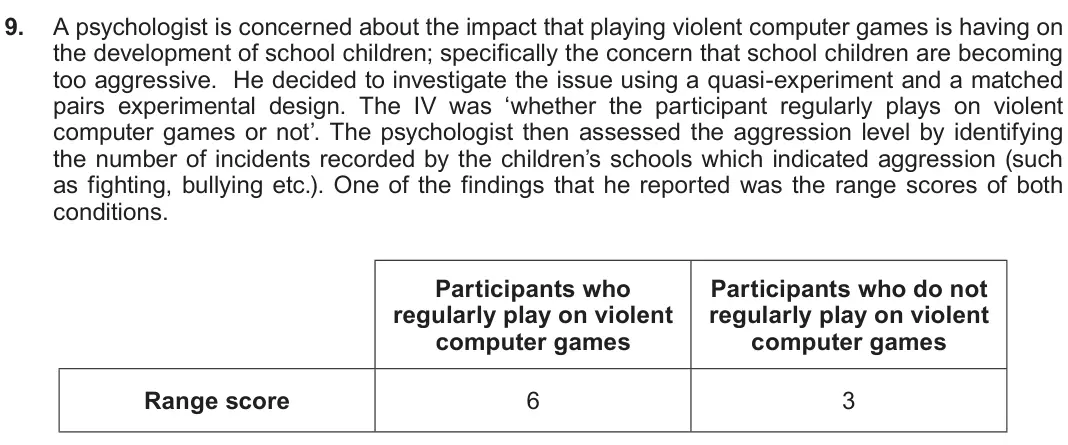
- Autumn 2021, Component 2, Q9(f) (4 marks): (f) Explain why the ethical issue of ‘risk of stress, anxiety, humiliation or pain’ may arise in this research and explain how it could be managed. [2 + 2]
- Autumn 2020, Component 2, Q4(a) (3 marks): 4. (a) Explain how psychologists use ethics committees to manage the risk posed by ethical issues. [3]
- Autumn 2020, Component 2, Q4(b) (3 marks): (b) Explain how psychologists use ethical guidelines to manage the risk posed by ethical issues. [3]
- Autumn 2020, Component 2, Q5 (12 marks): 5. Evaluate the issues of validity and ethics raised by Milgram’s (1963) research ‘Behavioural study of Obedience’. [12]
- Autumn 2020, Component 2, Q8(c) (8 marks): (c) Explain two ethical issues that occurred in your experiment and explain how you dealt with each issue. [4+4]
- June 2019, Component 2, Q6(a) (5 marks): 6. (a) Explain ethical issues that may arise in Social Psychological research, such as Milgram’s (1963) research ‘Behavioural Study of Obedience’. [5]
- June 2019, Component 2, Q6(b) (5 marks): (b) Explain ethical issues that may arise in Developmental Psychological research, such as Kohlberg’s (1968) research ‘The child as a moral philosopher’. [5]
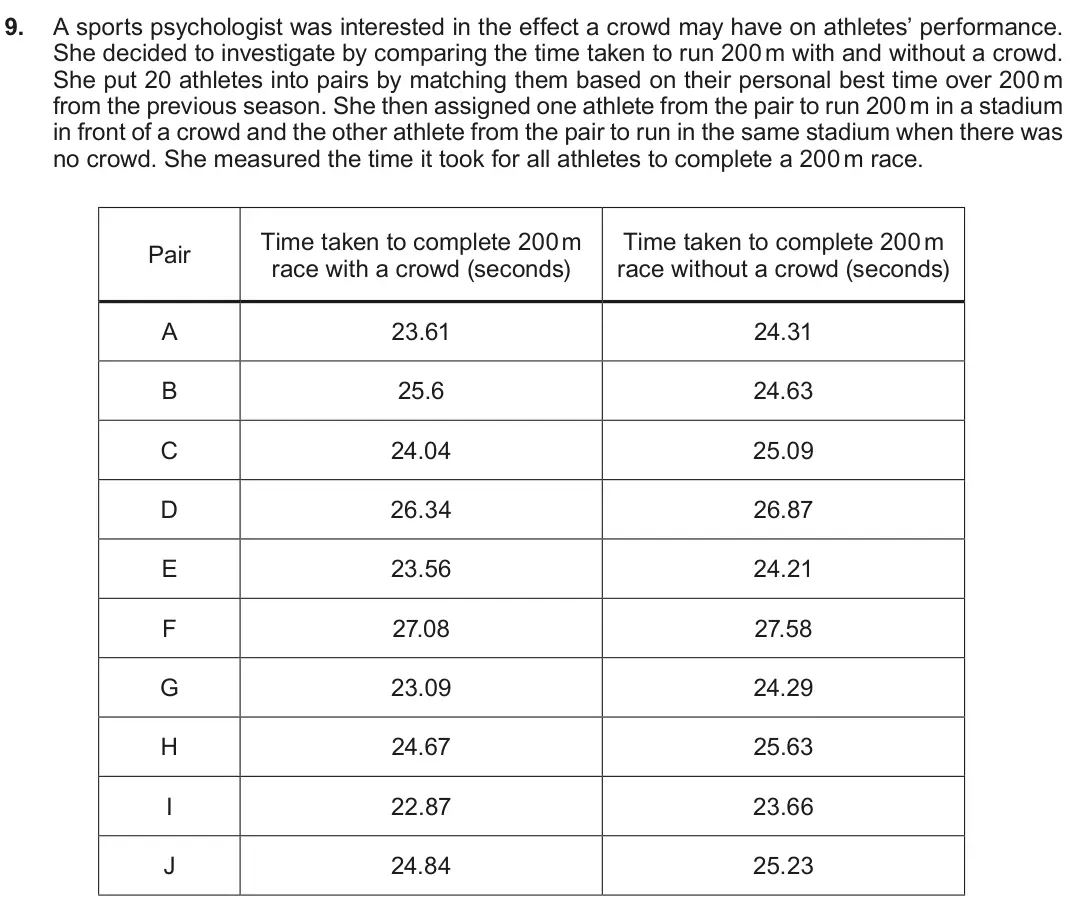
- June 2019, Component 2, Q9(e) (3 marks): (e) Identify one ethical issue and explain why it may have been an issue in this research. [1+2]
- June 2018, Component 2, Q7(b) (6 marks): (b) Explain how you managed two ethical issues that arose in your research. [3+3]
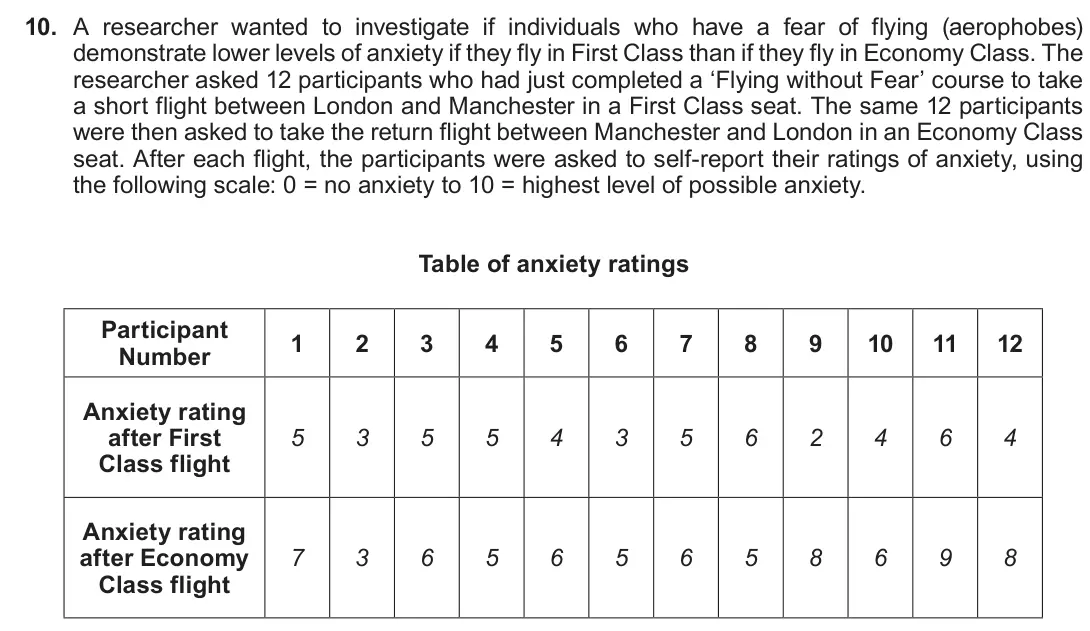
- June 2018, Component 2, Q10(d) (2 marks): (d) Explain why the ethical issue, ‘risk of stress, anxiety, humiliation or pain’, might be relevant to this research. [2]
- June 2017, Component 2, Q5(c) (12 marks): (c) Discuss the validity and ethical issues raised by Kohlberg’s (1968) research ‘The child as a moral philosopher’. [12]
- June 2017, Component 2, Q6(b) (6 marks): (b) With reference to your own correlational research, explain how you ensured that your research was ethical. [6]
- June 2017, Component 2, Q9(e) (3 marks): (e) Identify and explain one ethical issue that is evident in this research. [3]
Questions, mark schemes and examiner’s reports are © WJEC Eduqas, from their published past papers. Plumi isn’t affiliated with any exam board. Want whole papers? Eduqas A-Level Psychology past papers.
The Plumi iPad app also offers exam-style questions with AI feedback on your handwritten working.