 plumi
Meiosis and genetic variation: Edexcel International A Level Biology questions
Edexcel International A Level Biology past-paper questions on 3.3.2 Meiosis and genetic variation, 2019–2025, with mark schemes and examiner’s reports where available.
Paper
All papers
Exam
All years
Calculations
Q3(b)(i)
The whole paper ↗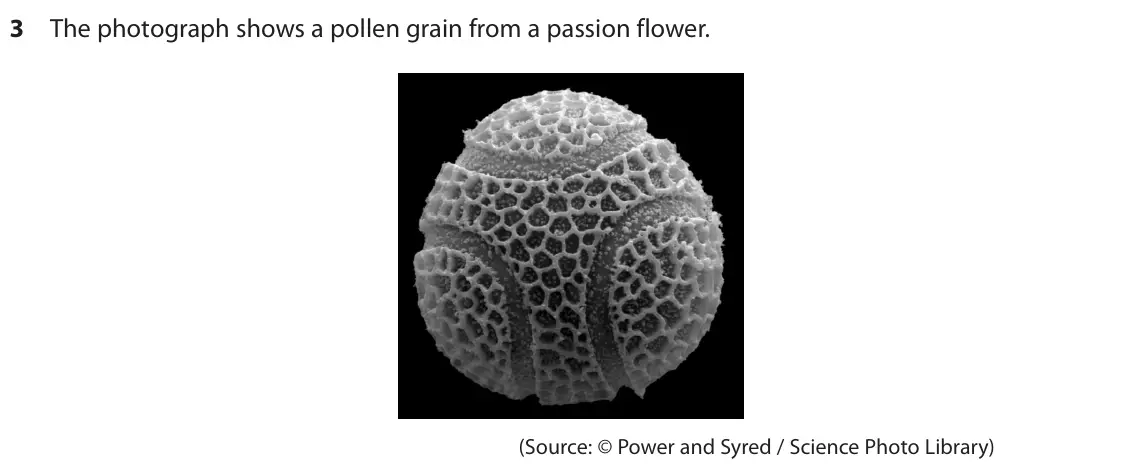
Q3(b)(ii)
The whole paper ↗Q5(a)
The whole paper ↗
Q6(b)(i)
The whole paper ↗
Q6(c)
The whole paper ↗Q7(a)
The whole paper ↗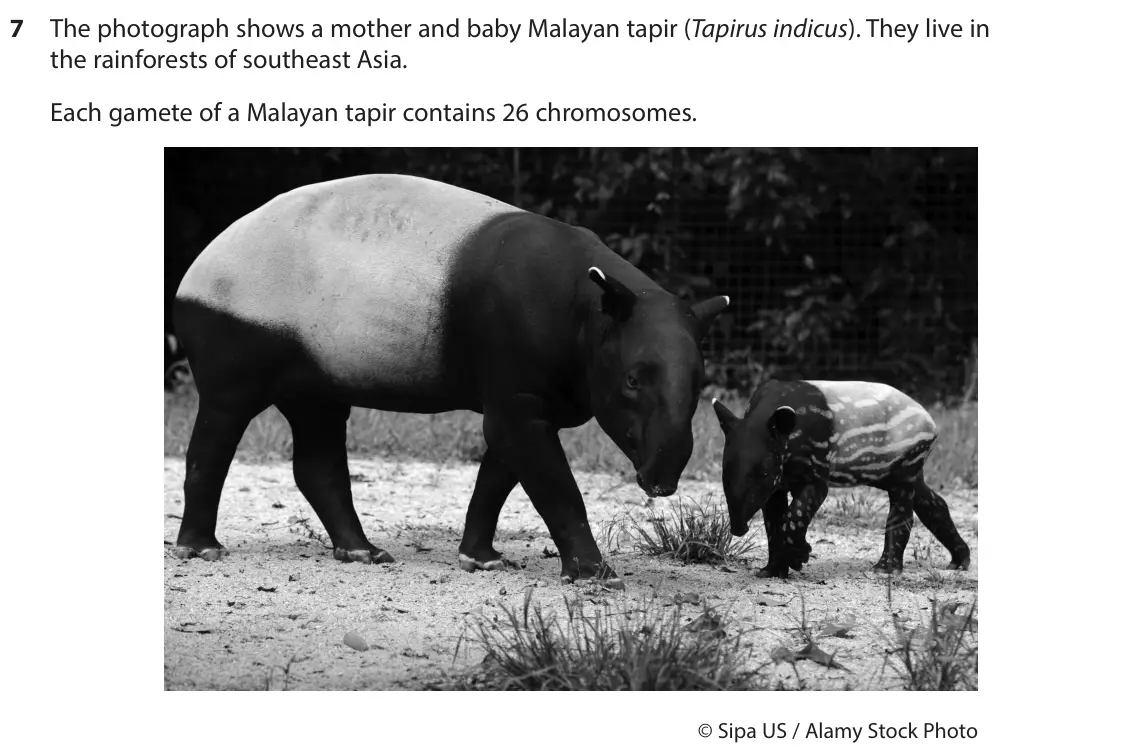
Q1(b)
The whole paper ↗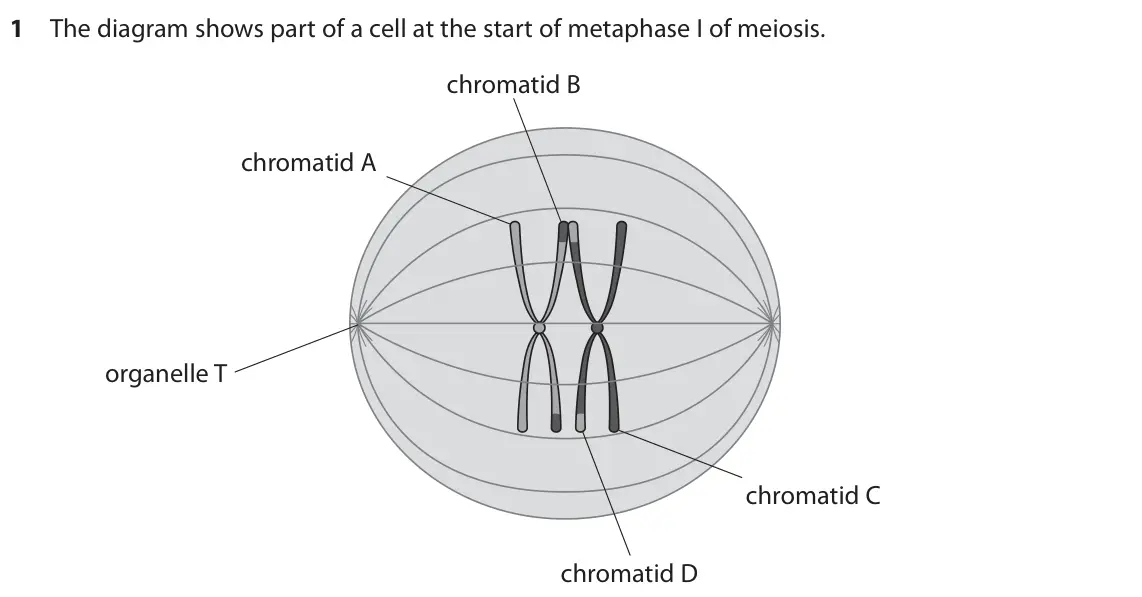
Q1(c)
The whole paper ↗Q8(c)
The whole paper ↗
Q6(a)(i)
The whole paper ↗
Q6(a)(ii)
The whole paper ↗Q6(b)
The whole paper ↗Your answerQ6(c)
The whole paper ↗Q2(a)(i)
The whole paper ↗
Q2(a)(ii)
The whole paper ↗Q8(a)(i)
The whole paper ↗
Q6(a)(i)
The whole paper ↗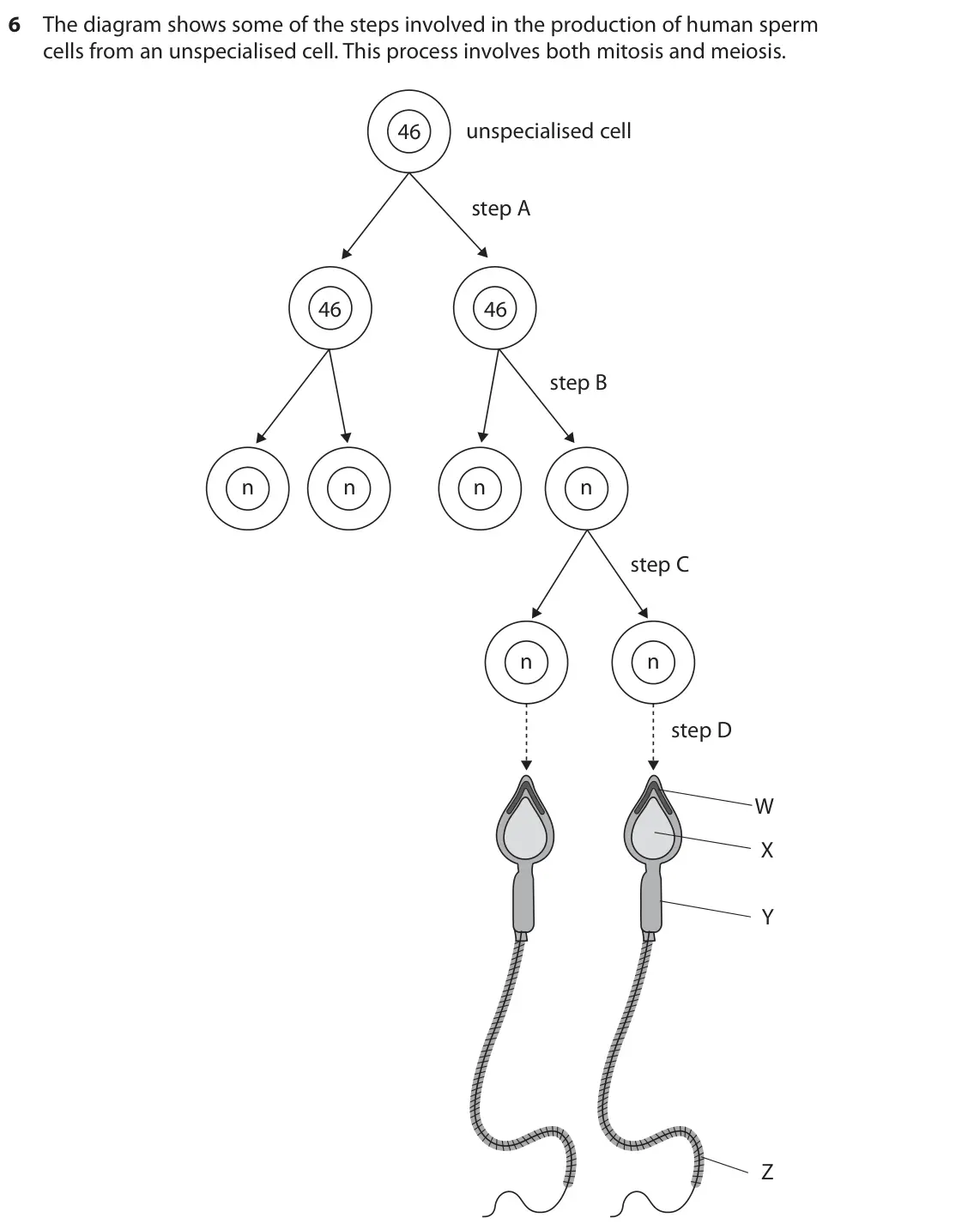
Q4(b)(ii)
The whole paper ↗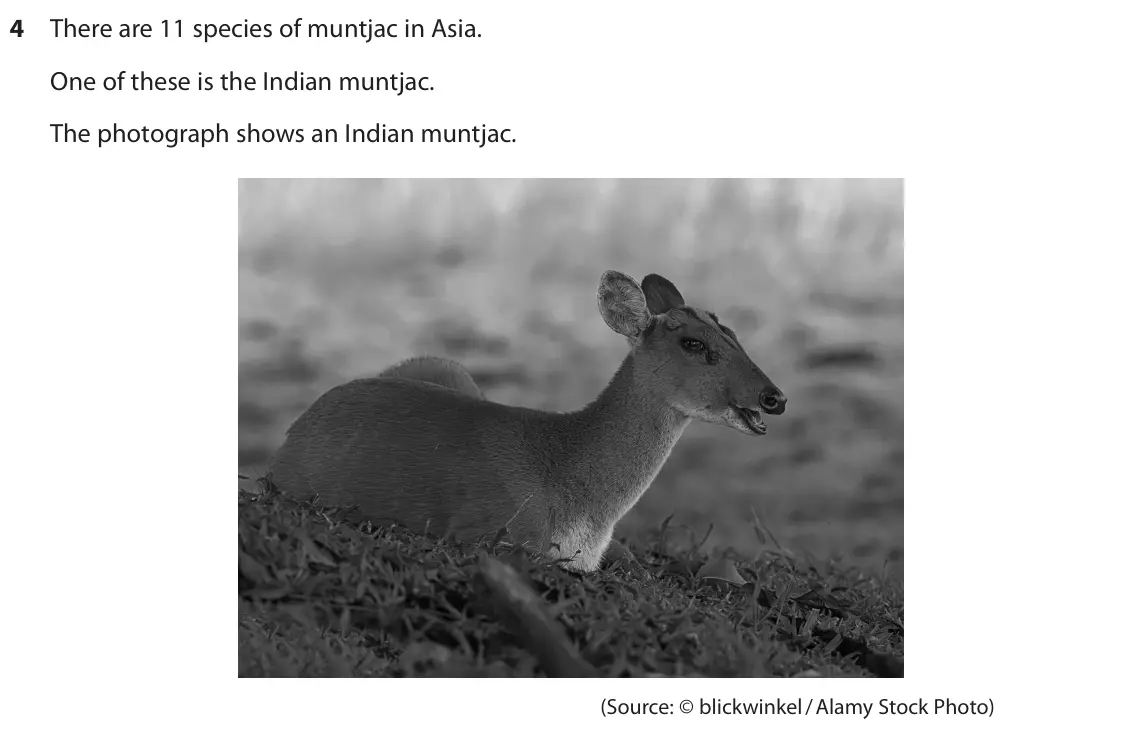
Q4(c)
The whole paper ↗Q7(a)
The whole paper ↗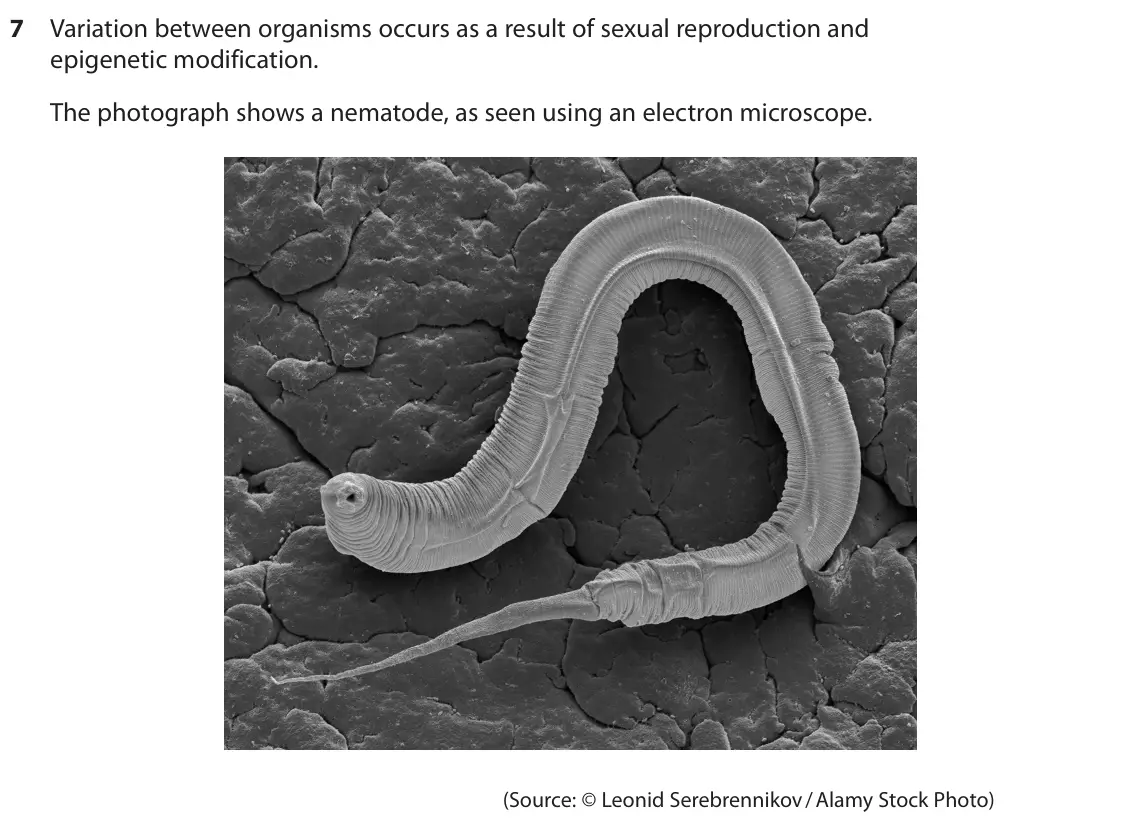
All 32 questions on Meiosis and genetic variation, as a list
- June 2025, AS Unit 2, Q3(b)(i) (1 mark): Name the stage of meiosis when crossing over of chromatids occurs. (1)
- June 2025, AS Unit 2, Q3(b)(ii) (2 marks): Describe two other processes that can give rise to genetic variation in the offspring of the passion flower. (2) 1 2
- January 2025, AS Unit 2, Q5(a) (3 marks): Complete this graph to show how the DNA content per cell would change when a cell, with 2 a.u. of DNA, undergoes meiosis to produce gametes. (3) 6 4 DNA content
- October 2024, AS Unit 2, Q6(b)(i) (4 marks): A zygote is formed at fertilisation. Explain how an error in meiosis could result in the production of a zygote with three copies of chromosome 13. (4)
- October 2024, AS Unit 2, Q6(c) (1 mark): An individual can also develop Patau syndrome if part of chromosome 13 becomes attached to a different chromosome during prophase I. Suggest a reason why part o
- June 2024, AS Unit 2, Q7(a) (3 marks): The body cells of the mother Malayan tapir have some genetic similarities to and differences from the cells of her baby. Explain why the body cells of the mothe
- October 2023, AS Unit 2, Q1(b) (2 marks): Explain why it is possible for chromatid A to be genetically different from chromatid B. (2)
- October 2023, AS Unit 2, Q1(c) (2 marks): A student was asked to draw the four haploid cells produced by this cell in metaphase I of meiosis. The diagram shows the incomplete drawings produced by this s
- October 2023, AS Unit 2, Q8(c) (3 marks): An individual organism that can produce both egg cells and sperm cells is said to be a hermaphrodite. Blue dragons (Glaucus atlanticus) are sea slugs that are h
- June 2023, AS Unit 2, Q6(a)(i) (3 marks): Explain how meiosis causes this genetic variation. (3)
- June 2023, AS Unit 2, Q6(a)(ii) (2 marks): Give two differences in the arrangement of the DNA in a cell at the beginning of interphase and at the end of prophase I. (2) 1 2
- June 2023, AS Unit 2, Q6(b) (1 mark): The DNA content of two cells was compared. Cell A was undergoing mitosis. The mass of DNA in the cell in prophase was 12 pg. Cell B was undergoing meiosis. The
- June 2023, AS Unit 2, Q6(c) (6 marks): Plants can produce seeds from either cross‑fertilisation or self‑fertilisation. Self‑fertilisation occurs when male nuclei from a flower fertilises an egg cell
- January 2023, AS Unit 2, Q2(a)(i) (1 mark): Complete the diagram to show the number of chromosomes in the female and male gametes. (1)
- January 2023, AS Unit 2, Q2(a)(ii) (1 mark): Label the part of the diagram where meiosis would have occurred. (1)
- January 2023, AS Unit 2, Q8(a)(i) (1 mark): It was suggested that this mutant allele arose in meiosis during prophase I. Suggest how this mutant allele could be produced in prophase I. (1)
- October 2022, AS Unit 2, Q6(a)(i) (2 marks): The unspecialised cell is diploid. State the types of division occurring at step A and step B. (2) step A . step B
- June 2022, AS Unit 2, Q4(b)(ii) (3 marks): Explain how the chromosomes of an Indian muntjac egg cell could differ from those in a body cell. (3)
- June 2022, AS Unit 2, Q4(c) (2 marks): Chinese muntjac cells contain 23 pairs of chromosomes. The photograph shows a Chinese muntjac. (Source: © Design Pics Inc / Alamy Stock Photo) The Chinese muntj
- October 2021, AS Unit 2, Q7(a) (6 marks): Animals of this species are either male or hermaphrodites. Nematodes that inherit one sex chromosome are male. Nematodes that inherit two sex chromosomes are he
- October 2021, AS Unit 2, Q8(b)(i) (3 marks): Compare and contrast metaphase in mitosis and meiosis. (3)
- June 2021, AS Unit 2, Q3(b)(i) (1 mark): Name the stage of meiosis in which crossing over begins. (1)
- June 2021, AS Unit 2, Q3(b)(ii) (1 mark): How many of the following combinations could result from one crossover of the chromosomes shown in the diagram? • AbE • ABe • abE • abe (1) A one B two C three
- June 2021, AS Unit 2, Q6(b) (6 marks): Organisms have evolved different mating strategies such as: • Some male animals have sperm cells with longer middle regions, as shown in the diagram. middle reg
- June 2021, Unit 4, Q1(b)(iv) (1 mark): It was suggested that the chromosomes in class 2 mosses were found in pairs. Give the evidence that supports this suggestion. (1)
- January 2021, AS Unit 2, Q3(b) (4 marks): The photograph shows flowers from a silver trumpet tree in Thailand. (Source: © Picture/Shutterstock) Flowering plants such as the silver trumpet tree contain s
- October 2020, AS Unit 2, Q3(b)(ii) (2 marks): Complete the graph to show how the DNA content would change if the cell had undergone meiosis to form gametes. (2) 6 4 DNA content / a.u. 2 0 0 5 10 15 20 25 Ti
- October 2020, AS Unit 2, Q7(a)(i) (1 mark): In which stage of meiosis does independent assortment occur? (1) A metaphase I B metaphase II C telophase I D telophase II
- October 2020, AS Unit 2, Q7(a)(ii) (1 mark): In which stage of meiosis does crossing over occur? (1) A metaphase I B metaphase II C prophase I D prophase II
- October 2020, AS Unit 2, Q7(b) (3 marks): Genetic variation increases due to the production of new combinations of alleles. A cell has gene A and gene B with alleles A, a and B, b. Meiosis could produce
- January 2020, AS Unit 2, Q4(c) (3 marks): Pea plants produce flowers. Some cells in the flowers undergo meiosis. Explain how the separation of chromosomes in meiosis gives rise to genetic variation in t
- June 2019, AS Unit 2, Q3(a) (2 marks): Meiosis produces gametes that are genetically different. Crossing over is important to increase genetic variation. The diagram shows one pair of homologous chro
Questions, mark schemes and examiner’s reports are © Pearson Edexcel, from their published past papers. Plumi isn’t affiliated with any exam board. Want whole papers? Edexcel International A Level Biology past papers.
The Plumi iPad app also offers exam-style questions with AI feedback on your handwritten working.