 plumi
Niche and adaptation: Edexcel International A Level Biology questions
Edexcel International A Level Biology past-paper questions on 4.6.1 Niche and adaptation, 2019–2025, with mark schemes and examiner’s reports where available.
Paper
All papers
Exam
All years
Calculations
Q6(b)(i)
The whole paper ↗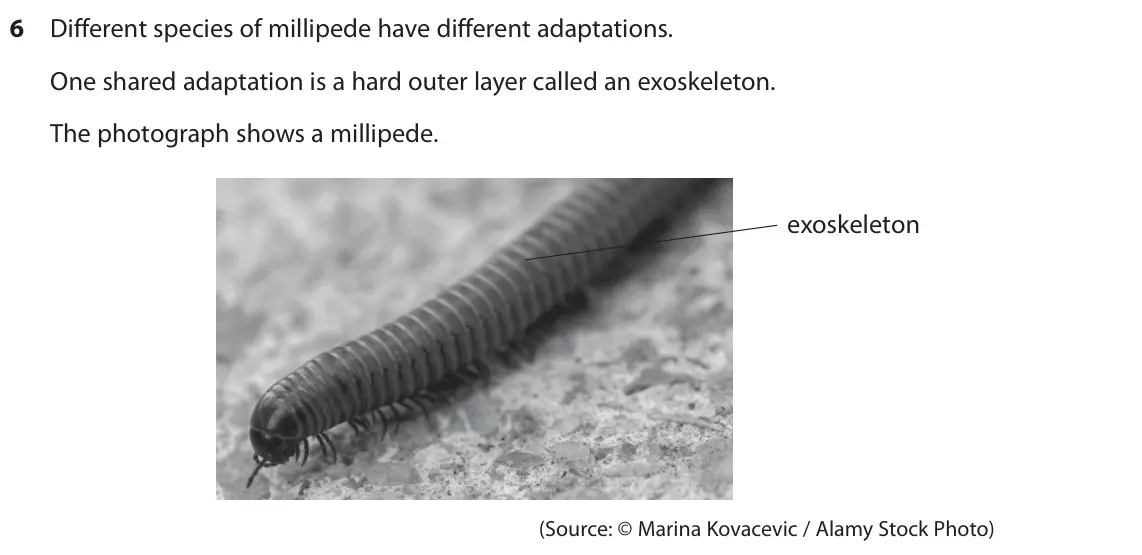
Q8(c)(i)
The whole paper ↗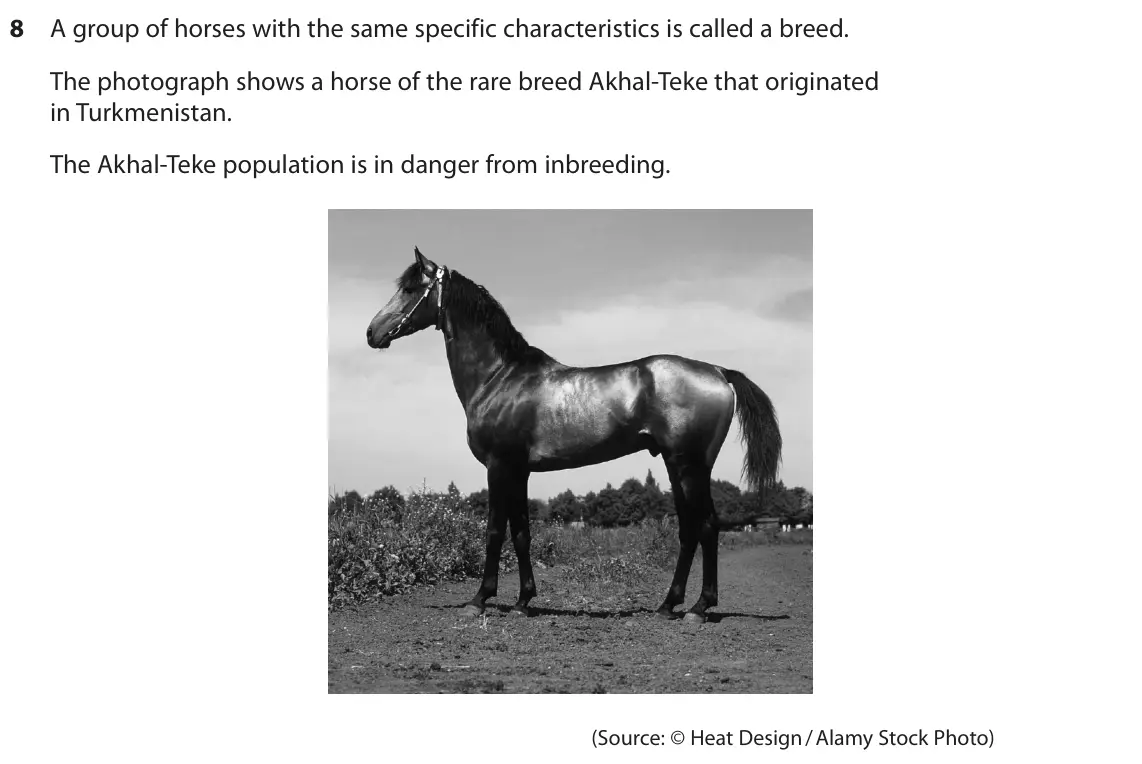
Q3(a)
The whole paper ↗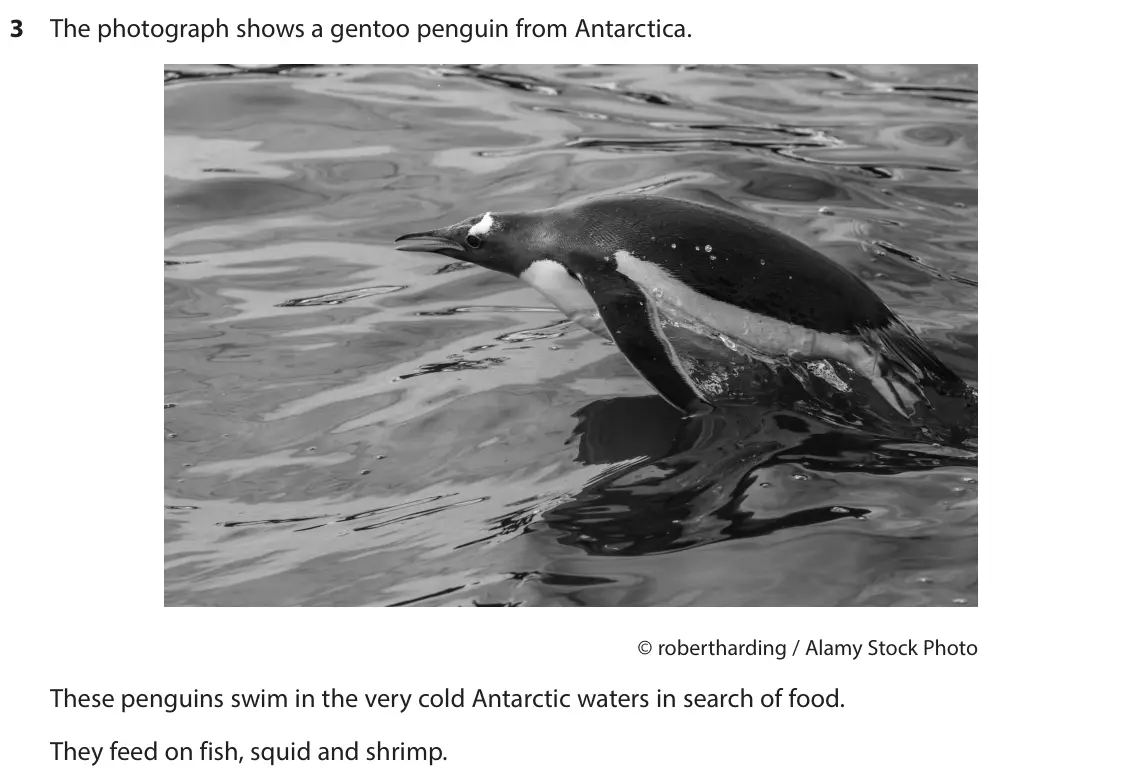
Q3(a)(i)
The whole paper ↗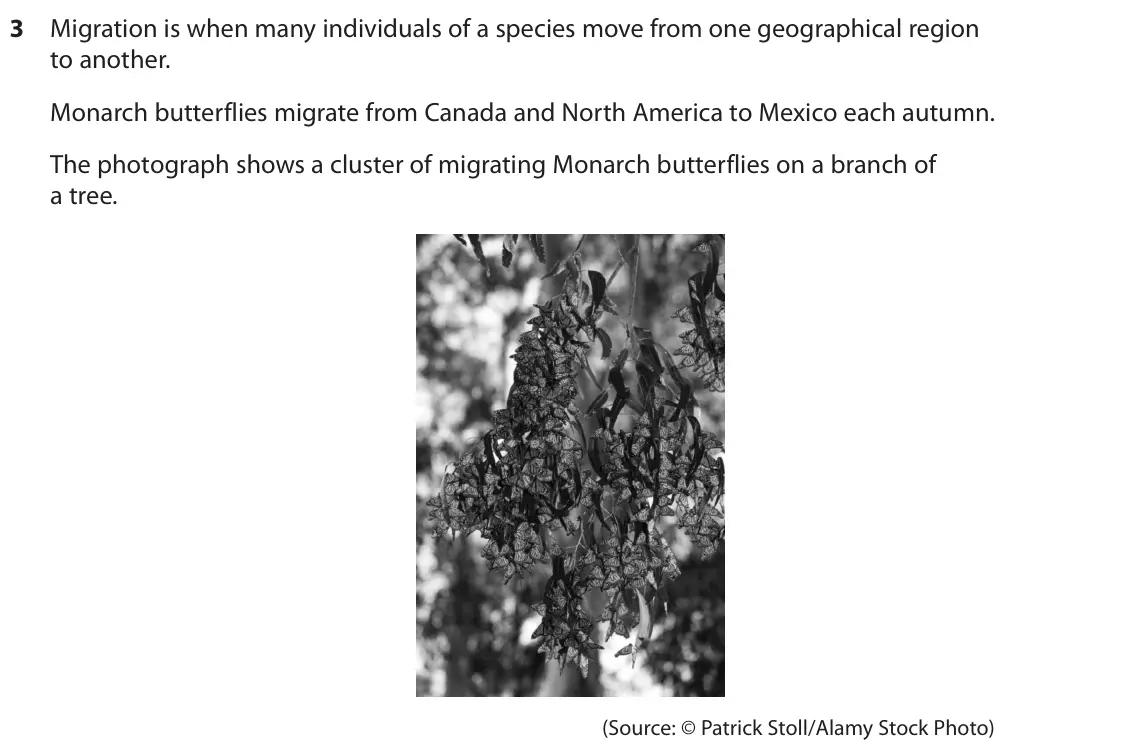 Your answer
Q3(c)(i)
The whole paper ↗
Q6(a)(i)
The whole paper ↗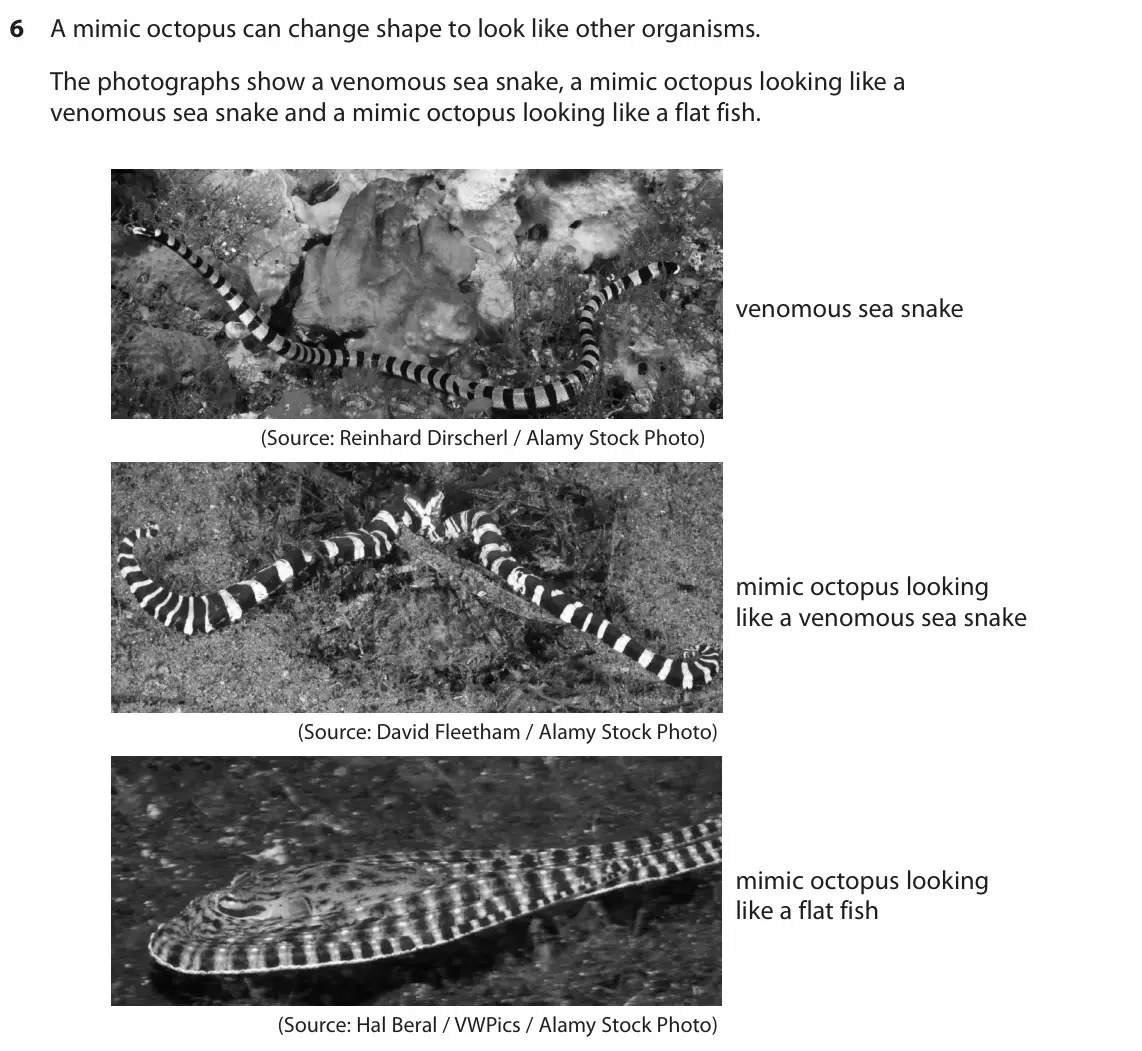
Q6(a)(ii)
The whole paper ↗Q6(a)(iii)
The whole paper ↗Q5(a)(ii)
The whole paper ↗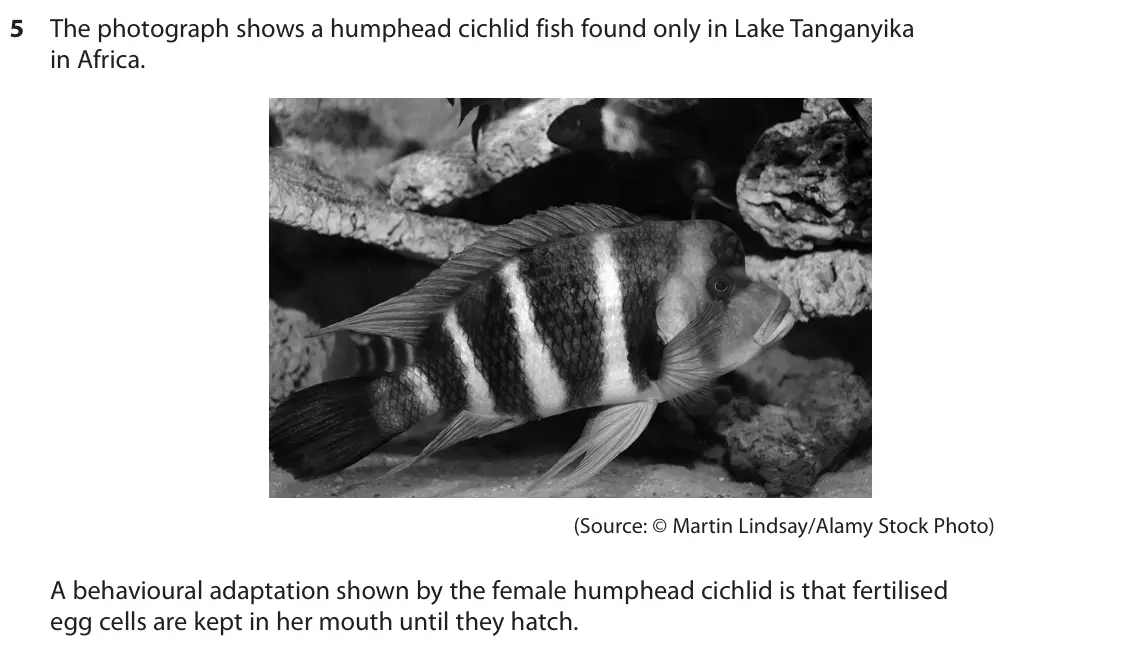
Q8(a)
The whole paper ↗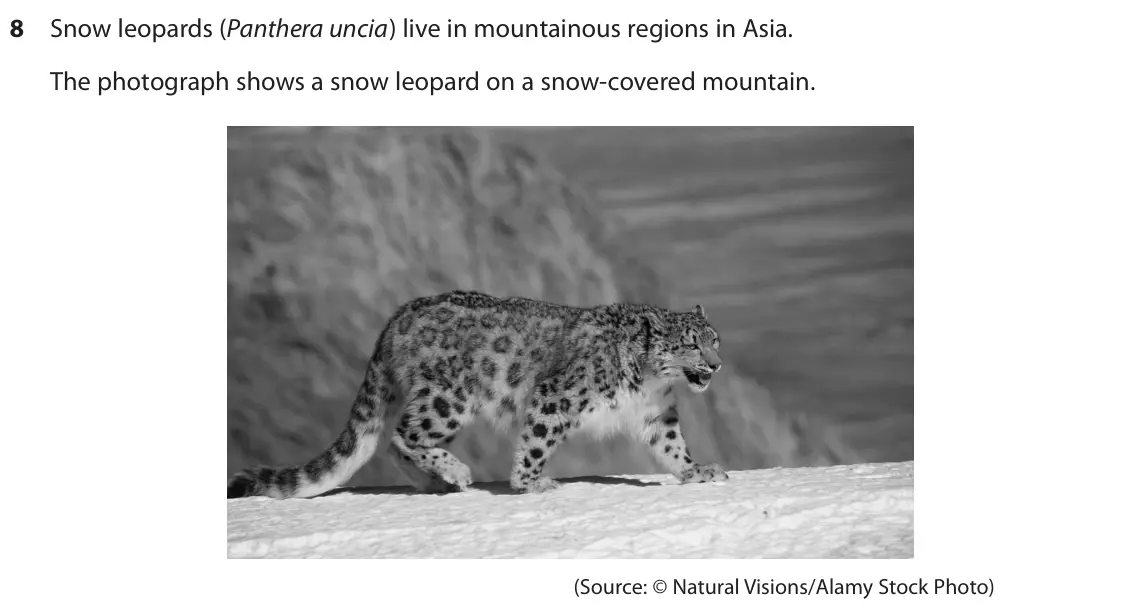
Q7(b)(iii)
The whole paper ↗
Q8(a)
The whole paper ↗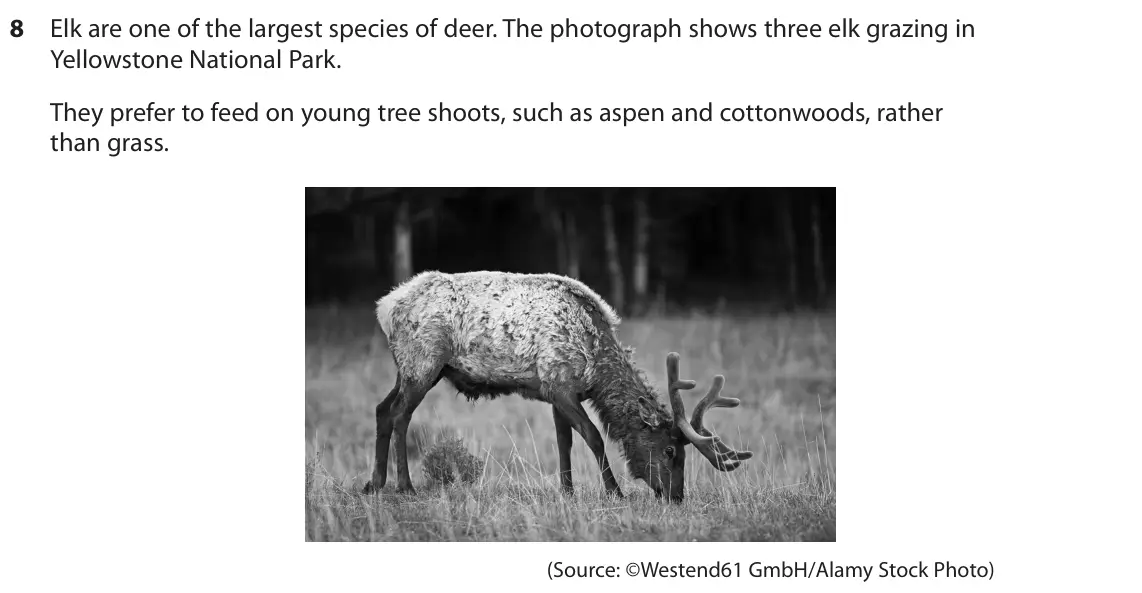
Q8(b)
The whole paper ↗Q4(a)(i)
The whole paper ↗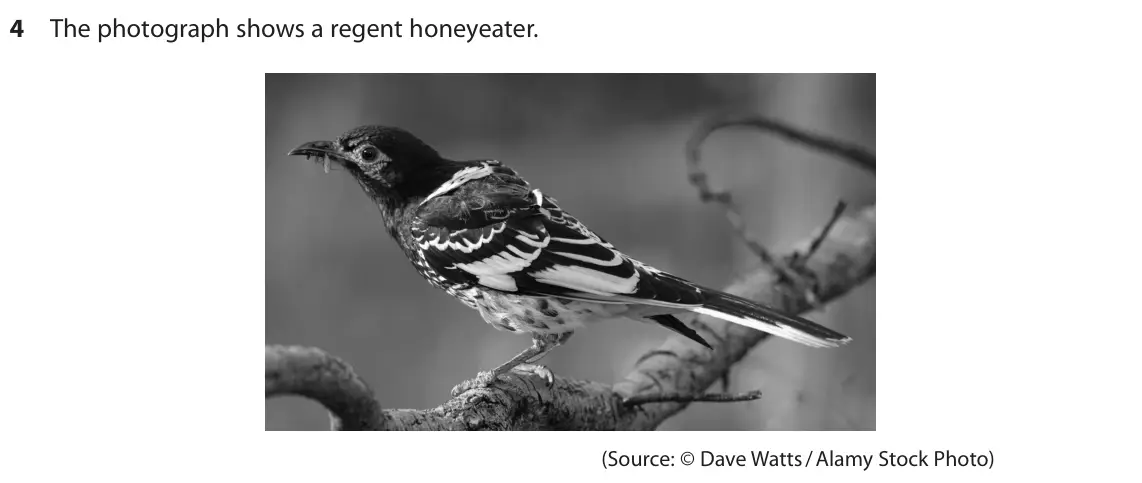
Q4(a)(ii)
The whole paper ↗Q5(b)
The whole paper ↗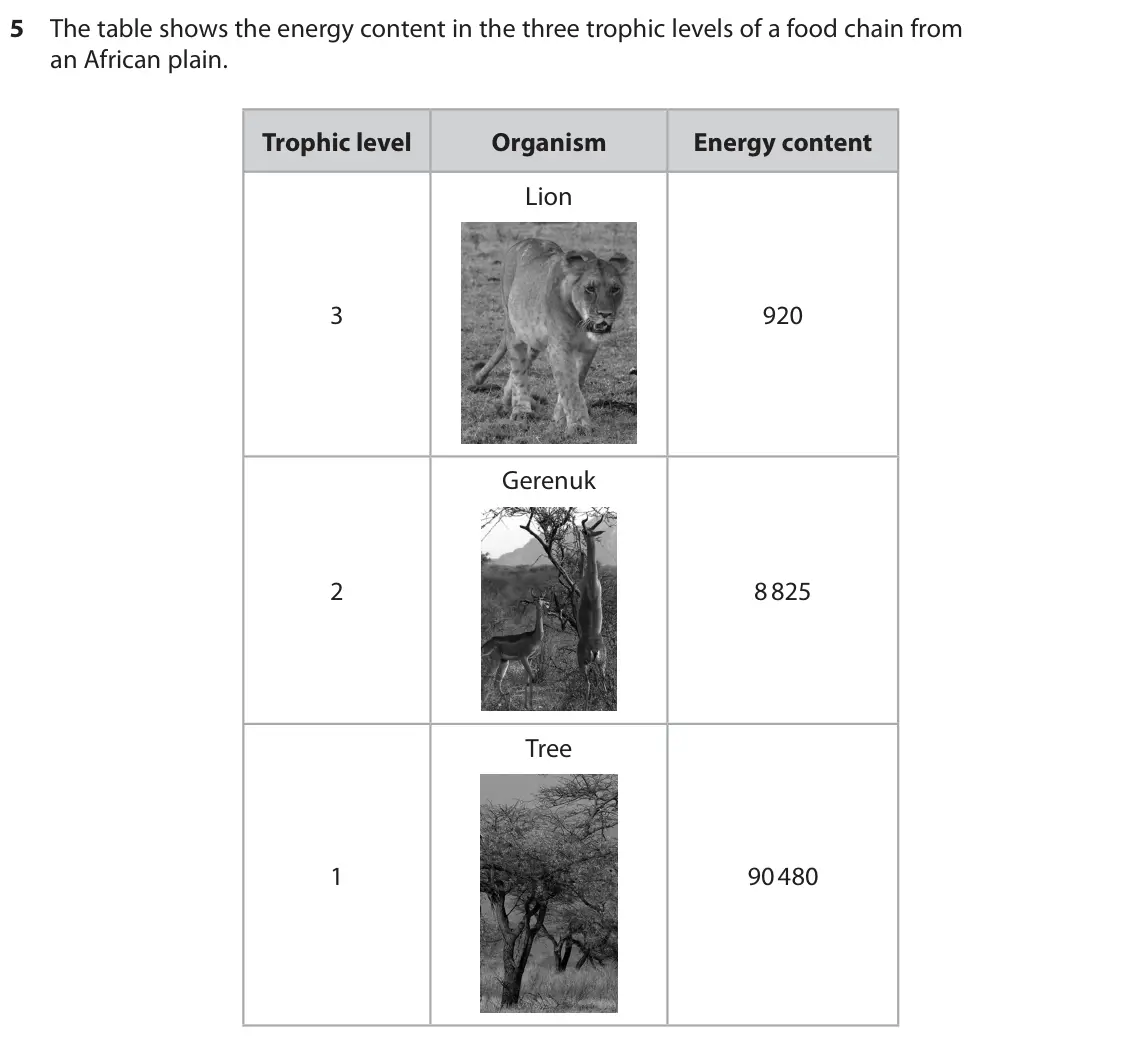
Q9(b)(i)
The whole paper ↗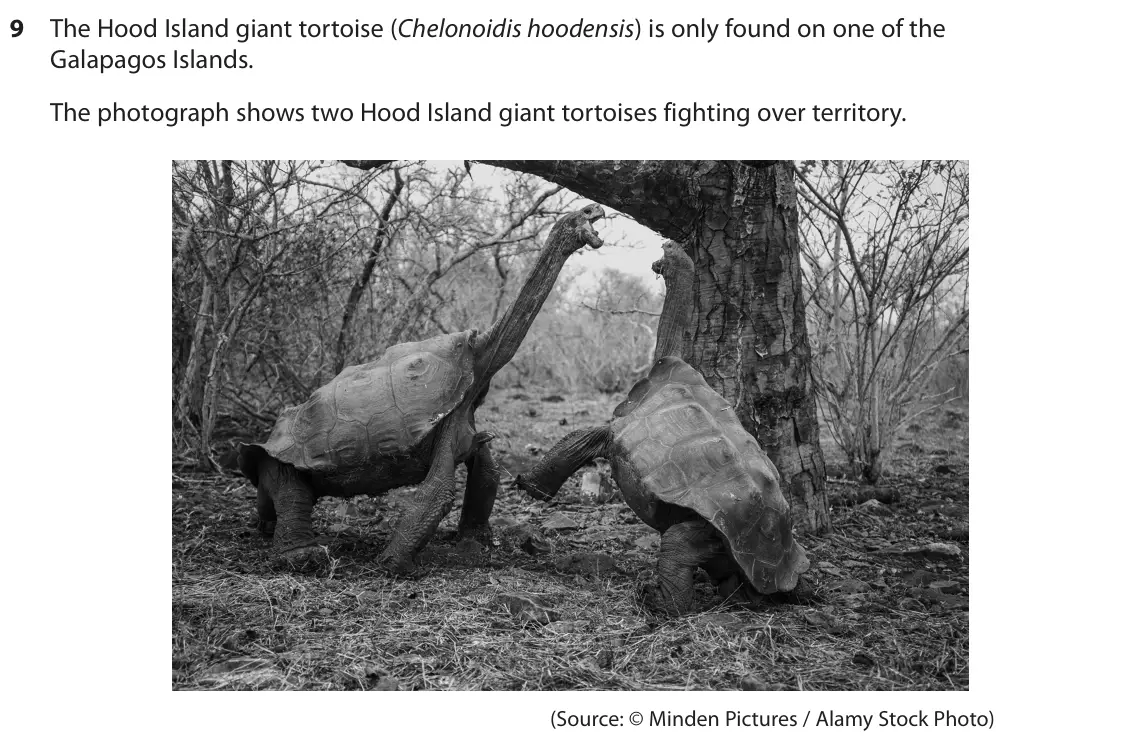
Q9(b)(ii)
The whole paper ↗Q1(a)
The whole paper ↗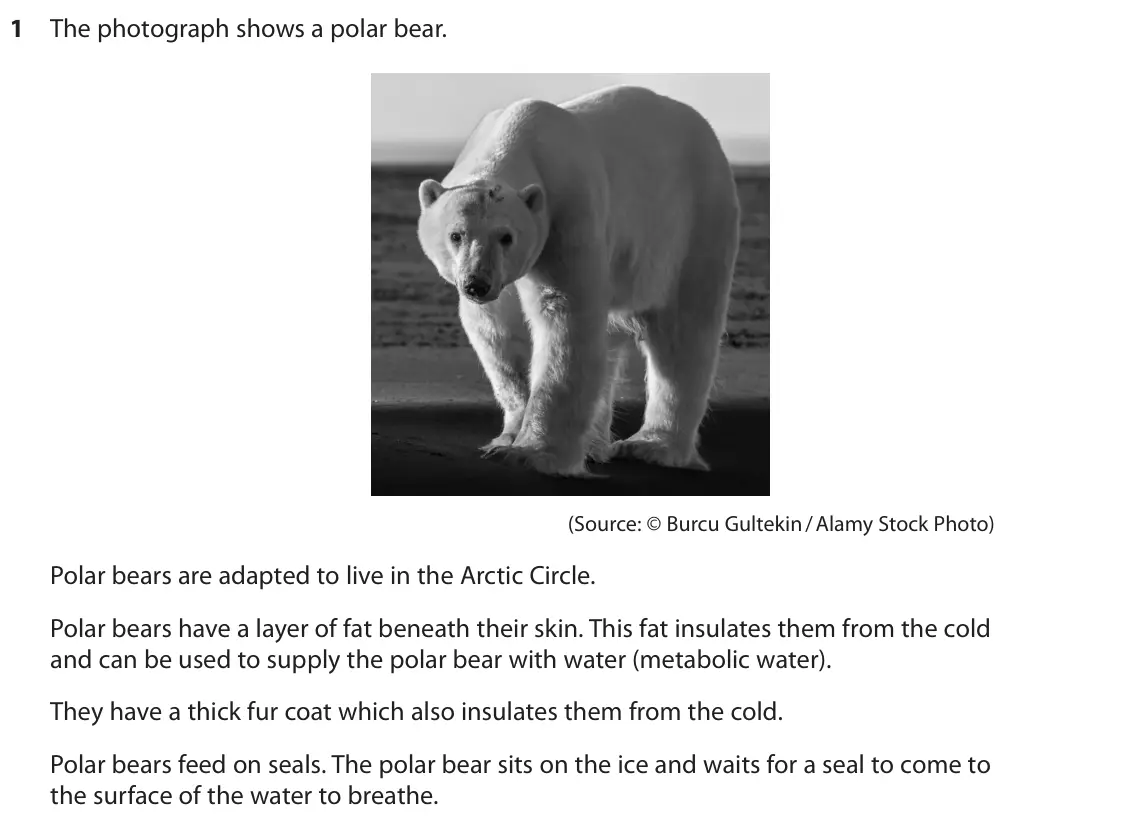 Your answer
Q1(b)
The whole paper ↗Your answer
All 36 questions on Niche and adaptation, as a list
- January 2025, AS Unit 2, Q6(b)(i) (2 marks): It has an exoskeleton and 200 poison glands. Suggest why this millipede has these adaptations. (2) Hard exoskeleton Poison glands
- October 2024, AS Unit 2, Q8(c)(i) (1 mark): The Caspian breed has small hooves in proportion to its mass, whereas the closely-related Arabian breed has large hooves in proportion to its mass. Suggest one
- June 2024, AS Unit 2, Q3(a) (2 marks): Explain two anatomical adaptations of these penguins that enable them to survive in this environment. Use the information in the question to support your answer
- January 2024, AS Unit 2, Q3(a)(i) (1 mark): Migration is an example of which type of adaptation? (1) A anatomical B behavioural C isolational D physiological
- January 2024, Unit 4, Q3(c)(i) (2 marks): Suggest two adaptations needed for this change in behaviour of the flies. (2)
- October 2023, AS Unit 2, Q6(a)(i) (1 mark): State what is meant by the term niche. (1)
- October 2023, AS Unit 2, Q6(a)(ii) (1 mark): The mimic octopus has the same banding pattern as the venomous sea snake. Name this type of adaptation. (1)
- October 2023, AS Unit 2, Q6(a)(iii) (2 marks): Suggest why the mimic octopus would change its appearance to look like a flat fish and a venomous sea snake. (2) Flat fish Venomous sea snake
- June 2023, AS Unit 2, Q5(a)(ii) (2 marks): Suggest why the female humphead cichlids have this behavioural adaptation. Give a reason for your answer. (2)
- June 2023, AS Unit 2, Q8(a) (1 mark): Give one reason for a named anatomical adaptation of this snow leopard that enables it to occupy its niche. Use the information in the photograph to support you
- January 2023, Unit 4, Q7(b)(iii) (3 marks): Suggest the advantages of: • laying the egg in the sand • the adults leaving the site • the young birds being able to fly. (3)
- June 2022, AS Unit 2, Q8(a) (3 marks): Wolves were introduced into Yellowstone National Park in 1995. Wolves are predators of elk. Before the introduction of wolves, elk grazed undisturbed, eating al
- June 2022, AS Unit 2, Q8(b) (3 marks): The photograph shows a beaver. (Source: © Ian MacNicol/Getty Images) The graph shows the mean beaver lifespan in areas with different numbers of elk per km2. 80
- June 2022, Unit 4, Q4(a)(i) (1 mark): Suggest why a large proportion of these male birds no longer sing the characteristic songs of regent honeyeaters. (1)
- June 2022, Unit 4, Q4(a)(ii) (3 marks): Explain the effect that this could have on the future of this species. (3)
- June 2022, Unit 4, Q5(b) (6 marks): The photographs show gerenuk and a springbok to the same magnification. gerenuk (Source: © David Havel / Alamy Stock Photo) springbok The table gives some infor
- January 2022, AS Unit 2, Q9(b)(i) (3 marks): Complete the table to show the type of adaptations shown by this tortoise. (3) Feature Type of adaptation long neck shell that arches above neck making themselv
- January 2022, AS Unit 2, Q9(b)(ii) (1 mark): Suggest one selection pressure that results in the development of one of these features. (1)
- January 2022, Unit 4, Q1(a) (1 mark): Which row of the table describes the types of adaptation of polar bears? (1) Anatomical Behavioural Physiological produces hunting by sitting A thick fur coat m
- January 2022, Unit 4, Q1(b) (1 mark): What is the niche of a polar bear? (1) A produces metabolic water B the Arctic Circle C controls the population size of seals D uses the layer of fat beneath th
- January 2022, Unit 4, Q1(c) (2 marks): Suggest why the polar bear needs to rely on the store of fat to provide it with water. (2)
- October 2021, AS Unit 2, Q2(a)(ii) (1 mark): State what is meant by the term habitat. (1)
- October 2021, AS Unit 2, Q2(c) (2 marks): Common wombats dig burrows to live in. They have adaptations to help them to do this successfully. Describe two anatomical adaptations of a common wombat that h
- October 2021, AS Unit 2, Q6(c) (6 marks): Some plants contain chemicals that protect them from being eaten by animals. These chemicals taste bitter and can be converted by enzymes into hydrogen cyanide.
- October 2021, AS Unit 2, Q7(a) (6 marks): Animals of this species are either male or hermaphrodites. Nematodes that inherit one sex chromosome are male. Nematodes that inherit two sex chromosomes are he
- June 2021, AS Unit 2, Q6(b) (6 marks): Organisms have evolved different mating strategies such as: • Some male animals have sperm cells with longer middle regions, as shown in the diagram. middle reg
- June 2021, AS Unit 2, Q8(b)(ii) (6 marks): The fungus and the plant both benefit from this relationship. The fungus absorbs nutrients from the plant. The expression of certain genes in the plant cells is
- January 2021, AS Unit 2, Q2(a) (2 marks): This caterpillar is adapted to its niche. Complete the table to show the type of adaptations shown by this caterpillar. (2) Feature Type of adaptation looks lik
- January 2021, Unit 4, Q6(b) (6 marks): An investigation was carried out to see if the presence of stripes on cattle reduced the number of biting flies on their bodies. Three groups of black cattle we
- October 2020, AS Unit 2, Q8(a)(i) (2 marks): Describe two anatomical adaptations of the Tristan albatross that enable it to occupy its niche. Use the information in the photograph to support your answer. (
- October 2020, Unit 4, Q6(a) (1 mark): The volume of the smallest walnut is approximately 50 cm3. Calculate the approximate volume of the largest hazelnut, using the formula volume = 4 3 π l w2 where
- October 2020, Unit 4, Q6(b)(i) (3 marks): Design a laboratory investigation to find out which of these three types of nut ground squirrels prefer to eat. (3)
- October 2020, Unit 4, Q6(b)(ii) (3 marks): Predict the results of this investigation, giving reasons. Use the information in the table to support your answer. (3)
- January 2020, AS Unit 2, Q4(b) (3 marks): Suggest the advantages of tendrils for the pea plant. (3)
- January 2020, Unit 4, Q4(b)(i) (2 marks): Explain which examples of adaptation are illustrated by this moth. (2)
- January 2020, Unit 4, Q4(b)(ii) (2 marks): Suggest two advantages to the Oriental blue clearwing of resembling bees. (2)
Questions, mark schemes and examiner’s reports are © Pearson Edexcel, from their published past papers. Plumi isn’t affiliated with any exam board. Want whole papers? Edexcel International A Level Biology past papers.
The Plumi iPad app also offers exam-style questions with AI feedback on your handwritten working.