 plumi
Classification and the species concept: Edexcel International A Level Biology questions
Edexcel International A Level Biology past-paper questions on 4.4.1 Classification and the species concept, 2019–2025, with mark schemes and examiner’s reports where available.
Paper
All papers
Exam
All years
Calculations
Q8(a)
The whole paper ↗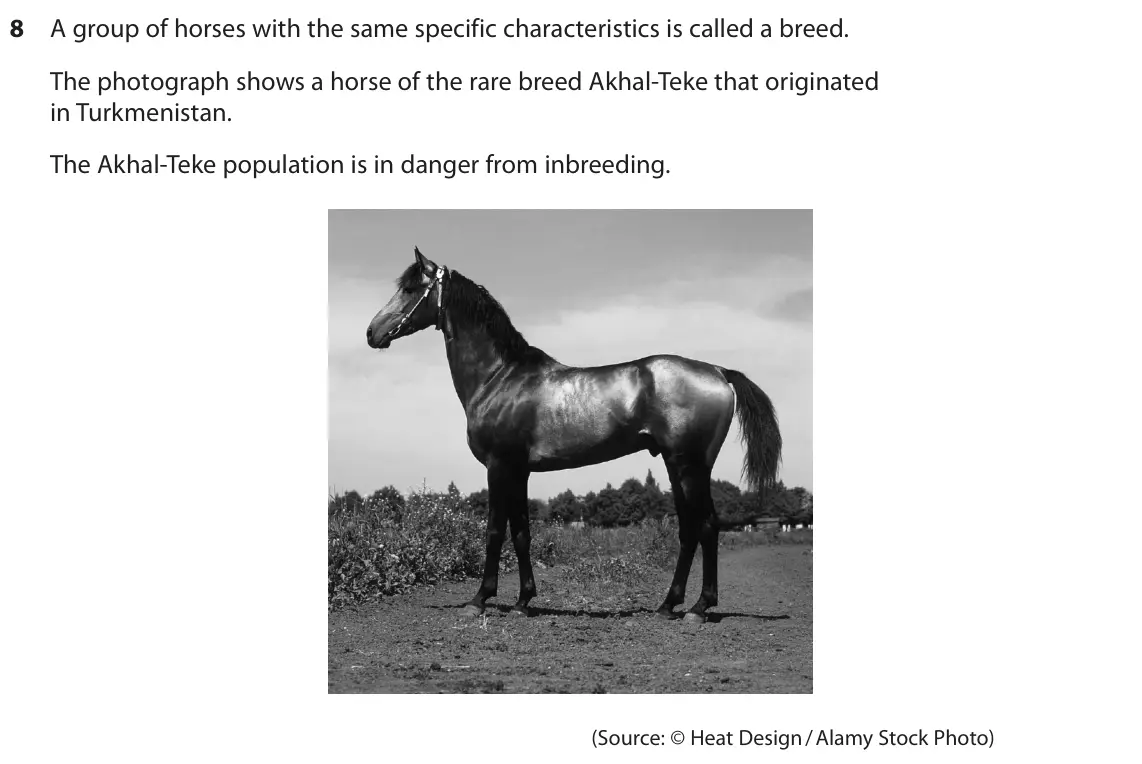
Q3(b)(i)
The whole paper ↗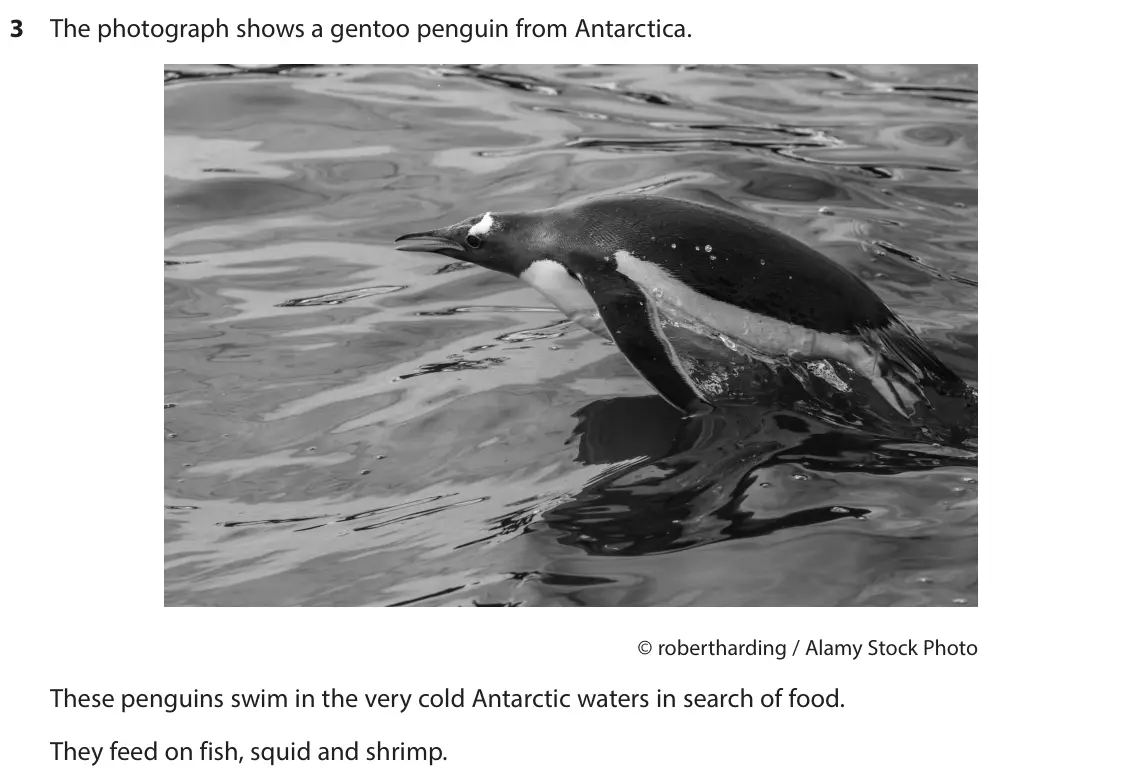
Q8(d)(iii)
The whole paper ↗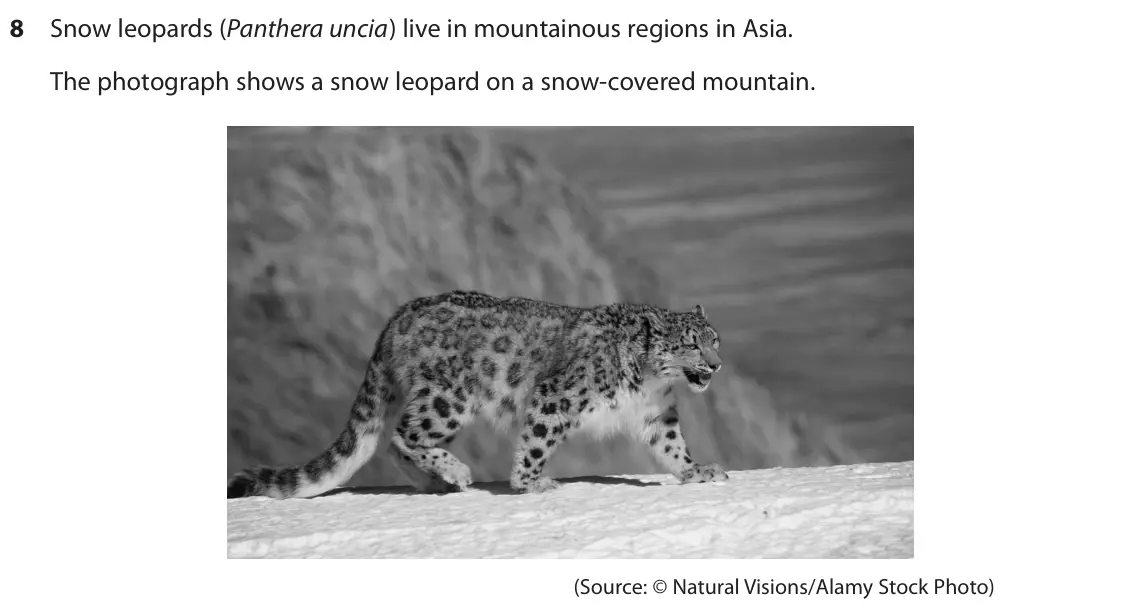
Q5(a)
The whole paper ↗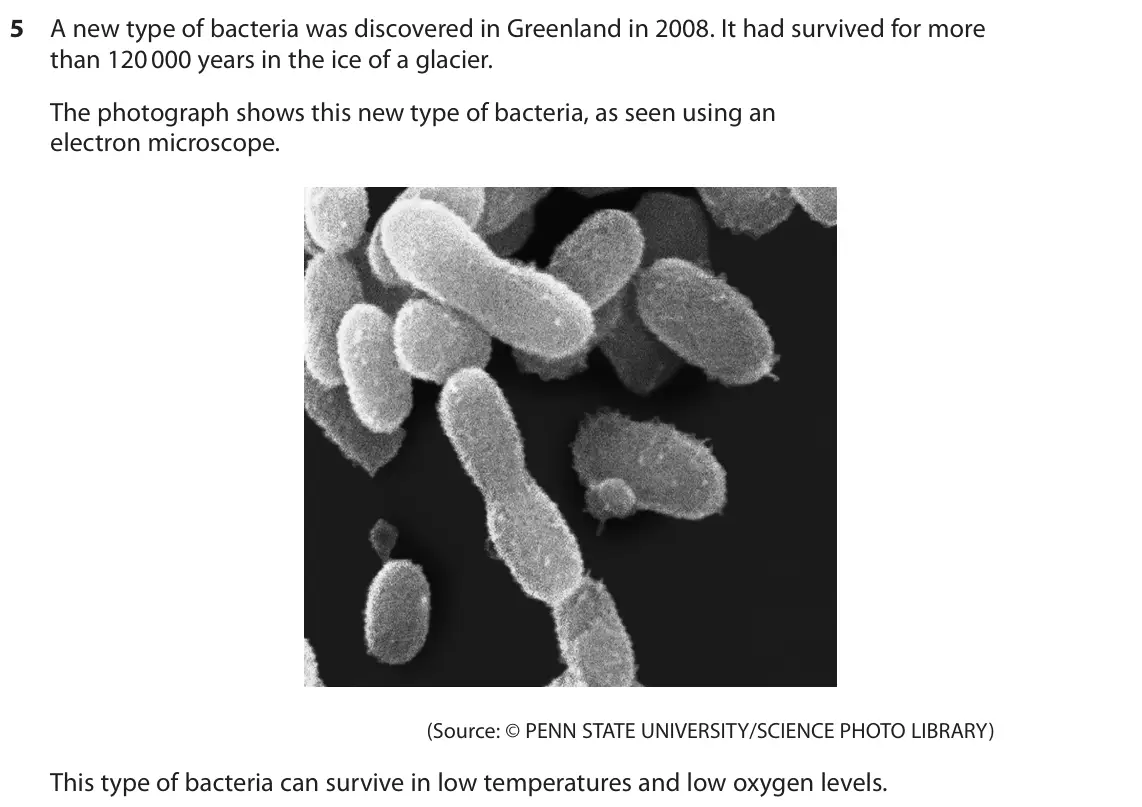
Q4(c)
The whole paper ↗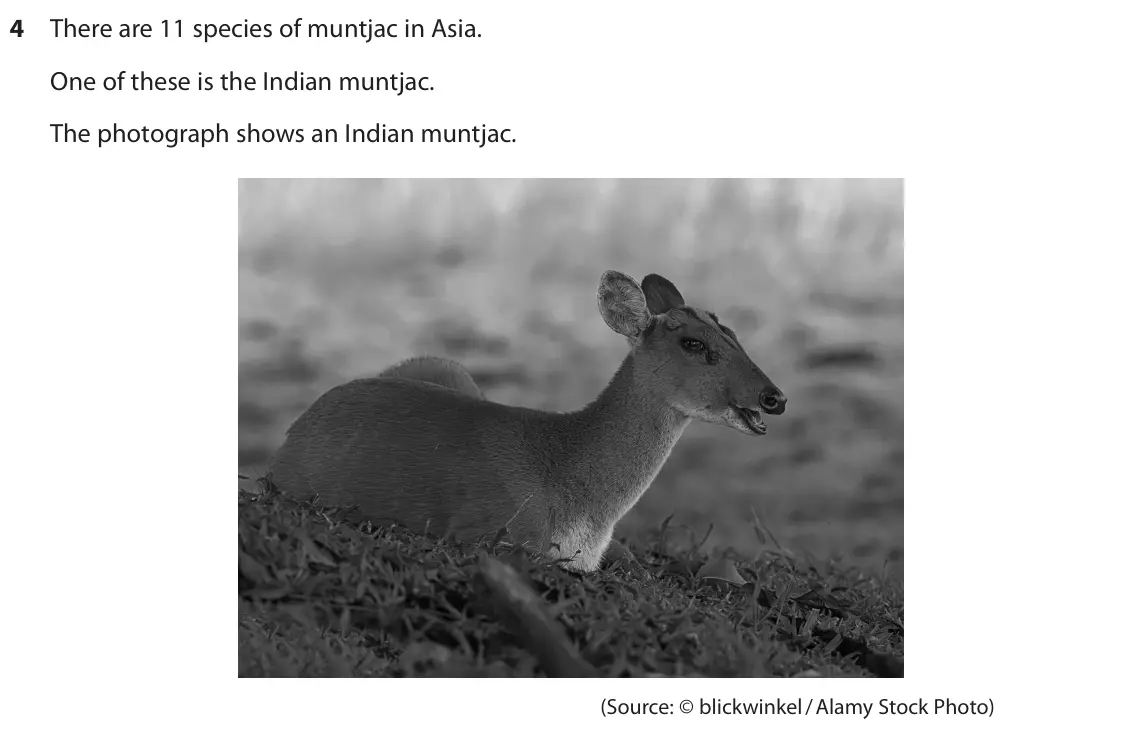
Q5(c)
The whole paper ↗
Q4(b)
The whole paper ↗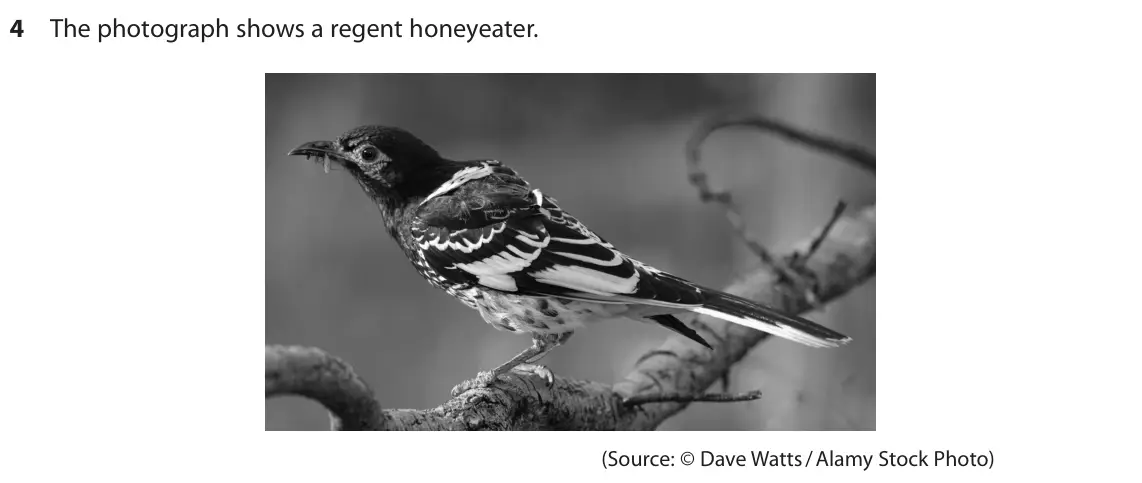
Q9(c)(iii)
The whole paper ↗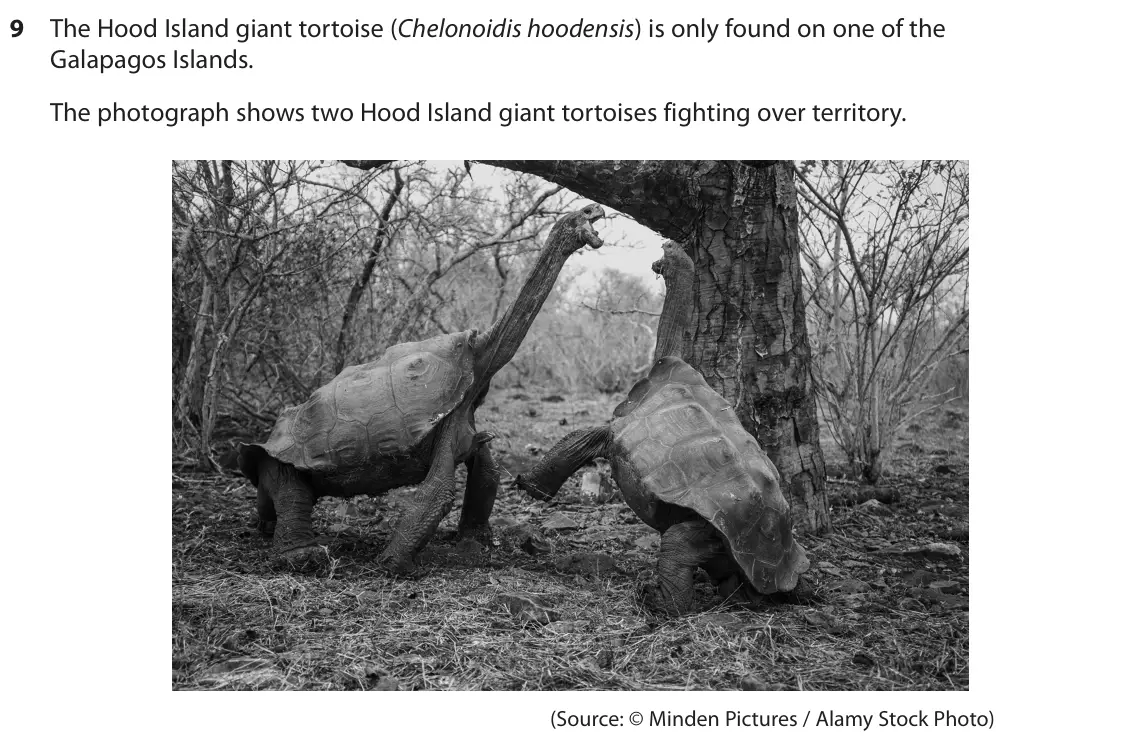
Q5(c)
The whole paper ↗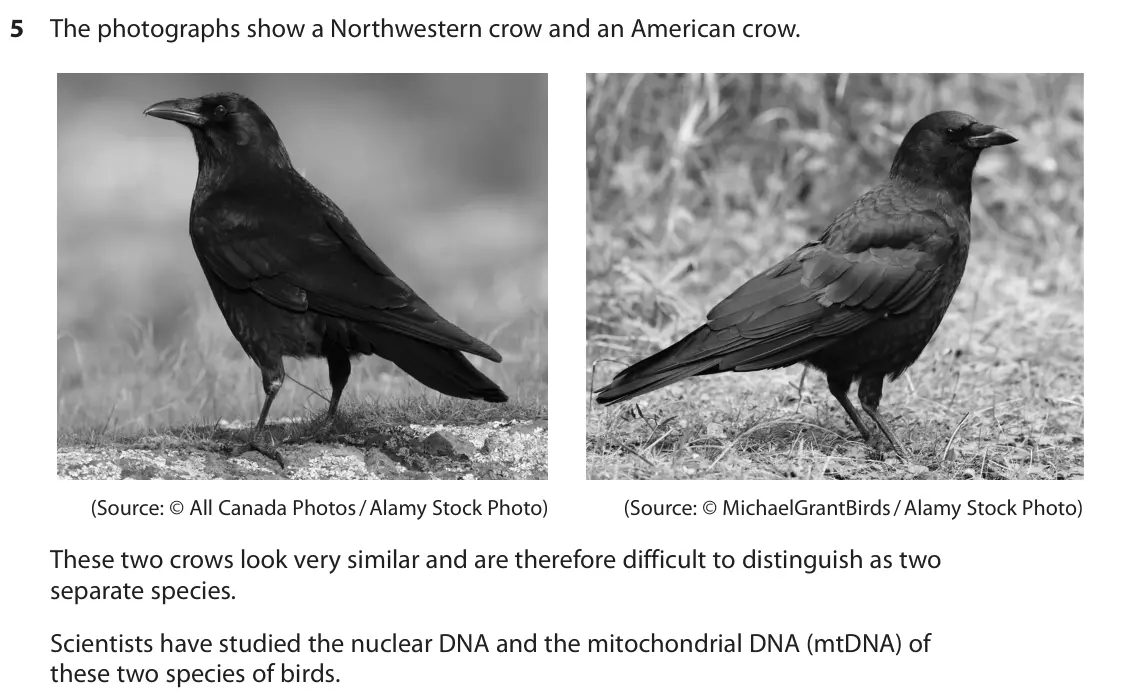
Q2(a)(iii)
The whole paper ↗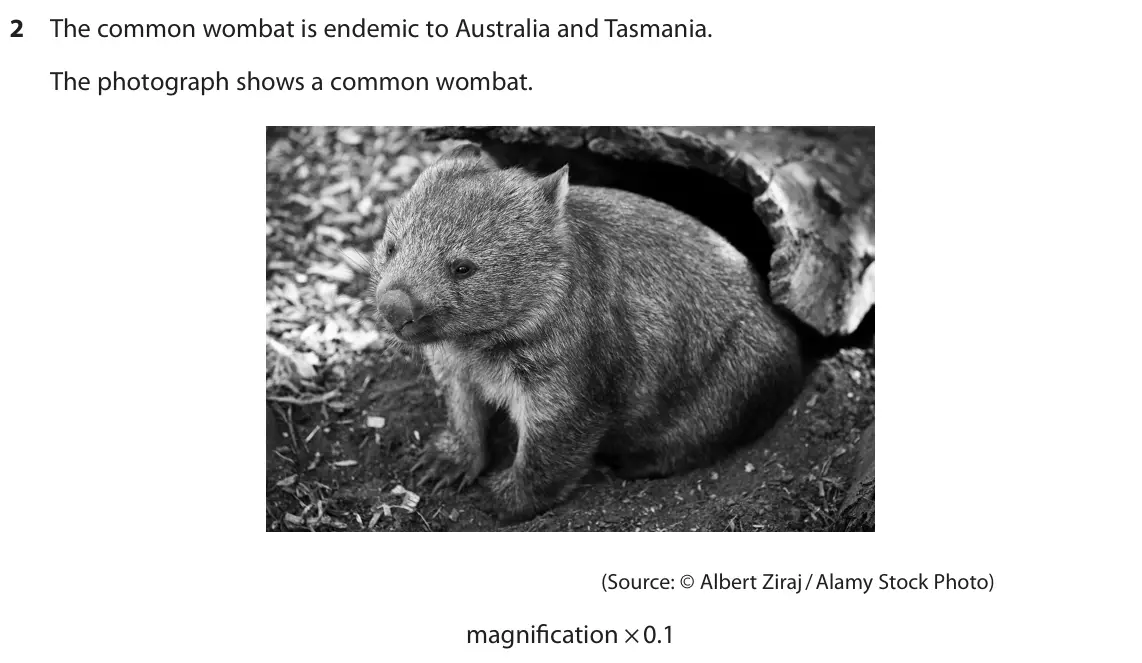
Q2(b)(ii)
The whole paper ↗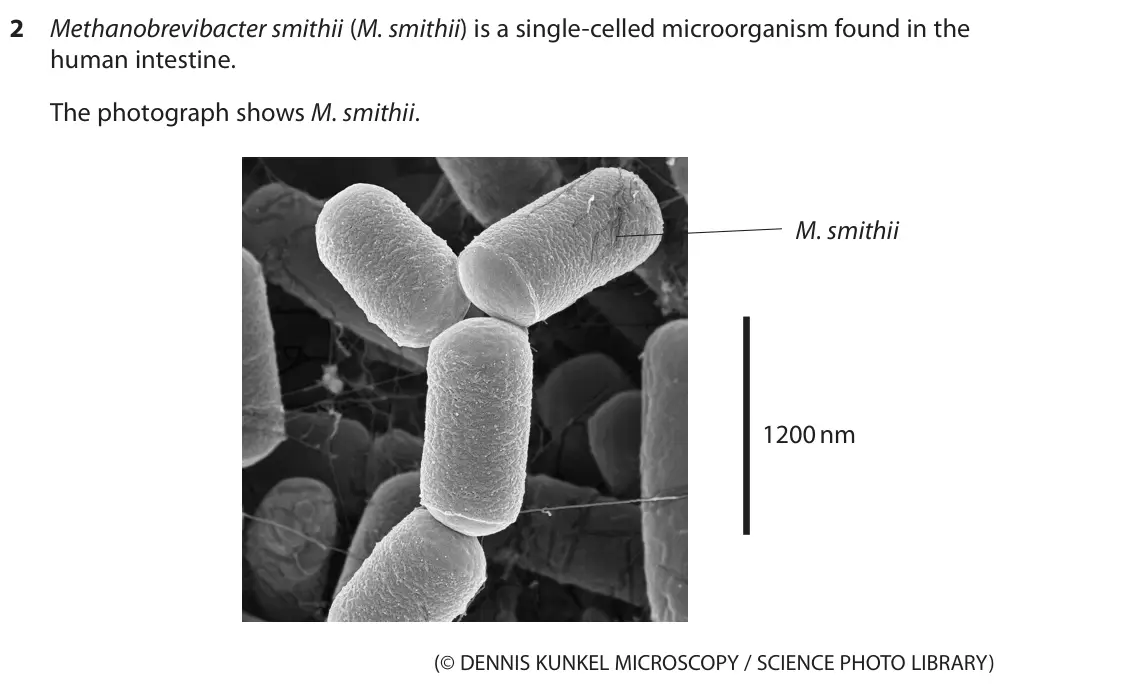
Q4(a)
The whole paper ↗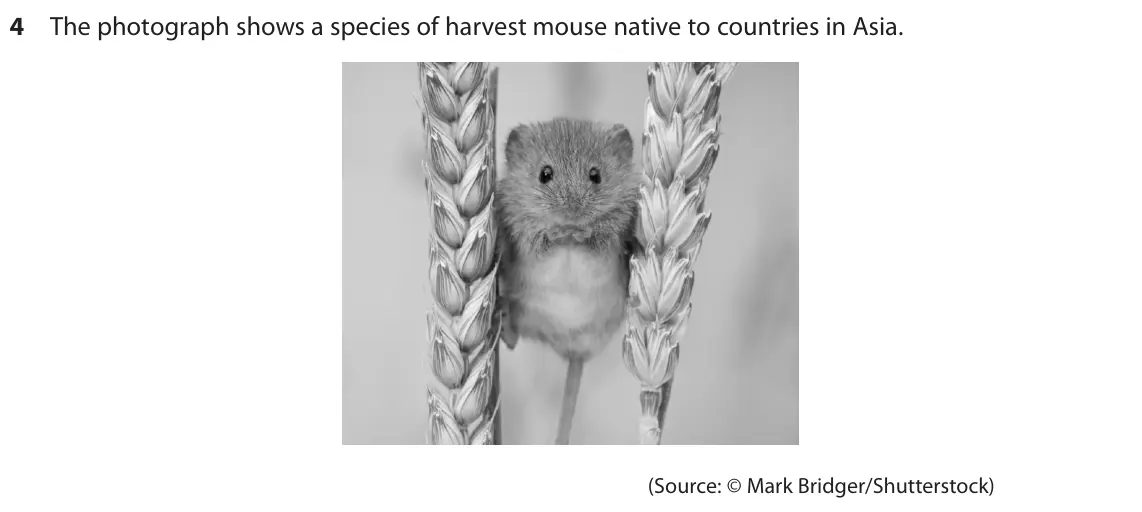
Q8(b)
The whole paper ↗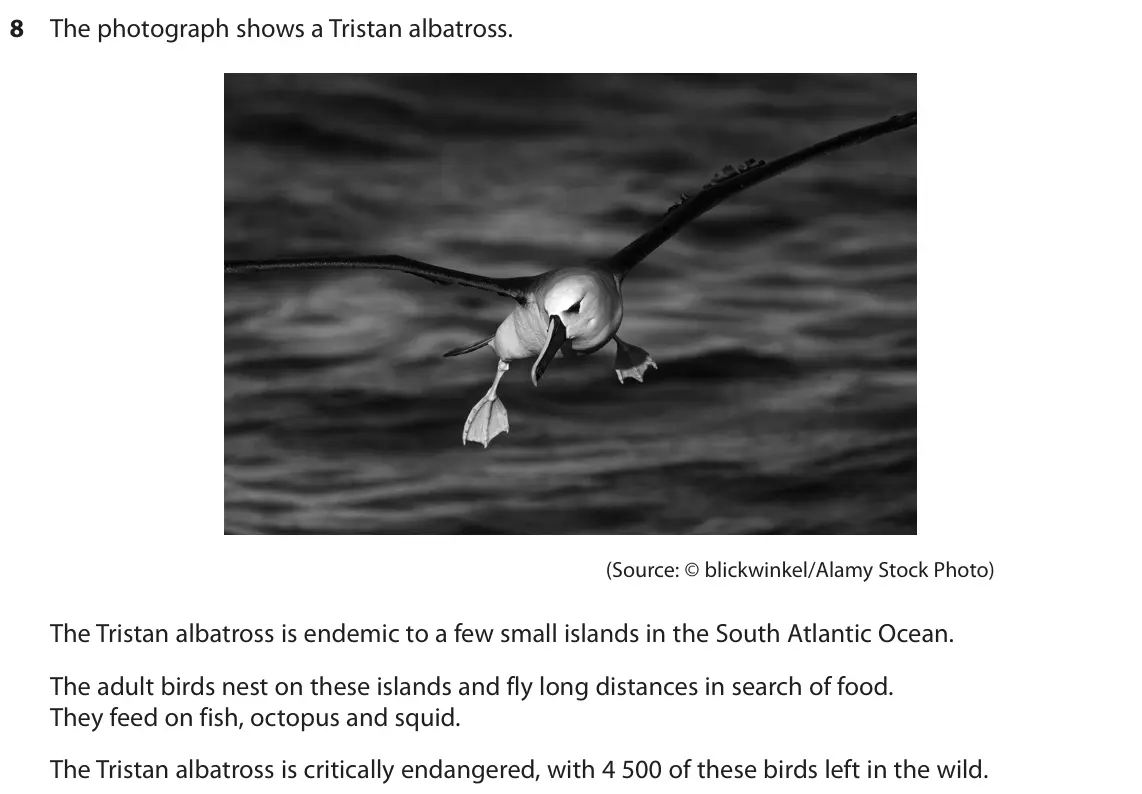
Q7(a)(ii)
The whole paper ↗
Q5(b)(i)
The whole paper ↗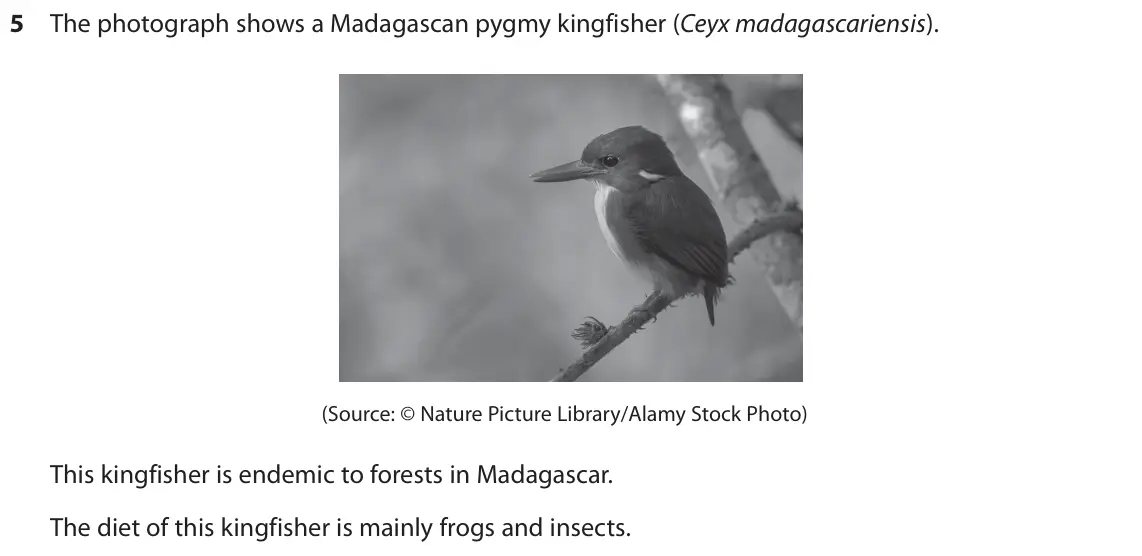
Q2(a)
The whole paper ↗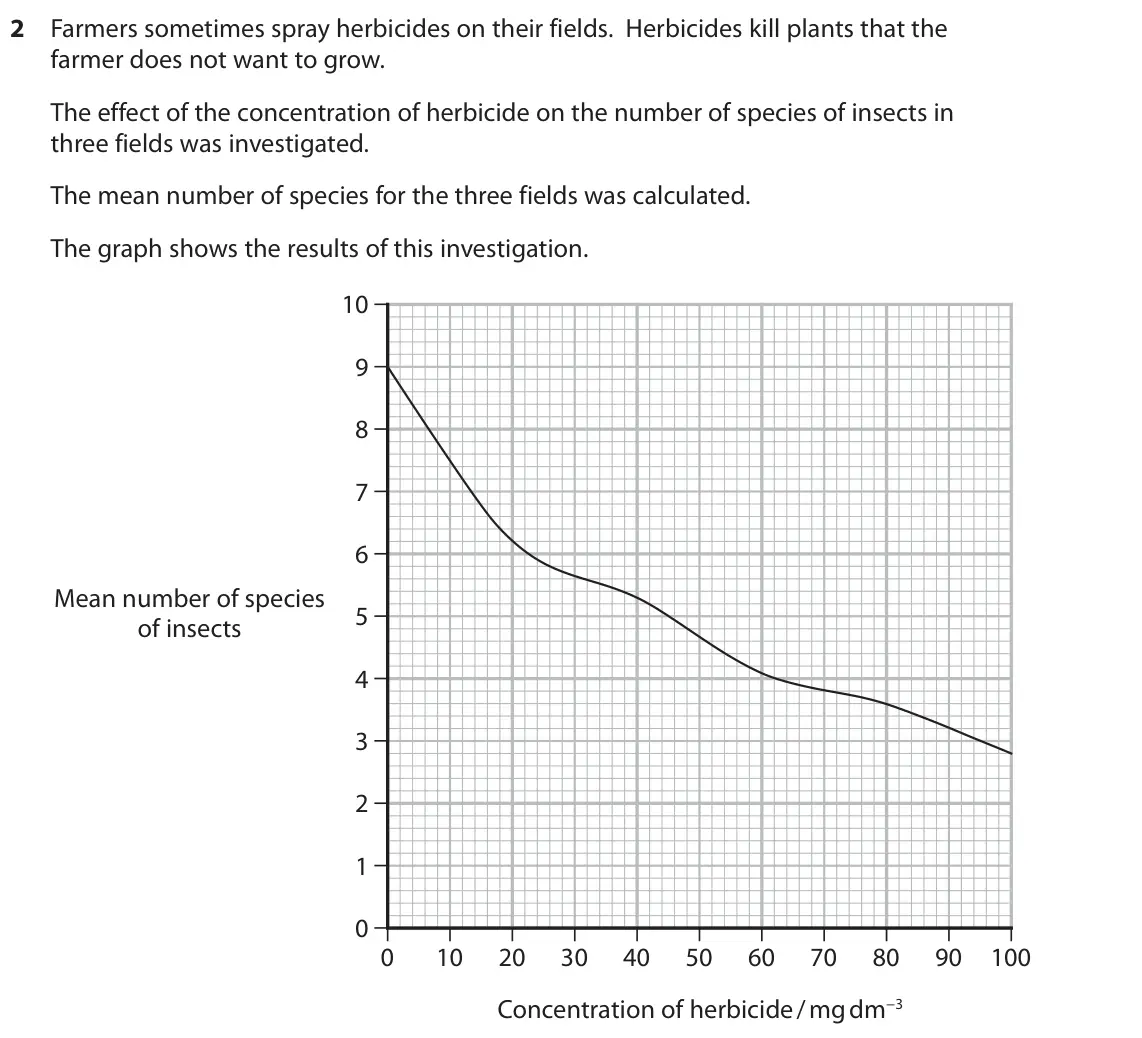
Q5(a)(i)
The whole paper ↗
All 17 questions on Classification and the species concept, as a list
- October 2024, AS Unit 2, Q8(a) (2 marks): A scientist suggested that the Akhal-Teke breed is the same as an older breed known as the Turkoman horse. Describe one piece of information that would need to
- June 2024, AS Unit 2, Q3(b)(i) (1 mark): Suggest one way that these penguins can be shown to belong to different species. (1)
- June 2023, AS Unit 2, Q8(d)(iii) (1 mark): Give a reason as to why these different populations are described as subspecies and not different species of snow leopard. (1)
- January 2023, AS Unit 2, Q5(a) (2 marks): Describe how scientists could determine that this was a new type of bacteria. (2)
- June 2022, AS Unit 2, Q4(c) (2 marks): Chinese muntjac cells contain 23 pairs of chromosomes. The photograph shows a Chinese muntjac. (Source: © Design Pics Inc / Alamy Stock Photo) The Chinese muntj
- June 2022, AS Unit 2, Q5(c) (2 marks): Explain how scientists could determine which of the 17 other species of honeycreeper on these islands is the most closely related to the Hawaii palila honeycree
- June 2022, Unit 4, Q4(b) (4 marks): Genetic studies indicate that the regent honeyeater is related to wattlebirds. Describe how genetic studies could show this. (4)
- January 2022, AS Unit 2, Q9(c)(iii) (3 marks): A zoo tested its captive‑bred giant tortoise and determined that it was a C. hoodensis tortoise. Explain how the zoo determined that its giant tortoise was a C.
- January 2022, Unit 4, Q5(c) (3 marks): Explain how the amplified mtDNA could be used to determine the genetic relationships between these two species of crow. (3)
- October 2021, AS Unit 2, Q2(a)(iii) (1 mark): State what is meant by the term species. (1)
- June 2021, AS Unit 2, Q2(b)(ii) (3 marks): Scientists have identified a similar microorganism in the human mouth. This microorganism is called Methanobrevibacter oralis (M. oralis). Explain how the scien
- January 2021, AS Unit 2, Q4(a) (2 marks): The body of this species of harvest mouse is 55 mm to 75 mm long and its tail is 50 mm to 75 mm long. The body of the Indian flat-haired mouse is 10 cm to 12 cm
- October 2020, AS Unit 2, Q8(b) (1 mark): The Tristan albatross (Diomedea dabbenena) was once classified as the same species as the wandering albatross (Diomedea exulans). The photograph shows a wanderi
- October 2020, Unit 4, Q7(a)(ii) (3 marks): Explain why fungi are not classified as bacteria, plants or animals. Use the information in the diagram and your knowledge of cell structure to support your ans
- January 2020, AS Unit 2, Q5(b)(i) (2 marks): Using the proposed reclassification, explain which species of kingfisher are most closely related to Ceyx madagascariensis. (2)
- June 2019, AS Unit 2, Q2(a) (1 mark): State what is meant by the term species. (1)
- June 2019, AS Unit 2, Q5(a)(i) (1 mark): State the genus to which this plant belongs. (1)
Questions, mark schemes and examiner’s reports are © Pearson Edexcel, from their published past papers. Plumi isn’t affiliated with any exam board. Want whole papers? Edexcel International A Level Biology past papers.
The Plumi iPad app also offers exam-style questions with AI feedback on your handwritten working.