 plumi
Changes in ecosystems: Edexcel A‑Level Biology B questions
Every Edexcel A-Level Biology B exam question on 10.3 Changes in ecosystems, 2016–2025, with its mark scheme and examiner’s report.
Find questions1,826
Calculations
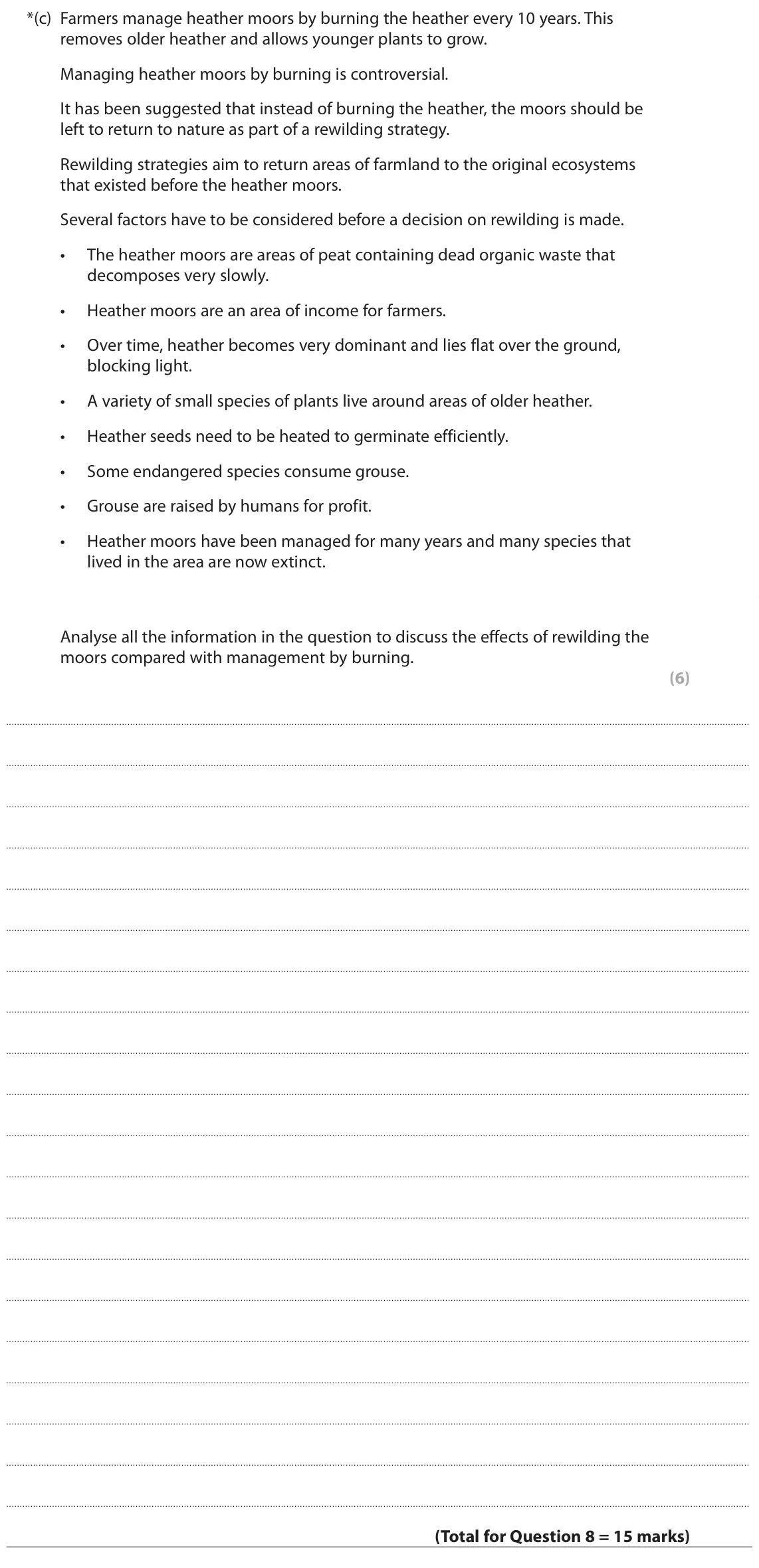
Q4(b)(i)
The whole paper ↗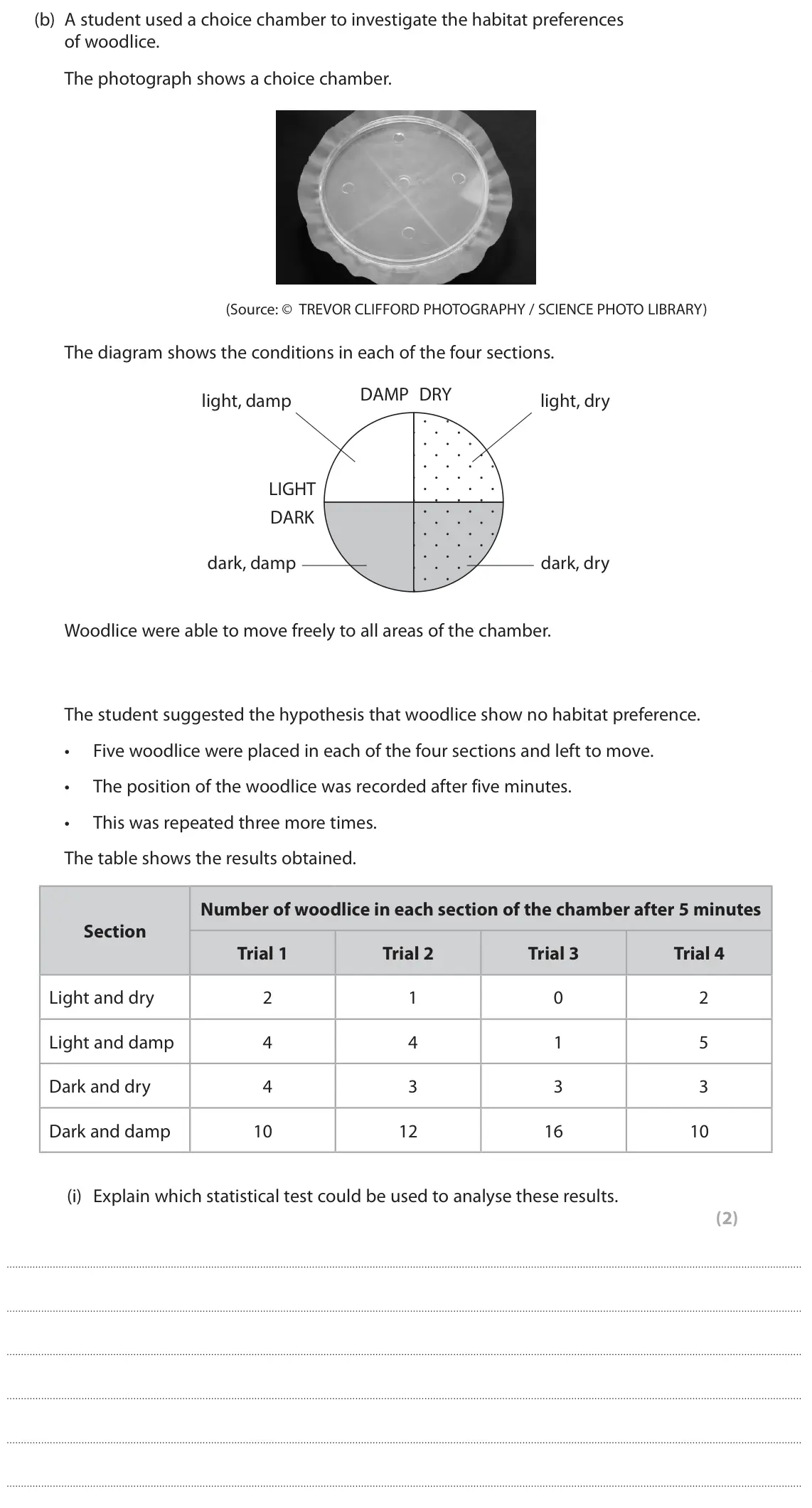
Q4(b)(ii)
The whole paper ↗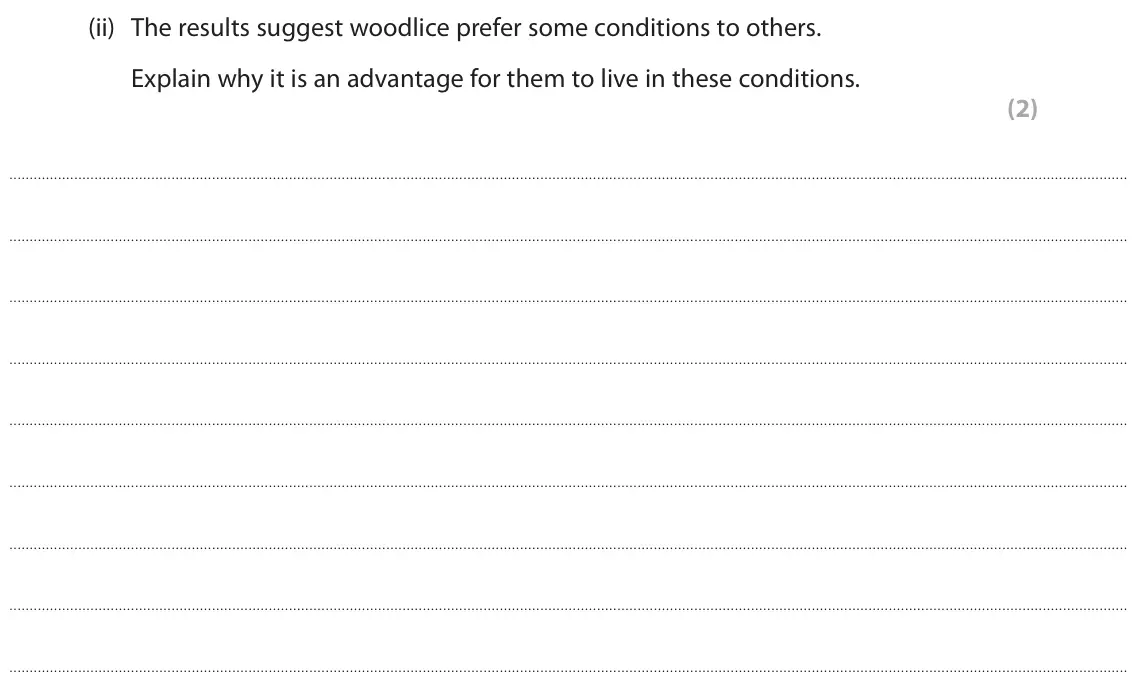
Q4(b)(iii)
The whole paper ↗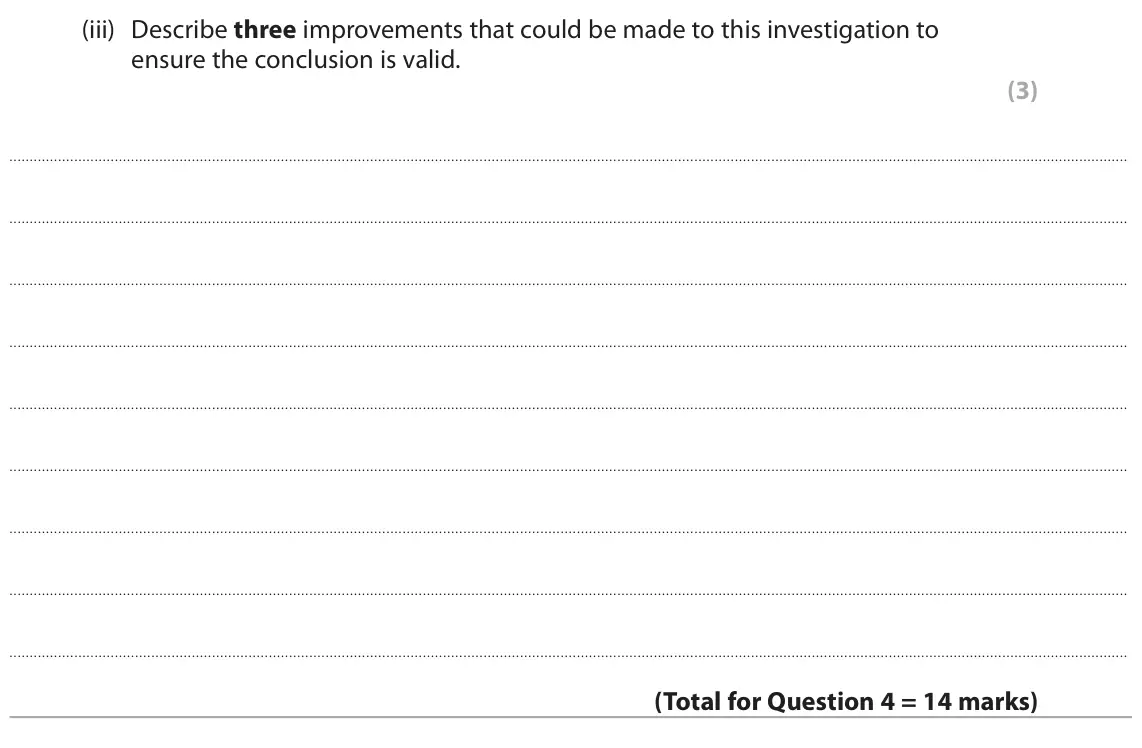
Q8(c)(i)
The whole paper ↗
Q8(c)(ii)
The whole paper ↗
Q8(c)(iii)
The whole paper ↗
Q4(b)(ii)
The whole paper ↗
Q7(a)(i)
The whole paper ↗
Q7(a)(ii)
The whole paper ↗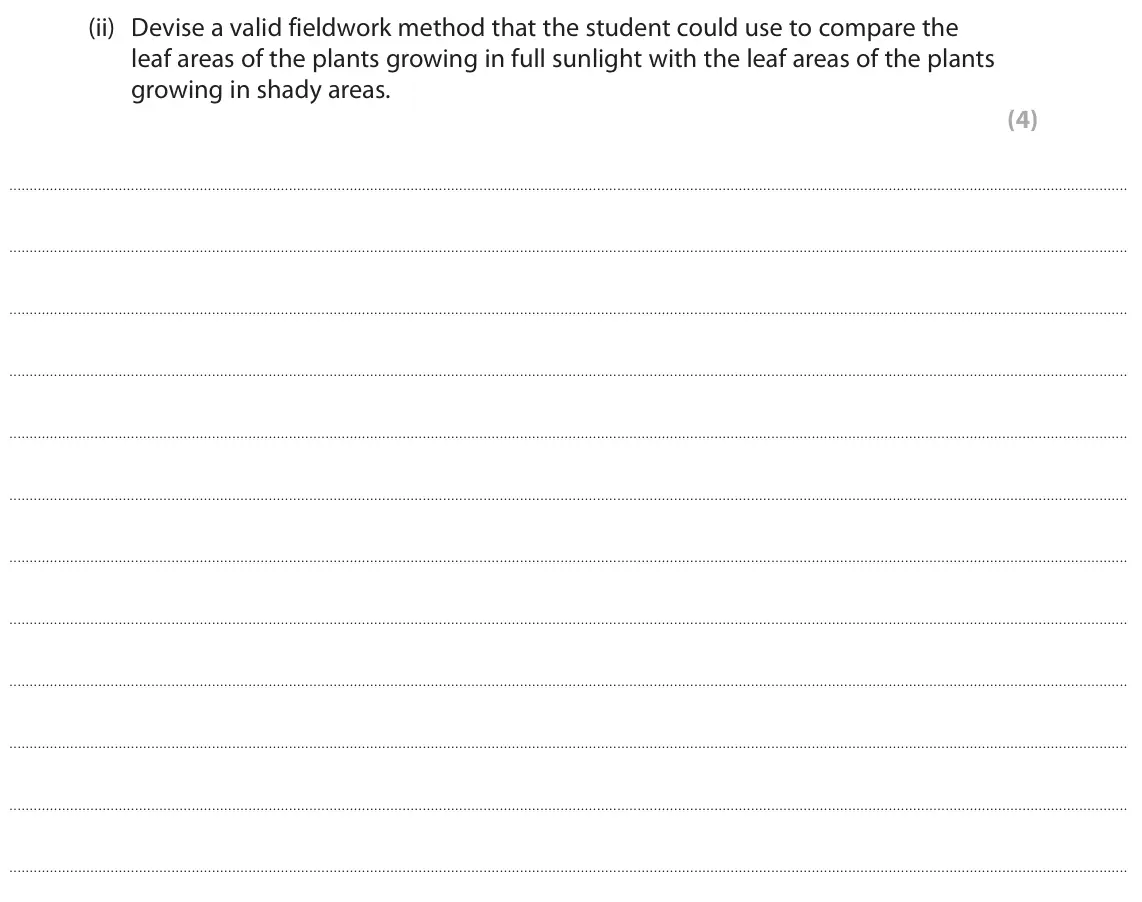
Q7(b)(i)
The whole paper ↗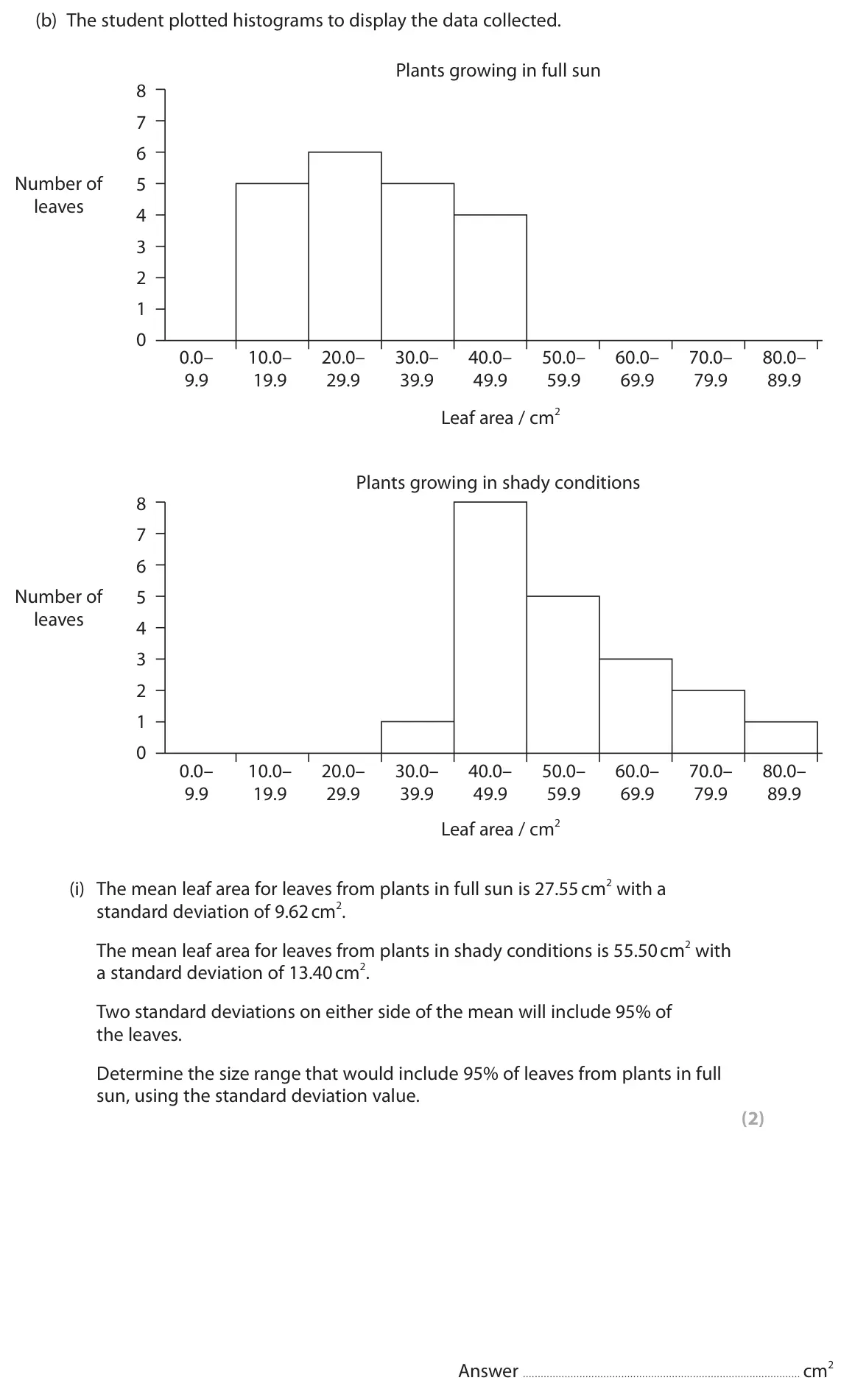
Q11(a)(i)
The whole paper ↗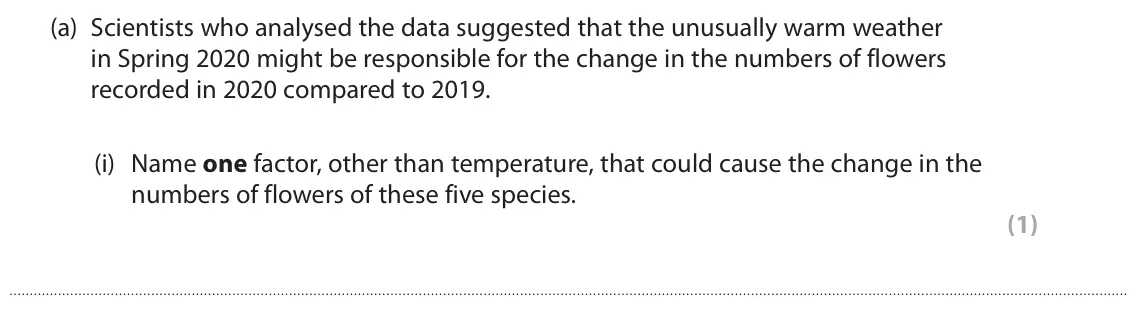
Q11(c)(ii)
The whole paper ↗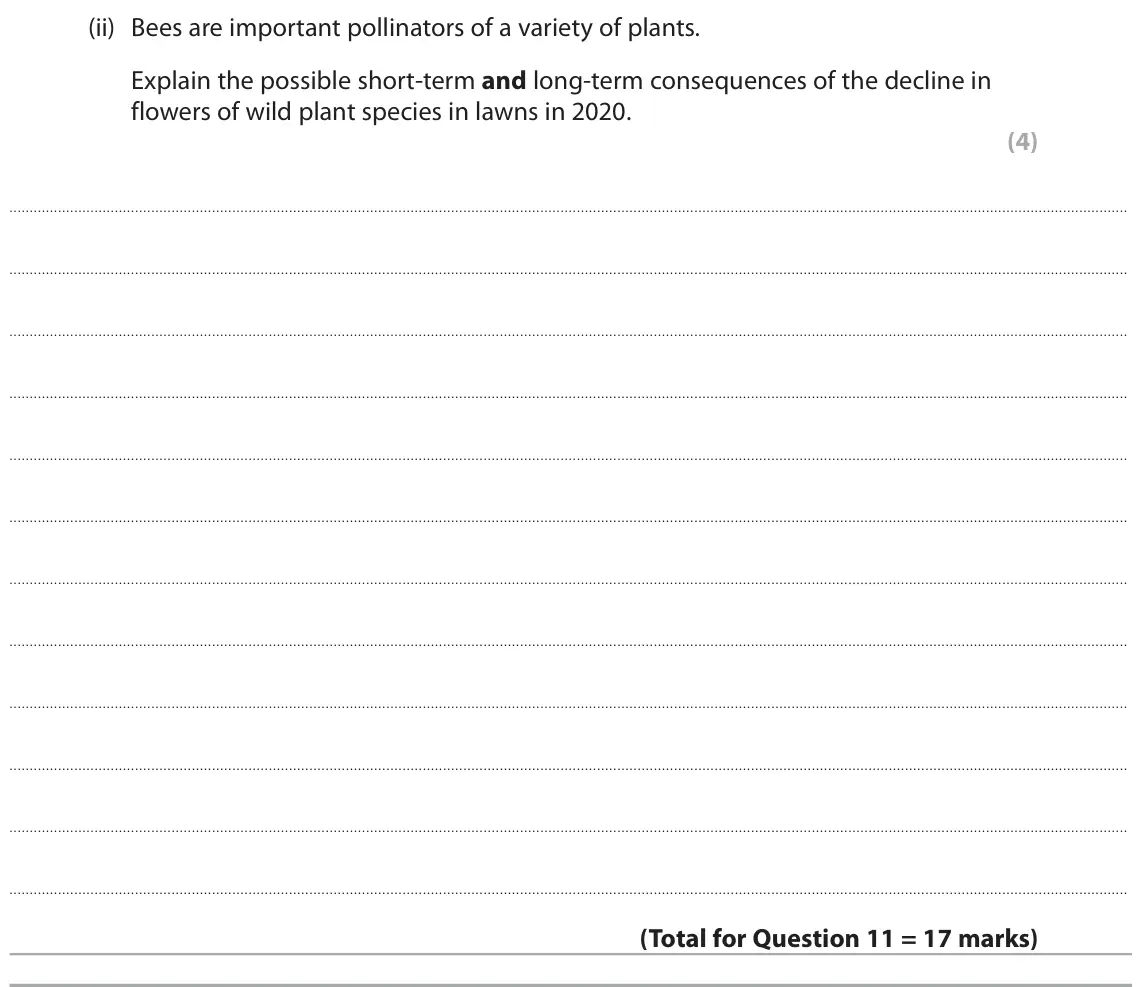
Q8(b)
The whole paper ↗
Q7(b)(i)
The whole paper ↗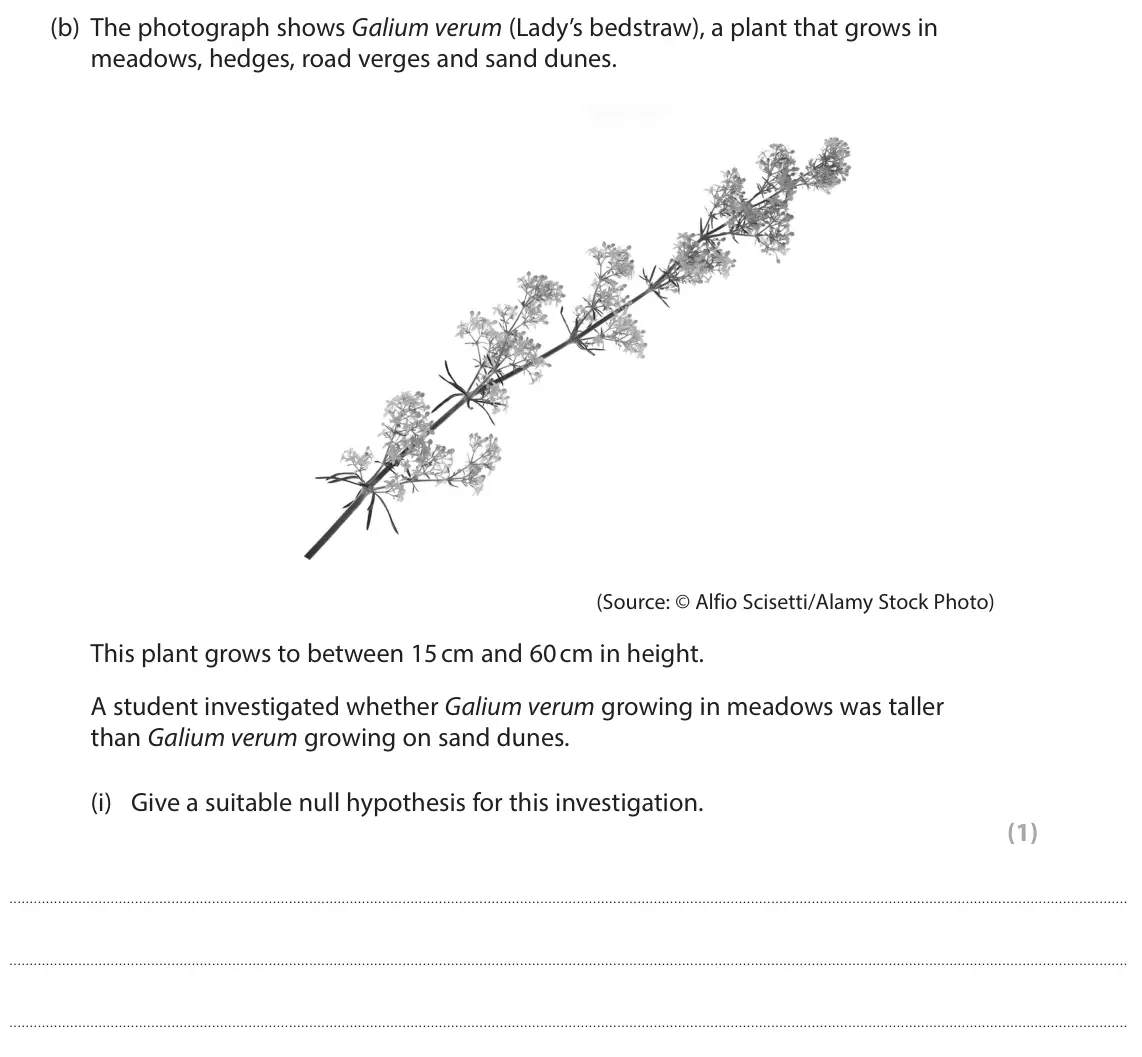
Q7(b)(ii)
The whole paper ↗
Q7(b)
The whole paper ↗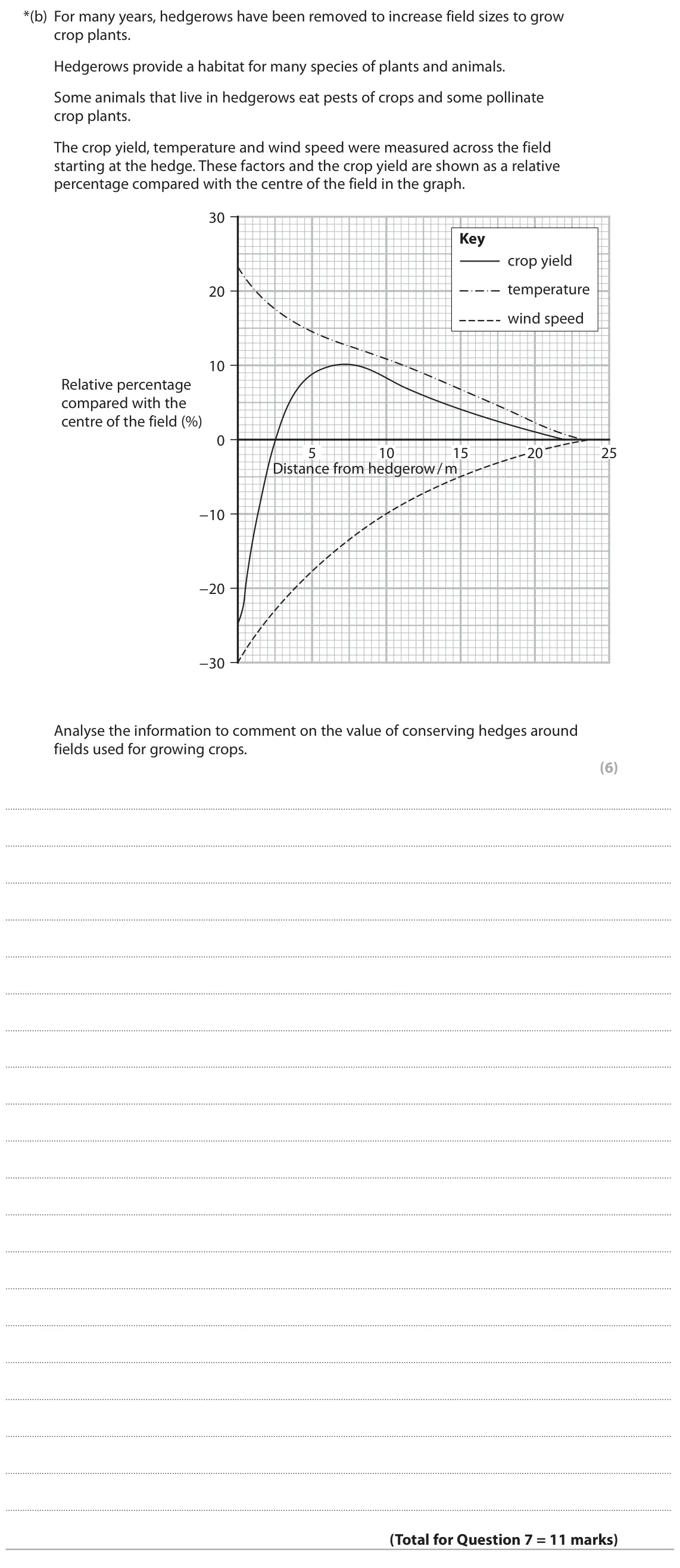
Q10(a)
The whole paper ↗
Q10(b)
The whole paper ↗
Q6(b)(i)
The whole paper ↗
All 30 questions on Changes in ecosystems, as a list
- June 2025, Paper 2, Q8(c) (6 marks): Farmers manage heather moors by burning the heather every 10 years. This removes older heather and allows younger plants to grow. Managing heather moors by burn
- June 2024, Paper 3, Q4(b)(i) (2 marks): Explain which statistical test could be used to analyse these results. (2)
- June 2024, Paper 3, Q4(b)(ii) (2 marks): The results suggest woodlice prefer some conditions to others. Explain why it is an advantage for them to live in these conditions. (2)
- June 2024, Paper 3, Q4(b)(iii) (3 marks): Describe three improvements that could be made to this investigation to ensure the conclusion is valid. (3)
- June 2024, Paper 3, Q8(c)(i) (1 mark): Name one abiotic factor that might influence the distribution of celandine plants. (1)
- June 2024, Paper 3, Q8(c)(ii) (3 marks): Describe a method that could be used to measure how this abiotic factor changes along the transect. (3)
- June 2024, Paper 3, Q8(c)(iii) (3 marks): Explain why the factor you have chosen would change along the transect and how this affects the growth of celandine plants. (3)
- June 2023, Paper 2, Q4(b)(ii) (4 marks): Saltmarshes are produced by deposits of silt (mud) from rivers. As the distance from the sea increases, the age of the saltmarsh increases. Explain the changes
- June 2023, Paper 3, Q7(a)(i) (1 mark): Give a suitable null hypothesis for this investigation. (1)
- June 2023, Paper 3, Q7(a)(ii) (4 marks): Devise a valid fieldwork method that the student could use to compare the leaf areas of the plants growing in full sunlight with the leaf areas of the plants gr
- June 2023, Paper 3, Q7(b)(i) (2 marks): The mean leaf area for leaves from plants in full sun is 27.55 cm2 with a standard deviation of 9.62 cm2. The mean leaf area for leaves from plants in shady con
- June 2023, Paper 3, Q11(a)(i) (1 mark): Name one factor, other than temperature, that could cause the change in the numbers of flowers of these five species. (1)
- June 2023, Paper 3, Q11(c)(ii) (4 marks): Bees are important pollinators of a variety of plants. Explain the possible short‑term and long‑term consequences of the decline in flowers of wild plant specie
- June 2022, Paper 2, Q8(b) (5 marks): Explain how succession brings about the changes in the soil during this period of time. (5)
- June 2022, Paper 3, Q7(b)(i) (1 mark): Give a suitable null hypothesis for this investigation. (1)
- June 2022, Paper 3, Q7(b)(ii) (5 marks): Devise a method that can be used to collect valid results to test this null hypothesis. (5)
- November 2021, Paper 2, Q7(b) (6 marks): For many years, hedgerows have been removed to increase field sizes to grow crop plants. Hedgerows provide a habitat for many species of plants and animals. Som
- November 2021, Paper 3, Q10(a) (4 marks): Explain how colonisation of bare rock by lichens can result in succession over long periods of time. (4)
- November 2021, Paper 3, Q10(b) (6 marks): Devise an investigation to show how the lichen distribution is affected by a named abiotic factor. (6)
- June 2019, Paper 2, Q6(b)(i) (2 marks): Give two reasons why changes in the number of bird species have led to this decrease in biodiversity of plant species. (2)
- June 2019, Paper 2, Q8(a)(ii) (5 marks): Explain how ecosystems have developed on Surtsey since 1965. (5)
- June 2019, Paper 2, Q8(b) (4 marks): The scientists recorded the number of different plant species on the island each year from 1965 to 2000. The number of new plant species present at each survey
- June 2019, Paper 3, Q6(c) (3 marks): The student measured the water content of the soil from the high water line to 170 m inland. Describe how the student could have carried out these measurements.
- June 2018, Paper 3, Q9(a)(i) (2 marks): Calculate the difference between the mean rate of growth of these trees over the five years. (2) Answer
- June 2018, Paper 3, Q9(a)(ii) (2 marks): Analyse the data to explain the difference in the mean height of the trees at the end of the five-year period. (2)
- June 2018, Paper 3, Q9(a)(iii) (2 marks): Explain two biotic variables that need to be controlled to allow a valid comparison of the effect of each method on tree growth. (2)
- June 2017, Paper 2, Q8(b) (6 marks): In a further investigation, succession was monitored for fifty years in an abandoned field. The field was originally used to grow crops. After fifty years, larg
- June 2017, Paper 3, Q3(b)(i) (1 mark): Name one abiotic factor, other than soil water content, that could affect the abundance of white clover plants in these areas. (1)
- June 2017, Paper 3, Q3(b)(ii) (2 marks): Describe how you would measure the abiotic factor named in (b)(i). (2)
- June 2017, Paper 3, Q3(b)(iii) (2 marks): The student obtained the following results for soil water content and the abundance of white clover plants in these two areas of grassland. Soil water content A
Questions, mark schemes and examiner’s reports are © Pearson Edexcel, from their published past papers. Plumi isn’t affiliated with any exam board. Want whole papers? Every Edexcel A-Level Biology B paper.
Rather write your answers by hand on iPad? Plumi marks them against the same mark schemes.