 plumi
Biodiversity and the effect of human interaction on ecosystems: AQA GCSE Biology questions
Every AQA GCSE Biology exam question on 4.7.3 Biodiversity and the effect of human interaction on ecosystems, 2018–2025, with its mark scheme and examiner’s report.
Find questions1,505
Calculations
Q05.1
The whole paper ↗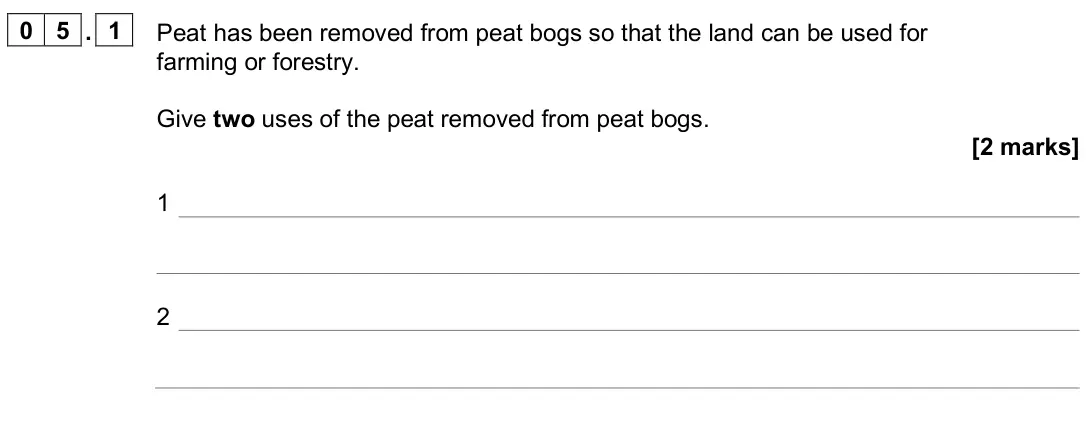
Q05.2
The whole paper ↗
Q05.3
The whole paper ↗
Q03.6
The whole paper ↗
Q06.2
The whole paper ↗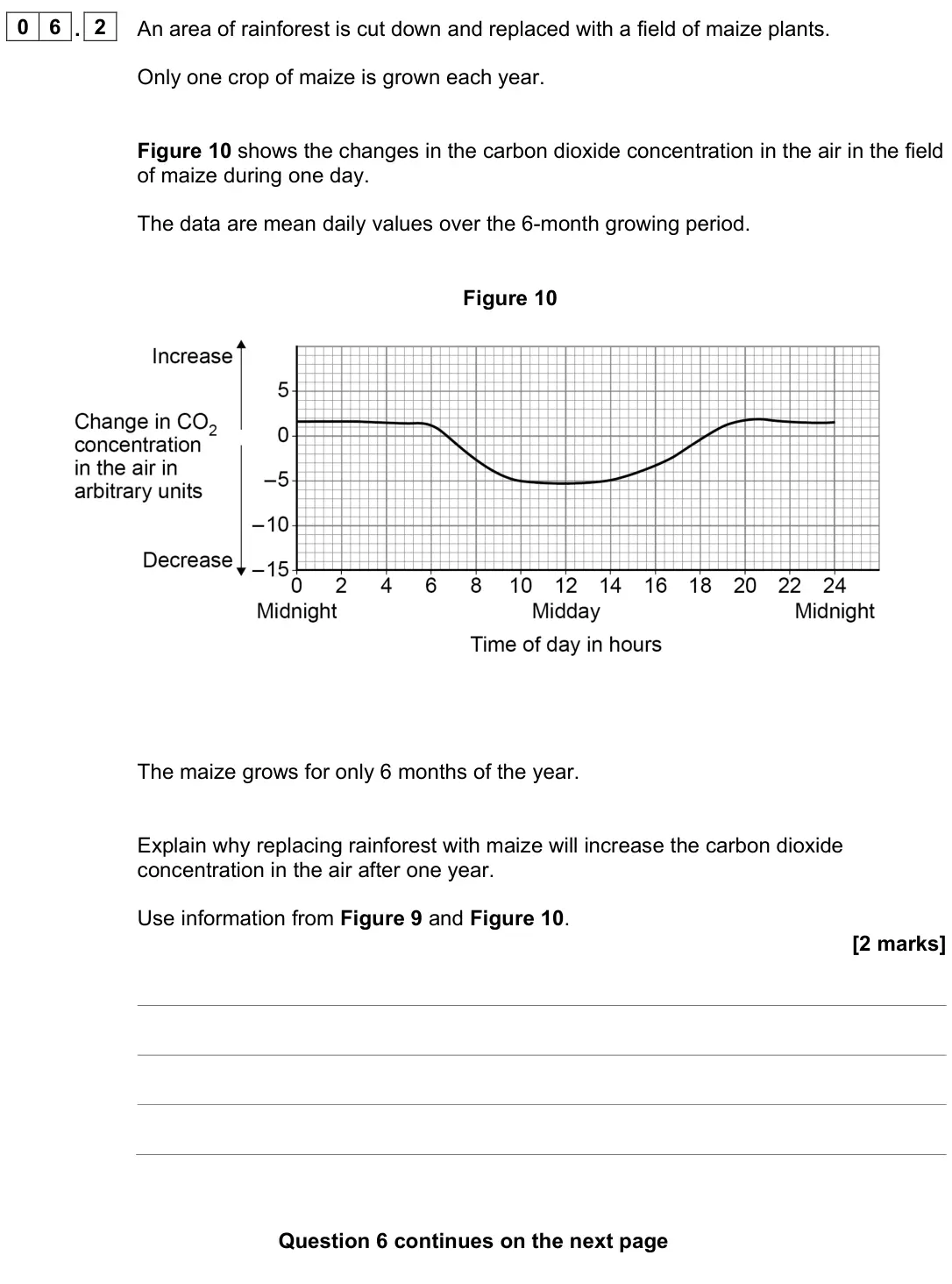
Q06.3
The whole paper ↗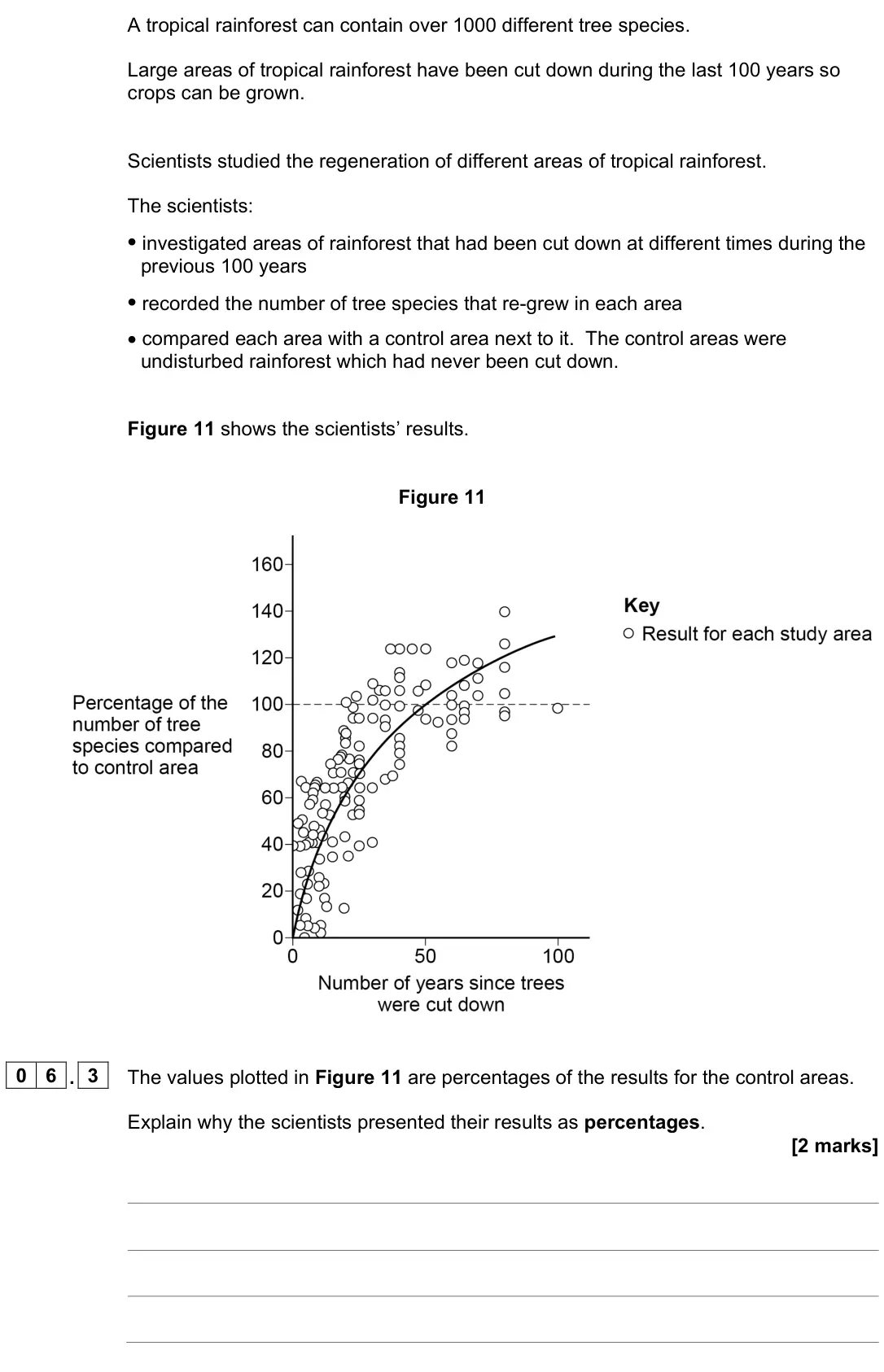
Q06.4
The whole paper ↗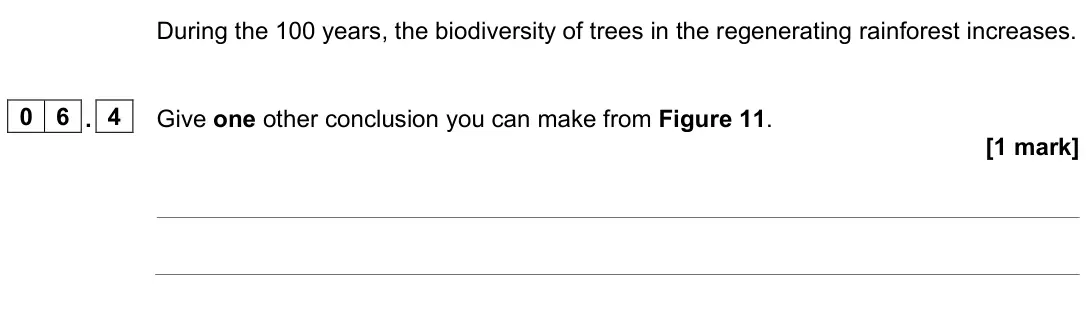
Q06.5
The whole paper ↗
Q04.1
The whole paper ↗
Q04.2
The whole paper ↗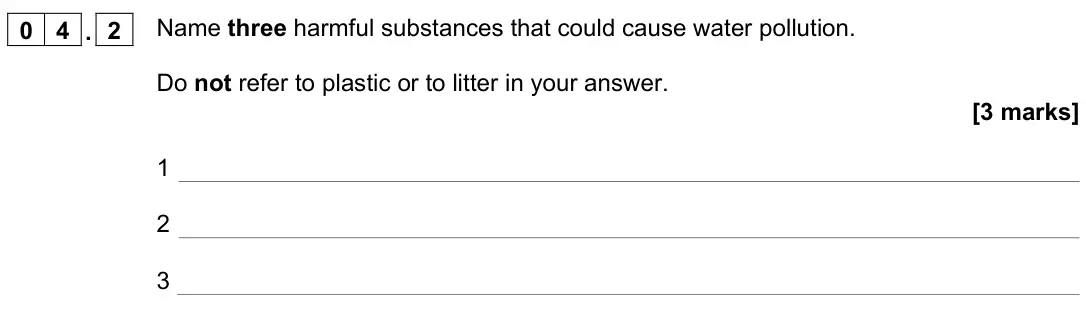
Q04.1
The whole paper ↗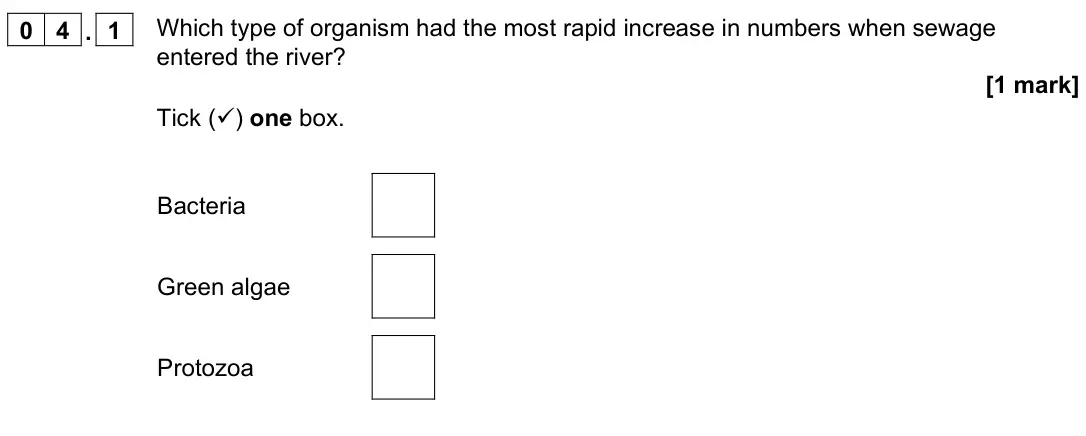
Q04.2
The whole paper ↗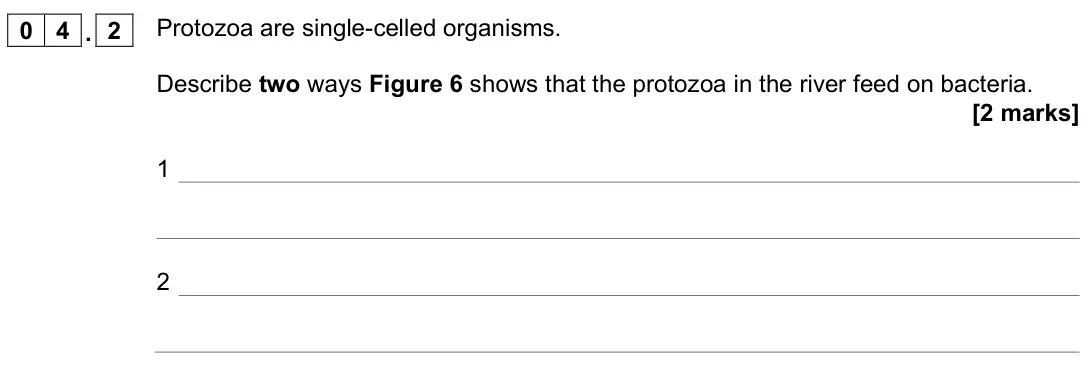
Q04.3
The whole paper ↗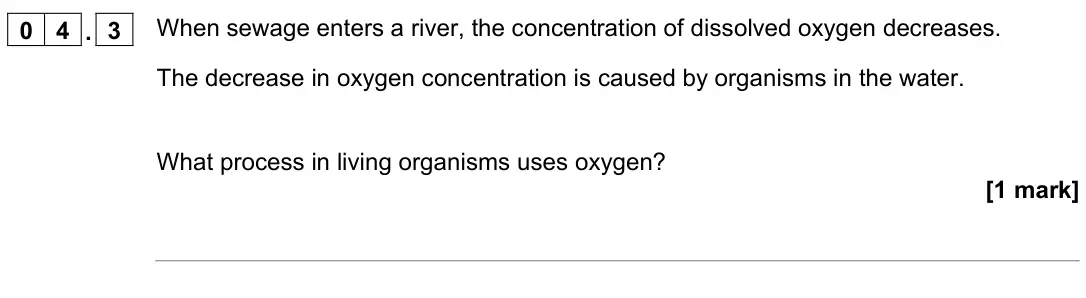
Q04.4
The whole paper ↗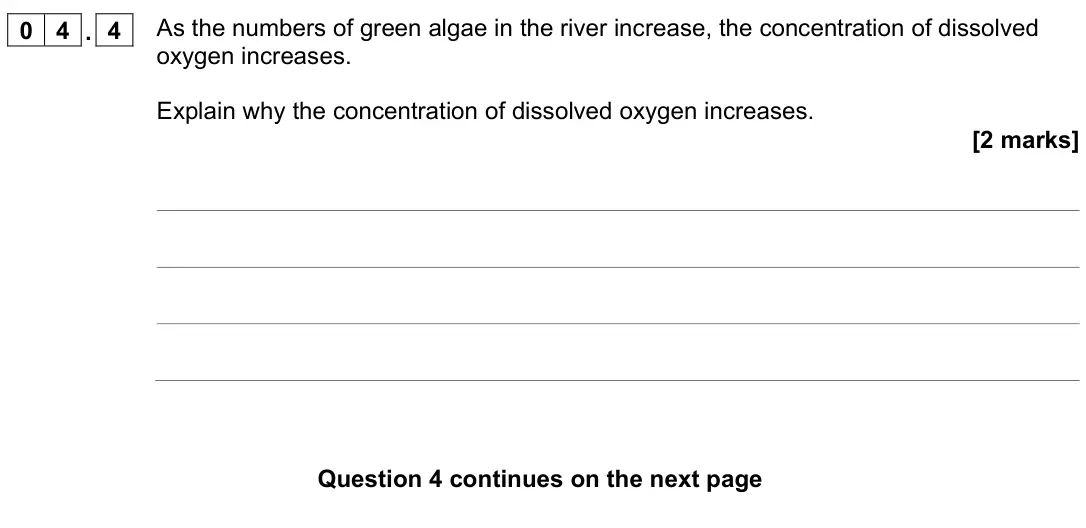
Q04.5
The whole paper ↗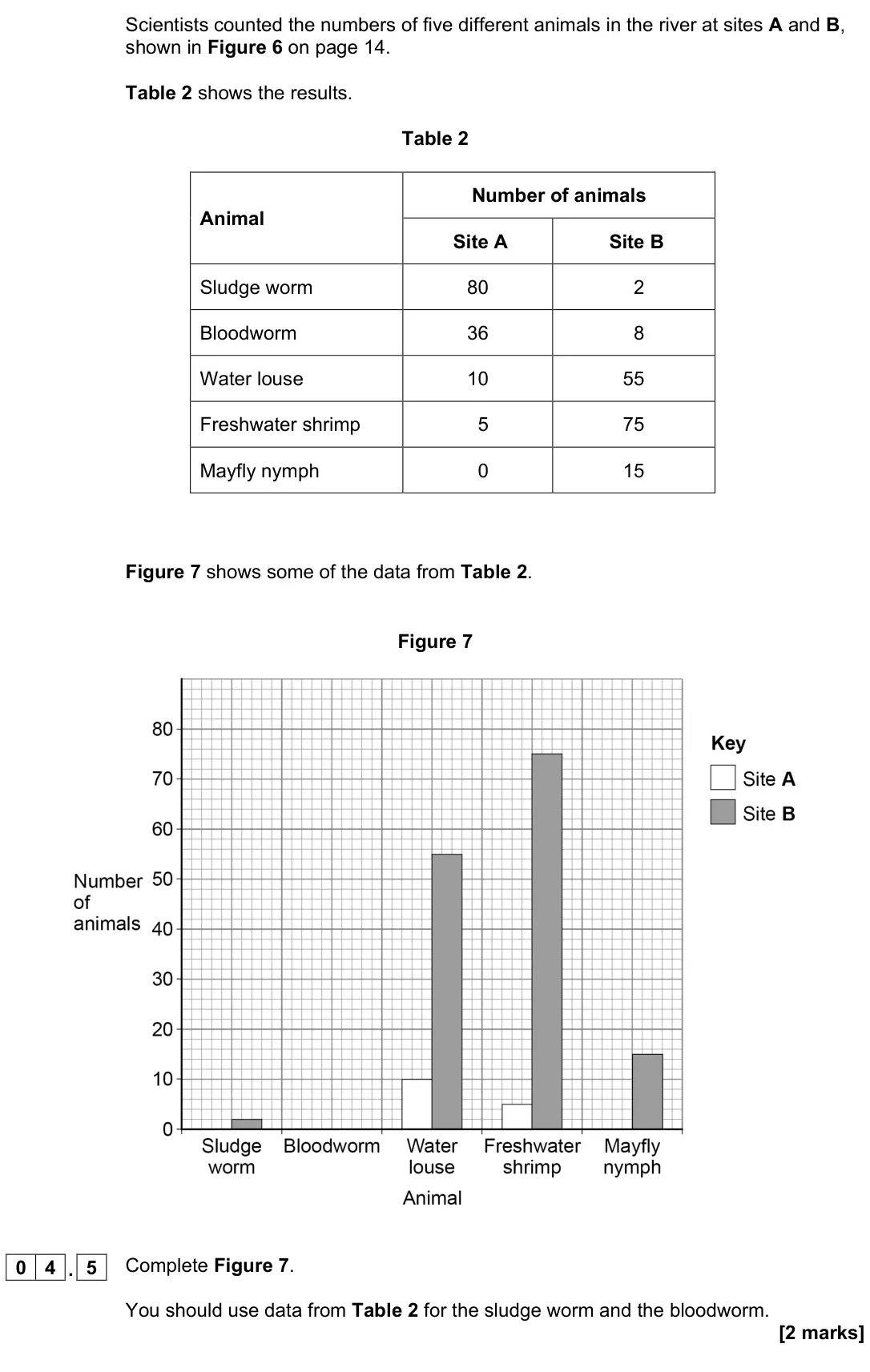
Q04.6
The whole paper ↗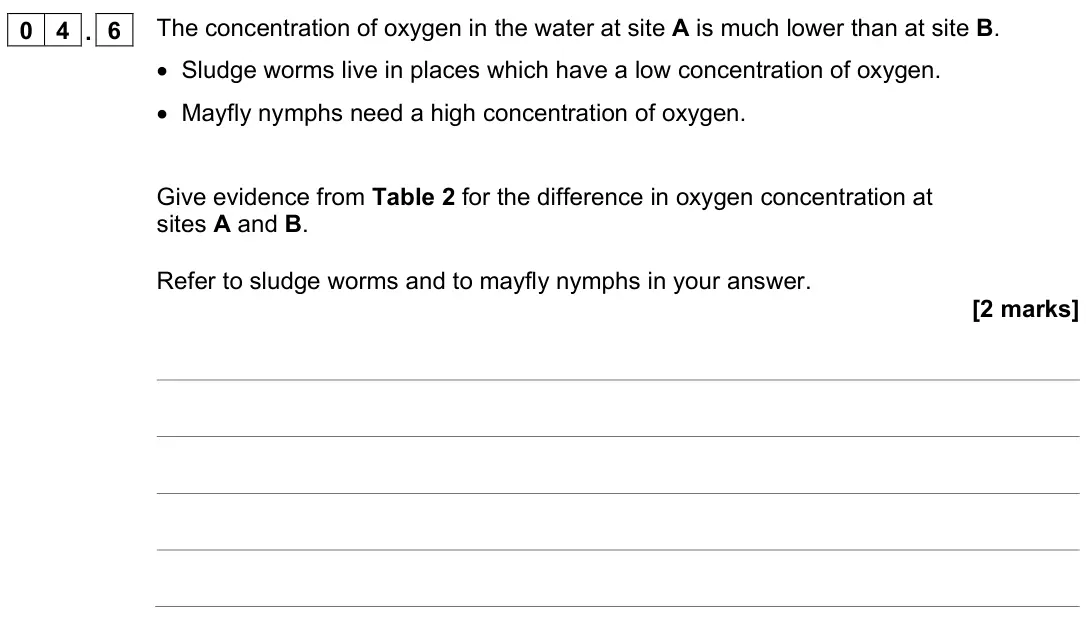
Q05.3
The whole paper ↗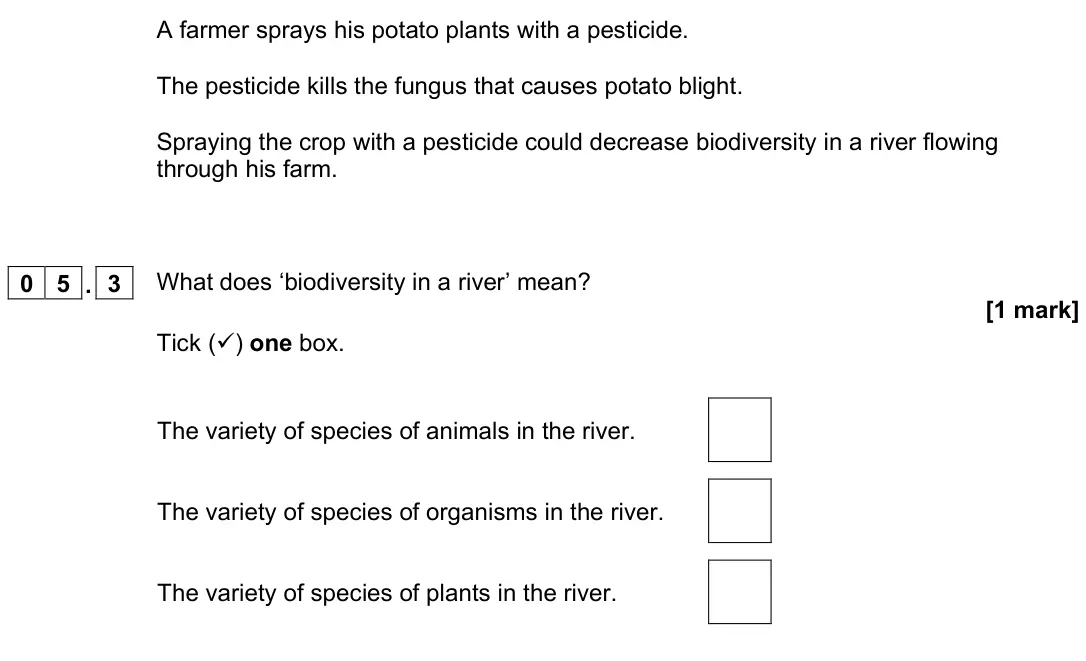
Q05.4
The whole paper ↗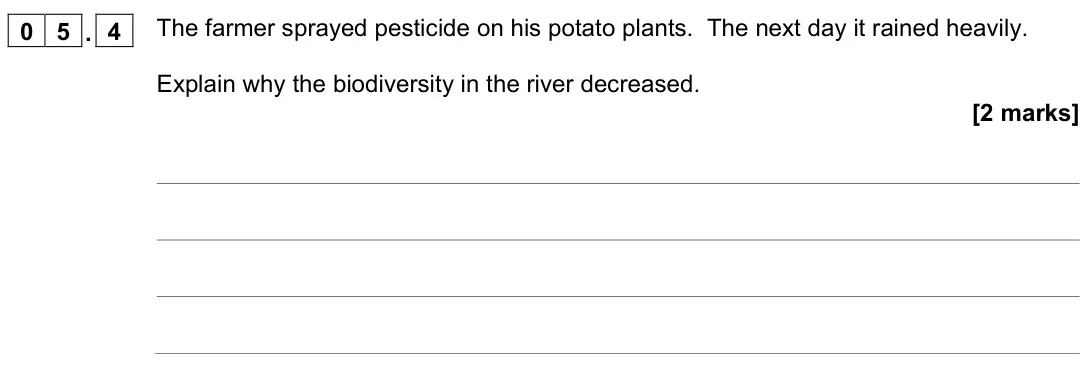
Q07.1
The whole paper ↗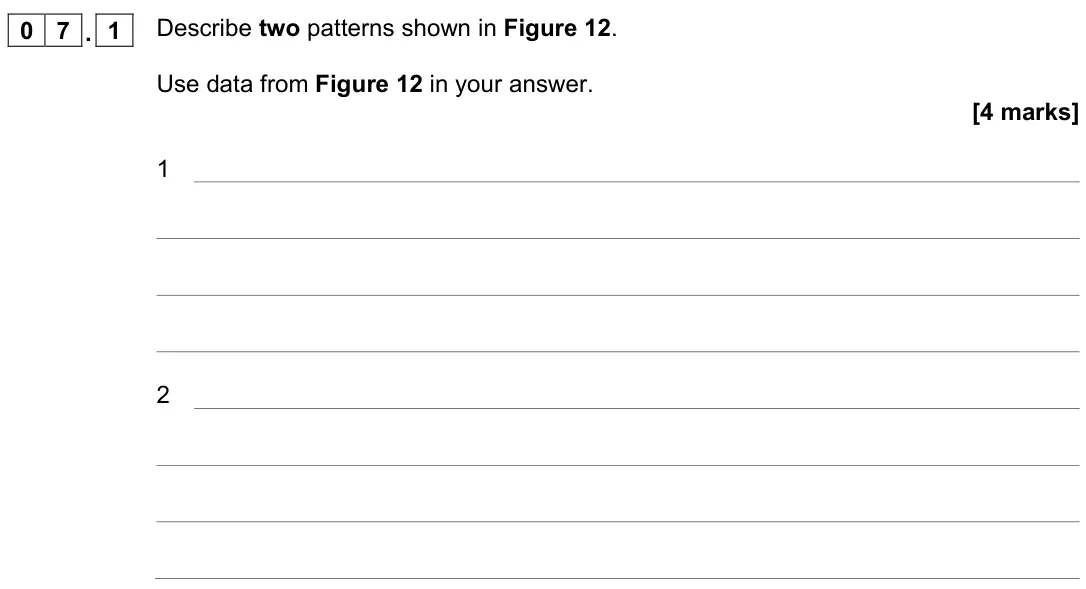
Q07.2
The whole paper ↗
All 38 questions on Biodiversity and the effect of human interaction on ecosystems, as a list
- June 2025, Paper 2 Higher, Q05.1 (2 marks): Peat has been removed from peat bogs so that the land can be used for farming or forestry. Give two uses of the peat removed from peat bogs. [2 marks] 1 2
- June 2025, Paper 2 Higher, Q05.2 (1 mark): What is meant by ‘biodiversity’? [1 mark]
- June 2025, Paper 2 Higher, Q05.3 (6 marks): Explain how the destruction of peat bogs can affect biodiversity: • in the local area • globally. [6 marks]
- June 2024, Paper 2 Foundation, Q03.6 (1 mark): Suggest one problem of using glyphosate on fields where GM maize is growing. Do not refer to cost in your answer. [1 mark]
- June 2023, Paper 2 Higher, Q06.2 (2 marks): An area of rainforest is cut down and replaced with a field of maize plants. Only one crop of maize is grown each year. Figure 10 shows the changes in the carbo
- June 2023, Paper 2 Higher, Q06.3 (2 marks): The values plotted in Figure 11 are percentages of the results for the control areas. Explain why the scientists presented their results as percentages. [2 mark
- June 2023, Paper 2 Higher, Q06.4 (1 mark): Give one other conclusion you can make from Figure 11. [1 mark]
- June 2023, Paper 2 Higher, Q06.5 (2 marks): Give two reasons why an increase in the diversity of trees in the rainforest leads to an increase in animal diversity. [2 marks] 1 2
- June 2022, Paper 2 Higher, Q04.1 (1 mark): Name one harmful substance that could cause air pollution. [1 mark]
- June 2022, Paper 2 Higher, Q04.2 (3 marks): Name three harmful substances that could cause water pollution. Do not refer to plastic or to litter in your answer. [3 marks] 1 2 3
- June 2022, Paper 2 Foundation, Q04.1 (1 mark): Which type of organism had the most rapid increase in numbers when sewage entered the river? [1 mark] Tick () one box. Bacteria Green algae Protozoa
- June 2022, Paper 2 Foundation, Q04.2 (2 marks): Protozoa are single-celled organisms. Describe two ways Figure 6 shows that the protozoa in the river feed on bacteria. [2 marks] 1 2
- June 2022, Paper 2 Foundation, Q04.3 (1 mark): When sewage enters a river, the concentration of dissolved oxygen decreases. The decrease in oxygen concentration is caused by organisms in the water. What proc
- June 2022, Paper 2 Foundation, Q04.4 (2 marks): As the numbers of green algae in the river increase, the concentration of dissolved oxygen increases. Explain why the concentration of dissolved oxygen increase
- June 2022, Paper 2 Foundation, Q04.5 (2 marks): Complete Figure 7. You should use data from Table 2 for the sludge worm and the bloodworm. [2 marks]
- June 2022, Paper 2 Foundation, Q04.6 (2 marks): The concentration of oxygen in the water at site A is much lower than at site B. • Sludge worms live in places which have a low concentration of oxygen. • Mayfl
- November 2021, Paper 2 Foundation, Q05.3 (1 mark): What does ‘biodiversity in a river’ mean? [1 mark] Tick () one box. The variety of species of animals in the river. The variety of species of organisms in the
- November 2021, Paper 2 Foundation, Q05.4 (2 marks): The farmer sprayed pesticide on his potato plants. The next day it rained heavily. Explain why the biodiversity in the river decreased. [2 marks]
- November 2021, Paper 2 Foundation, Q07.1 (4 marks): Describe two patterns shown in Figure 12. Use data from Figure 12 in your answer. [4 marks] 1 2
- November 2021, Paper 2 Foundation, Q07.2 (2 marks): Give two human activities that affect the concentration of carbon dioxide in the atmosphere. [2 marks] 1 2
- November 2021, Paper 2 Foundation, Q07.3 (4 marks): The trend shown in Figure 12 may continue for many years. Explain what effect the changing concentration of carbon dioxide in the atmosphere could have on livin
- November 2020, Paper 2 Higher, Q02.1 (2 marks): Calculate how many times greater the human population was in the year 2000 compared with the year 1900. [2 marks] Number of times greater =
- November 2020, Paper 2 Higher, Q02.2 (2 marks): In 1950 the human population was 2.5 billion. Calculate the mean annual increase in the human population between 1900 and 1950. [2 marks] Mean annual increase =
- November 2020, Paper 2 Higher, Q02.3 (2 marks): Predict the human population in 2050 if the current rate of population increase continues. You should draw an extrapolation line on Figure 2. [2 marks] Predicte
- November 2020, Paper 2 Higher, Q02.5 (6 marks): Farming techniques have changed in recent years. Describe: • why more land is being used for farming • how increased farming has decreased biodiversity. [6 mark
- November 2020, Paper 2 Higher, Q07.3 (4 marks): Explain how making dog food from insects could improve human food security in the future. [4 marks]
- November 2020, Paper 2 Foundation, Q01.6 (2 marks): Beef from cows is used to make some dog food. Cows release methane. The company that makes dog food from insects made the statement: ‘Dog food made from insects
- November 2020, Paper 2 Foundation, Q09.1 (2 marks): Calculate how many times greater the human population was in the year 2000 compared with the year 1900. [2 marks] Number of times greater =
- November 2020, Paper 2 Foundation, Q09.2 (2 marks): In 1950 the human population was 2.5 billion. Calculate the mean annual increase in the human population between 1900 and 1950. [2 marks] Mean annual increase =
- November 2020, Paper 2 Foundation, Q09.3 (2 marks): Predict the human population in 2050 if the current rate of population increase continues. You should draw an extrapolation line on Figure 12. [2 marks] Predict
- November 2020, Paper 2 Foundation, Q09.5 (6 marks): Farming techniques have changed in recent years. Describe: • why more land is being used for farming • how increased farming has decreased biodiversity. [6 mark
- Specimen, Paper 2 Higher, Q02.1: An airtight compost heap causes anaerobic decay. Explain why the gardener might be against producing compost using this method. [2 mar The gardener finds this r
- Specimen, Paper 2 Foundation, Q05.1: The area of forest lost each year in Madagascar increased between 2009 and 2012 Determine the total area of forest lost from the start of 2009 to the end of 201
- Specimen, Paper 2 Foundation, Q05.2 (2 marks): What are the possible reasons for the change in the area of forest lost per year between 2009 and 2012? [2 marks Tick two boxes. The local people stop growing r
- Specimen, Paper 2 Foundation, Q05.3 (2 marks): More forest was lost in 2012 than in 2009. Use words from the box to complete the sentences. [2 marks carbon dioxide excretion nitrogen oxygen photosynthesis re
- Specimen, Paper 2 Foundation, Q05.4: Deforestation can have negative effects on our ecosystems. What are the negative effects of deforestation? [2 mar Tick two boxes. Animals and birds migrate beca
- Specimen, Paper 2 Foundation, Q05.5: Scientists try to reduce the negative effects of human activity on our ecosystems. One way is to protect rare habitats. Give one other way of reducing the negat
- Specimen, Paper 2 Foundation, Q11.1: An airtight compost heap causes anaerobic decay. Explain why the gardener might be against producing compost using this method. [2 mar The gardener finds this r
Questions, mark schemes and examiner’s reports are © AQA, from their published past papers. Plumi isn’t affiliated with any exam board. Want whole papers? Every AQA GCSE Biology paper.
Rather write your answers by hand on iPad? Plumi marks them against the same mark schemes.