 plumi
Nutrient cycles: AQA A‑Level Biology questions
Every AQA A-Level Biology exam question on 3.5.4 Nutrient cycles, 2016–2025, with its mark scheme and examiner’s report.
Find questions1,383
Calculations
Q10.2
The whole paper ↗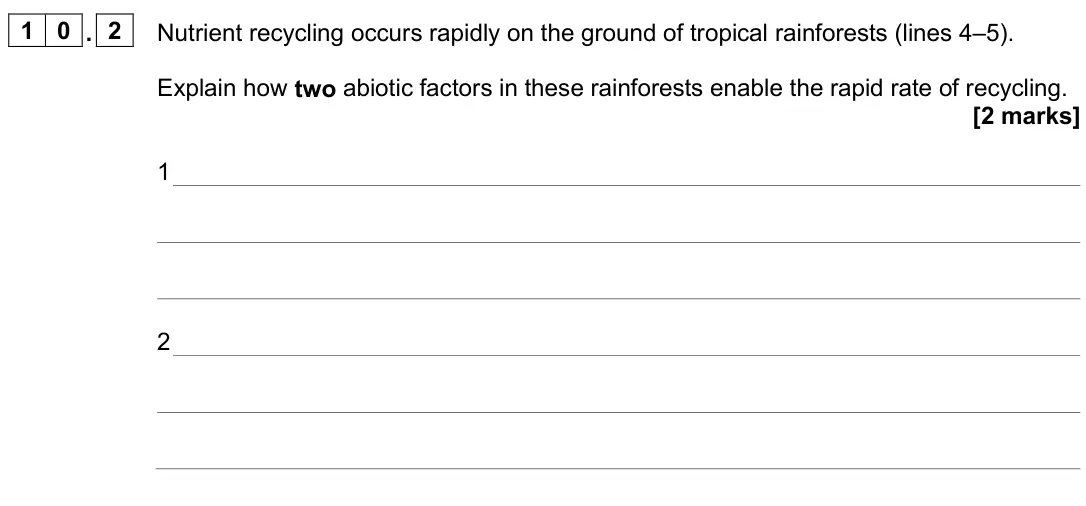
Q10.3
The whole paper ↗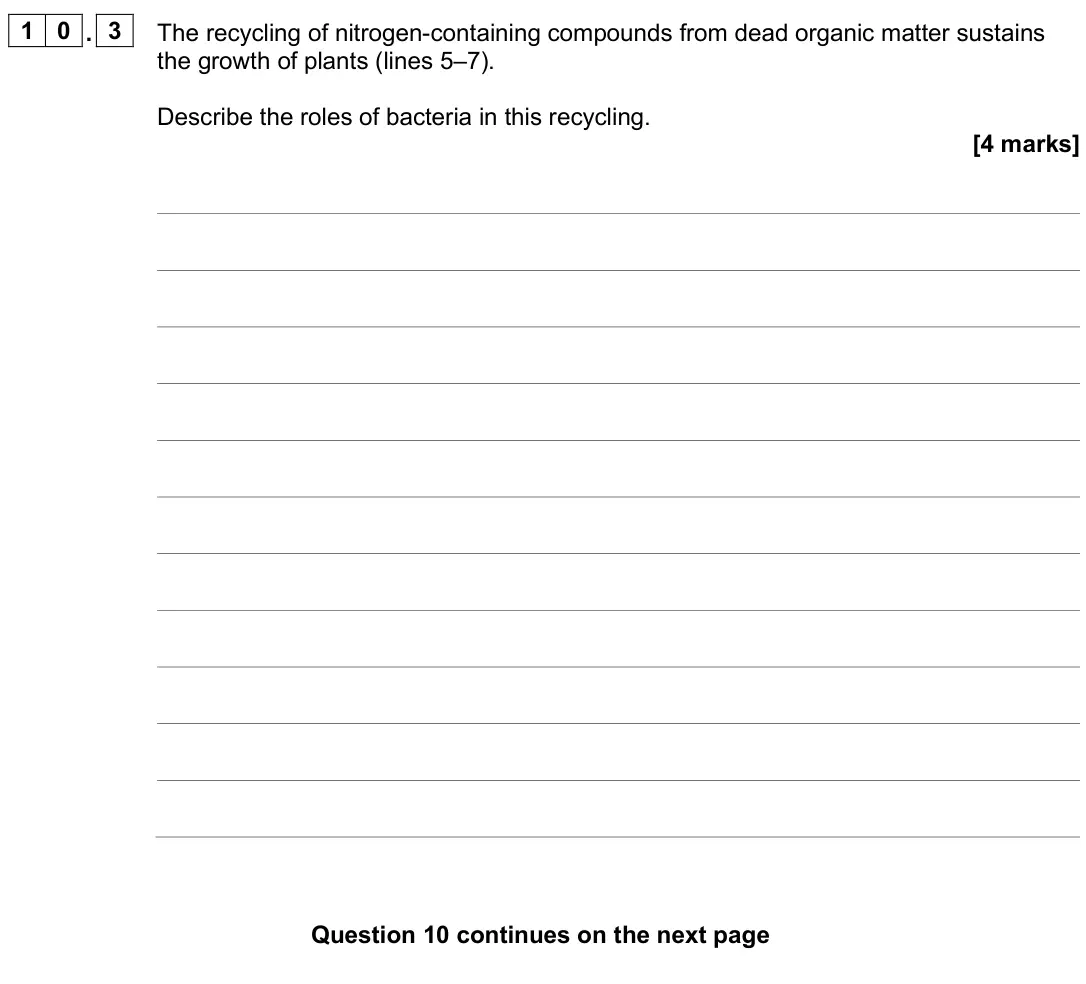
Q03.1
The whole paper ↗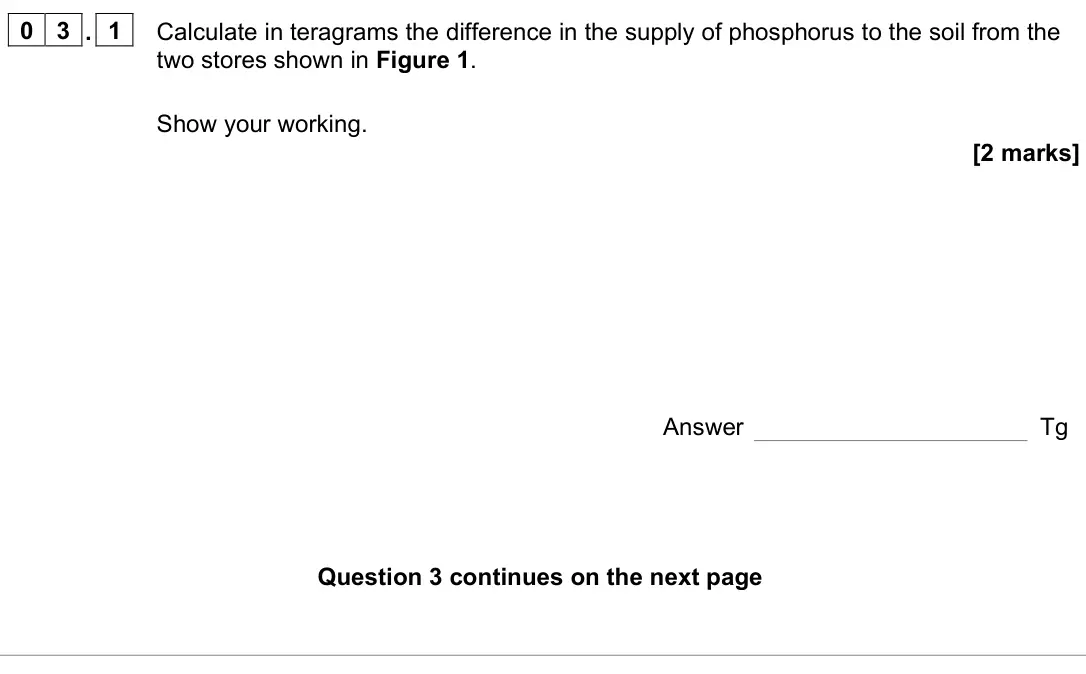
Q03.2
The whole paper ↗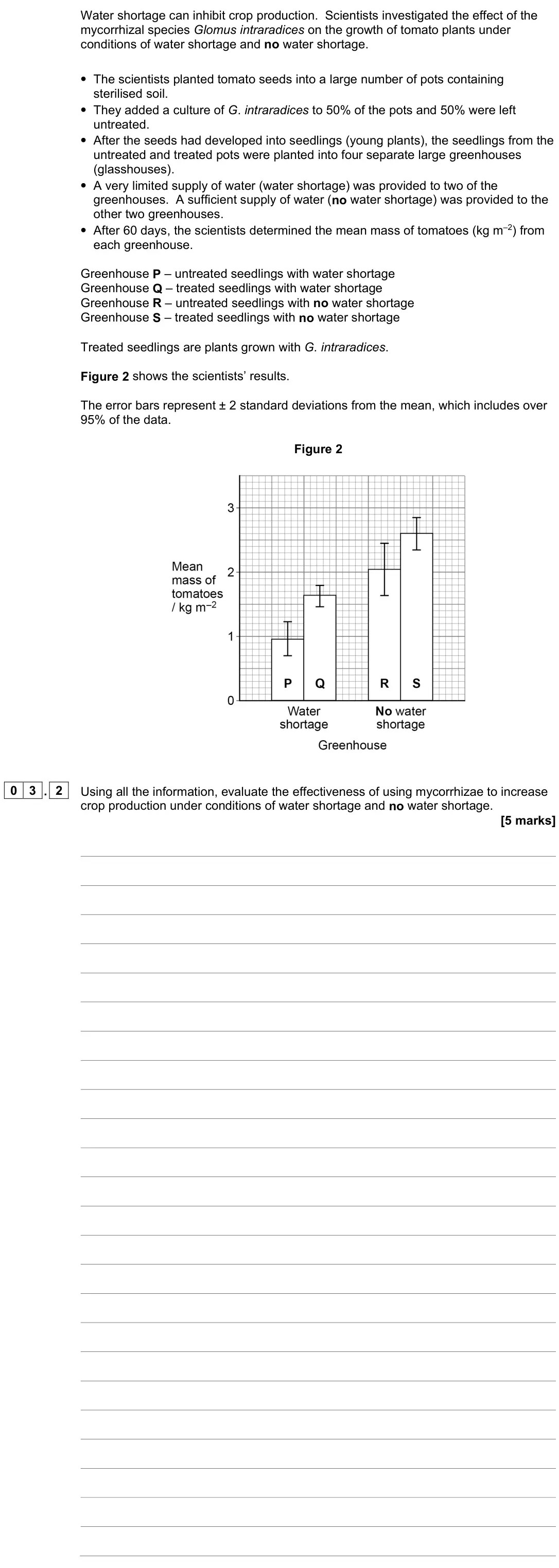
Q03.3
The whole paper ↗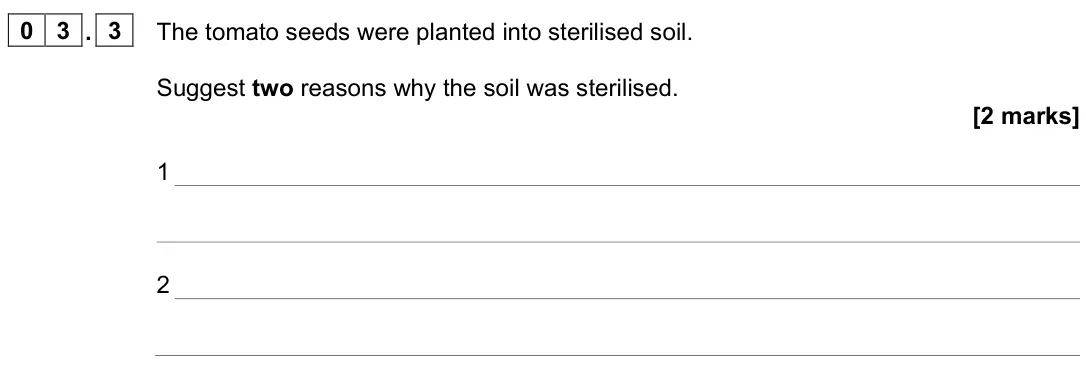
Q03.4
The whole paper ↗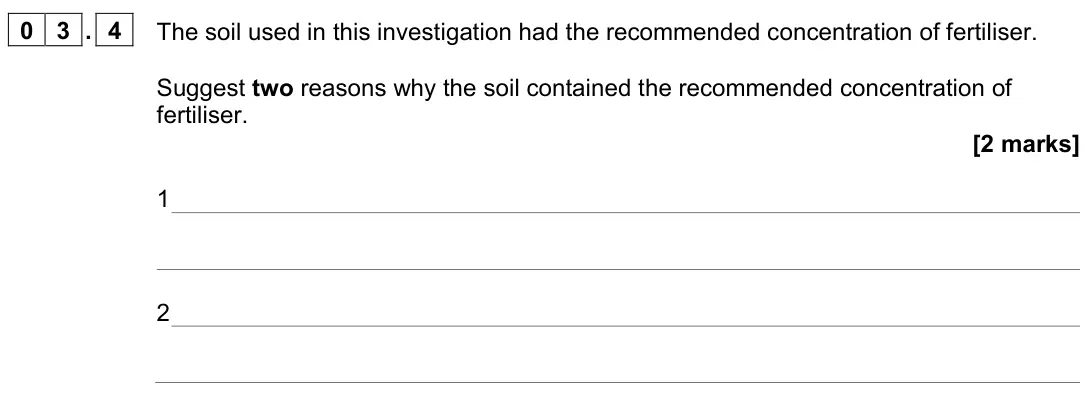
Q03.1
The whole paper ↗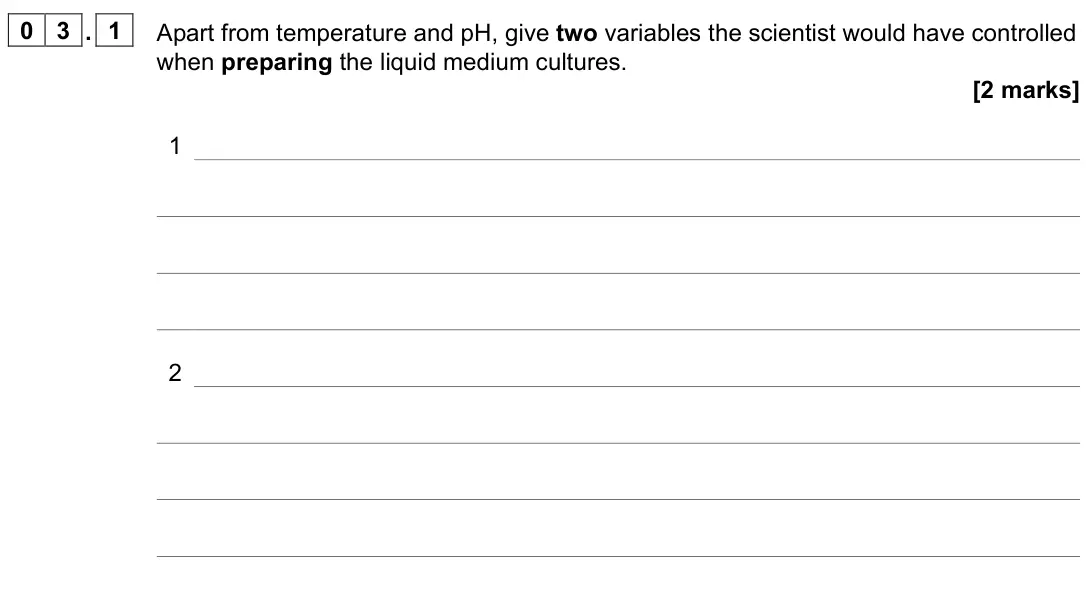
Q03.2
The whole paper ↗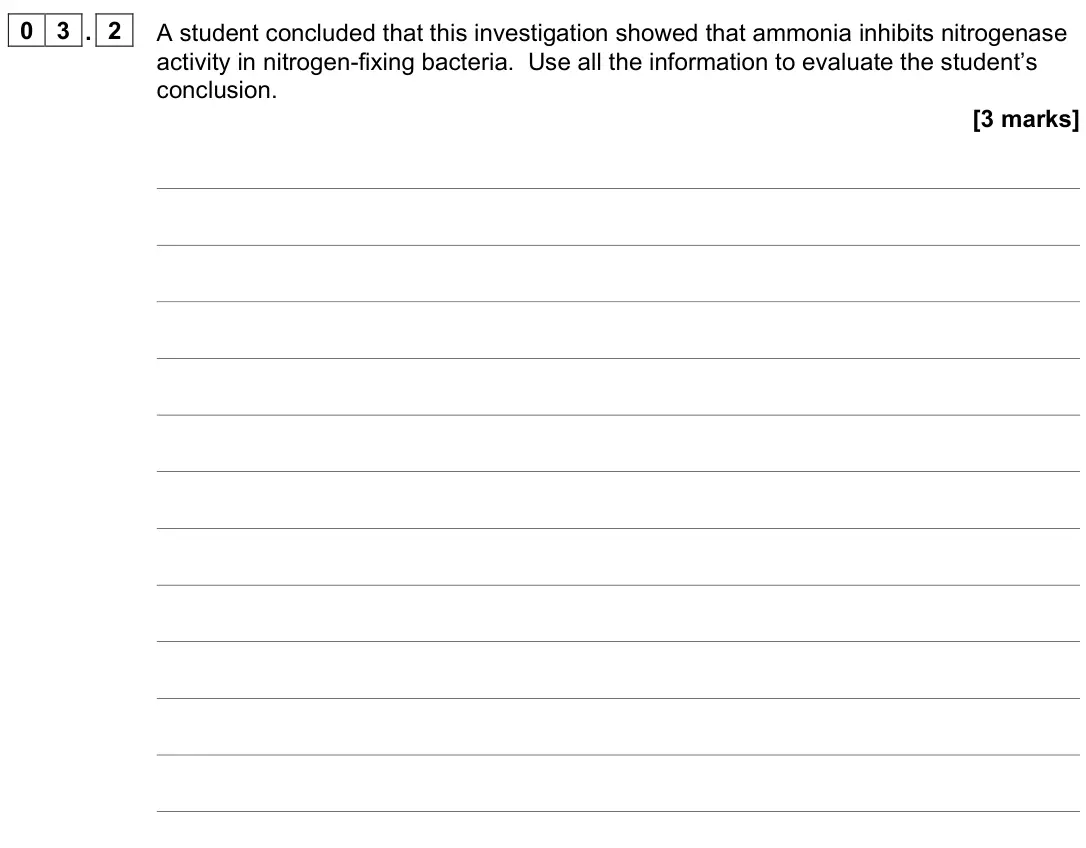
Q03.3
The whole paper ↗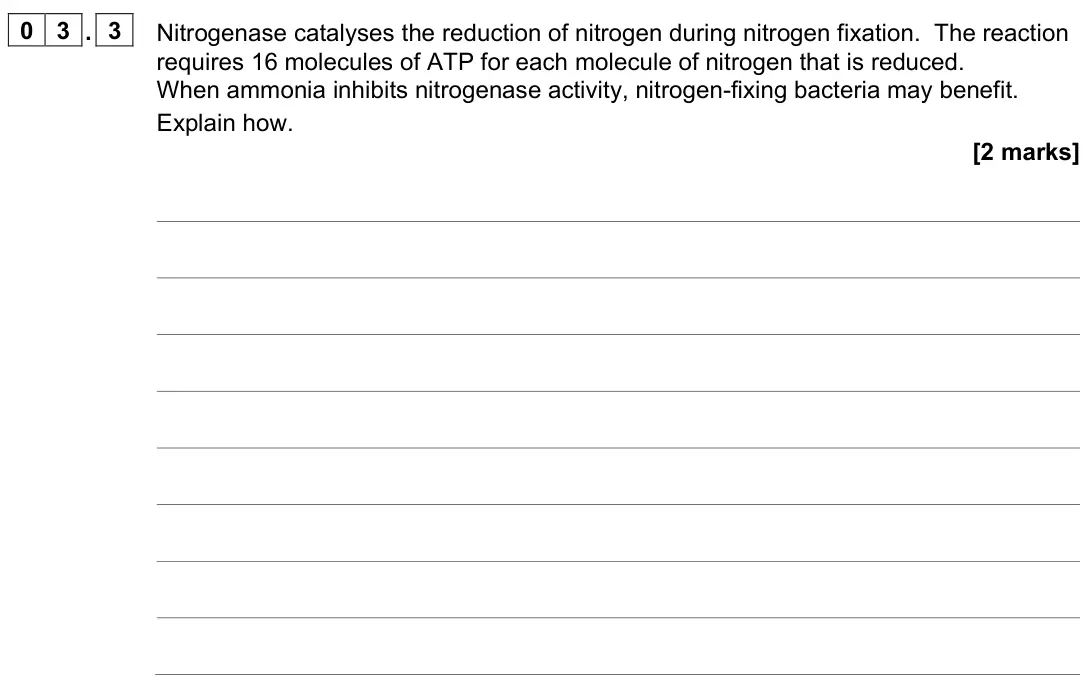
Q06.2
The whole paper ↗
Q10.3
The whole paper ↗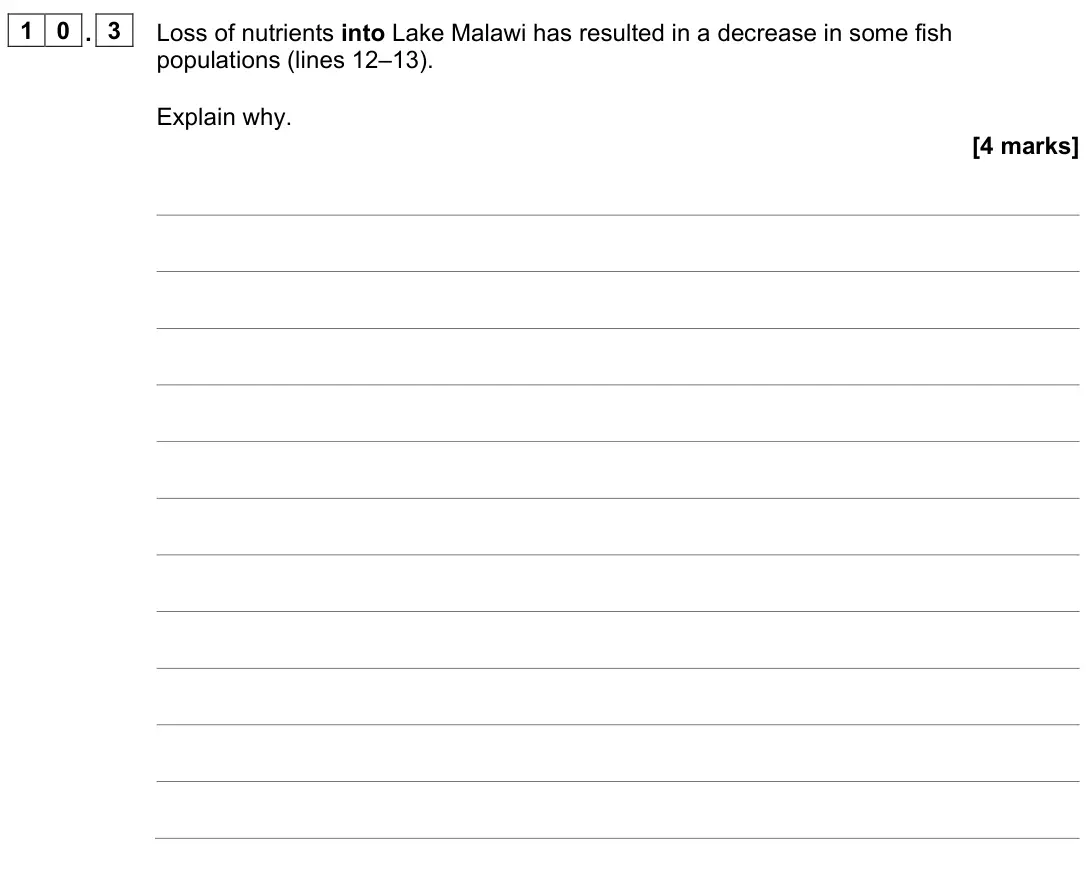
Q04.2
The whole paper ↗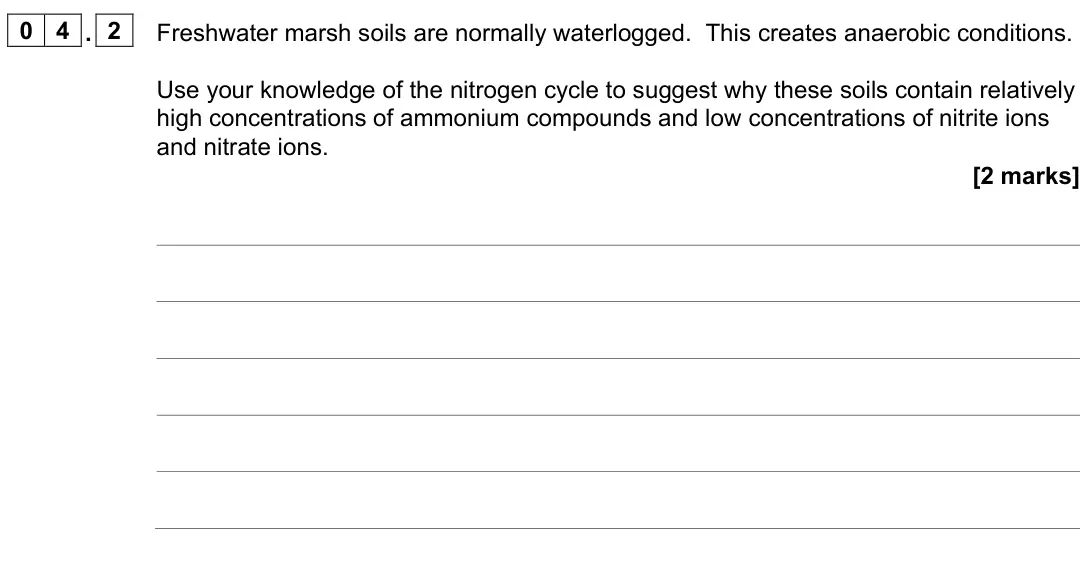
Q07.1
The whole paper ↗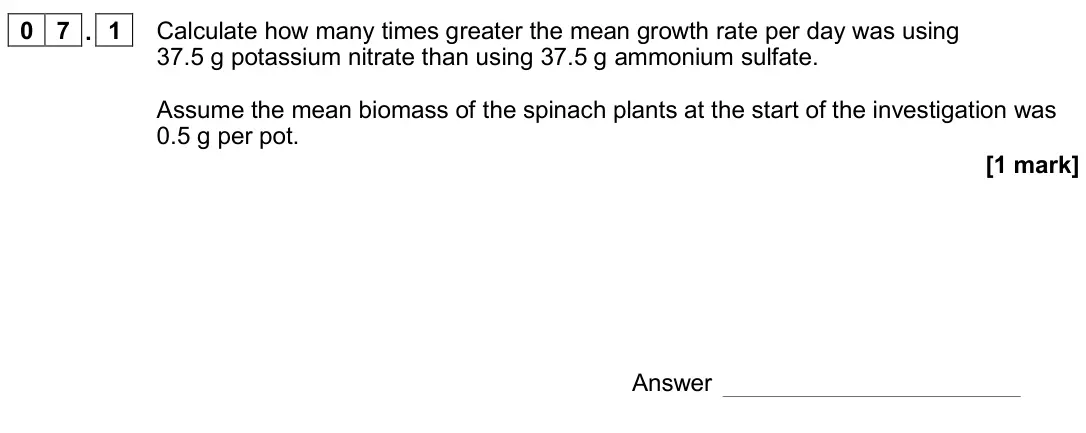
Q07.2
The whole paper ↗
Q09.2
The whole paper ↗
Q02.1
The whole paper ↗
Q02.2
The whole paper ↗
Q03.2
The whole paper ↗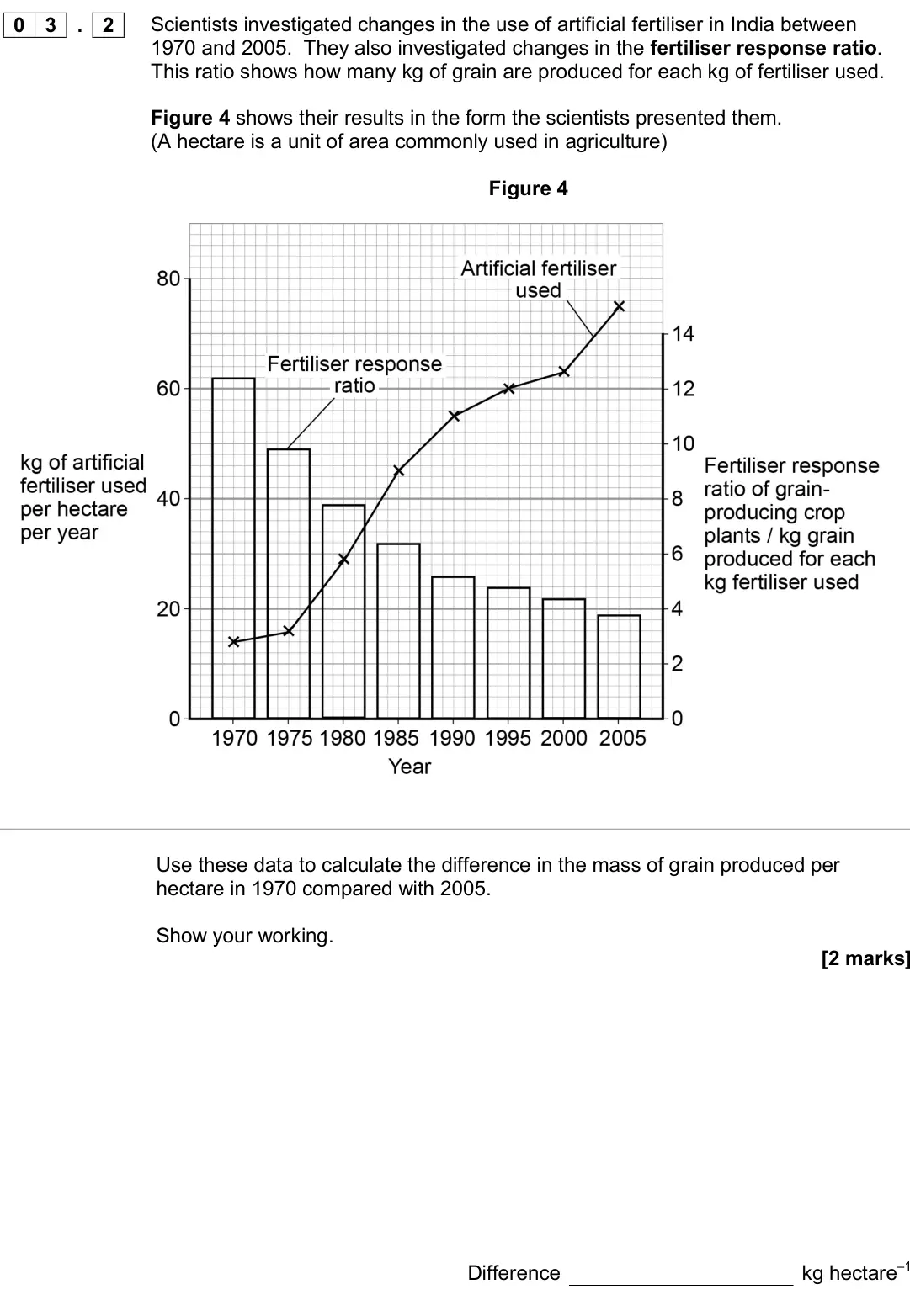
Q05.1
The whole paper ↗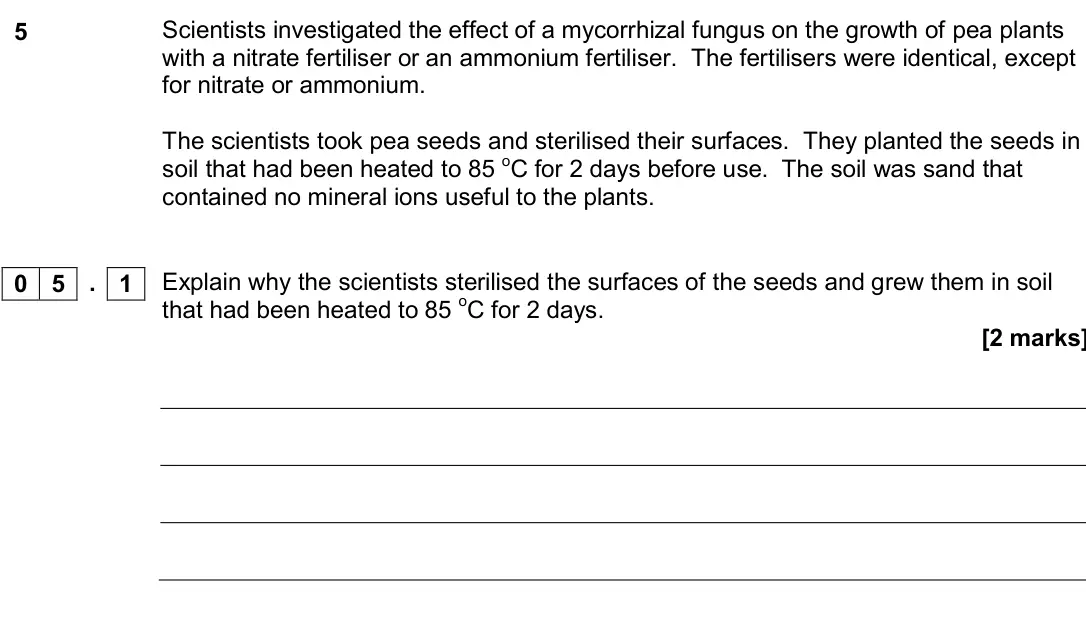
All 24 questions on Nutrient cycles, as a list
- June 2025, Paper 2, Q10.2 (2 marks): Nutrient recycling occurs rapidly on the ground of tropical rainforests (lines 4–5). Explain how two abiotic factors in these rainforests enable the rapid rate
- June 2025, Paper 2, Q10.3 (4 marks): The recycling of nitrogen-containing compounds from dead organic matter sustains the growth of plants (lines 5–7). Describe the roles of bacteria in this recycl
- June 2023, Paper 2, Q03.1 (2 marks): Calculate in teragrams the difference in the supply of phosphorus to the soil from the two stores shown in Figure 1. Show your working. [2 marks] Answer Tg
- June 2023, Paper 2, Q03.2 (5 marks): 0 3 Figure 1 shows part of a phosphorus cycle, including the mass of phosphorus in two stores. Figure 1 One teragram (Tg) is 1 × 10¹² grams. The supply of phosp
- June 2023, Paper 2, Q03.3 (2 marks): The tomato seeds were planted into sterilised soil. Suggest two reasons why the soil was sterilised. [2 marks] 1 2
- June 2023, Paper 2, Q03.4 (2 marks): The soil used in this investigation had the recommended concentration of fertiliser. Suggest two reasons why the soil contained the recommended concentration of
- June 2022, Paper 2, Q03.1 (2 marks): Apart from temperature and pH, give two variables the scientist would have controlled when preparing the liquid medium cultures. [2 marks] 1 2
- June 2022, Paper 2, Q03.2 (3 marks): A student concluded that this investigation showed that ammonia inhibits nitrogenase activity in nitrogen-fixing bacteria. Use all the information to evaluate t
- June 2022, Paper 2, Q03.3 (2 marks): Nitrogenase catalyses the reduction of nitrogen during nitrogen fixation. The reaction requires 16 molecules of ATP for each molecule of nitrogen that is reduce
- June 2022, Paper 3, Q06.2 (25 marks): The importance of cycles in biology. [25 marks]
- November 2021, Paper 2, Q10.3 (4 marks): Loss of nutrients into Lake Malawi has resulted in a decrease in some fish populations (lines 12–13). Explain why. [4 marks]
- November 2021, Paper 3, Q04.2 (2 marks): Freshwater marsh soils are normally waterlogged. This creates anaerobic conditions. Use your knowledge of the nitrogen cycle to suggest why these soils contain
- November 2020, Paper 2, Q07.1 (1 mark): Calculate how many times greater the mean growth rate per day was using 37.5 g potassium nitrate than using 37.5 g ammonium sulfate. Assume the mean biomass of
- November 2020, Paper 2, Q07.2 (5 marks): Using all the information, evaluate the effect on plant growth of adding the different fertilisers to the soil. [5 marks]
- June 2019, Paper 2, Q09.2 (2 marks): Suggest and explain how digesting insects helps the sundew to grow in soil with very low concentrations of some nutrients. [2 marks]
- June 2019, Paper 3, Q02.1 (2 marks): Describe the role of saprobionts in the nitrogen cycle. [2 marks]
- June 2019, Paper 3, Q02.2 (3 marks): One environmental issue arising from the use of fertilisers is eutrophication. Eutrophication can cause water to become cloudy. You are given samples of water f
- June 2017, Paper 3, Q03.2 (2 marks): Scientists investigated changes in the use of artificial fertiliser in India between 1970 and 2005. They also investigated changes in the fertiliser response ra
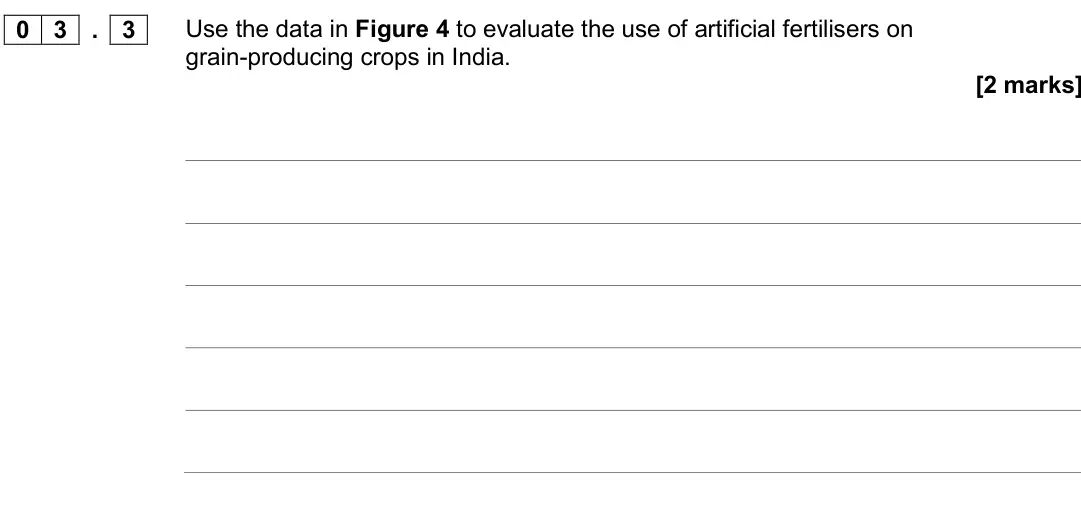
- June 2017, Paper 3, Q03.3 (2 marks): Use the data in Figure 4 to evaluate the use of artificial fertilisers on grain-producing crops in India. [2 marks]
- Specimen, Paper 3, Q05.1 (2 marks): Scientists investigated the effect of a mycorrhizal fungus on the growth of pea plants with a nitrate fertiliser or an ammonium fertiliser. The fertilisers were
- Specimen, Paper 3, Q05.2 (1 mark): Explain why it was important that the soil contained no mineral ions useful to the plants. [1 mark] The pea plants were divided into four groups, A, B, C and D.
- Specimen, Paper 3, Q05.3 (2 marks): The heat-treated fungus had been heated to 120 oC for 1 hour. Explain how groups A and C act as controls. [2 marks] 0 5 . 3
- Specimen, Paper 3, Q05.5 (4 marks): What conclusions can be drawn from the data in Table 3 about the following? [4 marks] The effects of the fungus on growth of the pea plants. The effects of nitr
- Specimen, Paper 3, Q05.7 (2 marks): Section B Answer one question.
Questions, mark schemes and examiner’s reports are © AQA, from their published past papers. Plumi isn’t affiliated with any exam board. Want whole papers? Every AQA A-Level Biology paper.
Rather write your answers by hand on iPad? Plumi marks them against the same mark schemes.