 plumi
Natural selection and its implications: OCR A‑Level Biology A questions
OCR A-Level Biology A past-paper questions on 4.2.2.7 Natural selection and its implications, 2016–2025, with mark schemes and examiner’s reports where available.
Paper
All papers
Exam
All years
Calculations
- Your answer
Q19(b)(iii)
The whole paper ↗
Q21(a)
The whole paper ↗
Q4(e)
The whole paper ↗Q19(d)
The whole paper ↗
Q6(b)
The whole paper ↗Q3(e)
The whole paper ↗
- Your answer
Q3(a)(i)
The whole paper ↗- Your answer
Q22(c)
The whole paper ↗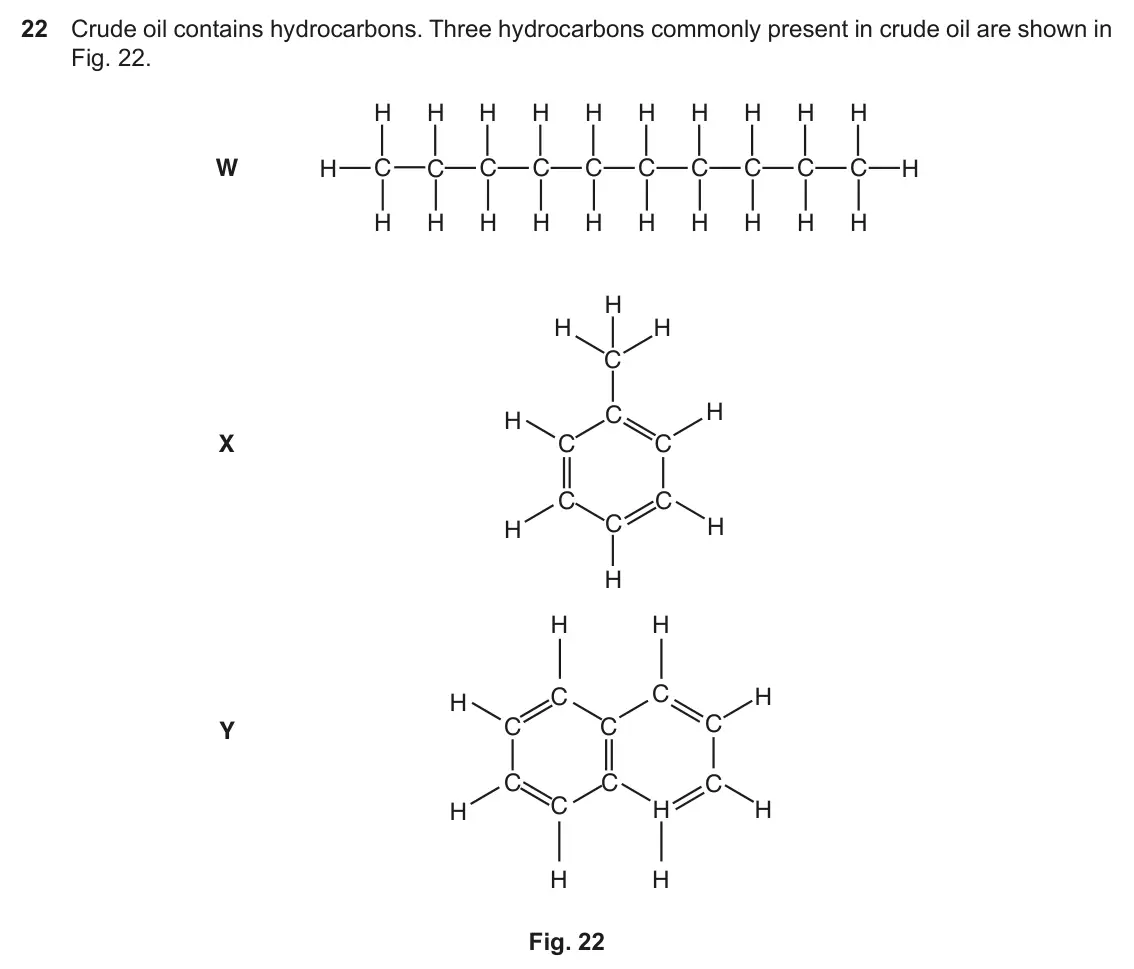
Q3(a)(ii)
The whole paper ↗
Q6(a)(i)
The whole paper ↗Q6(a)(ii)
The whole paper ↗
All 14 questions on Natural selection and its implications, as a list
- June 2025, Paper 2, Q12 (1 mark): Artificial selection and natural selection are similar processes. Which option describes only natural selection? A Alleles are passed on to the next generation.
- June 2025, Paper 2, Q19(b)(iii) (2 marks): Explain why the existence of a predator can improve the long-term survival of a species such as the puffin. [2]
- June 2025, Paper 2, Q21(a) (2 marks): Explain why the evolution of antibiotic resistance has implications for human populations. [2]
- June 2025, AS Paper 2, Q4(e) (6 marks): (e)* Darwin observed birds called finches on the Galapagos Islands. All the different species of finches evolved from one species of finch that arrived from mai
- June 2023, Paper 2, Q19(d) (3 marks): Infectious disease caused by pathogenic bacteria can be treated using antibiotics. The first antibiotics became widely available in the middle of the 20th Centu
- June 2022, AS Paper 2, Q6(b) (4 marks): The peppered moth, Biston betularia, has two forms, a pale form and a dark form, both shown in Fig. 6.2. Pale form Dark form Fig. 6.2 Predators of the peppered
- November 2021, Paper 3, Q3(e) (1 mark): Many crop plants are eaten by herbivorous insects. Humans use insecticides to reduce the consumption of crop plants by insects. Explain why an insecticide might
- June 2019, AS Paper 1, Q14 (1 mark): Which of the following statements, A to D, could explain the data shown for 1999–2000? A the malarial parasite had developed resistance to insecticides B the ve
- June 2019, AS Paper 2, Q3(a)(i) (1 mark): Name the genus of the Scottish wildcat. [1]
- June 2018, Paper 2, Q7 (1 mark): Which of the following statements about antibiotic resistance is correct? A All antibiotics cause mutations in bacterial DNA. B Antibiotic resistance in bacteri
- June 2018, Paper 2, Q22(c) (1 mark): Bacteria that are able to digest and metabolise the hydrocarbons in crude oil are more common in areas, such as around the coast of Alaska and the Gulf of Mexic
- June 2017, Paper 3, Q3(a)(ii) (6 marks): Tigers, Panthera tigris, are predatory mammals. They have evolved striped patterns on their fur (as shown in Fig. 3.1a on the insert), which provide camouflage
- June 2016, AS Paper 2, Q6(a)(i) (1 mark): A student made the following suggestion: I think that the colonies on the agar containing penicillin that survived and grew did so because those bacteria evolve
- June 2016, AS Paper 2, Q6(a)(ii) (1 mark): Name the process that increases the proportion of penicillin-resistant bacteria in the population. [1]
Questions, mark schemes and examiner’s reports are © OCR, from their published past papers. Plumi isn’t affiliated with any exam board. Want whole papers? OCR A-Level Biology A past papers, or our free OCR-style practice pack.
The Plumi iPad app also offers exam-style questions with AI feedback on your handwritten working.