 plumi
Choosing solvents: Edexcel International A Level Chemistry questions
Edexcel International A Level Chemistry past-paper questions on 7.1.4 Choosing solvents, 2019–2025, with mark schemes and examiner’s reports where available.
Paper
All papers
Exam
All years
Calculations
Q17(a)(iii)
The whole paper ↗
Q17(a)
The whole paper ↗
- Your answer
Q23(c)(iii)
The whole paper ↗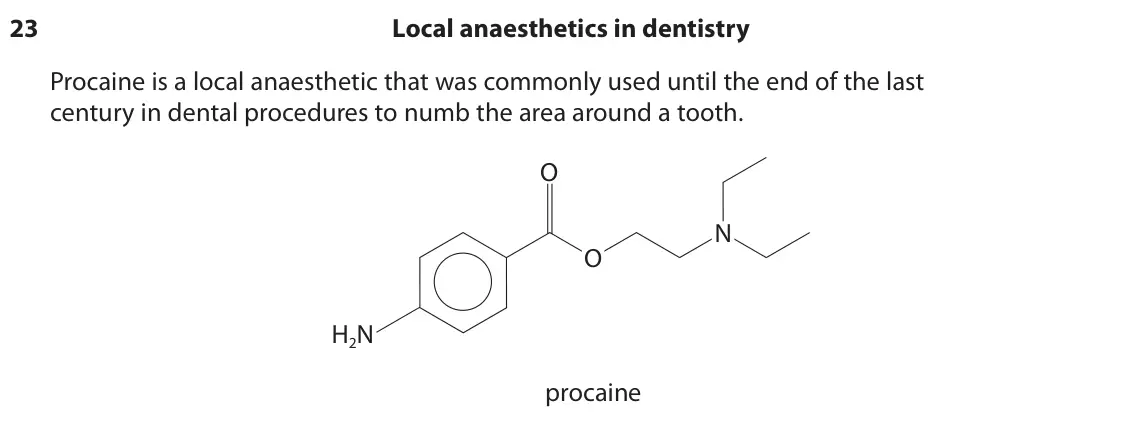
Q16(c)(i)
The whole paper ↗
Q15(a)
The whole paper ↗
- Your answer
Q19(b)(iii)
The whole paper ↗
Q22(e)
The whole paper ↗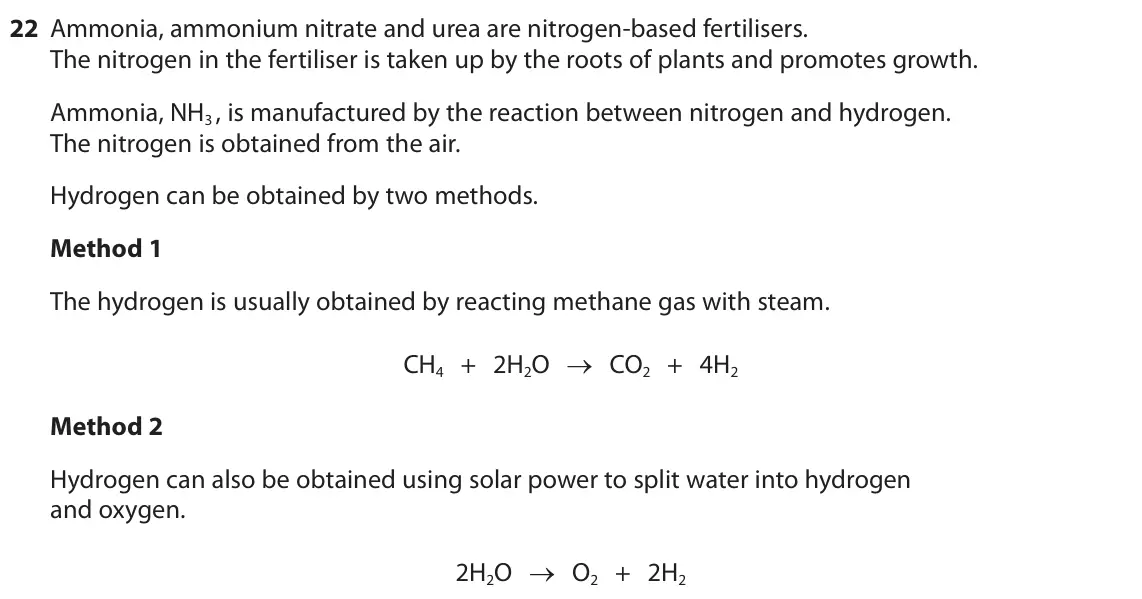
- Your answer
- Your answer
Q19(d)
The whole paper ↗
- Your answer
Q19(b)(iii)
The whole paper ↗
Q2(a)(iii)
The whole paper ↗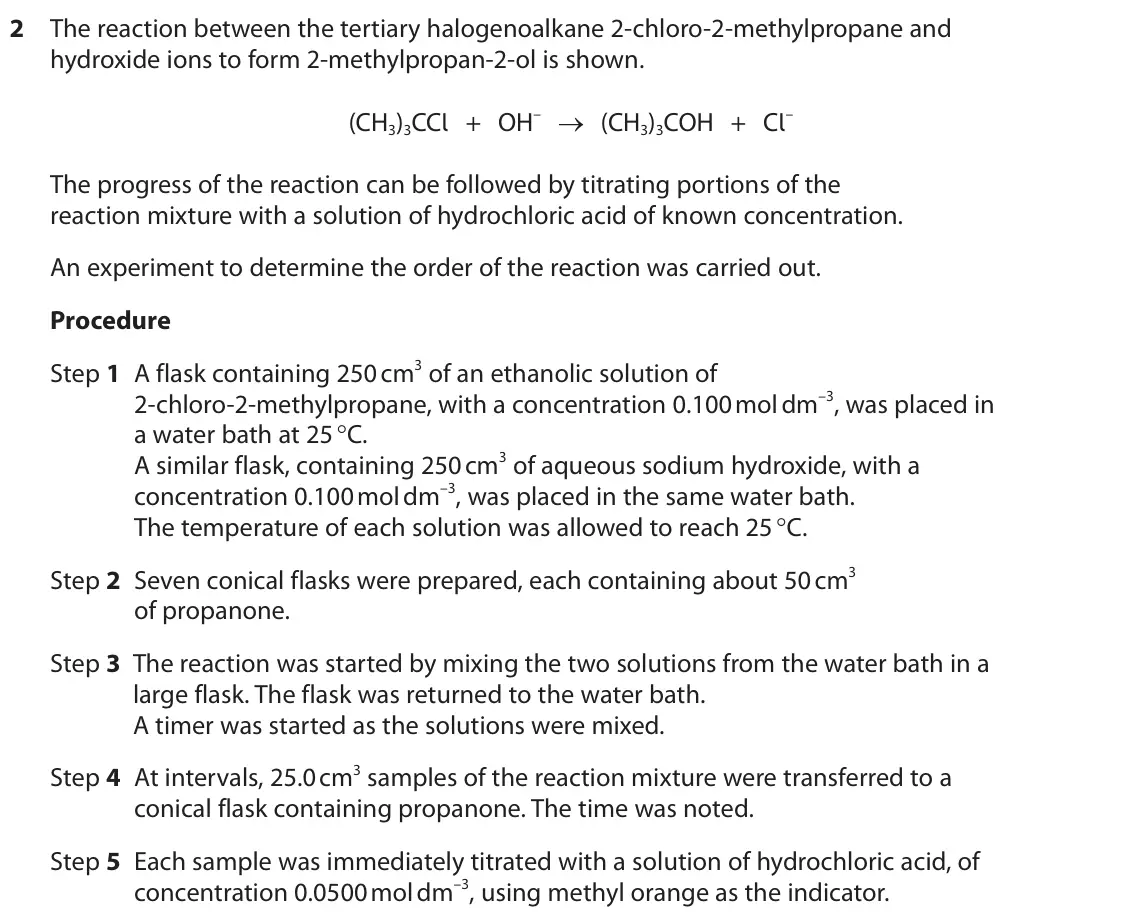
- Your answer
- Your answer
Q20(a)(iii)
The whole paper ↗
Q22(d)(i)
The whole paper ↗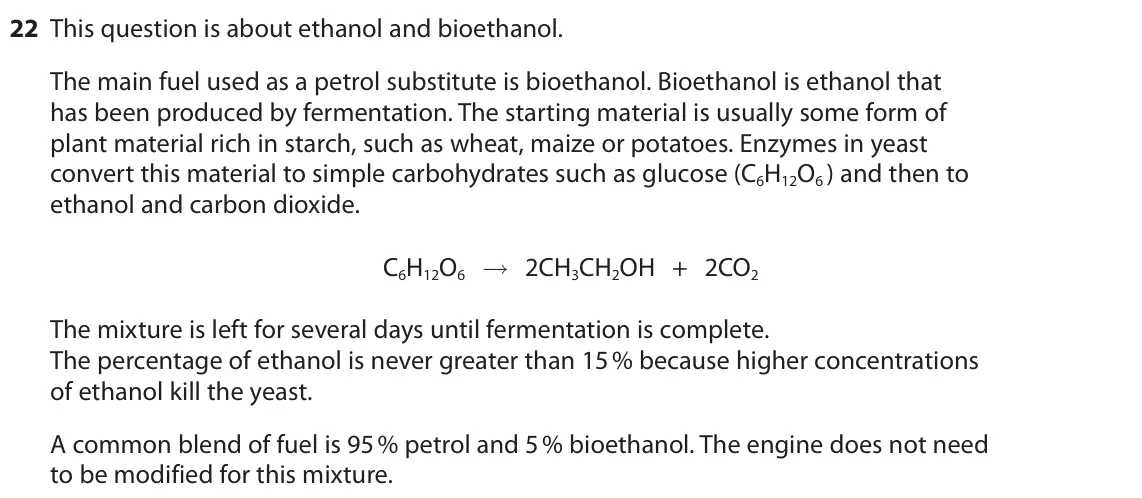
Q20(b)
The whole paper ↗
All 28 questions on Choosing solvents, as a list
- June 2025, Unit 5, Q17(a)(iii) (2 marks): Trimethylamine is a gas at room temperature but readily dissolves in water. Draw a diagram of the intermolecular force that leads to trimethylamine being solubl
- June 2025 (A), Unit 5, Q17(a) (3 marks): Explain why ethylamine is fully miscible with water. (3)
- January 2025, AS Unit 2, Q6 (1 mark): Which is the best solvent for chloroethane? A ethanol B hexane C hydrochloric acid D water
- January 2025, Unit 5, Q23(c)(iii) (2 marks): Explain why procaine hydrochloride is more soluble in aqueous solutions such as blood plasma than procaine. (2)
- October 2024, AS Unit 2, Q16(c)(i) (2 marks): Draw a labelled diagram showing how both the magnesium ion and the sulfate ion interact with water molecules. (2)
- October 2024, Unit 5, Q15(a) (2 marks): Butylamine is miscible with water. Draw a labelled diagram to show one of the intermolecular interactions between a butylamine molecule and a molecule of water.
- June 2024, AS Unit 2, Q2 (1 mark): Sodium chloride dissolves in water to form a solution because of the interactions between the sodium chloride and water. What are these interactions? A dipole‑d
- June 2024, Unit 5, Q19(b)(iii) (2 marks): Explain why poly(ethenol) is soluble in water using your answers from 19(b)(i) and (ii). (2)
- June 2024 (R), AS Unit 2, Q22(e) (6 marks): Both urea and ammonium nitrate are soluble in water. Discuss the differences in the interactions of water molecules with both urea and ammonium nitrate. Include
- January 2024, AS Unit 2, Q5 (1 mark): In which liquid solvent would the solubility of lithium chloride (LiCl) be lowest? A ammonia B cyclohexane C methanol D water
- January 2024, Unit 4, Q14 (1 mark): Which substance is the least soluble in water? A propanal B propan‑1‑ol C propanoic acid D sodium propanoate Use this space for any rough working. Anything you
- October 2023, AS Unit 2, Q19(d) (6 marks): Explain why iodine is more soluble in hexane than in water, by considering the intermolecular forces in iodine, hexane and water and any intermolecular forces f
- June 2023, Unit 4, Q10 (1 mark): How do the boiling temperature and the solubility in water of butanoic acid compare with the values for hexane? Boiling temperature Solubility in water A lower
- January 2023, AS Unit 2, Q19(b)(iii) (3 marks): Explain why alcohol B is completely soluble in ethanol but only slightly soluble in water. A detailed description of the forces involved is not required. (3)
- January 2023, Unit 6, Q2(a)(iii) (2 marks): Explain how the use of aqueous ethanol in the reaction mixture allows the reaction in Step 3 to proceed at a relatively fast rate. A description of the forces i
- October 2022, Unit 4, Q11 (1 mark): Which compound is both completely miscible in water and has a higher boiling temperature than water? A CH3COOH B CH3COCH3 C CH3CH2CH2CHO D CH3CH2COOCH2CH3
- January 2022, AS Unit 2, Q9 (1 mark): Which solvent dissolves the greatest amount of hydrocarbon C35H72? A butan‑1‑ol B ethanoic acid C hexane D water Use this space for any rough working. Anything
- January 2022, Unit 4, Q20(a)(iii) (3 marks): The solubility of hexanoic acid in water is 1.08 g per 100 g of water. The isomer of hexanoic acid, butyl ethanoate, CH3CO2C4H9, has a solubility of 0.68 g per
- October 2021, AS Unit 2, Q22(d)(i) (1 mark): Give a possible reason why ethanol is able to absorb water. (1)
- June 2021, AS Unit 2, Q20(b) (2 marks): Calcium chloride is soluble in water. Complete the diagram to show how water molecules interact with each ion. You may use to represent a water molecule. (2) Cl
- January 2021, AS Unit 2, Q19(b) (3 marks): The product of the reaction is a mixture of ethanol and water. Explain why ethanol and water mix together fully. You may find it helpful to draw a diagram. (3)
- January 2021, AS Unit 2, Q20(b)(ii) (3 marks): Complete the diagrams to show how the ions formed in the reaction between DMAA and hydrochloric acid interact with water molecules. (3)
- January 2021, AS Unit 3, Q4(a)(ii) (2 marks): Explain why the product in the organic layer in Step 2 does not mix with the aqueous layer. (2)
- January 2020, AS Unit 2, Q15(c) (2 marks): Describe the processes that occur when solid copper(II) sulfate dissolves in water. (2)
- January 2020, AS Unit 2, Q18(b) (2 marks): Urea is supplied as solid pellets and is used widely in Africa and Asia, particularly in the cultivation of crops such as rice which are grown in fields immerse
- January 2020, AS Unit 3, Q4(d)(i) (2 marks): State two physical properties of bromoethane that can be deduced from this diagram. (2)
- June 2019, AS Unit 2, Q19(b)(ii) (2 marks): Explain why iodine is very soluble in cyclohexane but only slightly soluble in water. (2)
- June 2019, AS Unit 2, Q20(b)(i) (2 marks): Explain, in terms of energy changes, why magnesium carbonate is insoluble in water. (2)
Questions, mark schemes and examiner’s reports are © Pearson Edexcel, from their published past papers. Plumi isn’t affiliated with any exam board. Want whole papers? Edexcel International A Level Chemistry past papers.
The Plumi iPad app also offers exam-style questions with AI feedback on your handwritten working.