 plumi
Plant fibres, starch and sustainability: Edexcel International A Level Biology questions
Edexcel International A Level Biology past-paper questions on 4.2.2 Plant fibres, starch and sustainability, 2019–2025, with mark schemes and examiner’s reports where available.
Paper
All papers
Exam
All years
Calculations
Q5(a)
The whole paper ↗
Q2(b)(i)
The whole paper ↗
Q9(c)
The whole paper ↗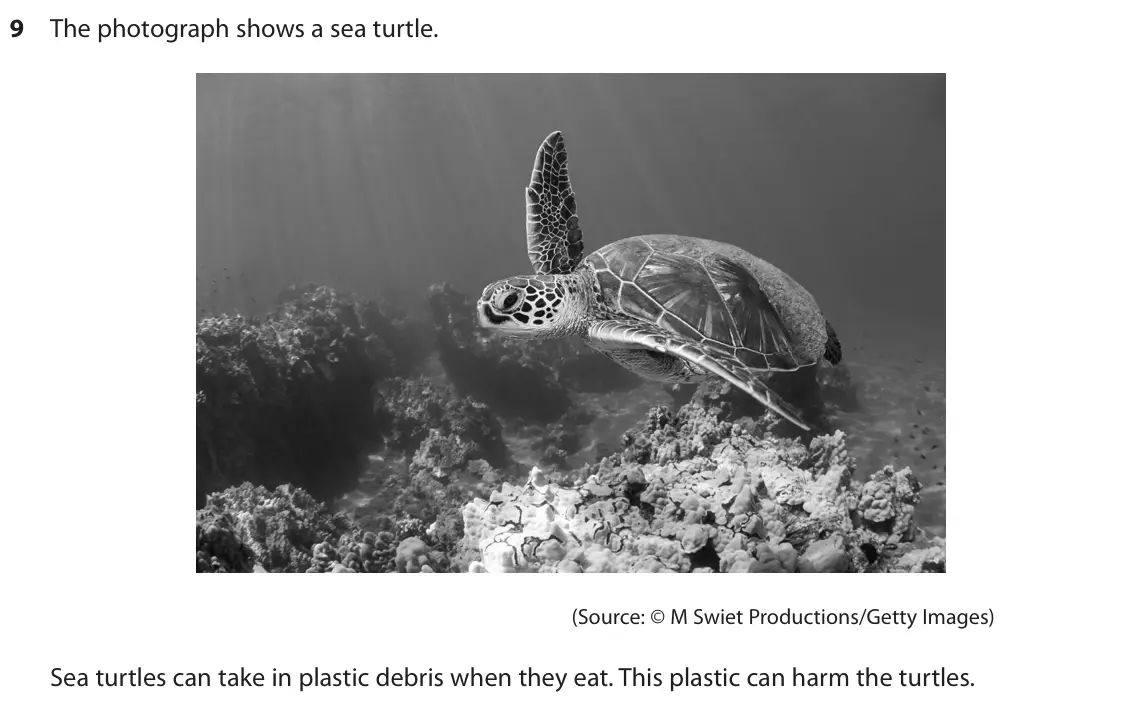
Q1(c)
The whole paper ↗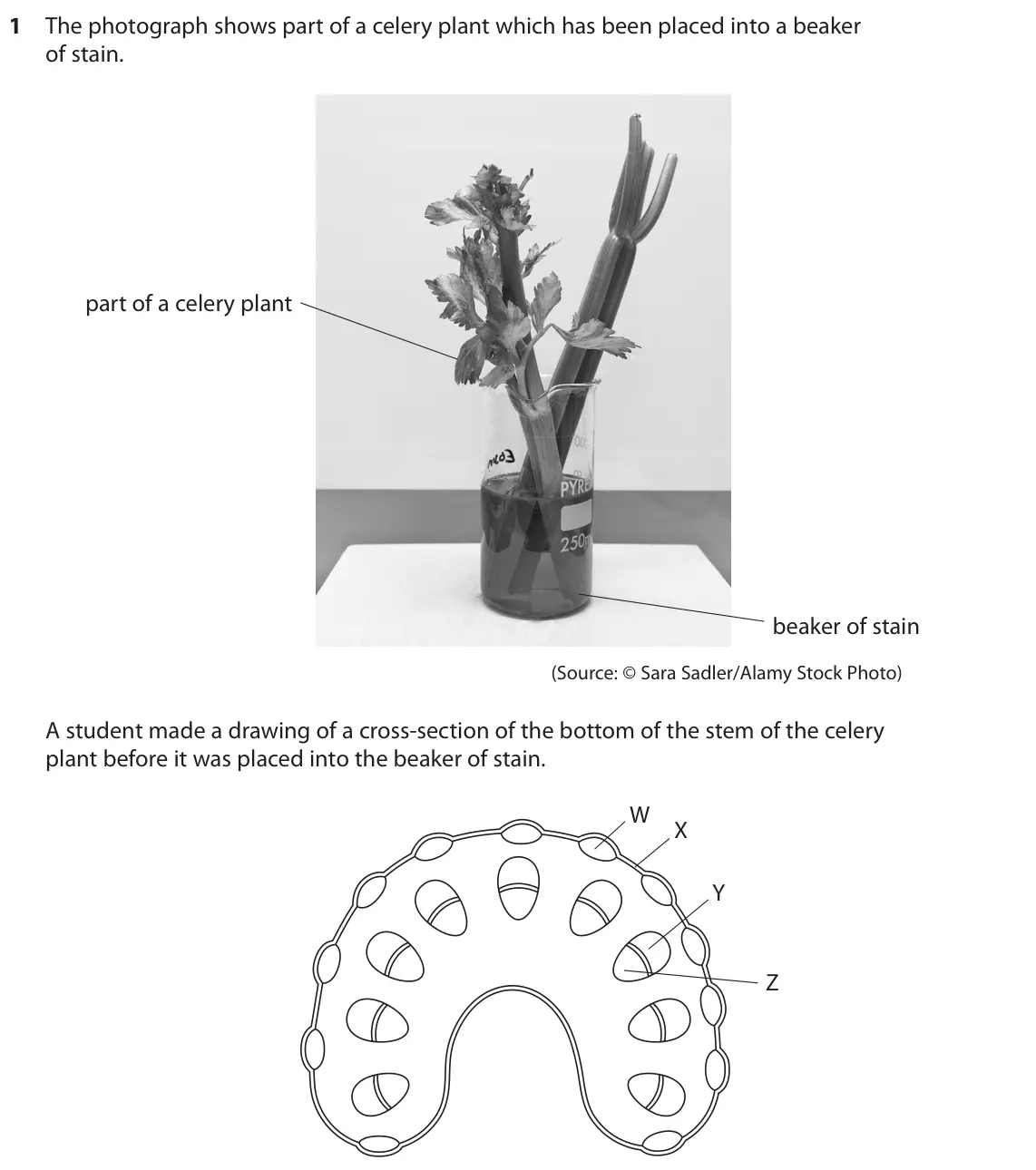
Q4(a)(ii)
The whole paper ↗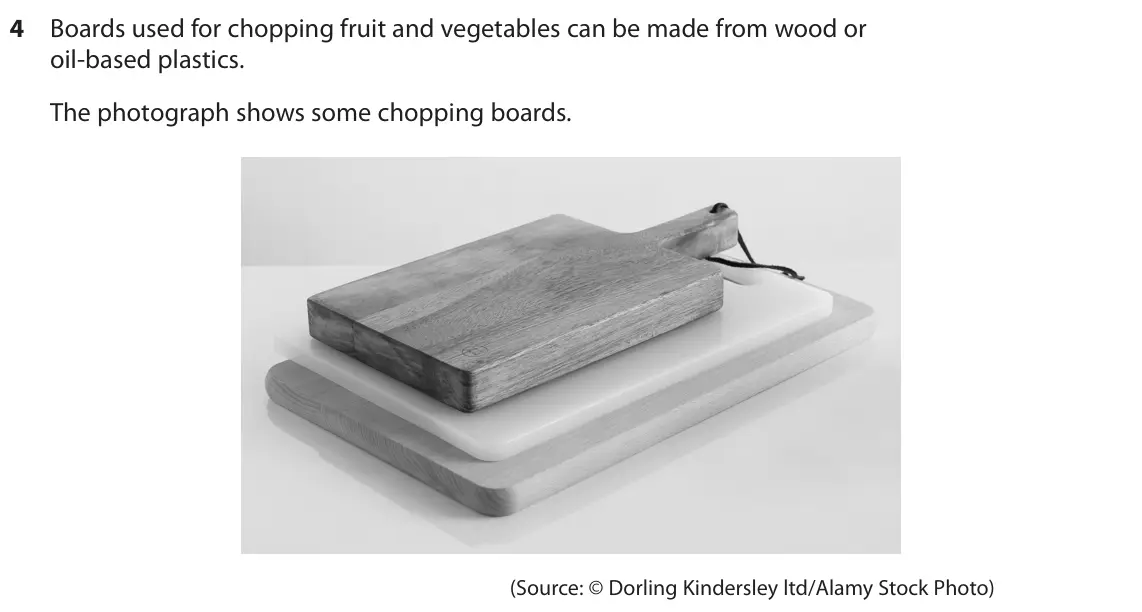
Q3(a)(i)
The whole paper ↗
Q3(a)(ii)
The whole paper ↗Q5(b)
The whole paper ↗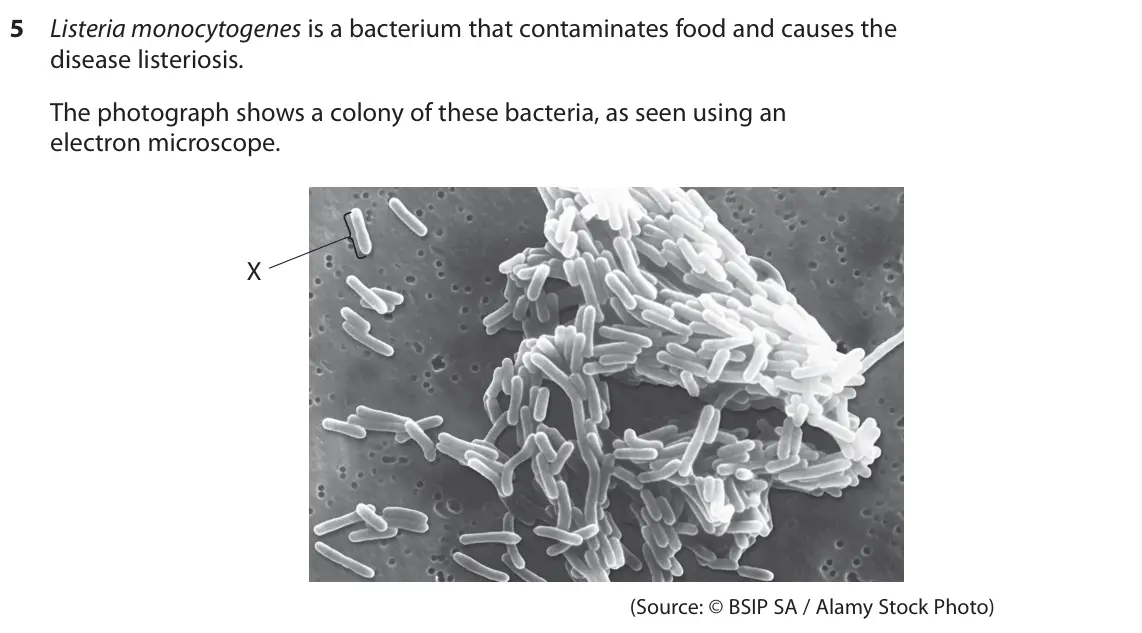
Q4(b)(i)
The whole paper ↗
Q4(b)(ii)
The whole paper ↗Q4(a)
The whole paper ↗
Q4(b)
The whole paper ↗
All 12 questions on Plant fibres, starch and sustainability, as a list
- June 2025, AS Unit 2, Q5(a) (2 marks): The photograph shows a drinking cup. (Source: © Alex Hinds / Alamy Stock Photo) This cup is made from parts of a sugarcane plant that are left over from commerc
- January 2024, AS Unit 2, Q2(b)(i) (2 marks): Plant‑based packaging is more sustainable than oil‑based packaging. Explain what is meant by sustainable. (2)
- October 2023, Unit 4, Q9(c) (6 marks): Mangoes are tropical fruits that are harvested before they are ripe. Plastic packaging is used to wrap mangoes after they have been picked. This preserves the f
- June 2023, AS Unit 2, Q1(c) (1 mark): Transparent plastic film can be made from oil‑based plastics or from starch. The photograph shows transparent bio‑plastic film, made from starch. transparent bi
- October 2022, AS Unit 2, Q4(a)(ii) (2 marks): Explain why boards made from oil-based plastics are not considered sustainable. (2)
- June 2022, AS Unit 2, Q3(a)(i) (2 marks): A spherical calabash fruit was cut in half to make two bowls. Each bowl had a radius of 25 cm. Calculate the volume of one bowl to the nearest whole number. Use
- June 2022, AS Unit 2, Q3(a)(ii) (2 marks): Explain why bowls made from calabash fruits are a sustainable resource. (2)
- January 2022, AS Unit 2, Q5(b) (2 marks): The photograph shows a bottle of oil extracted from the plant oregano. This plant is native to Mediterranean and western Asian countries. (Source: © Frank Hecke
- June 2021, AS Unit 2, Q4(b)(i) (2 marks): In 2018, a company in Mexico produced 130 000 kg of bioplastic cutlery and straws per month. 40% of the products were straws. Calculate the mass of cutlery prod
- June 2021, AS Unit 2, Q4(b)(ii) (2 marks): The use of these plant‑based products is more sustainable than the use of cutlery and straws made from oil‑based plastic. Explain what is meant by the term sust
- October 2020, AS Unit 2, Q4(a) (3 marks): The diagram shows the structure and composition of a grain of wheat. wheat bran (14%) endosperm (83%) embryo (3%) Wheat bran contains 43% fibre. A grain of whea
- October 2020, AS Unit 2, Q4(b) (3 marks): Disposable plates and cutlery can be made from either plant‑based products or from oil‑based plastics. The photograph shows cutlery and a plate made from wheat
Questions, mark schemes and examiner’s reports are © Pearson Edexcel, from their published past papers. Plumi isn’t affiliated with any exam board. Want whole papers? Edexcel International A Level Biology past papers.
The Plumi iPad app also offers exam-style questions with AI feedback on your handwritten working.