 plumi
Hardy-Weinberg and changing allele frequencies: Edexcel International A Level Biology questions
Edexcel International A Level Biology past-paper questions on 4.6.2 Hardy-Weinberg and changing allele frequencies, 2019–2025, with mark schemes and examiner’s reports where available.
Paper
All papers
Exam
All years
Calculations
Q2(a)(i)
The whole paper ↗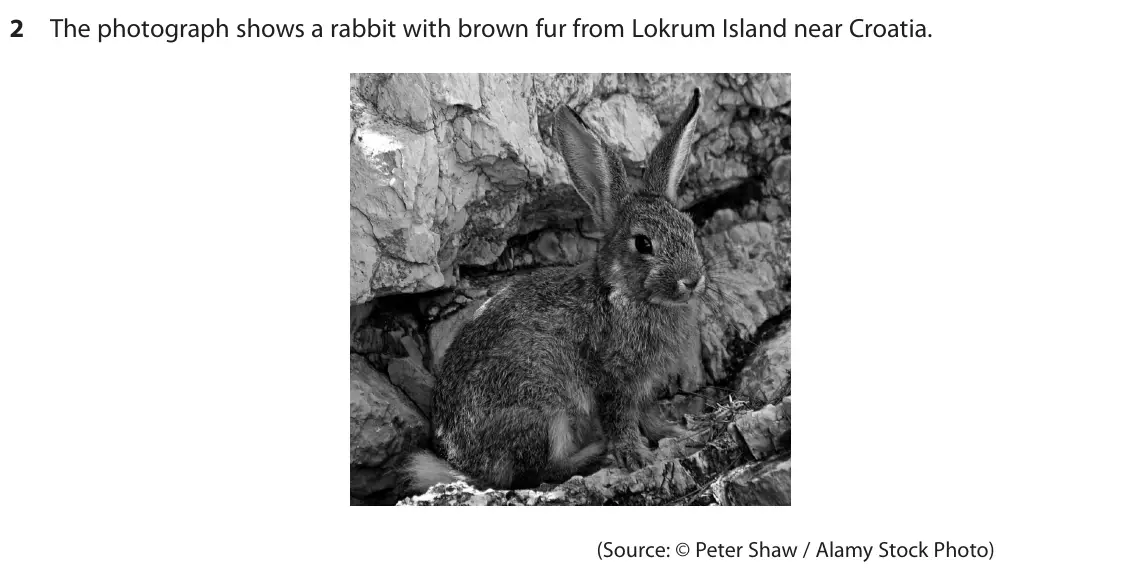 Your answer
Q2(a)(ii)
The whole paper ↗Q2(b)
The whole paper ↗Q8(c)(ii)
The whole paper ↗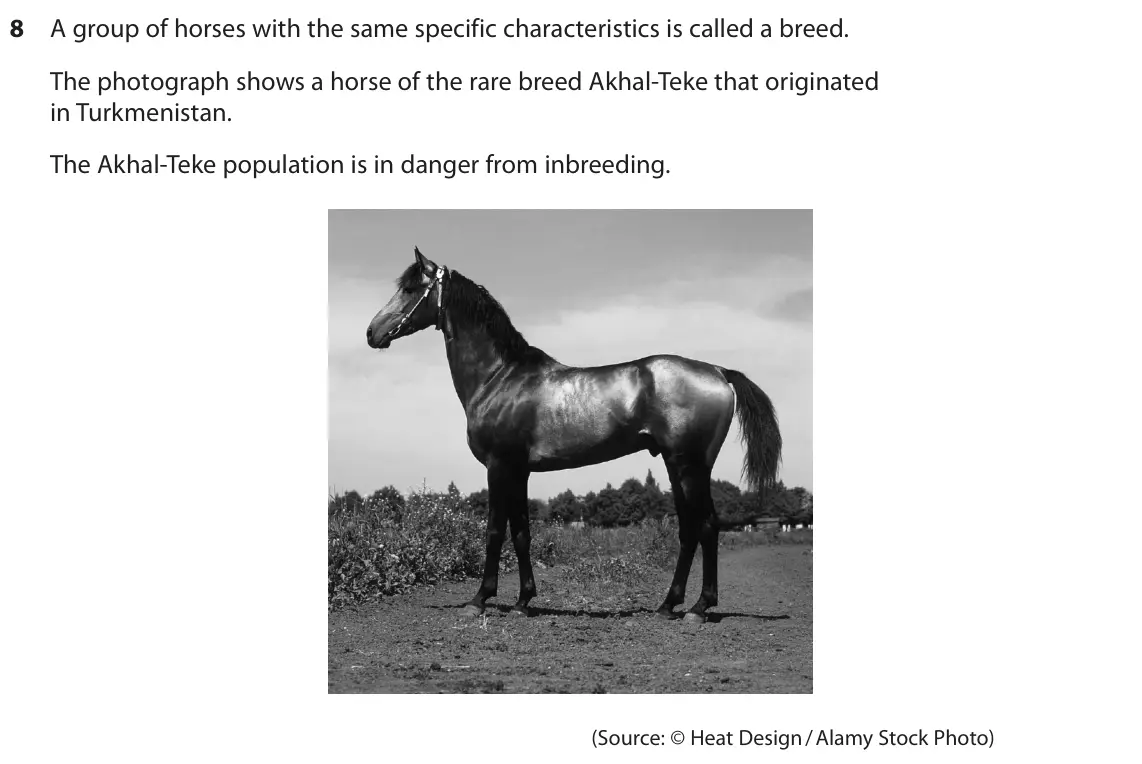
Q7(b)(ii)
The whole paper ↗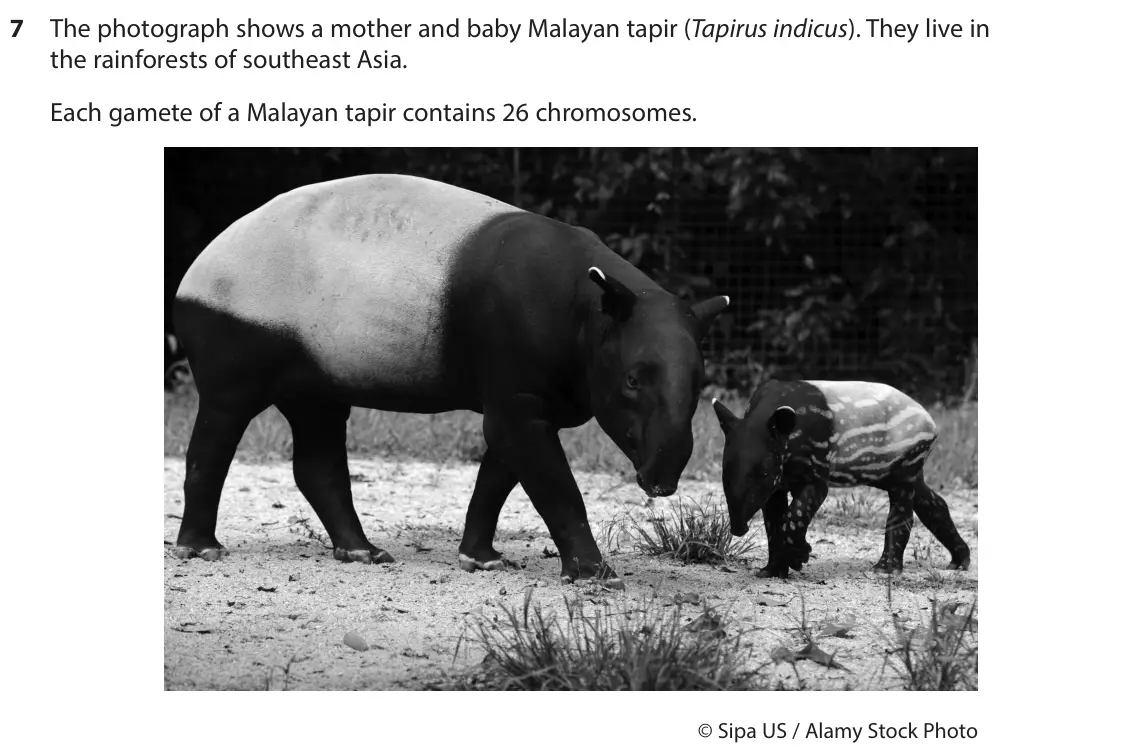
Q8(b)(ii)
The whole paper ↗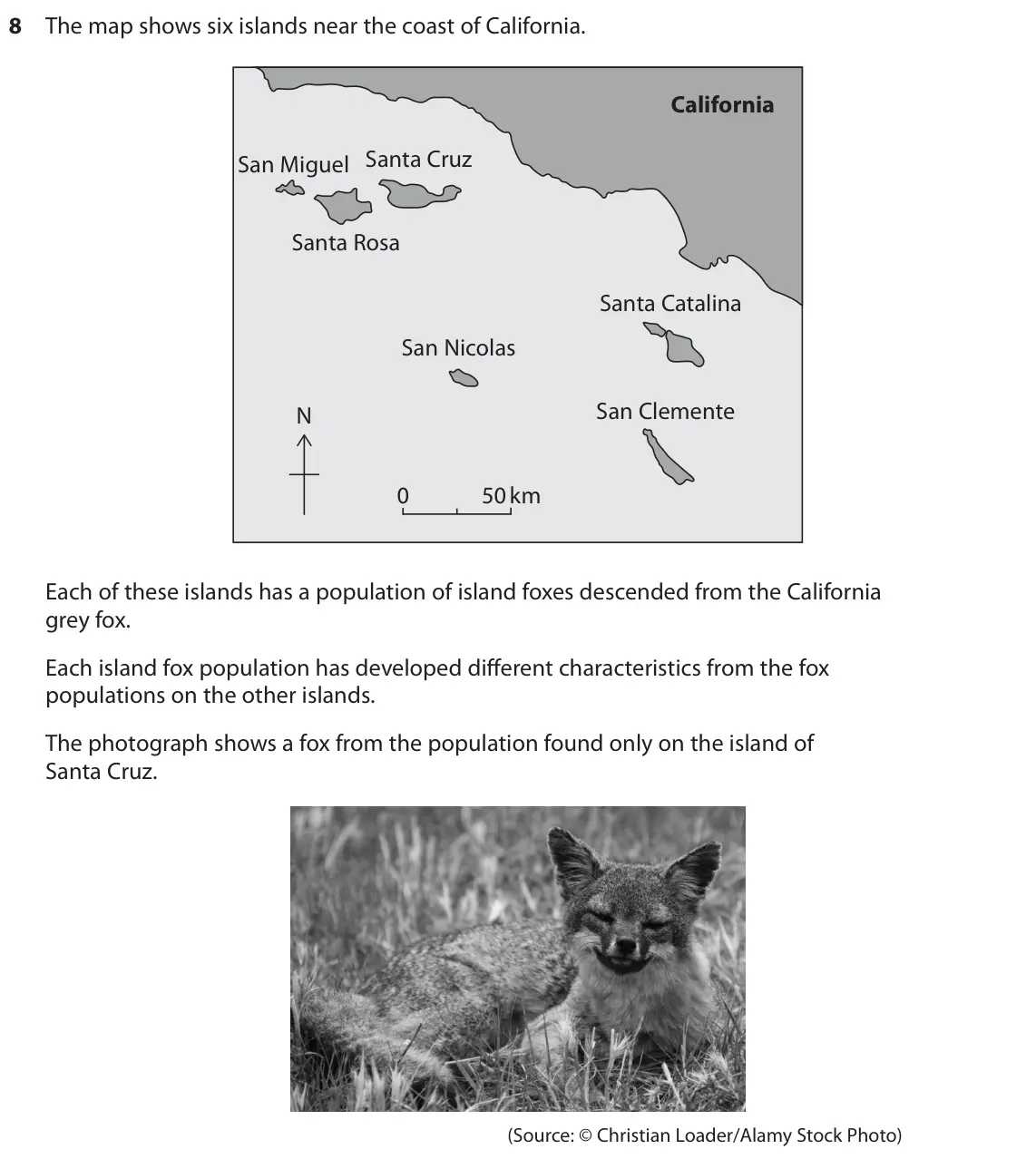
Q8(d)
The whole paper ↗
Q8(a)(ii)
The whole paper ↗
Q7(d)
The whole paper ↗
Q5(b)
The whole paper ↗
Q9(b)(ii)
The whole paper ↗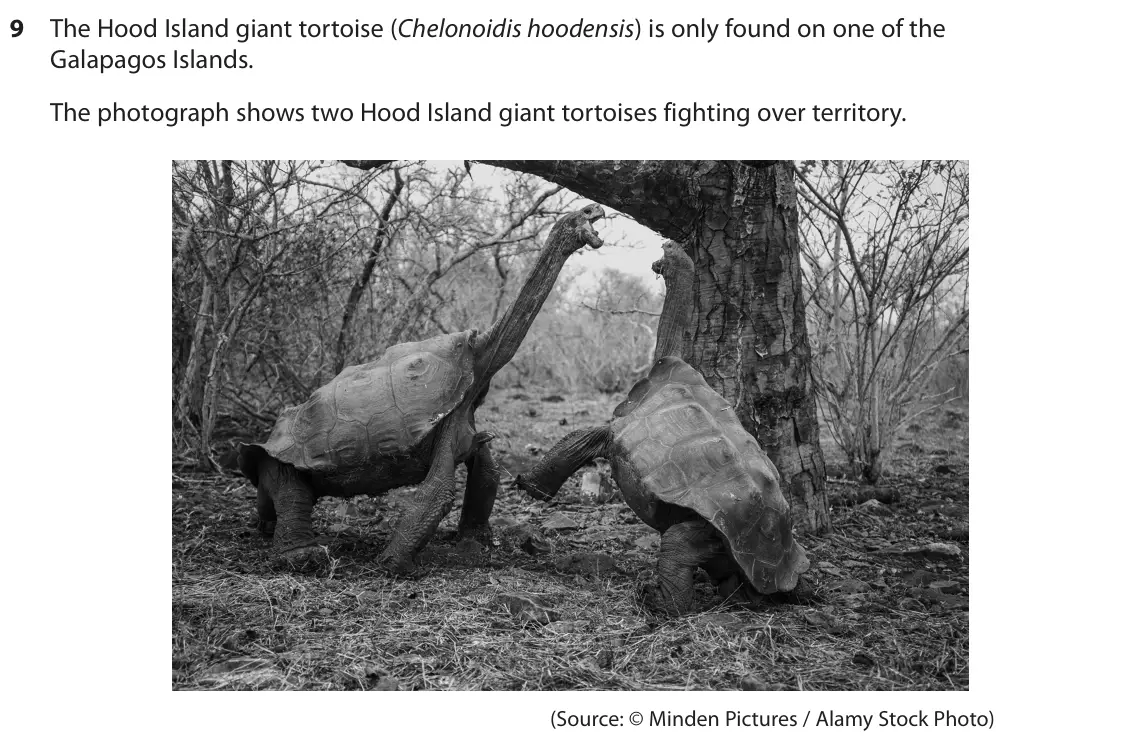
Q9(d)
The whole paper ↗Q6(c)
The whole paper ↗
Q7(d)
The whole paper ↗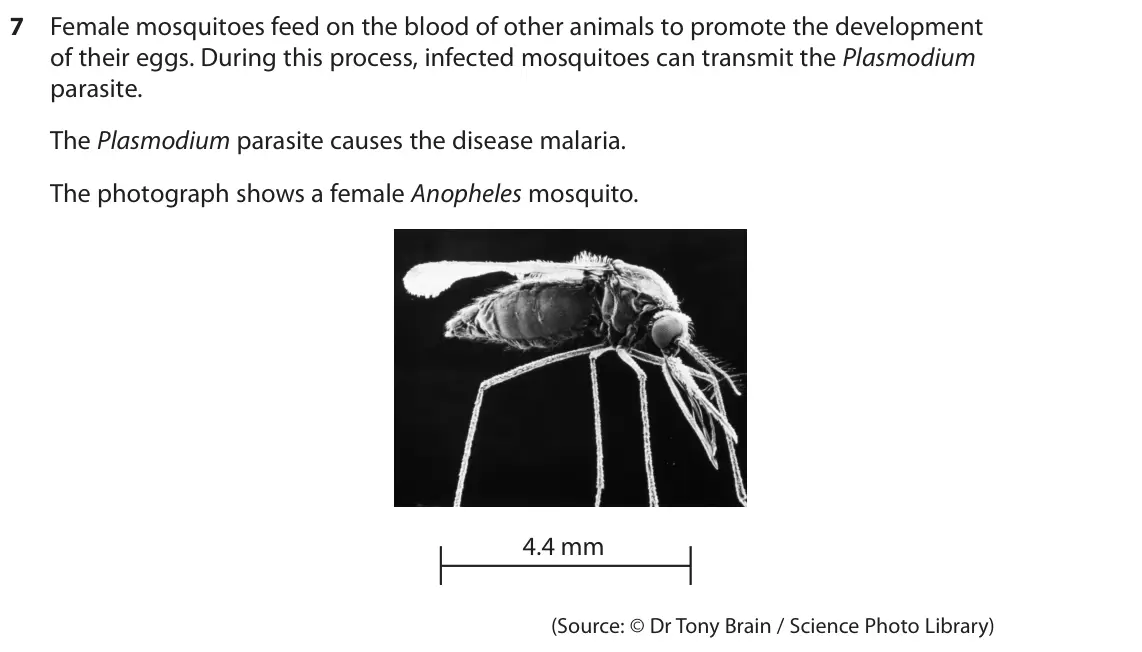
Q8(b)
The whole paper ↗
Q8(c)
The whole paper ↗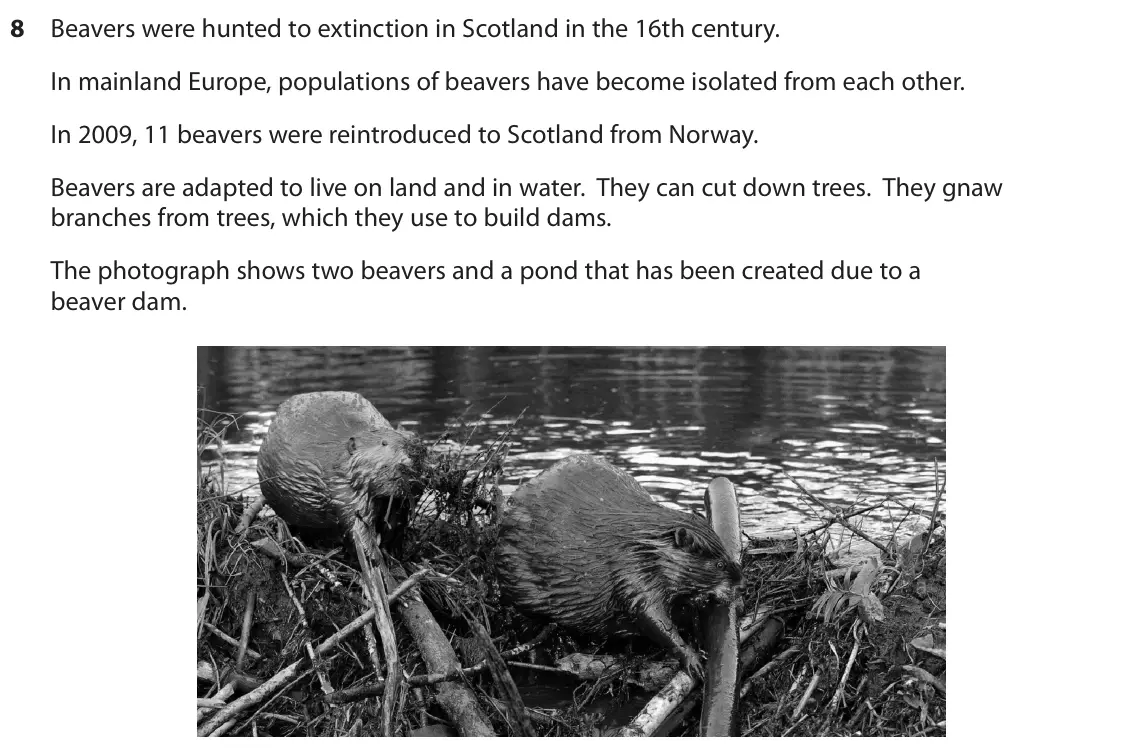
All 16 questions on Hardy-Weinberg and changing allele frequencies, as a list
- January 2025, AS Unit 2, Q2(a)(i) (1 mark): Which is the value for 2pq if p2 = 0.36? (1) A 0.06 B 0.16 C 0.48 D 0.64
- January 2025, AS Unit 2, Q2(a)(ii) (1 mark): Albino rabbits in this population have the genotype bb. State the part of the equation that represents this genotype. (1)
- January 2025, AS Unit 2, Q2(b) (4 marks): A viral disease has killed many of the rabbits on Lokrum Island. Several genes are involved in protecting rabbits from this virus. Explain how this viral diseas
- October 2024, AS Unit 2, Q8(c)(ii) (3 marks): The table shows some information about one gene for a population of 400 Caspian horses. two copies of the two copies of the Genotype heterozygous dominant allel
- June 2024, AS Unit 2, Q7(b)(ii) (2 marks): Explain how scientists could determine if a change in the frequency of the recessive allele was occurring over time. (2)
- January 2024, AS Unit 2, Q8(b)(ii) (2 marks): Explain how the Hardy–Weinberg equation can be used to show the change in the frequency of a recessive allele in the Santa Cruz population from 1994 to 2000. (2
- October 2023, AS Unit 2, Q8(d) (3 marks): The table shows some information about a population of 100 cats. Colour of cat Black Black White Genotype BB Bb bb Part of Hardy–Weinberg p2 2pq q2 equation Num
- January 2023, AS Unit 2, Q8(a)(ii) (3 marks): If the incidence of AD was 1 in 300 000, and the population was 7 800 000 000, then 26 000 people would have AD. Calculate how many people do not have a mutant
- October 2022, AS Unit 2, Q7(d) (3 marks): The drawing shows two A. citrinellus cichlids. melanic phenotype – gold phenotype – black with white stripes orange with black mottling The gold phenotype is ca
- June 2022, AS Unit 2, Q5(b) (6 marks): It is suggested that both of these Hawaiian honeycreeper species evolved from the same common ancestor. Explain how these two species of honeycreeper could have
- January 2022, AS Unit 2, Q9(b)(ii) (1 mark): Suggest one selection pressure that results in the development of one of these features. (1)
- January 2022, AS Unit 2, Q9(d) (2 marks): Scientists thought that a recessive allele was changing in frequency in the tortoise population. Explain how the change in frequency of this allele could be det
- January 2021, AS Unit 2, Q6(c) (3 marks): The photograph shows two Himalayan goats. (Source: © Rainer Pauschert / Alamy Stock Photo) The fur colour of a goat depends on its genotype. Gene B controls fur
- January 2021, AS Unit 2, Q7(d) (6 marks): Insecticides are chemicals used to kill insects. Anopheles mosquitoes have developed resistance to the insecticides currently used. Metarhizium pingshaense is a
- January 2021, AS Unit 2, Q8(b) (4 marks): In 2008, there was only one Sehuencas water frog in captivity. In 2018, five Sehuencas water frogs were discovered in a Bolivian mountain forest. Three of these
- June 2019, AS Unit 2, Q8(c) (3 marks): In a beaver population, the frequency of a recessive homozygous genotype is 0.09. Calculate the percentage of beavers in this population that are homozygous for
Questions, mark schemes and examiner’s reports are © Pearson Edexcel, from their published past papers. Plumi isn’t affiliated with any exam board. Want whole papers? Edexcel International A Level Biology past papers.
The Plumi iPad app also offers exam-style questions with AI feedback on your handwritten working.