 plumi
Cell specialisation and differential gene expression: Edexcel International A Level Biology questions
Edexcel International A Level Biology past-paper questions on 3.5.2 Cell specialisation and differential gene expression, 2019–2025, with mark schemes and examiner’s reports where available.
Paper
All papers
Exam
All years
Calculations
Q6(a)(i)
The whole paper ↗
Q7(d)
The whole paper ↗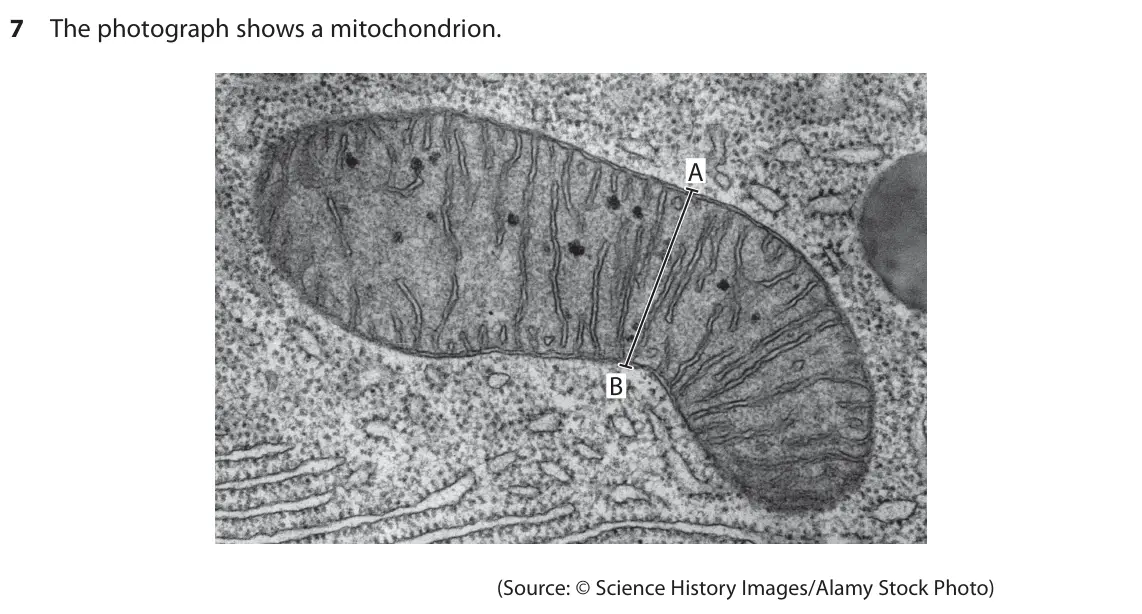
Q8(f)
The whole paper ↗
Q8(b)
The whole paper ↗
Q7(b)
The whole paper ↗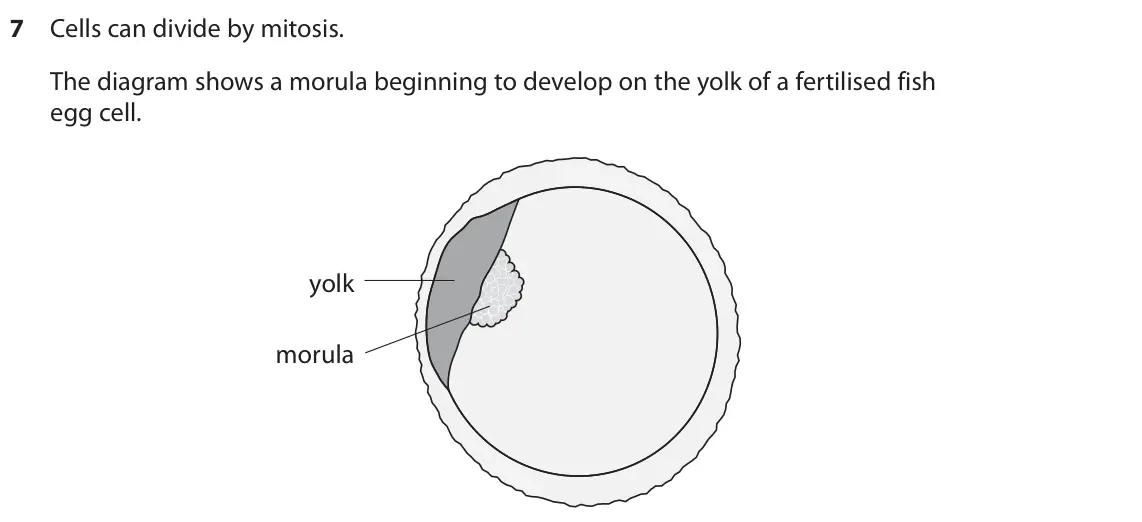
Q8(e)
The whole paper ↗
Q8(c)(i)
The whole paper ↗
Q8(d)
The whole paper ↗
Q6(b)
The whole paper ↗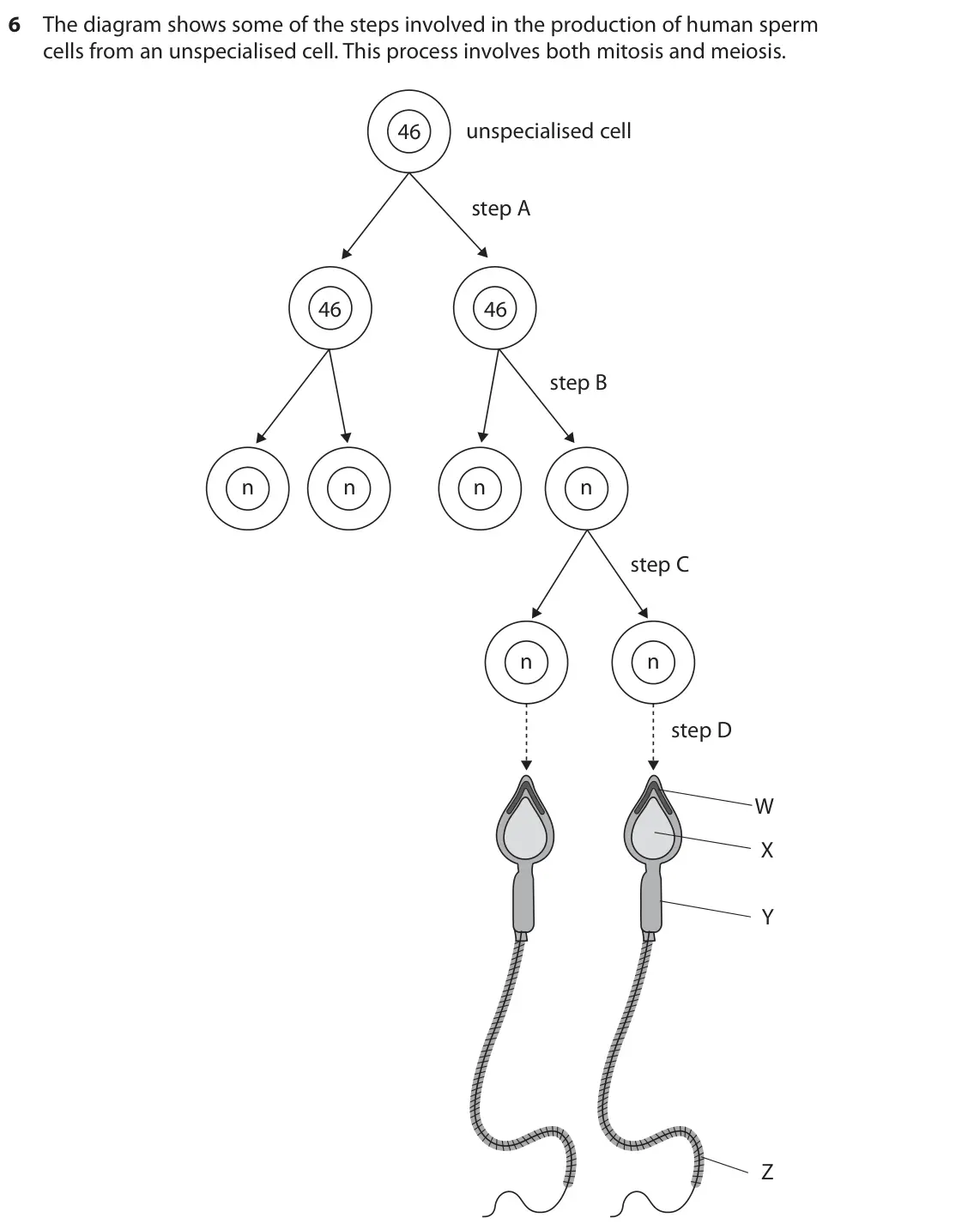
Q7(b)
The whole paper ↗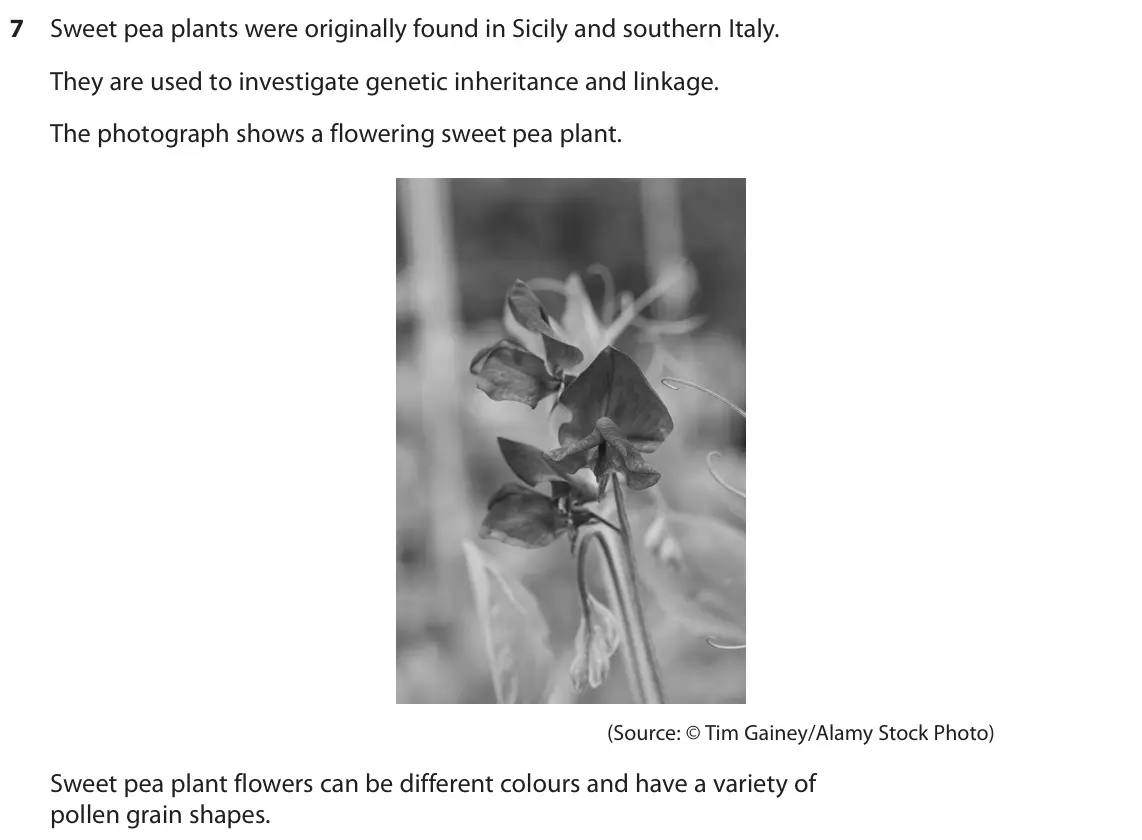
Q8(g)
The whole paper ↗
Q8(b)(i)
The whole paper ↗
Q8(b)(ii)
The whole paper ↗Q6(b)
The whole paper ↗
Q7(d)
The whole paper ↗
Q8(g)
The whole paper ↗
Q7(c)
The whole paper ↗
Q7(d)
The whole paper ↗
All 18 questions on Cell specialisation and differential gene expression, as a list
- June 2025, AS Unit 2, Q6(a)(i) (2 marks): When nerve cells are damaged in this starfish, the gene sox2 is activated. Suggest how cell damage could lead to activation of this gene. (2)
- January 2025, Unit 5, Q7(d) (4 marks): As the brain develops some stem cells divide and differentiate into mature neurones, which requires ATP. Mature neurones develop axons and form synapses with ad
- June 2024, Unit 5, Q8(f) (3 marks): Explain how a single-celled embryo of a zebrafish, injected with the colour producing gene, could develop into an adult with red skin cells (paragraphs 14, 15 a
- January 2024, Unit 5, Q8(b) (3 marks): Satellite cells are stem cells (paragraph 2). Explain how a specialised cell such as a muscle cell is produced from a stem cell. (3)
- October 2023, AS Unit 2, Q7(b) (5 marks): As the fish embryo develops, different types of body cells and tissues are formed. One type of tissue that develops is skeletal muscle tissue. All the cells in
- October 2023, Unit 5, Q8(e) (4 marks): Describe how fibroblasts within the fascia could be transformed into myofibroblasts (paragraph 13). (4)
- January 2023, AS Unit 2, Q8(c)(i) (5 marks): Explain how a pluripotent stem cell could become a cell that synthesises arginase. (5)
- January 2023, Unit 5, Q8(d) (3 marks): “The brain is a remarkable organ composed by highly differentiated cells… with different morphology, according to their role and their localization” (paragraph
- October 2022, AS Unit 2, Q6(b) (5 marks): A sperm cell is a specialised cell. Explain what happens at step D for the cell to become a specialised sperm cell. (5)
- June 2022, AS Unit 2, Q7(b) (4 marks): Plants that grow from a sweet pea seed contain stem cells. Describe how a stem cell in a plant can become a sclerenchyma cell. (4)
- June 2022, Unit 5, Q8(g) (1 mark): Suggest why embryological ENS cells may fail to colonise the bowel in a developing embryo (paragraph 13). (1)
- June 2021, AS Unit 2, Q8(b)(i) (4 marks): Explain the effect of this fungal infection on the growth of the plant. (4)
- June 2021, AS Unit 2, Q8(b)(ii) (6 marks): The fungus and the plant both benefit from this relationship. The fungus absorbs nutrients from the plant. The expression of certain genes in the plant cells is
- January 2021, AS Unit 2, Q6(b) (4 marks): The presence or absence of teeth in chickens is one example of a discontinuous phenotype. Chicken genomes contain the genes for tooth production, but chickens d
- October 2020, AS Unit 2, Q7(d) (3 marks): The graphs show the activity of two genes, T and U, as a mouse zygote (fertilised egg cell) develops into a blastocyst. Gene T Gene U Activity Activity of gene
- October 2020, Unit 5, Q8(g) (3 marks): Suggest how ‘a brew of growth factors and other proteins’ can stimulate induced pluripotent stem cells to produce a functioning tissue (paragraph 33). (3)
- January 2020, AS Unit 2, Q7(c) (5 marks): Explain why beta cells can produce insulin but other cells in the pancreas do not. (5)
- June 2019, AS Unit 2, Q7(d) (3 marks): After fertilisation, the egg cell divides by mitosis to form a blastocyst. During this process, totipotent cells become pluripotent. Describe how a totipotent s
Questions, mark schemes and examiner’s reports are © Pearson Edexcel, from their published past papers. Plumi isn’t affiliated with any exam board. Want whole papers? Edexcel International A Level Biology past papers.
The Plumi iPad app also offers exam-style questions with AI feedback on your handwritten working.