 plumi
Biotic and abiotic factors and niche: Edexcel International A Level Biology questions
Edexcel International A Level Biology past-paper questions on 5.3.2 Biotic and abiotic factors and niche, 2019–2025, with mark schemes and examiner’s reports where available.
Paper
All papers
Exam
All years
Calculations
Q1(c)
The whole paper ↗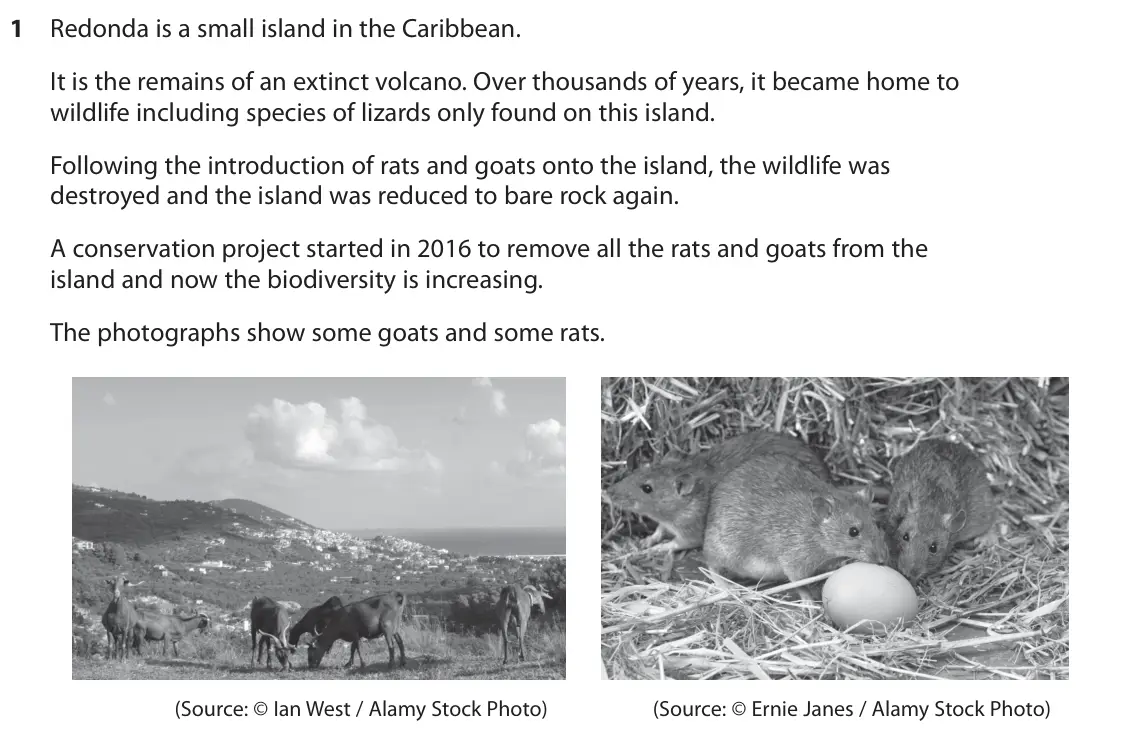
Q3(a)(i)
The whole paper ↗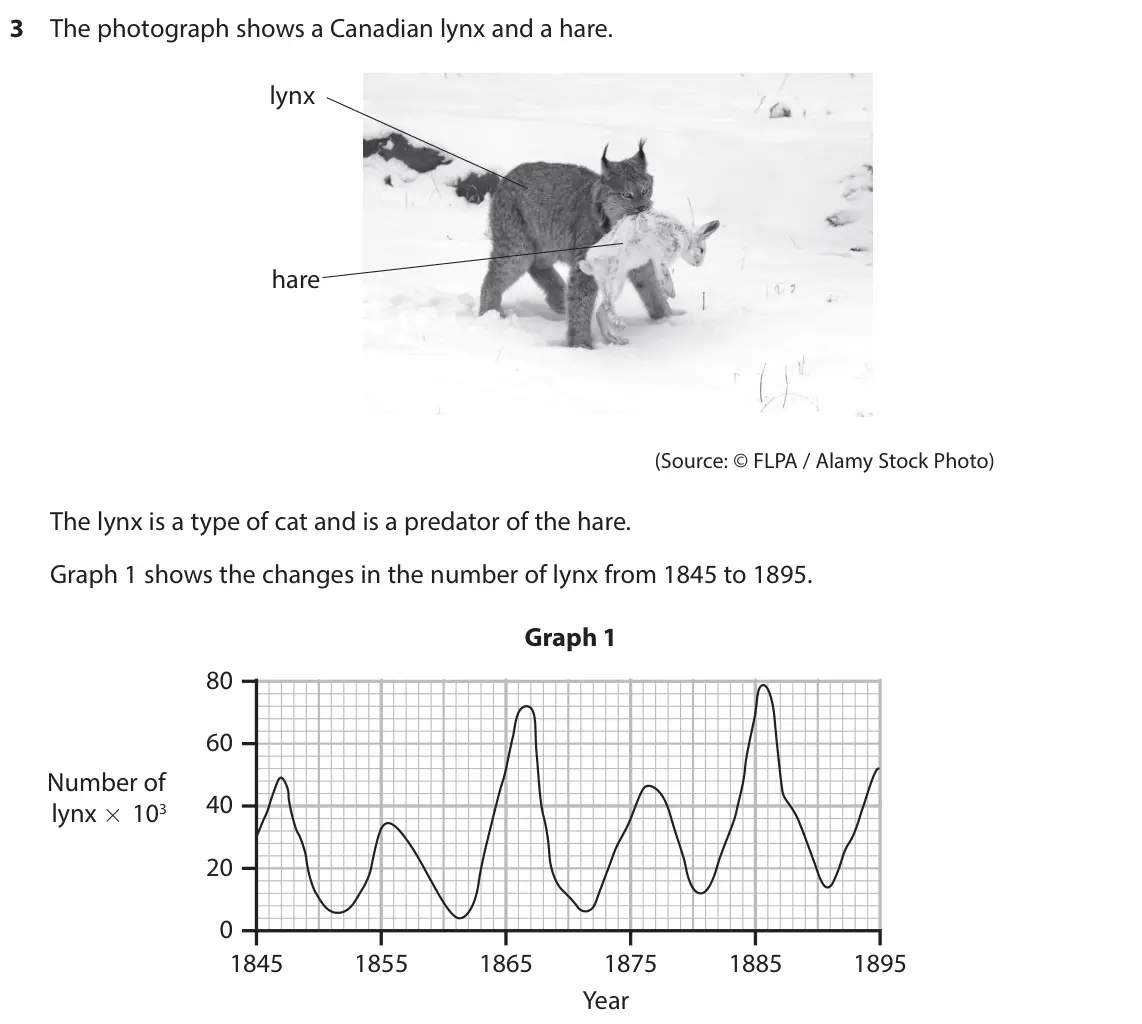
Q3(a)(ii)
The whole paper ↗Q3(a)(iii)
The whole paper ↗Q3(b)
The whole paper ↗Q3(c)(iii)
The whole paper ↗
Q6(b)
The whole paper ↗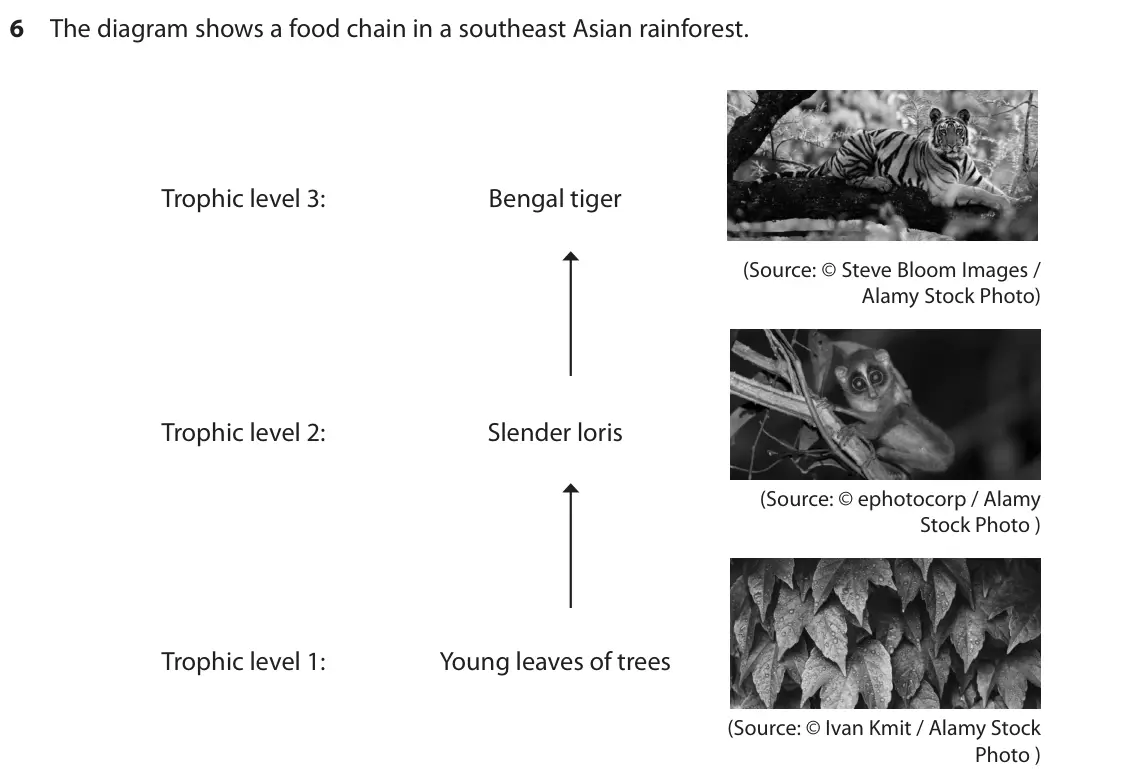
Q2(a)
The whole paper ↗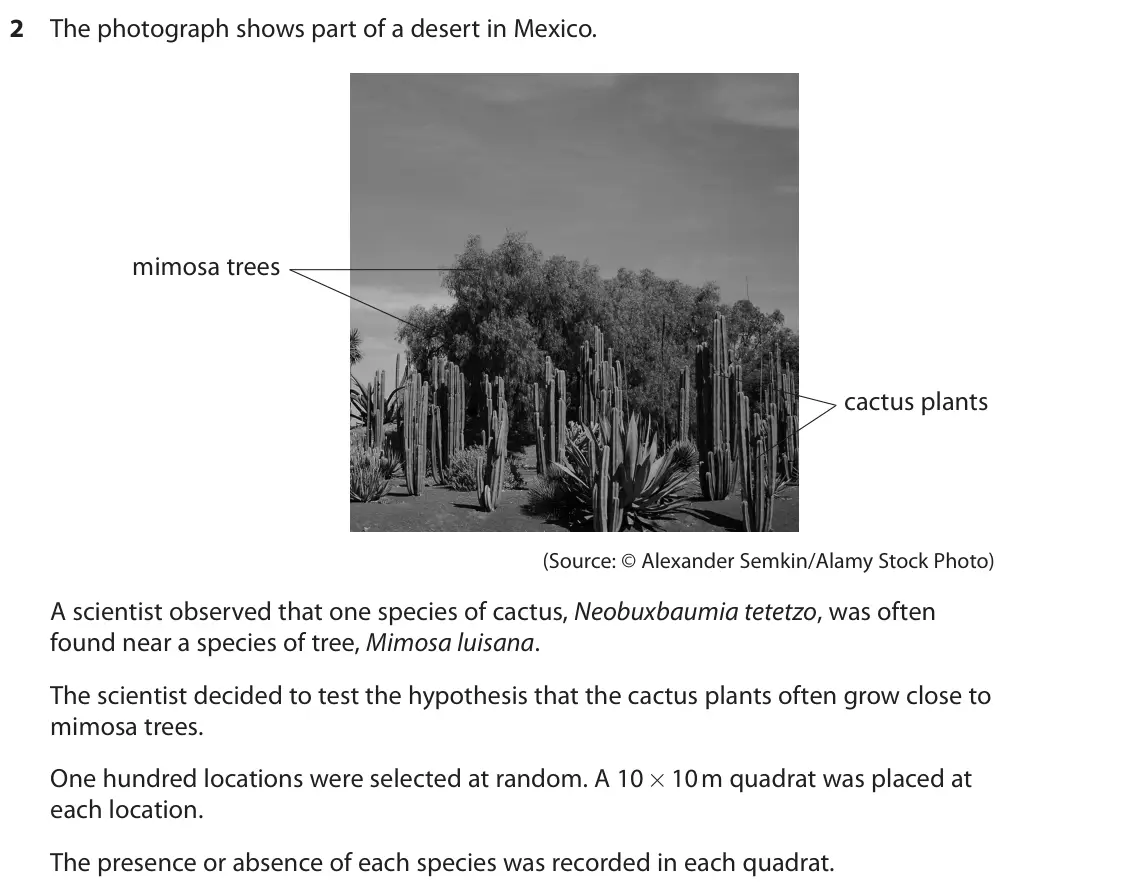
Q2(d)(i)
The whole paper ↗Q6(b)(ii)
The whole paper ↗ Your answer
Q9(d)
The whole paper ↗
Q7(b)(i)
The whole paper ↗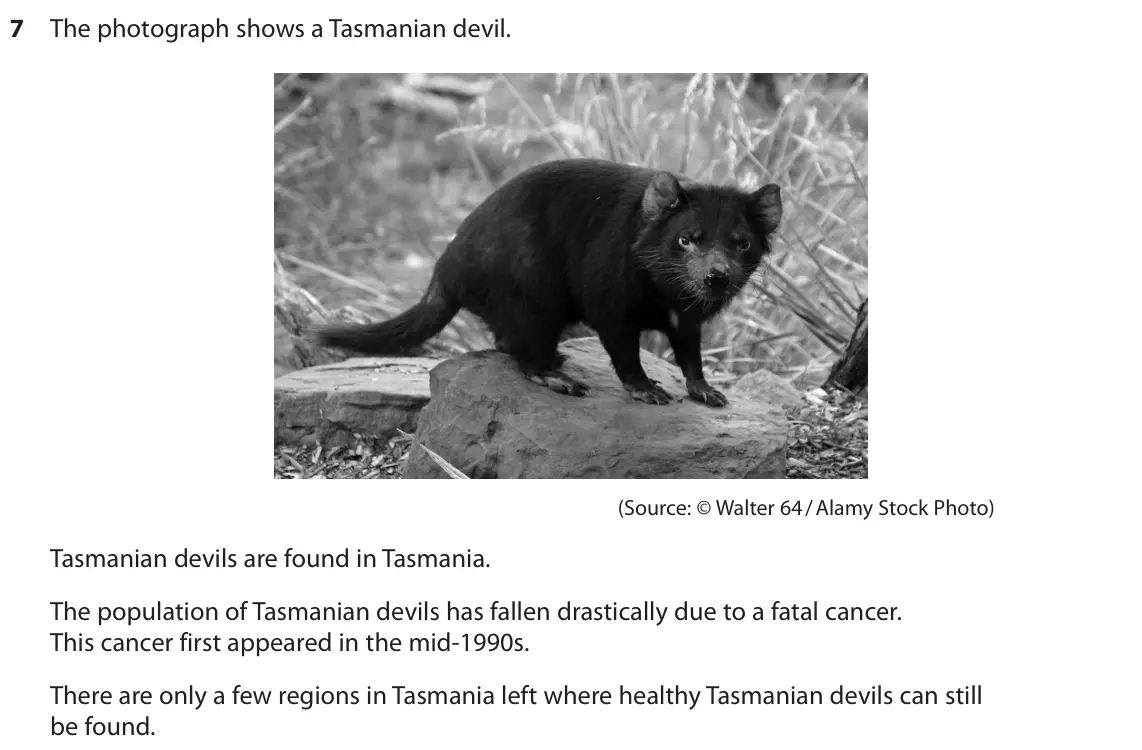
Q7(b)(ii)
The whole paper ↗Q3(e)(i)
The whole paper ↗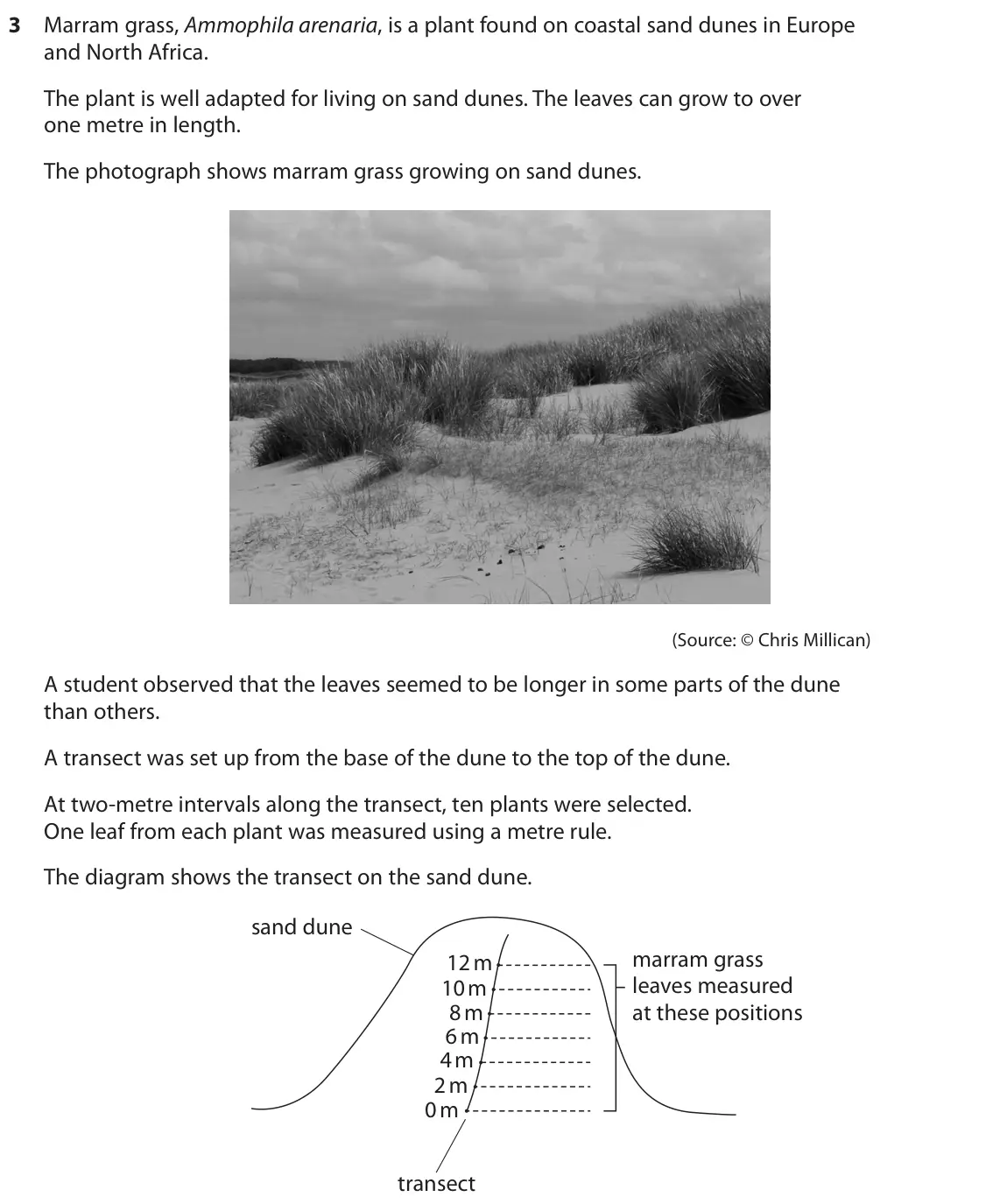
Q1(a)(i)
The whole paper ↗ Your answer
Q1(a)(iii)
The whole paper ↗Q3(a)(iv)
The whole paper ↗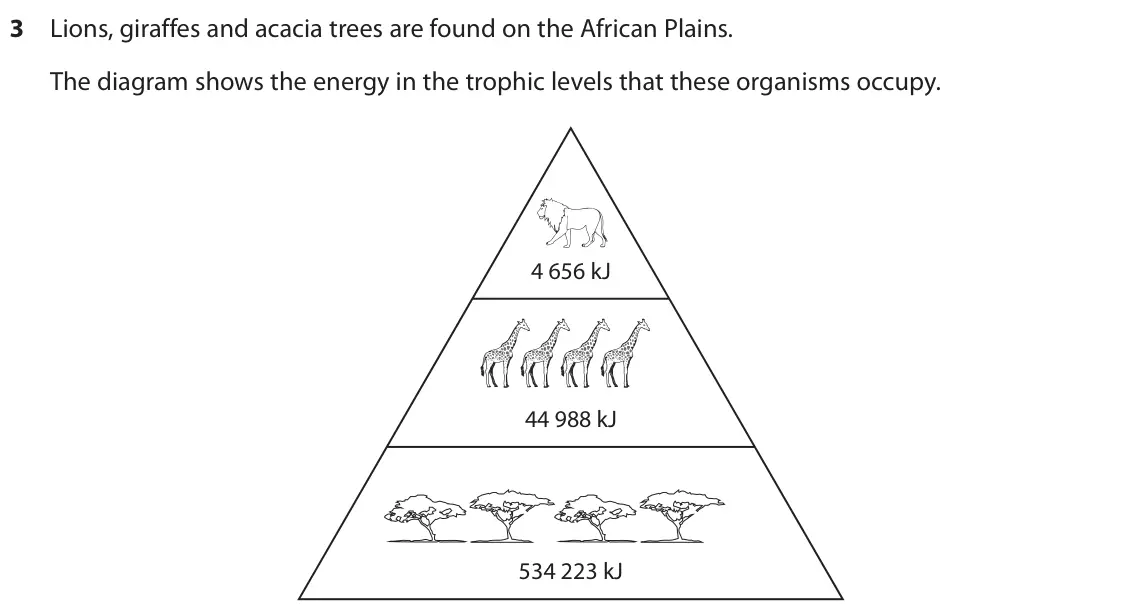
Q9(b)(i)
The whole paper ↗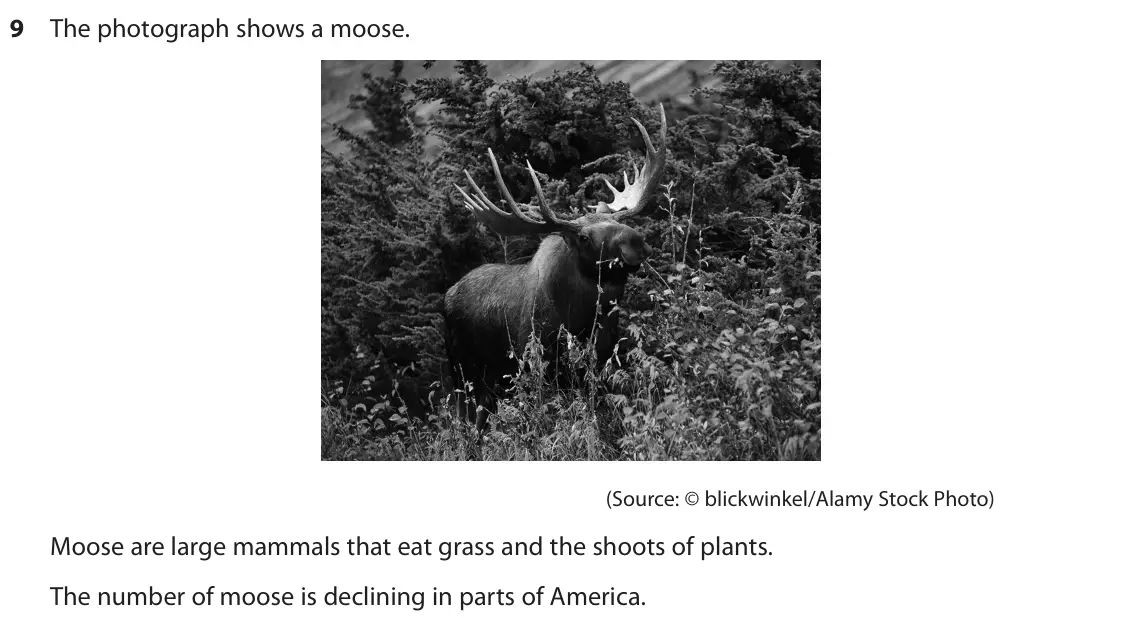
Q6(a)
The whole paper ↗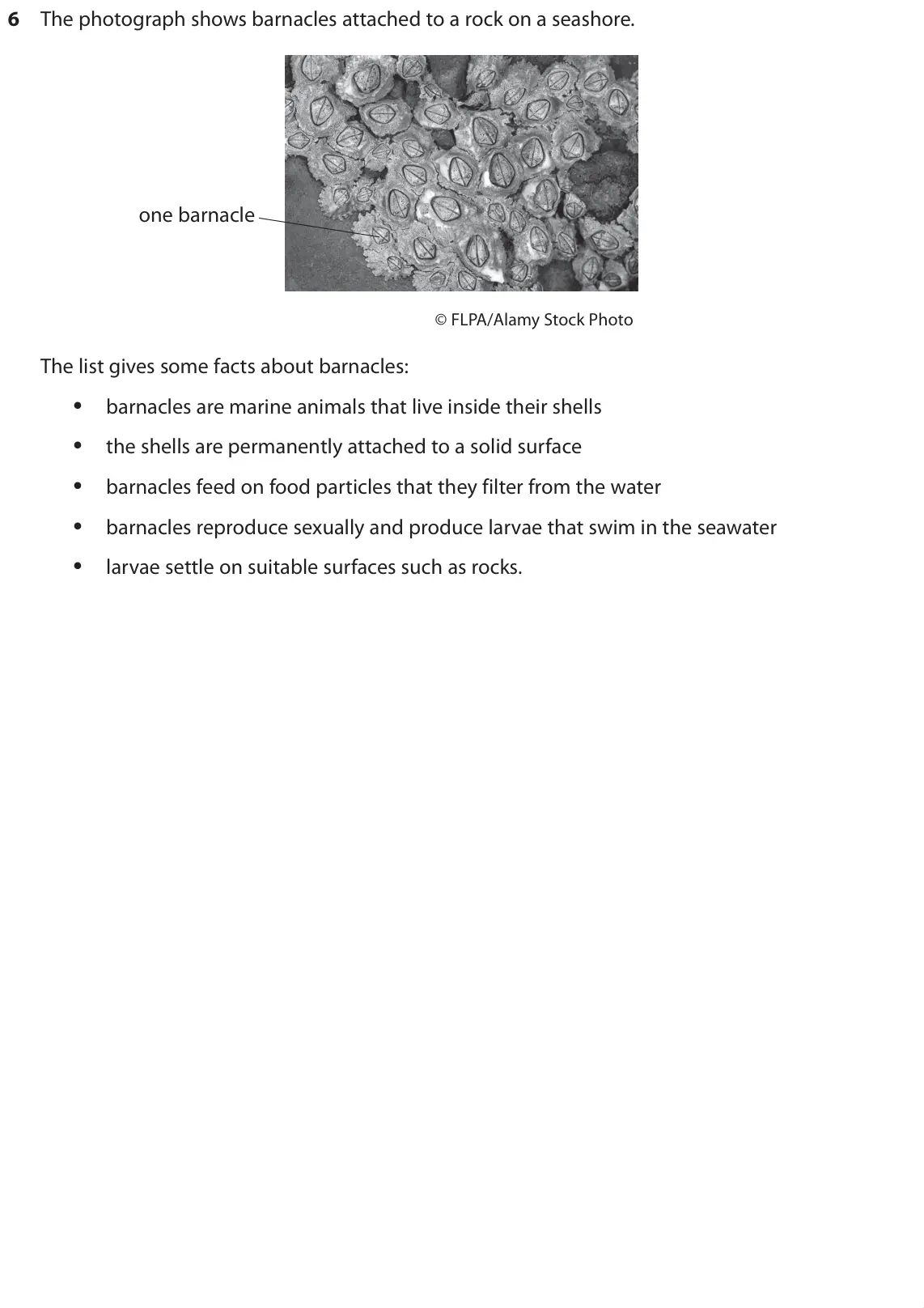
Q6(b)(i)
The whole paper ↗
All 21 questions on Biotic and abiotic factors and niche, as a list
- June 2025, Unit 4, Q1(c) (2 marks): Suggest how the rats and goats destroyed the wildlife. Use the information in the photographs to support your answer. (2)
- January 2025, Unit 4, Q3(a)(i) (1 mark): In 1863, there were 150 000 hares. Calculate how many times more hares there were than lynx. (1) Answer
- January 2025, Unit 4, Q3(a)(ii) (2 marks): Graph 2 shows part of graph 1. Sketch a line on graph 2 to show the likely changes in the numbers of hares from 1855 to 1880. Graph 2 Number of animals lynx 184
- January 2025, Unit 4, Q3(a)(iii) (3 marks): Explain the changes in the numbers of lynx and hares. (3)
- January 2025, Unit 4, Q3(b) (2 marks): In many ecosystems, the relationship between one predator species and one prey species is less predictable. Suggest two reasons why this relationship is not alw
- January 2024, Unit 4, Q3(c)(iii) (2 marks): Explain why it is an advantage for the hawthorn fly and the apple maggot fly to lay their eggs in the fruits of different plants. (2)
- January 2024, Unit 4, Q6(b) (3 marks): Explain how the niche of the slender loris affects the distribution and abundance of the Bengal tigers. (3)
- June 2023, Unit 6, Q2(a) (1 mark): Suggest one possible benefit to cactus plants of growing near mimosa trees. (1)
- June 2023, Unit 6, Q2(d)(i) (2 marks): State two abiotic variables in the soil that could affect this investigation. (2) First variable Second variable
- January 2023, Unit 4, Q6(b)(ii) (1 mark): The zone of tolerance is the range of temperatures that a fish could survive at for longer than 5000 minutes. Which two biotic factors could cause the fish to d
- October 2022, Unit 4, Q9(d) (6 marks): Forests, shrublands and grasslands are three types of ecosystem. Biotic and abiotic factors affect how much biomass is stored in the roots of plants. The graphs
- June 2022, Unit 4, Q7(b)(i) (6 marks): Explain the results of these two studies. Use the information in the table and the graph to support your answer. (6)
- June 2022, Unit 4, Q7(b)(ii) (4 marks): Explain what other biotic factors could have affected the results from the two different regions of Tasmania, in the second investigation. (4)
- October 2021, Unit 6, Q3(e)(i) (1 mark): Suggest one abiotic factor that might cause the difference in length of the marram grass leaves at these positions on the dune. (1)
- June 2021, Unit 4, Q1(a)(i) (1 mark): Which row of the table shows the type of factor that affected the plant species in two of these habitats? (1) Cutting the field regularly Competition with trees
- June 2021, Unit 4, Q1(a)(iii) (2 marks): Suggest reasons for the differences in the mean number of plant species in fields cut regularly and in fields not cut. (2)
- June 2021, Unit 4, Q3(a)(iv) (2 marks): Niche (2)
- October 2020, Unit 4, Q9(b)(i) (2 marks): Calculate the percentage of moose that have 50 000 or more ticks on their bodies. (2) Answer %
- January 2020, Unit 4, Q6(a) (3 marks): The diagram shows the distribution of two types of barnacle, Chthamalus and Balanus, on a rock. highest level the seawater reaches Key Chthamalus Balanus seawat
- January 2020, Unit 4, Q6(b)(i) (4 marks): Comment on the reliability of the conclusions that can be drawn from this study. (4)
- January 2020, Unit 4, Q6(b)(ii) (4 marks): Describe how this study could be carried out in a laboratory. (4)
Questions, mark schemes and examiner’s reports are © Pearson Edexcel, from their published past papers. Plumi isn’t affiliated with any exam board. Want whole papers? Edexcel International A Level Biology past papers.
The Plumi iPad app also offers exam-style questions with AI feedback on your handwritten working.