 plumi
Analysing health risk data and studies: Edexcel International A Level Biology questions
Edexcel International A Level Biology past-paper questions on 1.4.1 Analysing health risk data and studies, 2019–2025, with mark schemes and examiner’s reports where available.
Paper
All papers
Exam
All years
Calculations
Q8(a)
The whole paper ↗
Q8(c)(i)
The whole paper ↗Q8(c)(ii)
The whole paper ↗Q8(c)(v)
The whole paper ↗Q8(d)
The whole paper ↗
Q2(b)(i)
The whole paper ↗
Q2(b)(ii)
The whole paper ↗Your answerQ2(b)(iii)
The whole paper ↗Q2(b)(iv)
The whole paper ↗Q4(c)(iii)
The whole paper ↗
Q6(a)
The whole paper ↗
Q8(b)(i)
The whole paper ↗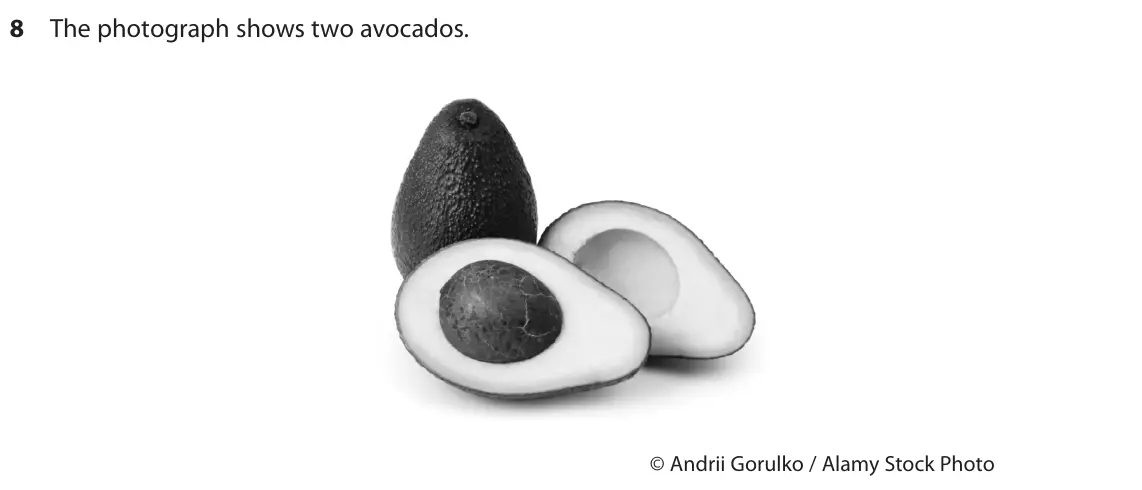 Your answer
Q8(b)(ii)
The whole paper ↗Q8(b)(iii)
The whole paper ↗Q7(c)(ii)
The whole paper ↗
Q7(c)(iii)
The whole paper ↗Q5(d)(i)
The whole paper ↗
Q7(a)
The whole paper ↗
Q8(a)(i)
The whole paper ↗
Q8(a)(ii)
The whole paper ↗
All 58 questions on Analysing health risk data and studies, as a list
- June 2025, AS Unit 1, Q8(a) (2 marks): Towards the end of 2023, the world’s population was 8 078 799 080. Approximately 70% of this population were adults. Estimate the number of adults in the world.
- June 2025, AS Unit 1, Q8(c)(i) (1 mark): Give the meaning of the term correlation. (1)
- June 2025, AS Unit 1, Q8(c)(ii) (3 marks): It was important that all the people in the study had similar blood pressure that was within a healthy range. Explain why this was important. (3)
- June 2025, AS Unit 1, Q8(c)(v) (4 marks): The graphs show some of the results from this study. 20 Key: 16 males females 12 Proportion of healthy endothelial cells / a.u. 8 4 0 0 2 4 6 8 Number of neutro
- June 2025, Unit 5, Q8(d) (3 marks): Describe how the cardiovascular health of participants in the UK Biobank study could be assessed (paragraph 6). (3)
- January 2025, AS Unit 1, Q2(b)(i) (3 marks): Compare and contrast the number of deaths caused by these cancers in ethnic groups 1 and 2. (3)
- January 2025, AS Unit 1, Q2(b)(ii) (1 mark): Which is the percentage difference between the number of deaths caused by lung and bronchus cancer in ethnic group 1 and ethnic group 3? Use the formula: differ
- January 2025, AS Unit 1, Q2(b)(iii) (1 mark): Calculate how many more males died of prostate cancer in ethnic group 2 than in ethnic group 1. (1) Answer
- January 2025, AS Unit 1, Q2(b)(iv) (2 marks): Comment on how useful it is to determine the number of deaths from these causes of cancer in the ‘all ethnic groups’ part of this graph. (2)
- January 2025, AS Unit 1, Q4(c)(iii) (3 marks): The graphs show the BMI and WHR of the men and women who died due to either CVD or CHD. Key: men women 15 10 Percentage of people who died due to 5 cardiovascul
- January 2025, AS Unit 1, Q6(a) (2 marks): The graph shows the relationship between blood cholesterol levels and the coronary heart disease death rate in men in four parts of the world. Key: Northern Eur
- October 2024, AS Unit 1, Q8(b)(i) (1 mark): There were 41 701 men and 68 786 women in the group. Which is the ratio of men to women? (1) A 0.6 : 1 B 1 : 0.6 C 1 : 2 D 2 : 1
- October 2024, AS Unit 1, Q8(b)(ii) (6 marks): Describe the questions that need to be in the questionnaire so that appropriate information can be gathered for this investigation. Give reasons for choosing th
- October 2024, AS Unit 1, Q8(b)(iii) (4 marks): Comment on the validity of the methods used in this investigation. (4)
- June 2024, AS Unit 1, Q7(c)(ii) (4 marks): Describe how an investigation could be designed to identify any side effects of treatment with monacolin K. (4)
- June 2024, AS Unit 1, Q7(c)(iii) (2 marks): Suggest two problems when assessing possible side effects resulting from treatment with monacolin K in an investigation. (2) 1 2
- January 2024, AS Unit 1, Q5(d)(i) (2 marks): Explain why this finding can be described as a positive correlation. (2)
- October 2023, AS Unit 1, Q7(a) (2 marks): In one investigation, scientists measured the blood cholesterol level in a group of people and monitored the development of heart disease in the following 10 ye
- October 2023, AS Unit 1, Q8(a)(i) (2 marks): Calculate how many global deaths there are in one year. Express your answer in standard form. (2) Answer
- October 2023, AS Unit 1, Q8(a)(ii) (2 marks): It is predicted that by 2030 more than 22.2 million people will die each year from CVDs. Suggest how this prediction was made. (2)
- October 2023, AS Unit 1, Q8(b)(ii) (1 mark): There is very little data available to show that these rhizomes reduce the risk of CVD. Suggest why these rhizomes can be eaten to prevent CVD even though their
- October 2023, AS Unit 1, Q8(b)(iii) (6 marks): Explain how a study should be designed to collect valid and repeatable data to show the effectiveness of using ginger in preventing CVD. (6)
- June 2023, AS Unit 1, Q8(b) (6 marks): Explain the effectiveness of these two calculators in the assessment of risk and whether other factors should be considered. (6)
- June 2023, AS Unit 1, Q8(c)(ii) (2 marks): Suggest why these two risk calculators may not be suitable for everybody to use. (2)
- January 2023, AS Unit 1, Q5(b)(i) (1 mark): Some of the women were removed from the initial group because there was information missing about their lifestyles. Suggest why women with missing lifestyle inf
- January 2023, AS Unit 1, Q5(b)(ii) (2 marks): Some of the women were removed from the initial group because they gave unrealistic estimates of their daily energy intake. Give two reasons why some women may
- January 2023, AS Unit 1, Q5(b)(iii) (2 marks): The women removed from the intermediary group had signs of CVD. Explain why these women were removed from this investigation. (2)
- January 2023, AS Unit 1, Q5(b)(iv) (1 mark): Calculate the percentage of all the women removed from this investigation. (1) Answer %
- January 2023, Unit 5, Q5(c)(i) (2 marks): Calculate the total number of people in this age group that will have lung cancer who are non-smokers with COPD. Give your answer in standard form. (2) Answer
- October 2022, AS Unit 1, Q6(d)(ii) (4 marks): A second study compared this result with people given a combination of warfarin and aspirin. Describe how this study should be carried out to produce a valid co
- October 2022, AS Unit 1, Q7(e) (6 marks): Type 2 diabetes is a disorder that can result from ineffective or insufficient insulin. It is a risk factor for cardiovascular disease (CVD). Cinnamon is a spic
- June 2022, AS Unit 1, Q6(a)(ii) (3 marks): Explain how this study should have been designed to allow valid conclusions to be made. (3)
- June 2022, AS Unit 1, Q6(b)(i) (2 marks): Calculate the 10-year risk of CVD for a 35-year-old woman who: • has a total cholesterol level of 242 mg dm−3 • is a smoker • has a systolic blood pressure of 1
- June 2022, AS Unit 1, Q6(b)(iv) (2 marks): Suggest why this method of determining the 10-year risk of CVD may not be accurate. (2)
- January 2022, AS Unit 1, Q7(b)(ii) (3 marks): Some studies do not assess the nutritional quality of the diet of the participants. Explain why the results of these studies have to be treated with caution. (3
- October 2021, AS Unit 1, Q1(c) (3 marks): The graph shows the number of cases of one type of cancer in a human population. 4000 3000 Number of cases of cancer per 100 000 Key population Male 2000 Female
- October 2021, AS Unit 1, Q5(a) (2 marks): Explain how this data shows that there is a correlation between the age of the women and the miscarriage rate. (2)
- October 2021, AS Unit 1, Q5(b)(ii) (3 marks): Explain why conclusions made using these data may not be valid. (3)
- October 2021, Unit 5, Q4(d)(i) (3 marks): Comment on the results of this trial. (3)
- June 2021, AS Unit 1, Q2(c)(i) (1 mark): One estimate is that there are 415 million people with diabetes in the world and that 46% of these people are undiagnosed. Calculate the number of people who ha
- June 2021, AS Unit 1, Q7(b)(i) (1 mark): The graphs show some correlations. State the meaning of the term correlation. (1)
- June 2021, AS Unit 1, Q7(b)(ii) (3 marks): Describe the correlations shown by these graphs. (3)
- June 2021, AS Unit 1, Q7(b)(iii) (3 marks): Suggest a reason for each of the correlations shown by these graphs. (3)
- June 2021, AS Unit 1, Q7(c) (6 marks): The table shows some information from a study of the incidence of emphysema in smokers and non‑smokers. Information Males Females Number of individuals in the s
- January 2021, AS Unit 1, Q6(a)(i) (2 marks): The graph shows that there is a correlation between smoking and death rate from lung cancer in men. Death rate Cigarettes smoked Number of cigarettes Death rate
- January 2021, AS Unit 1, Q7(c)(ii) (3 marks): Devise a study to confirm that antioxidants reduce the risk of CVD. (3)
- January 2021, AS Unit 2, Q7(b) (1 mark): In 2017, an estimated 219 million people in 87 countries had malaria, and 435 000 of these people died. Which of the following shows the percentage of infected
- October 2020, AS Unit 1, Q5(c)(i) (3 marks): The table shows the results of this study. Mean body mass of the group of women / kg Number of weeks on the diet Group on the Group on the very low‑fat diet low
- October 2020, AS Unit 1, Q7(d) (4 marks): Other drugs are available that work in a similar way to warfarin. The diagram shows one study to compare the effect of warfarin with drug X. Two groups of peopl
- October 2020, AS Unit 2, Q5(b) (3 marks): The graph shows the probability of survival for different stages of a cancer, after diagnosis. 100 Stage I 75 Probability of survival (%) Stage II 50 25 Stage I
- January 2020, AS Unit 1, Q6(a) (2 marks): State two conclusions that can be drawn from these results. (2) 1 2
- January 2020, AS Unit 1, Q6(b)(i) (3 marks): Explain why age and smoking were taken into account when determining the hazard ratio. (3)
- January 2020, AS Unit 1, Q6(b)(ii) (2 marks): State two factors, other than age and smoking, that may have been considered when adjusting the values for the hazard ratio. (2) 1 2
- January 2020, AS Unit 1, Q6(c) (2 marks): Suggest why the hazard ratio for low salt intake was 1.00 for each cause of death. (2)
- January 2020, AS Unit 1, Q6(d)(i) (1 mark): The results of this study suggest that there is a correlation between salt intake and cause of death. State the meaning of the term correlation. (1)
- January 2020, AS Unit 1, Q6(d)(ii) (2 marks): Suggest why studies of this type are unreliable. (2)
- June 2019, AS Unit 1, Q6(b)(iii) (3 marks): Describe how a study could be designed to collect valid and reliable data on the effects of eating chocolate on the risk of CVD. (3)
- January 2019, AS Unit 1, Q2(d)(iii) (2 marks): A person used this risk calculator. Explain why the value obtained for the 10 Year CHD Risk may be an underestimate. (2)
Questions, mark schemes and examiner’s reports are © Pearson Edexcel, from their published past papers. Plumi isn’t affiliated with any exam board. Want whole papers? Edexcel International A Level Biology past papers.
The Plumi iPad app also offers exam-style questions with AI feedback on your handwritten working.