 plumi
Response to infection: Edexcel A‑Level Biology B questions
Every Edexcel A-Level Biology B exam question on 6.7 Response to infection, 2016–2025, with its mark scheme and examiner’s report.
Find questions1,826
Calculations
Q5(c)(i)
The whole paper ↗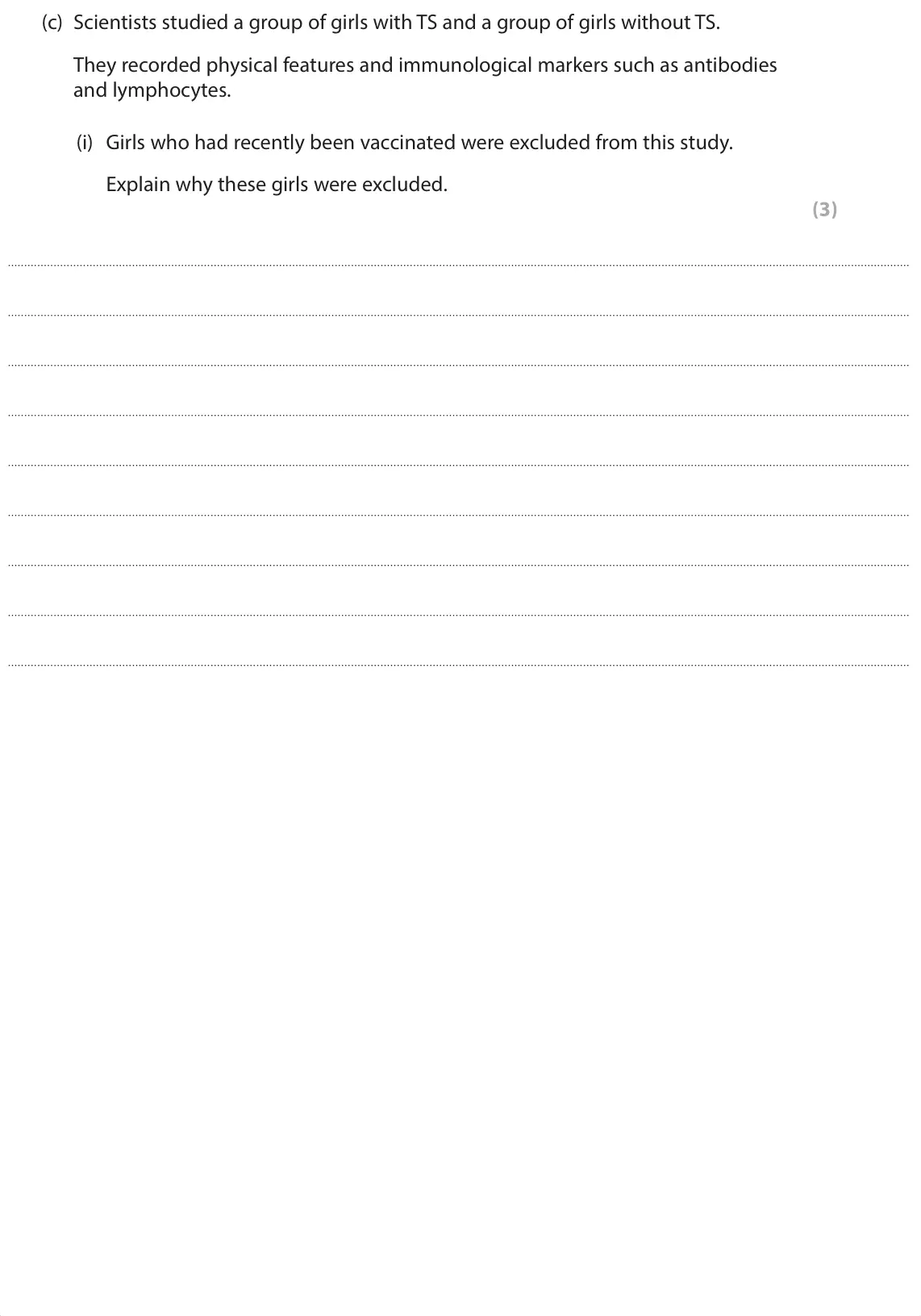
Q5(c)(iii)
The whole paper ↗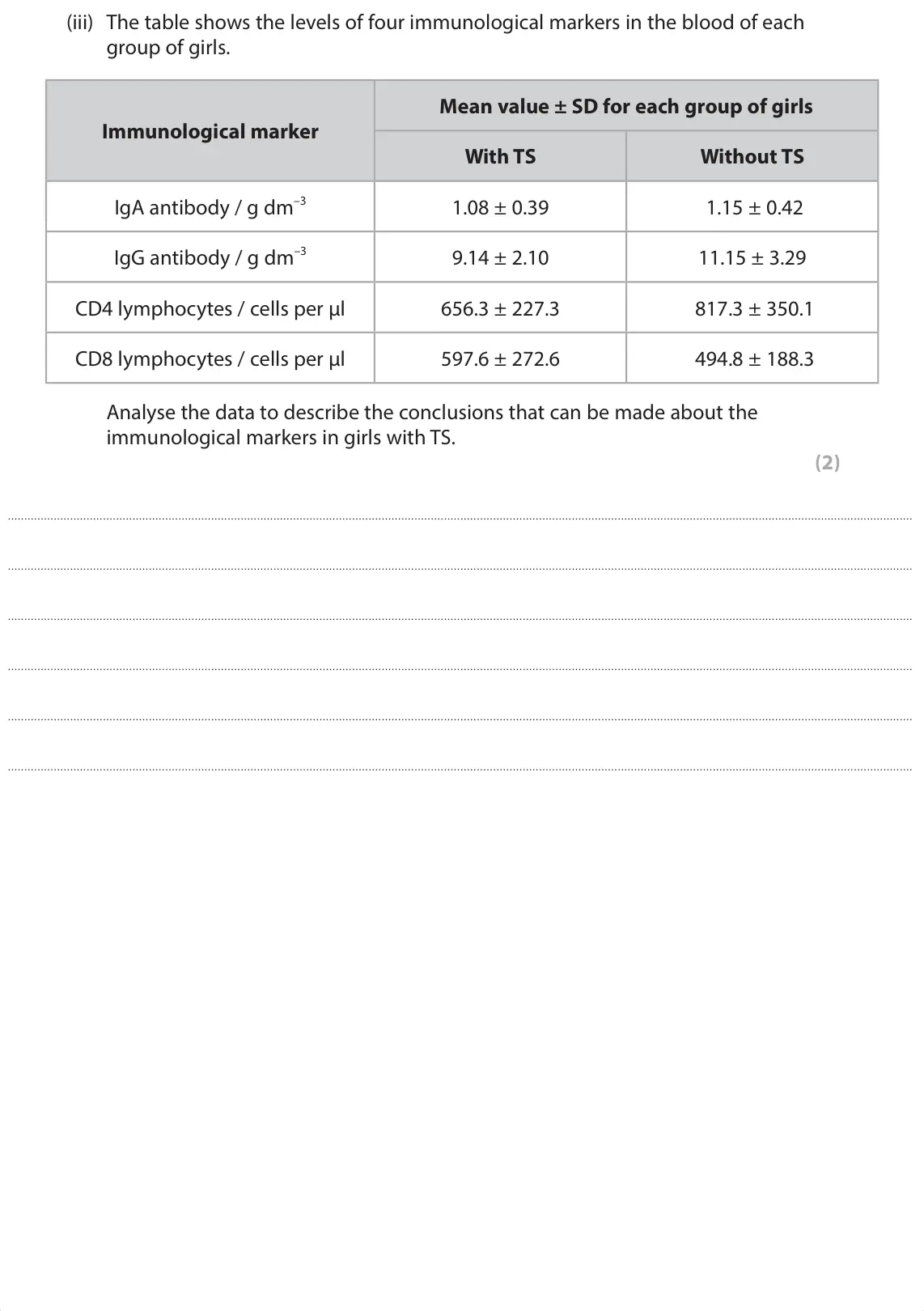
Q5(c)(iv)
The whole paper ↗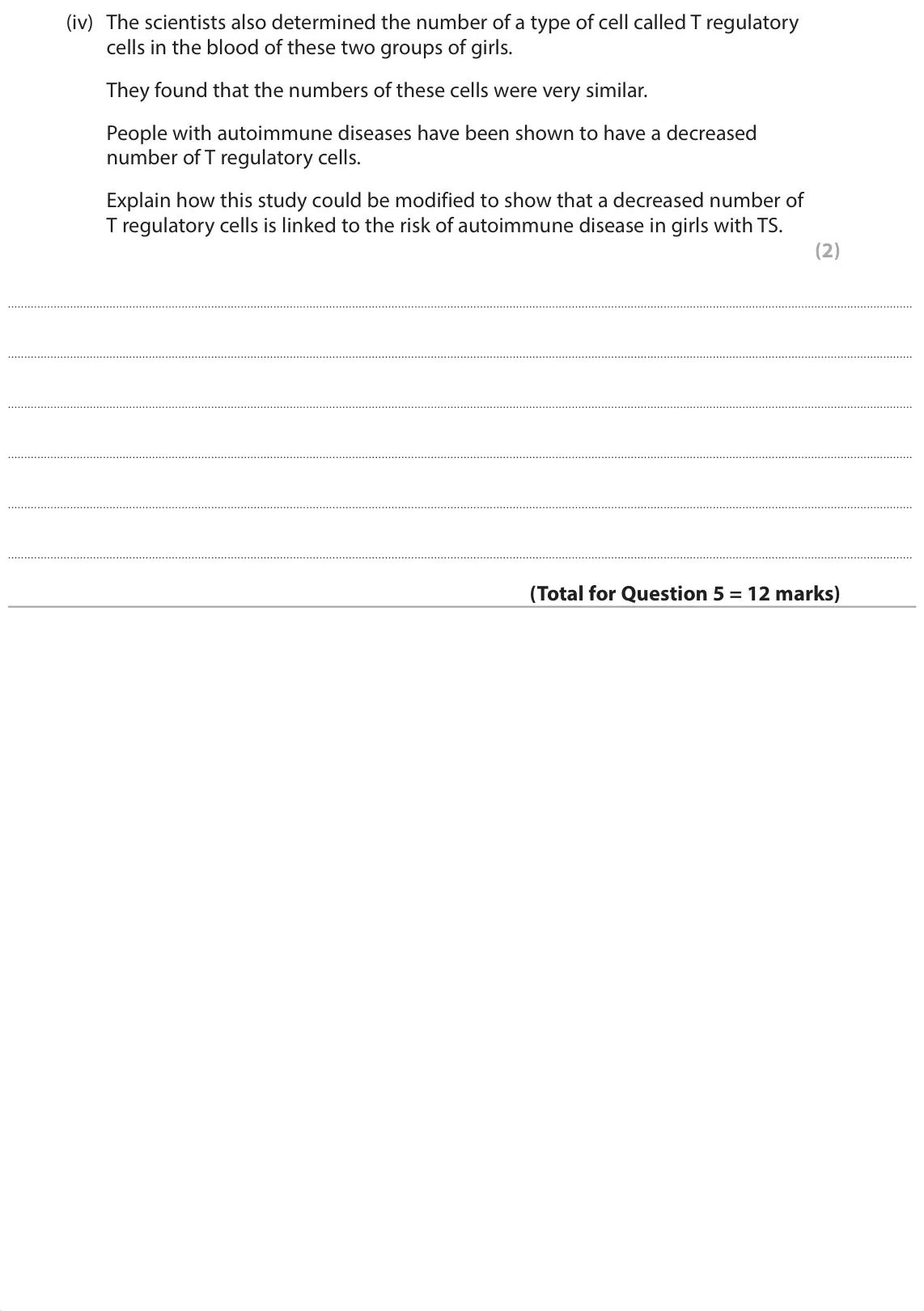
Q5(c)
The whole paper ↗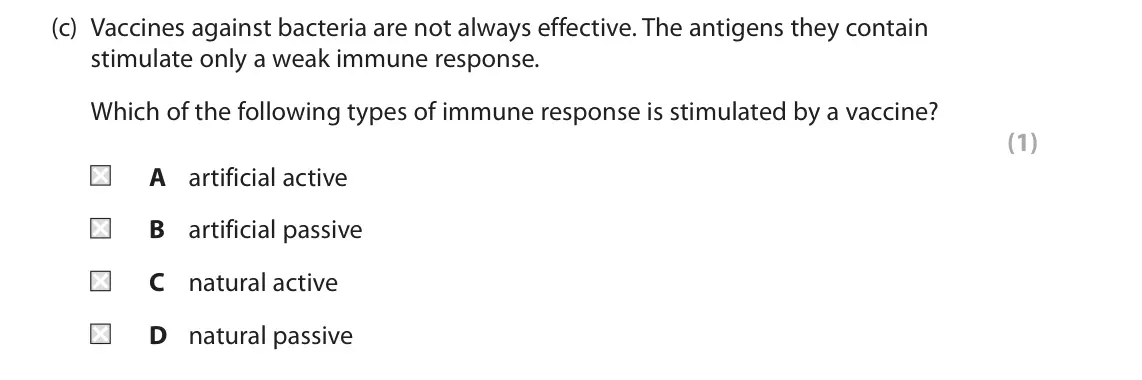
Q5(d)(i)
The whole paper ↗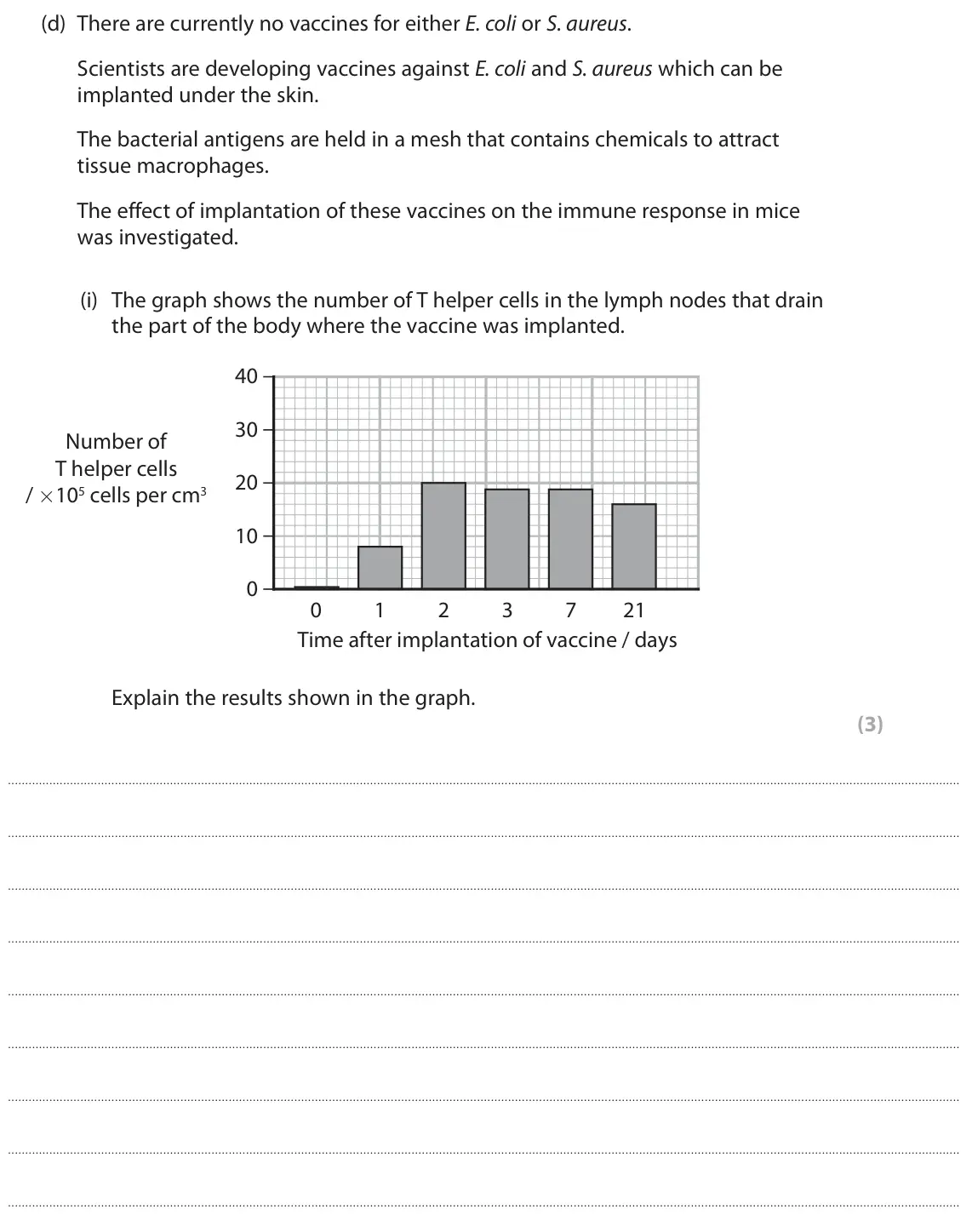
Q5(d)(ii)
The whole paper ↗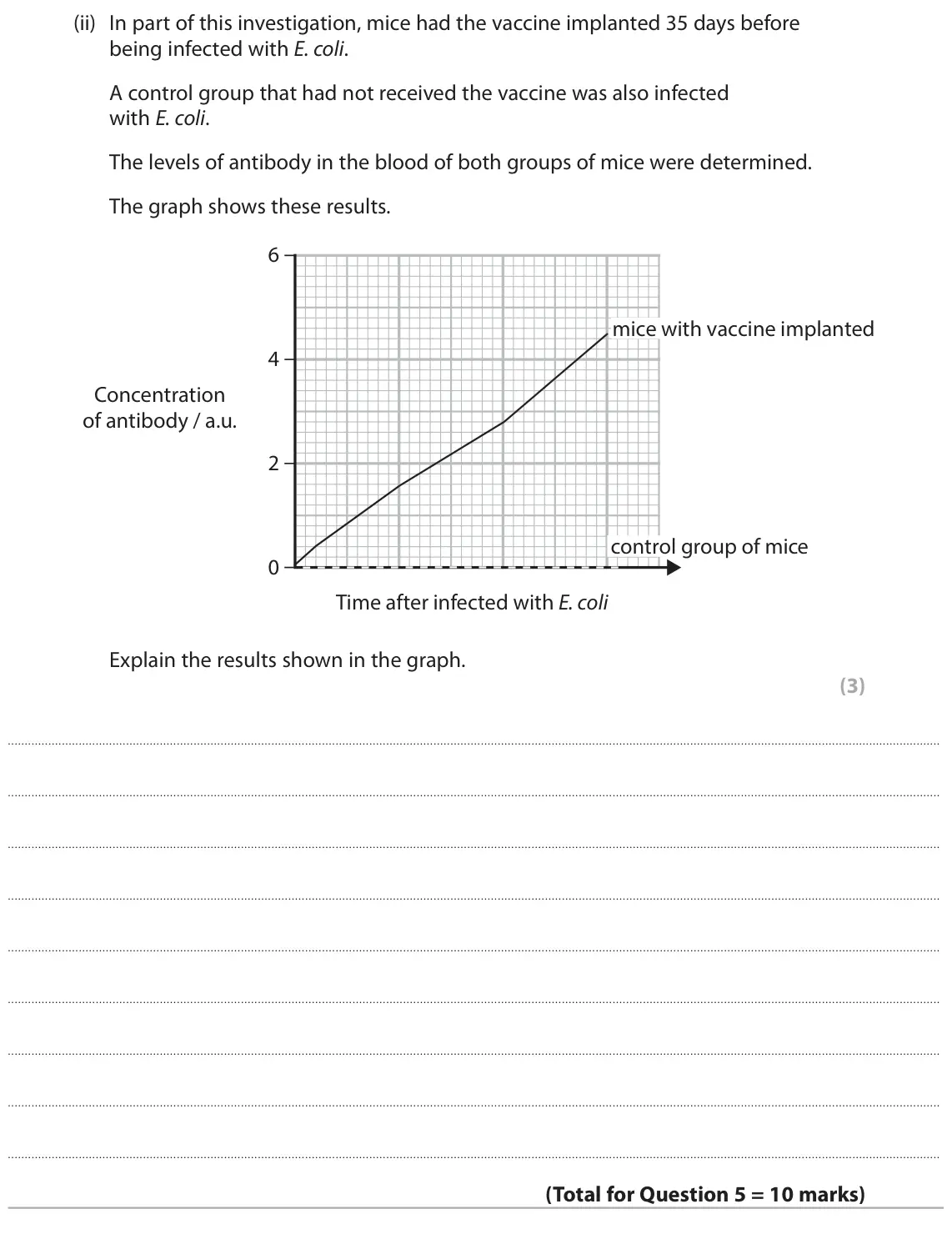
Q5(a)
The whole paper ↗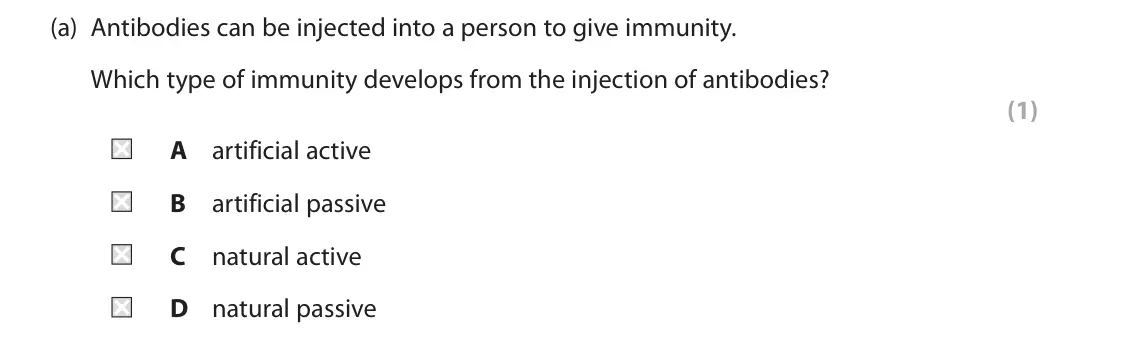
Q5(b)(i)
The whole paper ↗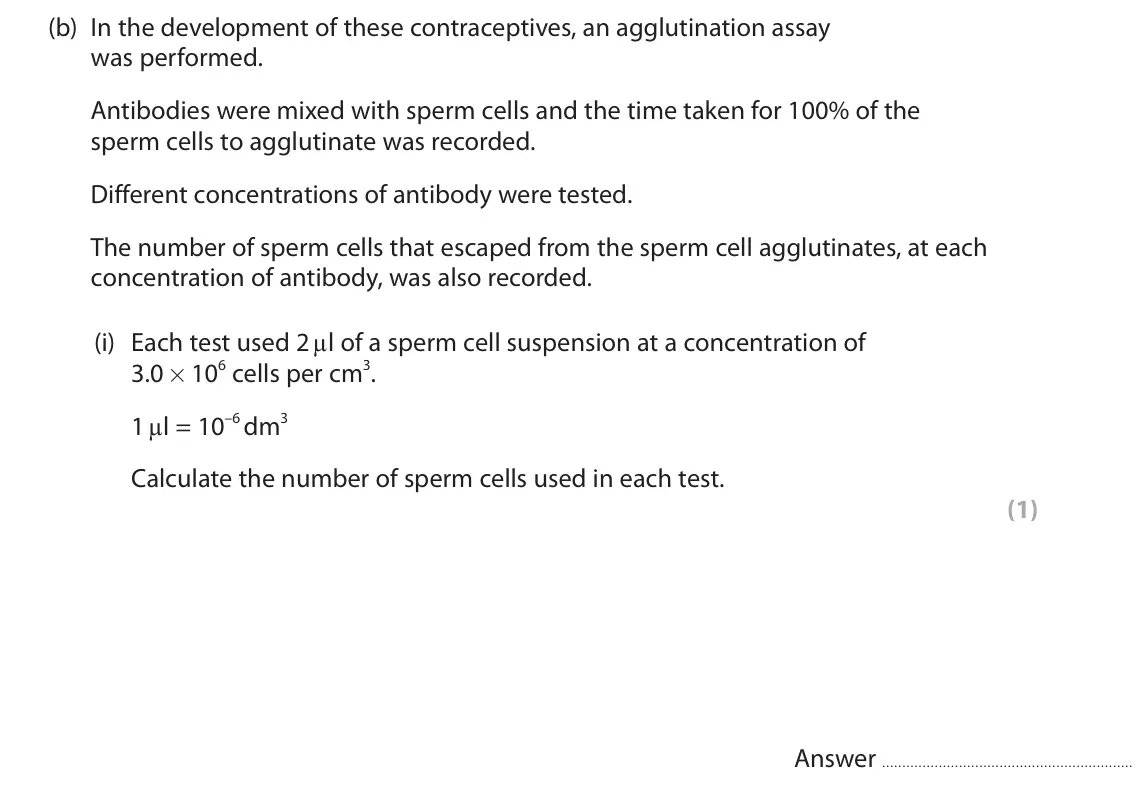
Q5(b)(ii)
The whole paper ↗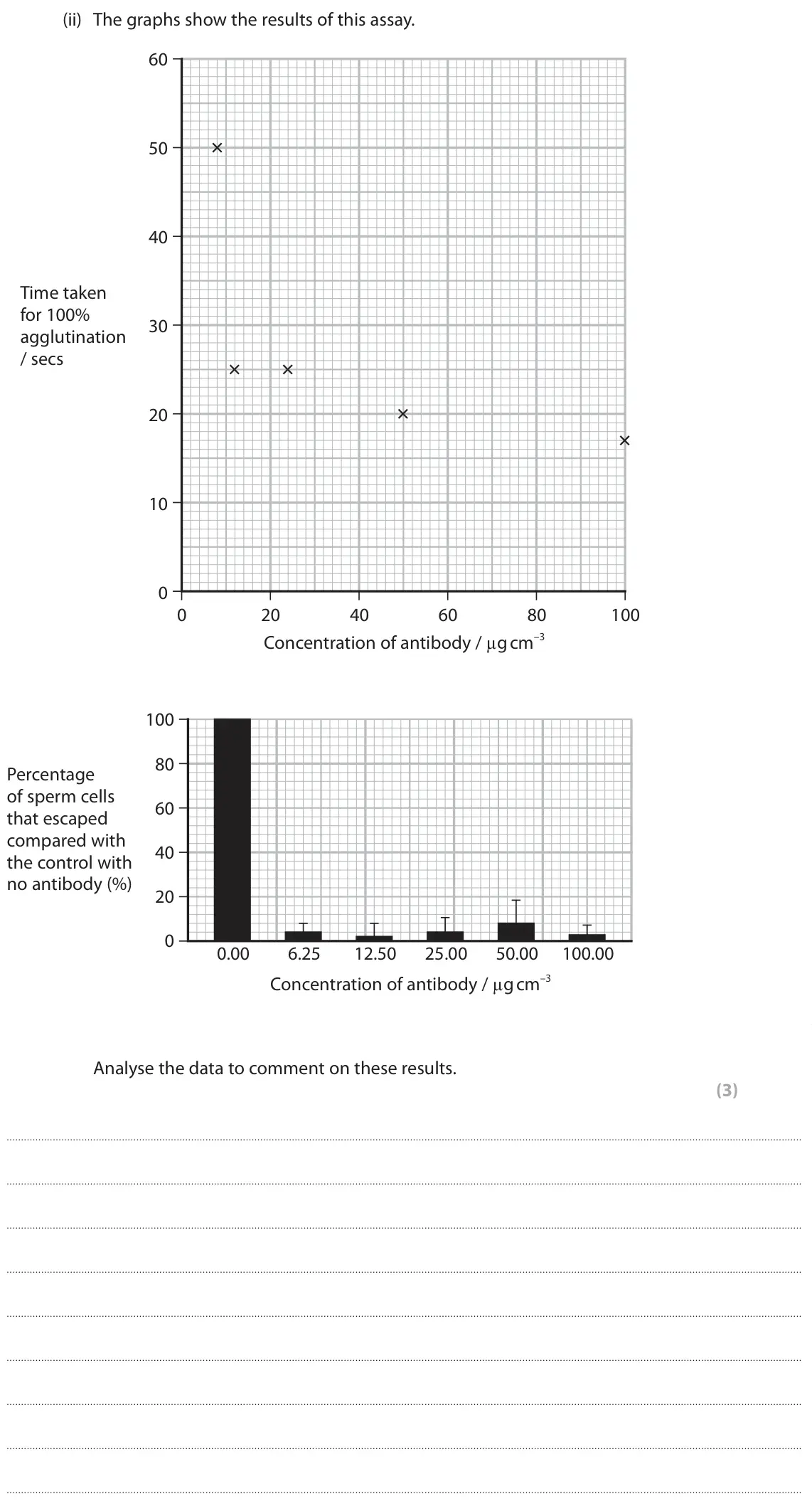
Q5(b)(iii)
The whole paper ↗
Q5(c)
The whole paper ↗
Q8(a)
The whole paper ↗
Q8(b)
The whole paper ↗
Q8(c)
The whole paper ↗
Q7(a)(i)
The whole paper ↗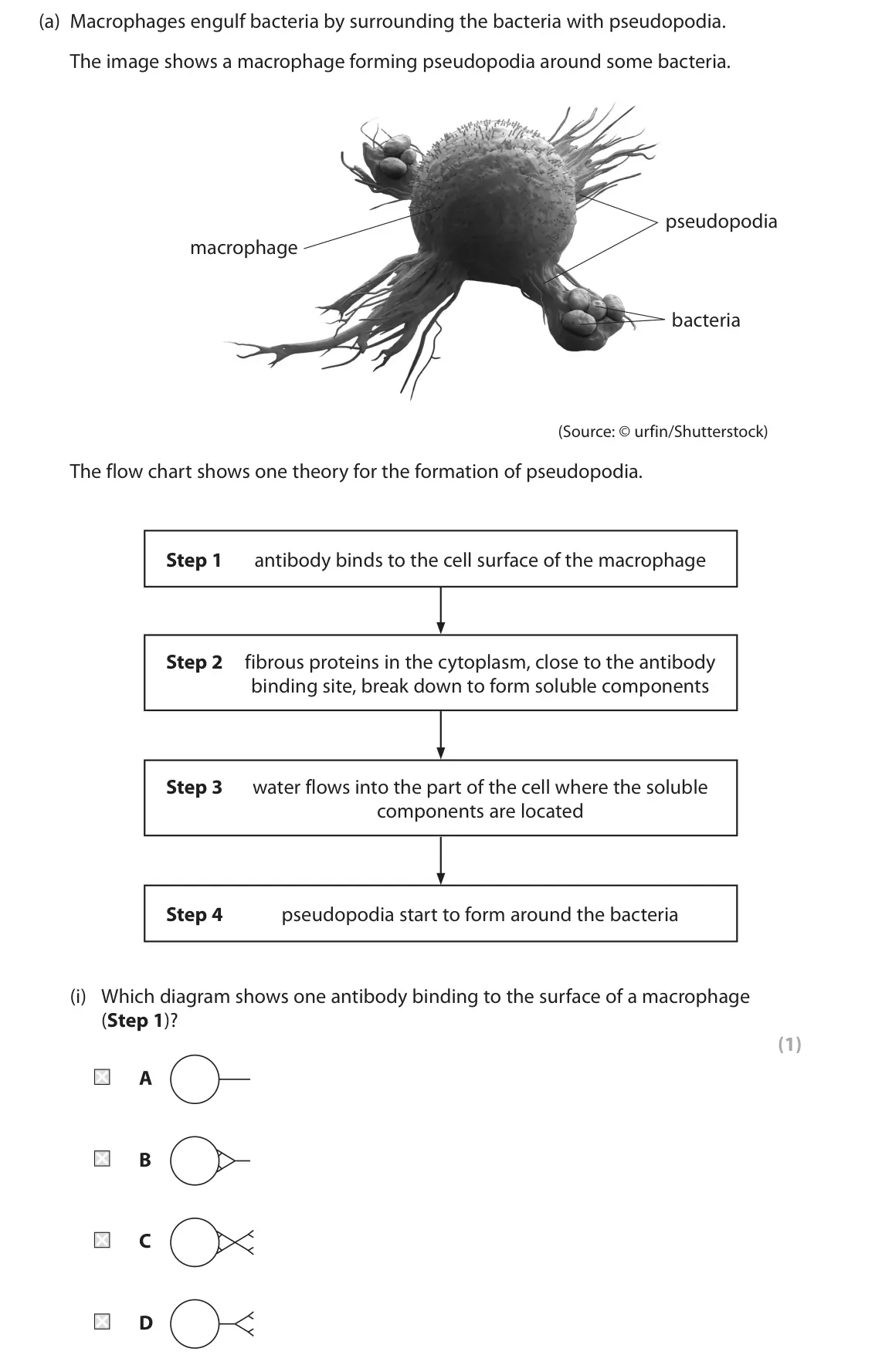
Q7(a)(iv)
The whole paper ↗
Q7(b)
The whole paper ↗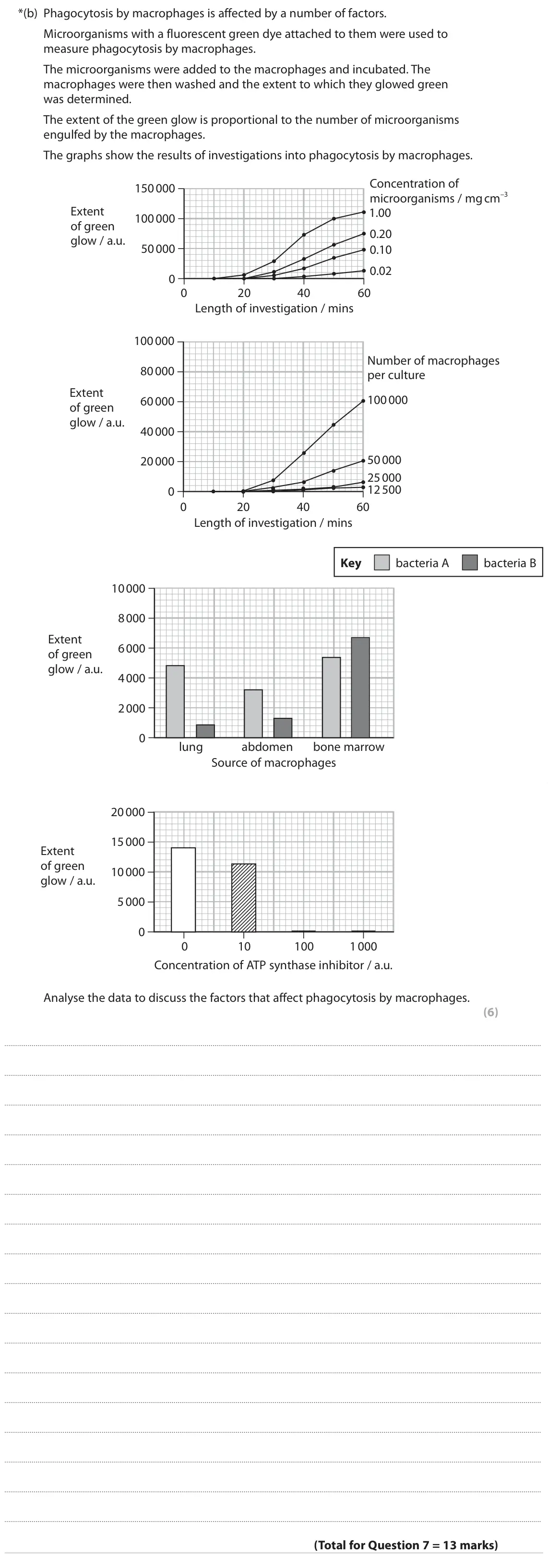
Q8(b)(i)
The whole paper ↗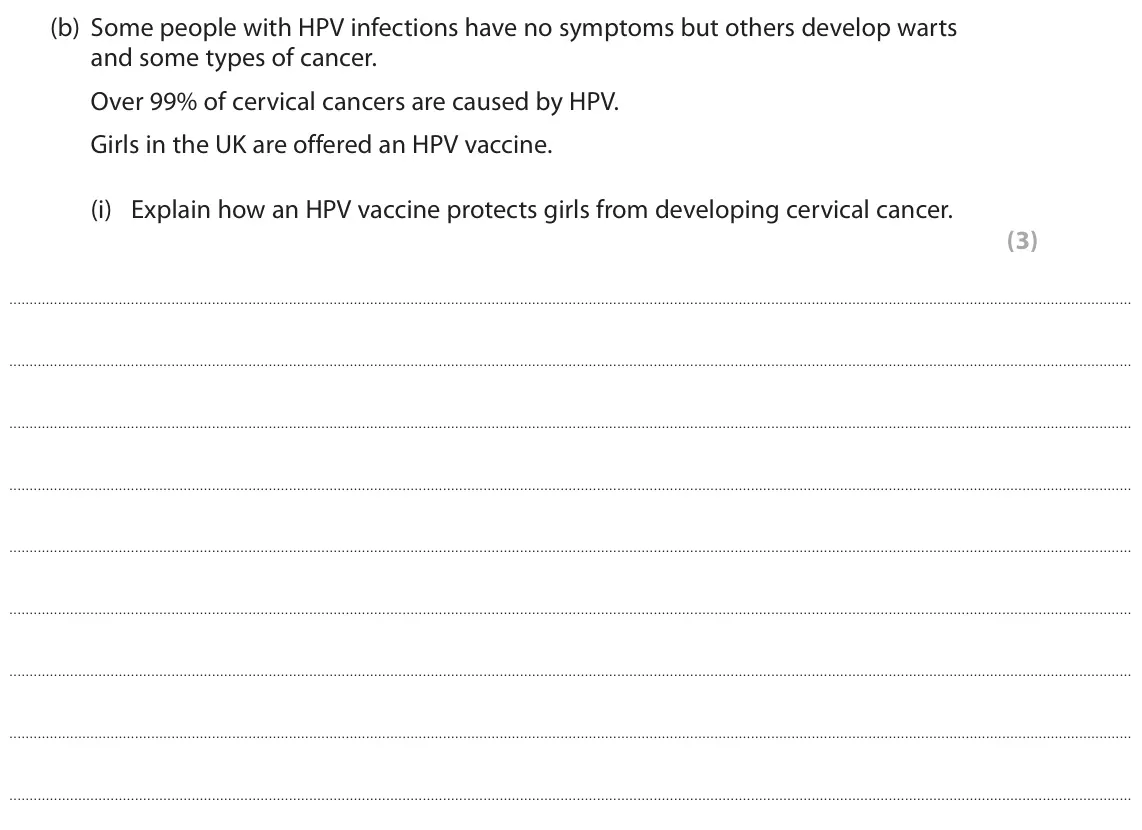
Q8(b)(ii)
The whole paper ↗
Q8(b)(iii)
The whole paper ↗
All 39 questions on Response to infection, as a list
- June 2025, Paper 1, Q5(c)(i) (3 marks): Girls who had recently been vaccinated were excluded from this study. Explain why these girls were excluded. (3)
- June 2025, Paper 1, Q5(c)(iii) (2 marks): The table shows the levels of four immunological markers in the blood of each group of girls. Mean value ± SD for each group of girls Immunological marker With
- June 2025, Paper 1, Q5(c)(iv) (2 marks): The scientists also determined the number of a type of cell called T regulatory cells in the blood of these two groups of girls. They found that the numbers of
- June 2024, Paper 1, Q5(c) (1 mark): Vaccines against bacteria are not always effective. The antigens they contain stimulate only a weak immune response. Which of the following types of immune resp
- June 2024, Paper 1, Q5(d)(i) (3 marks): The graph shows the number of T helper cells in the lymph nodes that drain the part of the body where the vaccine was implanted. 40 30 Number of T helper cells
- June 2024, Paper 1, Q5(d)(ii) (3 marks): In part of this investigation, mice had the vaccine implanted 35 days before being infected with E. coli. A control group that had not received the vaccine was
- June 2023, Paper 1, Q5(a) (1 mark): Antibodies can be injected into a person to give immunity. Which type of immunity develops from the injection of antibodies? (1) A artificial active B artificia
- June 2023, Paper 1, Q5(b)(i) (1 mark): Each test used 2 µl of a sperm cell suspension at a concentration of 3.0 × 10⁶ cells per cm3. 1 µl = 10–6 dm3 Calculate the number of sperm cells used in each t
- June 2023, Paper 1, Q5(b)(ii) (3 marks): The graphs show the results of this assay. 60 50 40 Time taken for 100% 30 agglutination / secs 20 10 0 0 20 40 60 80 100 Concentration of antibody / µg cm–3 10
- June 2023, Paper 1, Q5(b)(iii) (3 marks): Observation of the sperm cells agglutinated by these antibodies showed that some were joined head to head, some head to flagellum and some flagellum to flagellu
- June 2023, Paper 1, Q5(c) (2 marks): In the development of these contraceptives, the effect of the concentration of sperm cells on the time taken to agglutinate was also investigated. Explain why a
- June 2023, Paper 1, Q8(a) (4 marks): These vaccines deliver the mRNA into antigen presenting cells, such as macrophages. Describe how the delivery of mRNA into macrophages results in antigen presen
- June 2023, Paper 1, Q8(b) (4 marks): Antigen presentation results in the stimulation of both the humoral immune response and the cell‑mediated immune response. Compare and contrast the humoral immu
- June 2023, Paper 1, Q8(c) (4 marks): These vaccines stimulate both the humoral immune response and the cell‑mediated immune response. Explain how the products of these responses result in the destr
- June 2022, Paper 1, Q7(a)(i) (1 mark): Which diagram shows one antibody binding to the surface of a macrophage (Step 1)? (1) A B C D
- June 2022, Paper 1, Q7(a)(iv) (3 marks): Describe the events that take place resulting in T helper cell activation, following the formation of pseudopodia by the macrophages (Step 4). (3)
- June 2022, Paper 1, Q7(b) (6 marks): Phagocytosis by macrophages is affected by a number of factors. Microorganisms with a fluorescent green dye attached to them were used to measure phagocytosis b
- November 2021, Paper 1, Q8(b)(i) (3 marks): Explain how an HPV vaccine protects girls from developing cervical cancer. (3)
- November 2021, Paper 1, Q8(b)(ii) (3 marks): Explain why the HPV vaccine will not protect girls from infection with Chlamydia. (3)
- November 2021, Paper 1, Q8(b)(iii) (6 marks): The HPV vaccination programme is being extended to boys. Explain the advantages of offering the HPV vaccine to boys, as well as girls, in schools. (6)
- October 2020, Paper 1, Q5(a) (6 marks): Antibodies can be divided into five classes. The table gives some information about these classes of antibody. Class of antibody Information IgM IgA IgG IgD IgE
- October 2020, Paper 1, Q5(b) (2 marks): Vaccination against rubella has helped to reduce the incidence of infection. Explain the importance of vaccinating as many people as possible against rubella. (
- June 2019, Paper 1, Q6(a) (2 marks): Explain why the scientist looked for the presence of MHC molecules on the endothelial cells, in Step 1. (2)
- June 2019, Paper 1, Q6(b) (2 marks): Irradiation prevents cells from dividing. Explain why the endothelial cells were irradiated in Step 2, before they were cultured with T lymphocytes and antigen.
- June 2019, Paper 1, Q6(c) (2 marks): Explain why the T lymphocytes needed to be washed thoroughly in Step 4. (2)
- June 2019, Paper 1, Q6(d)(i) (2 marks): Explain why T lymphocytes were cultured with and without the antigen. (2)
- June 2019, Paper 1, Q6(d)(ii) (3 marks): Analyse the data to explain the conclusions that can be drawn from this investigation. (3)
- June 2019, Paper 3, Q7(c) (5 marks): Some plants have been genetically modified to express viral antigens. These plants are used as edible vaccines and stimulate immunity when eaten. Devise an inve
- June 2018, Paper 1, Q6(a) (2 marks): Describe how macrophages present antigens to T helper cells. (2)
- June 2018, Paper 1, Q6(b)(i) (3 marks): Explain why the macrophages were treated with mitomycin. (3)
- June 2018, Paper 1, Q6(b)(iii) (4 marks): Analyse the data to explain the results of this investigation. (4)
- June 2018, Paper 3, Q7(a)(i) (2 marks): Explain why the samples of Plasmodium were exposed to radiation. (2)
- June 2018, Paper 3, Q7(a)(ii) (1 mark): State the control treatment that was given to people in group C. (1)
- June 2018, Paper 3, Q7(a)(iii) (3 marks): It was claimed that this vaccine was 100% effective. Analyse the data to criticise the validity of this claim. (3)
- June 2018, Paper 3, Q7(a)(iv) (5 marks): Describe how vaccination enabled the people in group B to have active artificial immunity against malaria. (5)
- June 2017, Paper 1, Q9(a) (1 mark): What is the name of the antibody-producing cell? (1) A macrophage B memory cell C neutrophil D plasma cell
- June 2017, Paper 1, Q9(c) (2 marks): Myeloma cells have the potential to divide indefinitely. Explain why myeloma cells are used in the production of monoclonal antibodies. (2)
- June 2017, Paper 1, Q9(d)(i) (3 marks): Explain the advantages of using humanised antibodies in the treatment of cancer. (3)
- June 2017, Paper 1, Q9(d)(ii) (6 marks): Explain why mouse anti-human antibodies need to be humanised in order to treat cancer. (6)
Questions, mark schemes and examiner’s reports are © Pearson Edexcel, from their published past papers. Plumi isn’t affiliated with any exam board. Want whole papers? Every Edexcel A-Level Biology B paper.
Rather write your answers by hand on iPad? Plumi marks them against the same mark schemes.