 plumi
How can we prevent the spread of infections?: OCR GCSE Biology B questions
Every OCR GCSE Biology B exam question on B2.3 How can we prevent the spread of infections?, 2018–2025, with its mark scheme and examiner’s report.
Paper
All papers
Exam
All years
Calculations
Q1(d)(ii)
The whole paper ↗
Q6(c)(iv)
The whole paper ↗
Q7(b)
The whole paper ↗
Q7(c)(i)
The whole paper ↗Q7(c)(ii)
The whole paper ↗Q7(d)
The whole paper ↗Q7(e)
The whole paper ↗Q1(d)
The whole paper ↗
Q9(c)(ii)
The whole paper ↗Q5(b)
The whole paper ↗
Q3(d)(i)
The whole paper ↗
Q10(a)(iv)
The whole paper ↗
Q10(b)
The whole paper ↗Q3(d)
The whole paper ↗Q3(a)
The whole paper ↗
Q11(c)
The whole paper ↗
Q5(d)(ii)
The whole paper ↗
Q4(c)(i)
The whole paper ↗
Q7(b)(ii)
The whole paper ↗
Q2(c)(ii)
The whole paper ↗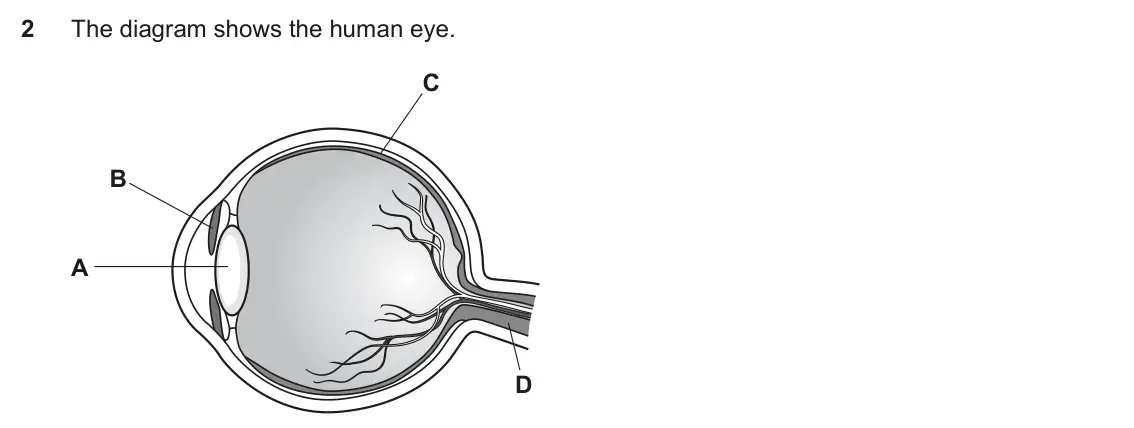
All 49 questions on How can we prevent the spread of infections?, as a list
- June 2025, Paper 1 Foundation, Q1(d)(ii) (1 mark): Suggest one way that the transmission of malaria can be prevented. [1]
- June 2025, Paper 2 Foundation, Q6(c)(iv) (6 marks): Ash trees are common in the UK. (iv)* Scientists predict that ash dieback is likely to kill up to 80% of our 3 billion ash trees and cost the UK approximately £
- June 2024, Paper 1 Foundation, Q7(b) (1 mark): Foot and Mouth is spread between animals directly by contact and indirectly through transmission on equipment and people. In 2001 there was an outbreak of Foot
- June 2024, Paper 1 Foundation, Q7(c)(i) (2 marks): Other than destroying their animals, suggest how farmers can prevent the spread of the disease between two animals on their farms. State two ways. 1 2 [2]
- June 2024, Paper 1 Foundation, Q7(c)(ii) (1 mark): Suggest how vets visiting many farms can prevent spreading the disease to animals on different farms. [1]
- June 2024, Paper 1 Foundation, Q7(d) (3 marks): Animals can be vaccinated against Foot and Mouth. Describe how a vaccination against Foot and Mouth would provide immunity. [3]
- June 2024, Paper 1 Foundation, Q7(e) (1 mark): Suggest why vaccinating animals when the outbreak happened was not a solution to the problem. [1]
- June 2024, Paper 2 Foundation, Q1(d) (3 marks): Explain why washing your hands before making a sandwich can help stop you from getting unwell. [3]
- June 2024, Paper 3 Higher, Q9(c)(ii) (2 marks): Suggest two reasons why the number of HIV infections was greater in this region than in other regions. 1 2 [2]
- June 2024, Paper 4 Higher, Q5(b) (2 marks): Layla’s partner can wear a condom on his penis during sexual intercourse to prevent pregnancy. Describe one other benefit of him wearing a condom during sex. [2
- June 2023, Paper 1 Foundation, Q3(d)(i) (1 mark): A boy goes cycling in a woodland where there is ash dieback. Suggest one way in which the boy could prevent spreading the disease to another woodland. [1]
- June 2023, Paper 1 Foundation, Q10(a)(iv) (2 marks): The yellow fever virus is carried by mosquitoes. Suggest two ways, other than vaccination, to prevent the spread of yellow fever. 1 2 [2]
- June 2023, Paper 1 Foundation, Q10(b) (1 mark): Why do we need to vaccinate a large proportion of the population to stop the spread of a disease? [1]
- June 2023, Paper 3 Higher, Q3(d) (1 mark): Cholera is a communicable disease. Suggest one way to prevent transmission of cholera between people. [1]
- June 2023, Paper 4 Higher, Q3(a) (2 marks): Complete Table 3.1 by explaining how the spread of each communicable disease can be reduced or stopped. Table 3.1 Communicable Infects How the spread of the dis
- June 2022, Paper 1 Foundation, Q11(c) (1 mark): Sepsis can be prevented by stopping the spread of microorganisms between people. Suggest one way members of a community could help prevent the spread of microor
- June 2022, Paper 2 Foundation, Q5(d)(ii) (6 marks): Malaria is a disease that can be deadly. Around the world, there are hundreds of millions of cases of malaria every year. The pathogen that causes malaria is sp
- June 2022, Paper 3 Higher, Q4(c)(i) (1 mark): Which of these causes can be prevented by vaccination? [1]
- June 2022, Paper 4 Higher, Q7(b)(ii) (4 marks): Explain how the person’s body will react to the influenza protein and how this could protect them from catching influenza in the future. [4]
- November 2021, Paper 1 Foundation, Q2(c)(ii) (1 mark): Conjunctivitis is a communicable disease. Suggest how a person with conjunctivitis could prevent spreading the disease to another person. [1]
- November 2021, Paper 1 Foundation, Q4(b)(i) (2 marks): Explain how Salmonella can be spread. [2]
- November 2021, Paper 1 Foundation, Q4(c)(i) (2 marks): Calculate the mean percentage of samples that tested positive for Salmonella in the UK. Give your answer to 2 significant figures. Mean = % [2]
- November 2021, Paper 1 Foundation, Q4(c)(ii) (1 mark): Which country had a higher percentage of samples that tested positive for Salmonella than the mean? Use your answer to (c)(i). [1]
- November 2021, Paper 1 Foundation, Q4(d) (2 marks): The scientists compared the data collected in the UK with data from other countries. The results are shown in Table 4.2. Percentage of Country samples that test
- November 2021, Paper 3 Higher, Q11(a) (3 marks): Describe the trend shown by the data and suggest one possible reason for this trend. [3]
- November 2021, Paper 4 Higher, Q2(c) (2 marks): Humans can be vaccinated against some diseases. Plants cannot be vaccinated against diseases. They do not have any white blood cells. Explain why this means it
- November 2020, Paper 1 Foundation, Q8(a)(i) (2 marks): Complete the graph by plotting the data in Table 8.1 for 2014, 2015 and 2016. 10 000 9500 9000 8500 8000 7500 7000 6500 6000 Number of 5500 confirmed cases of w
- November 2020, Paper 1 Foundation, Q8(a)(ii) (2 marks): Which two statements about the data are correct? Tick (✓) two boxes. The number of cases roughly doubled between 2010 and 2011. The number of cases confirmed wa
- November 2020, Paper 1 Foundation, Q8(a)(iii) (1 mark): In which year is it most likely that the vaccination rate for whooping cough dropped? Tick (✓) one box. 2012 2013 2014 [1]
- November 2020, Paper 1 Foundation, Q8(b) (1 mark): Which statement explains how vaccines work? Tick (✓) one box. The vaccination stimulates the production of platelets. The vaccination makes the heart beat faste
- November 2020, Paper 1 Foundation, Q8(c) (3 marks): Whooping cough is a communicable disease caused by bacteria. It is common in children who are not vaccinated. Explain how this disease could spread and suggest
- November 2020, Paper 3 Higher, Q10(a) (3 marks): Explain how vaccines are used to prevent the spread of diseases such as whooping cough. • [3]
- November 2020, Paper 3 Higher, Q10(b) (3 marks): The graph shows the number of confirmed cases of whooping cough in England from 2007 to 2016. 10000- 9000• 8000 7000 Number of confirmed 6000 cases of 5000 whoo
- November 2020, Paper 3 Higher, Q10(c)(i) (1 mark): Who is suggesting a benefit of using whole bacterial cells? Tick (v) one box. Jack Li Nina [1]
- November 2020, Paper 3 Higher, Q10(c)(ii) (1 mark): Who is suggesting a benefit of using parts of bacterial cells? Tick (v) one box. Jack Li Nina [1]
- November 2020, Paper 3 Higher, Q10(c)(iii) (1 mark): Why do you think using whole bacterial cells could be more dangerous? [1]
- June 2019, Paper 1 Foundation, Q11(a) (1 mark): The article states that > 19 000 cases were reported in 2016. What does the ‘>’ in this statement mean? [1]
- June 2019, Paper 1 Foundation, Q11(b) (2 marks): Look at the data in the table showing the number of confirmed cases of scarlet fever. Year Number of confirmed cases of scarlet fever 2013 4700 2014 15 637 2016
- June 2019, Paper 1 Foundation, Q11(c) (1 mark): Calculate the percentage increase in the number of cases from 2013 to 2014. Put a ring around the correct answer. 23% 30% 233% 333% [1]
- June 2019, Paper 1 Foundation, Q11(d)(i) (2 marks): Scarlet fever is a bacterial infection. It is transmitted easily by close contact. How could the spread of this infection be reduced? [2]
- June 2019, Paper 2 Foundation, Q7 (6 marks): 7* Layla is a doctor. She works with patients in a hospital. Explain why it is good that Layla does the following things: • She washes her hands regularly while
- June 2019, Paper 3 Higher, Q2(a) (1 mark): The article states that > 19 000 cases were reported in 2016. What does the ‘>’ in this statement mean? [1]
- June 2019, Paper 3 Higher, Q2(b) (2 marks): Look at the data in the table showing the number of confirmed cases of scarlet fever. Year Number of confirmed cases of scarlet fever 2013 4700 2014 15 637 2016
- June 2019, Paper 3 Higher, Q2(c) (1 mark): Calculate the percentage increase in the number of cases from 2013 to 2014. Put a ring around the correct answer. 23% 30% 233% 333% [1]
- June 2019, Paper 3 Higher, Q2(d)(i) (2 marks): Scarlet fever is a bacterial infection. It is transmitted easily by close contact. How could the spread of this infection be reduced? [2]
- June 2019, Paper 4 Higher, Q2 (6 marks): 2* Layla is a doctor. She works with patients in a hospital. Explain why it is good that Layla does the following things: • She washes her hands regularly while
- June 2018, Paper 3 Higher, Q6(a)(i) (2 marks): Explain what a communicable disease is and suggest how a visitor to Brazil could reduce the risk of becoming infected with Zika. [2]
- June 2018, Paper 3 Higher, Q6(a)(ii) (2 marks): The first ever human case of Zika was discovered in Nigeria in 1954. The timeline below shows how Zika spread. 1954 1977–78 2007 2013 2015 Nigeria Pakistan, Mal
- June 2018, Paper 4 Higher, Q4(a) (2 marks): Suggest two ways in which ash dieback could have been spread from mainland Europe to Great Britain. 1 2 [2]
Questions, mark schemes and examiner’s reports are © OCR, from their published past papers. Plumi isn’t affiliated with any exam board. Want whole papers? Every OCR GCSE Biology B paper.
Rather write your answers by hand on iPad? Plumi marks them against the same mark schemes.