 plumi
SUVAT equations: Edexcel International A Level Physics questions
Edexcel International A Level Physics past-paper questions on 1.3.1.1 SUVAT equations, 2019–2025, with mark schemes and examiner’s reports where available.
Paper
All papers
Exam
All years
Calculations
Q20(a)
The whole paper ↗
- Your answer
Q1(c)
The whole paper ↗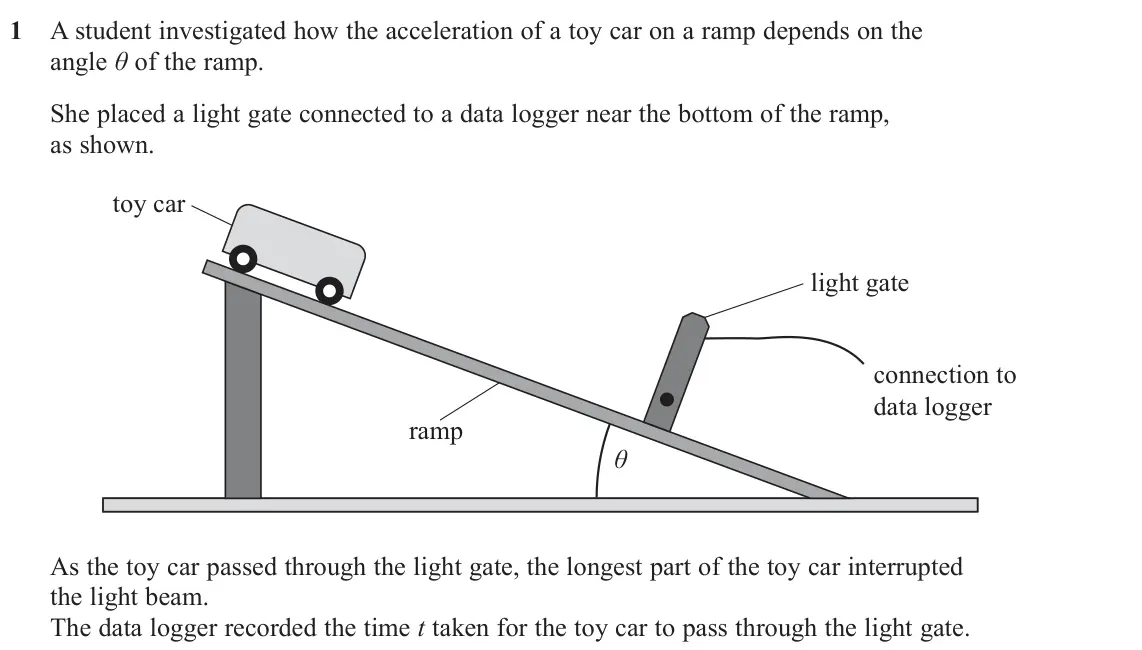
Q14(b)(i)
The whole paper ↗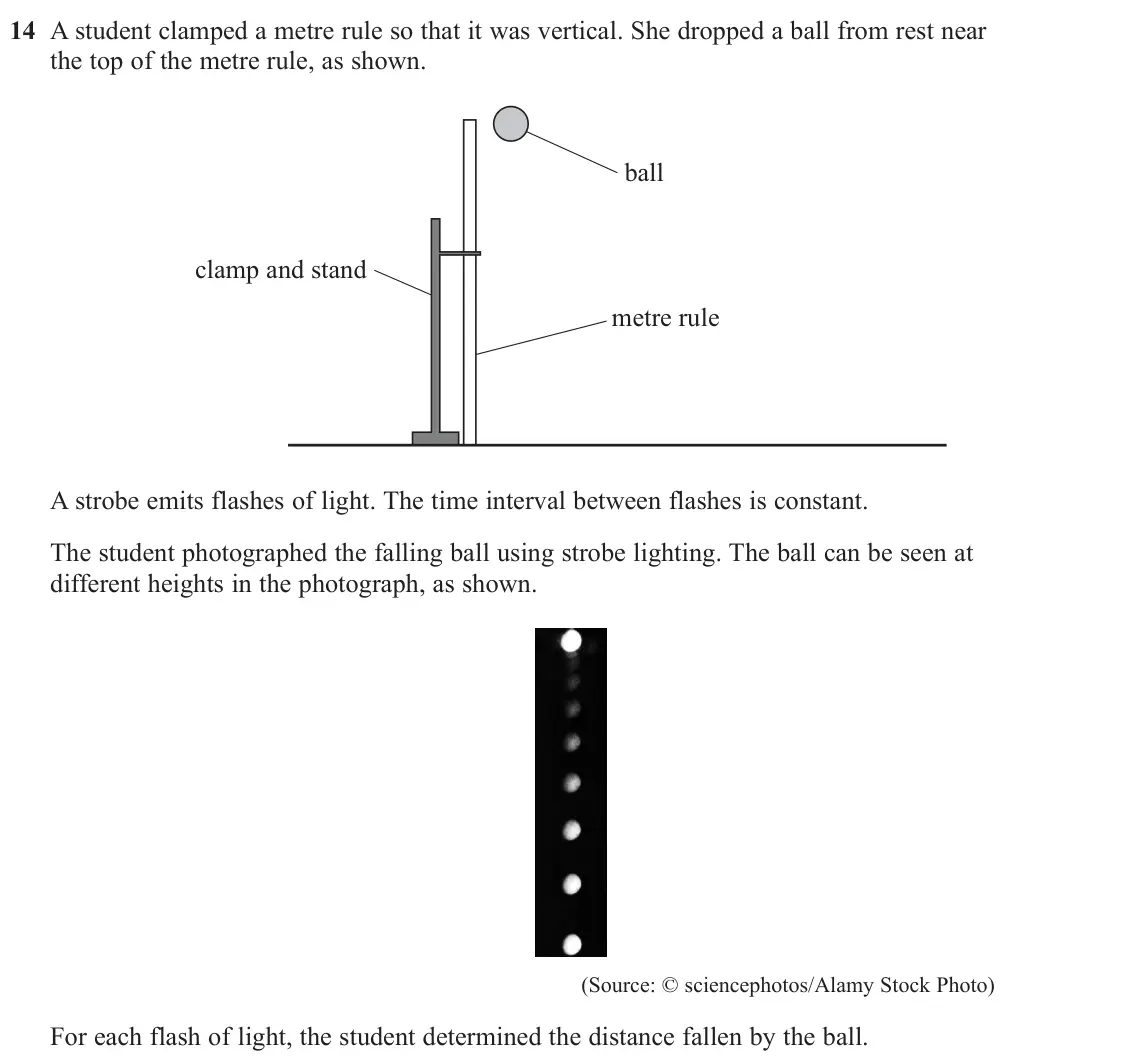
Q16(a)(i)
The whole paper ↗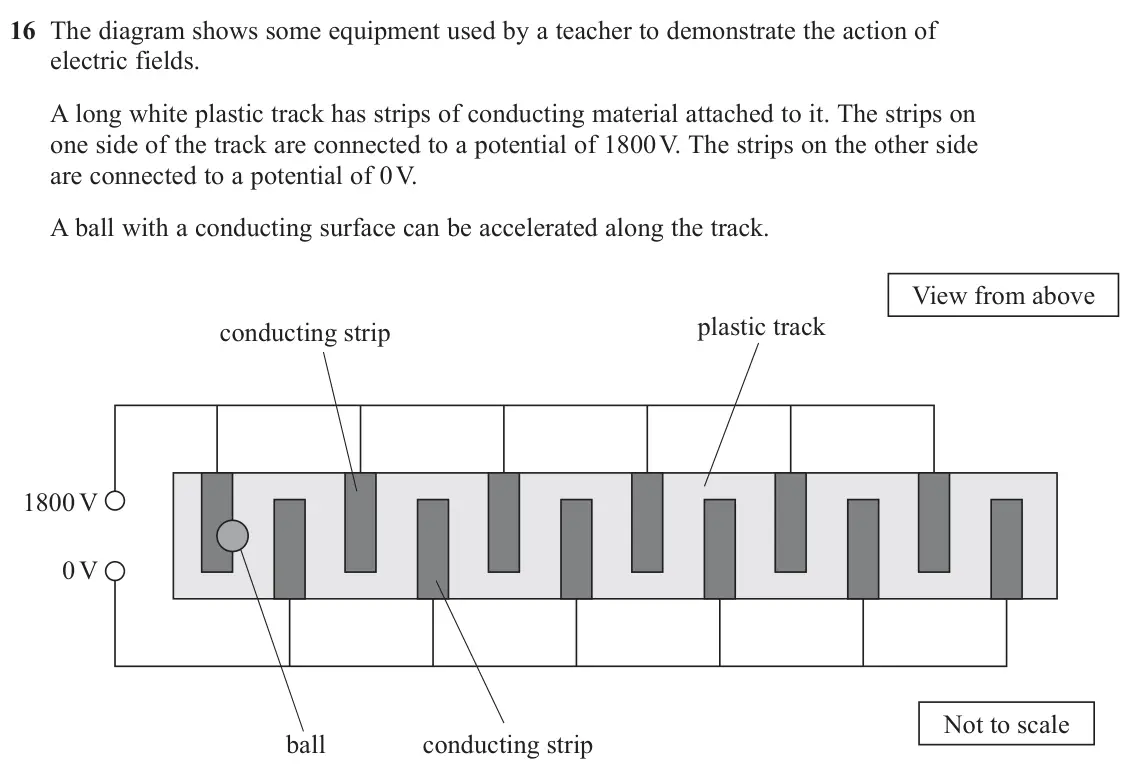
Q13(a)
The whole paper ↗
Q13(b)
The whole paper ↗Q17(b)(ii)
The whole paper ↗
- Your answer
Q14(a)(i)
The whole paper ↗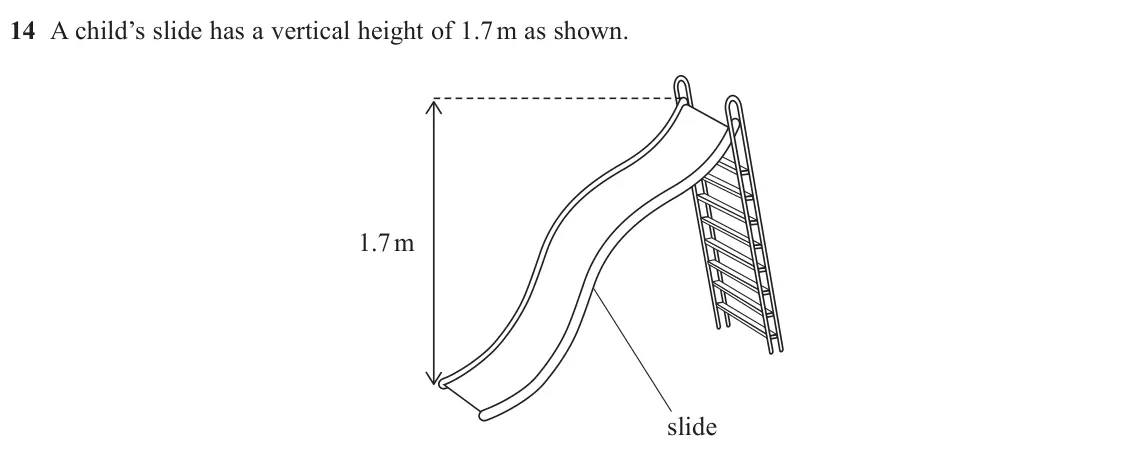
- Your answer
- Your answer
Q20(a)(i)
The whole paper ↗
- Your answer
Q1(b)(ii)
The whole paper ↗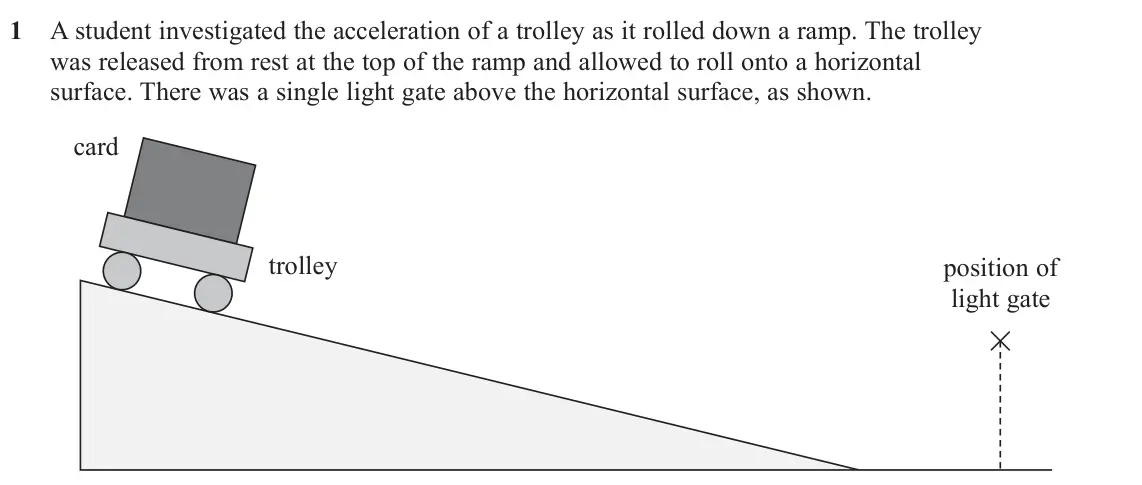
Q4(d)(i)
The whole paper ↗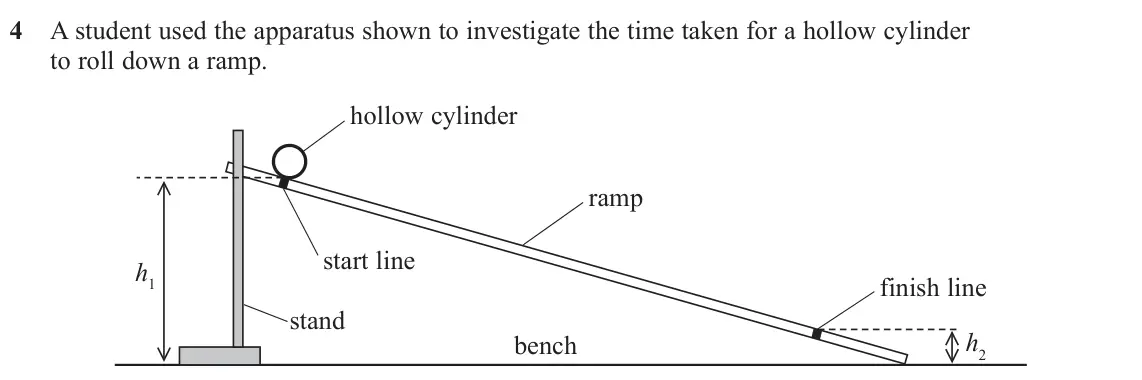
- Your answer
All 32 questions on SUVAT equations, as a list
- June 2025, AS Unit 1, Q13 (3 marks): In a game of basketball, points are scored by throwing a ball so that it falls through a hoop. The rules state that the distance d between the hoop and the floo
- June 2025, AS Unit 1, Q20(a) (4 marks): The initial vertical velocity of the skydiver was zero. During the first 1.5 s, the skydiver moved a vertical distance of 11 m. Air resistance may be considered
- January 2025, AS Unit 1, Q7 (1 mark): A student drops a ball and measures the time taken for the ball to reach the ground. He repeats this for different heights. He uses a graphical method to determ
- January 2025, AS Unit 1, Q12 (3 marks): A person on skis slides down a slope. The slope is at an angle of 14° to the horizontal. The initial speed of the person is 7.1 m s −1, as shown. –1 7.1 m s 14
- January 2025, AS Unit 3, Q1(c) (3 marks): Describe a method the student could use to determine the acceleration a of the toy car. (3)
- October 2024, AS Unit 1, Q14(b)(i) (2 marks): Explain why a graph of s against t 2 gives a straight line. (2)
- October 2024, Unit 4, Q16(a)(i) (2 marks): The ball accelerates uniformly across the gap between the first strip and the second strip in 0.22 s. Show that the acceleration of the ball is about 0.8 m s–2.
- June 2024, AS Unit 1, Q13(a) (3 marks): Show that car A and car B are side by side after a time of about 1.1 s. (3)
- June 2024, AS Unit 1, Q13(b) (3 marks): At the instant shown, car A is 100 m from the finish line. Deduce whether car A reaches the finish line before car B. (3)
- June 2024, Unit 4, Q17(b)(ii) (4 marks): The spacecraft moves to a new position, taking the satellite with it. The distance between the satellite and the spacecraft remains constant, so the electrostat
- January 2024, AS Unit 1, Q5 (1 mark): A student dropped a table tennis ball. The ball fell for time t and had velocity v just before it hit the ground. The student used the equations of motion to ca
- January 2024, AS Unit 1, Q14(a)(i) (3 marks): Explain why the equations of motion should not be used to determine the maximum speed of the child. You should consider the shape of the slide. (3)
- June 2023, AS Unit 1, Q7 (1 mark): A car travels with a velocity of 3 m s–1. The car accelerates uniformly in a straight line for a distance of 15 m. The final velocity of the car is 5 m s–1. Whi
- June 2023, AS Unit 1, Q11 (3 marks): A rock falls from rest through a small distance s to the surface of Mars. The rock hits Mars with velocity vM. Another rock falls from rest through distance s t
- January 2023, AS Unit 1, Q5 (1 mark): A racing car passes point P at a speed of 35 m s −1. The car accelerates uniformly and after 5.0 s passes point Q at a speed of 50 m s −1, as shown. P Q t = 0.0
- June 2022, Unit 5, Q20(a)(i) (2 marks): A lead sphere falls through a distance of 41.5 m. Show that it takes about 3 s for the lead sphere to fall through this distance. Assume that resistive forces a
- January 2022, AS Unit 1, Q5 (1 mark): An object on the Moon falls a vertical distance of 0.32 m, from rest, in a time of 0.63 s. Which of the following expressions gives the acceleration due to grav
- January 2022, AS Unit 3, Q1(b)(ii) (2 marks): The student measured the distance s that the trolley travelled on the ramp. Determine the acceleration of the trolley on the ramp. s = 1.50 m (2) Acceleration =
- January 2022, Unit 6, Q4(d)(i) (2 marks): Determine a value for g. (2) g =
- October 2021, AS Unit 1, Q7 (1 mark): A ball bearing falls vertically from rest through a distance of 50 cm in a time of 0.32 s. Which expression gives the acceleration of the ball bearing in m s–2?
- October 2021, AS Unit 1, Q13(b)(ii) (2 marks): Determine the speed of the sledge at the end of the slope. (2) Speed at end of slope =
- October 2021, AS Unit 1, Q13(b)(iii) (2 marks): Determine the time taken for the sledge to travel to the end of the slope. (2) Time taken =
- June 2021, AS Unit 1, Q12(b) (4 marks): Determine the time taken by the object to move from point A to point C. (4) Time taken =
- January 2021, AS Unit 1, Q1 (1 mark): A car is moving towards a stop sign at a speed of 25 m s−1. The driver applies the brakes 20 m before the sign and decelerates uniformly to rest just before the
- January 2021, AS Unit 3, Q1(a) (5 marks): The air track is a long metal tube with holes along its length. Air from a blower enters the tube and escapes through the holes, minimising friction between the
- January 2020, AS Unit 1, Q6 (1 mark): A ball is travelling horizontally at a speed of 7.0 m s−1. The ball hits a vertical wall and rebounds along its initial path at a speed of 5.0 m s−1. The ball h
- January 2020, AS Unit 1, Q15(a) (2 marks): Show that the velocity of the ball immediately before the bounce is about 3 m s−1. (2)
- January 2020, AS Unit 1, Q16(a)(i) (2 marks): Determine the maximum height after popping. (2) Maximum height =
- January 2020, AS Unit 1, Q16(a)(ii) (3 marks): Calculate the initial speed of the ‘popped’ popcorn kernel. (3) Initial speed =
- June 2019, AS Unit 1, Q18(b)(ii) (3 marks): Water falls from a leaf at a steady rate of five drops per second. As each drop reaches the ground, there are four drops above it in the air. Calculate the heig
- January 2019, AS Unit 1, Q16(a)(i) (2 marks): Show that the average vertical deceleration of the probe due to the parachute was about 11 m s–2. (2)
- January 2019, AS Unit 1, Q16(b) (6 marks): The probe was in ‘free fall’ from a height of 3.7 km, reaching the surface of Mars with a velocity of 150 m s–1. Explain whether the term ‘free fall’ is correct
Questions, mark schemes and examiner’s reports are © Pearson Edexcel, from their published past papers. Plumi isn’t affiliated with any exam board. Want whole papers? Edexcel International A Level Physics past papers.
The Plumi iPad app also offers exam-style questions with AI feedback on your handwritten working.