 plumi
Greenhouse gases and the carbon cycle: Edexcel International A Level Biology questions
Edexcel International A Level Biology past-paper questions on 5.4.2 Greenhouse gases and the carbon cycle, 2019–2025, with mark schemes and examiner’s reports where available.
Paper
All papers
Exam
All years
Calculations
Q7(a)
The whole paper ↗
Q7(b)
The whole paper ↗Q7(d)(i)
The whole paper ↗Q7(d)(ii)
The whole paper ↗Q7(e)(iii)
The whole paper ↗Q8(a)
The whole paper ↗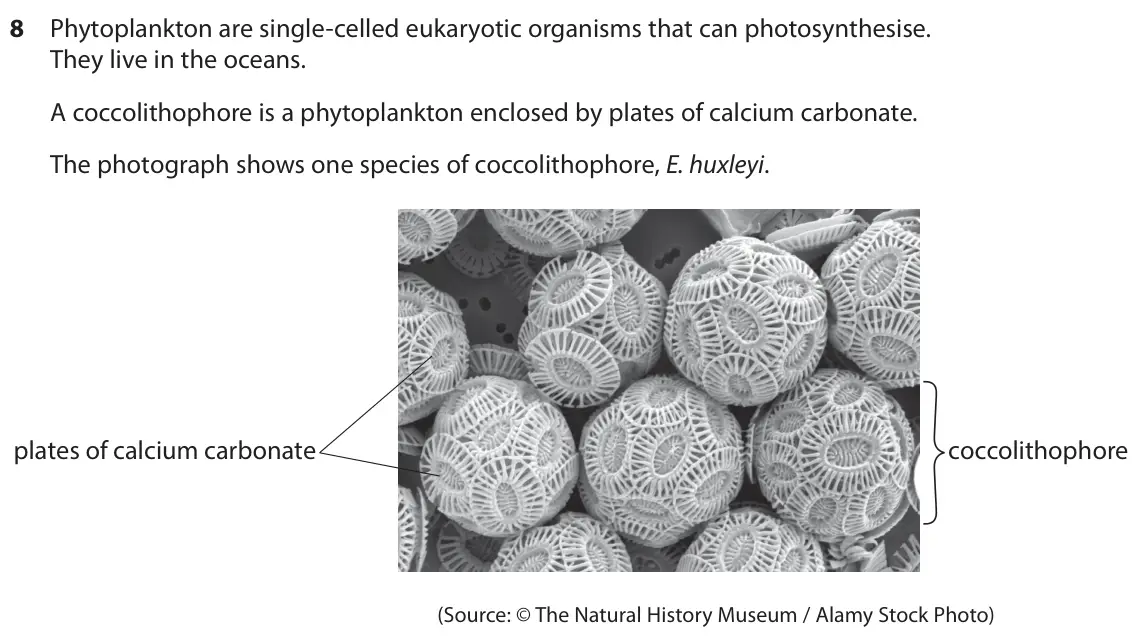
Q8(b)(i)
The whole paper ↗Q8(b)(iii)
The whole paper ↗Q3(b)
The whole paper ↗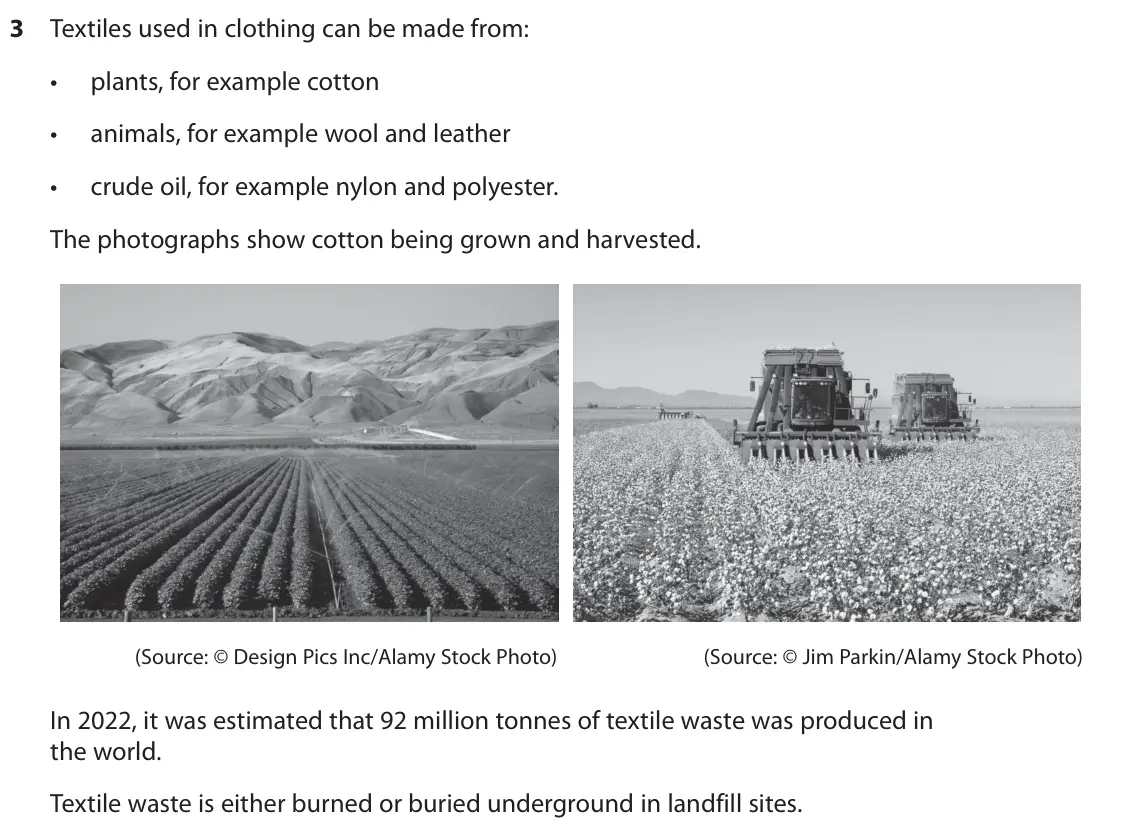 Your answer
Q4(a)(ii)
The whole paper ↗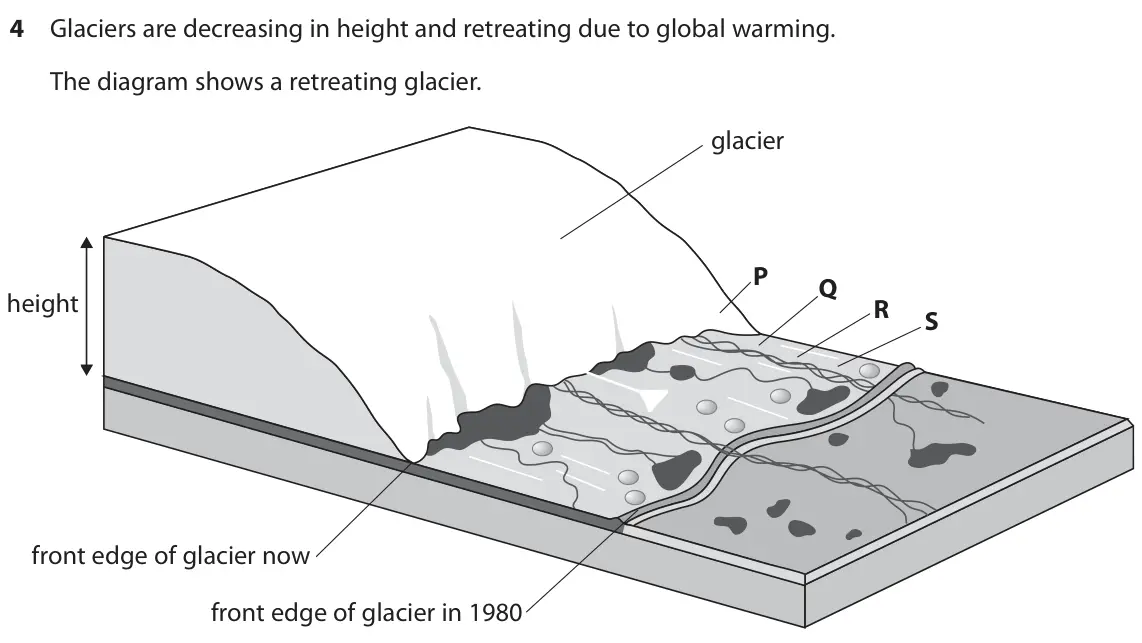
Q7(b)(iii)
The whole paper ↗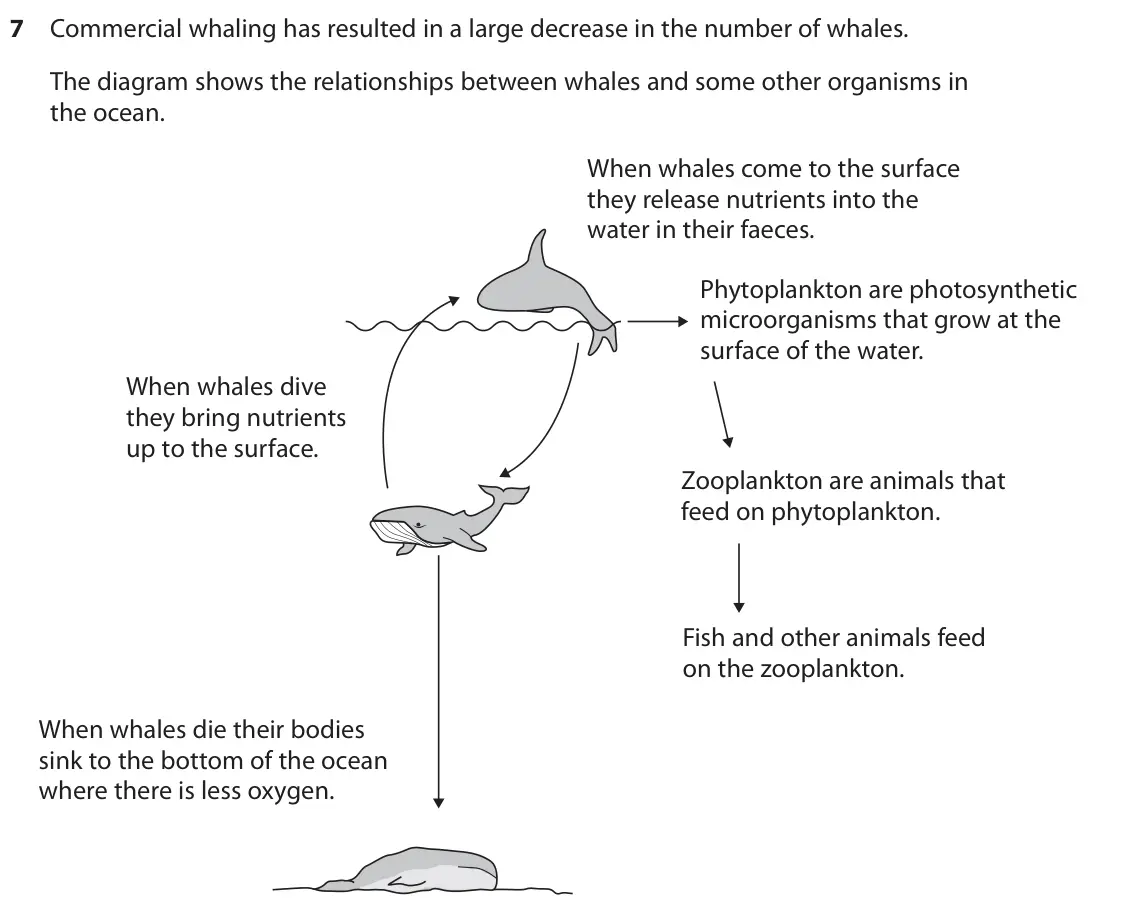
Q8(a)(i)
The whole paper ↗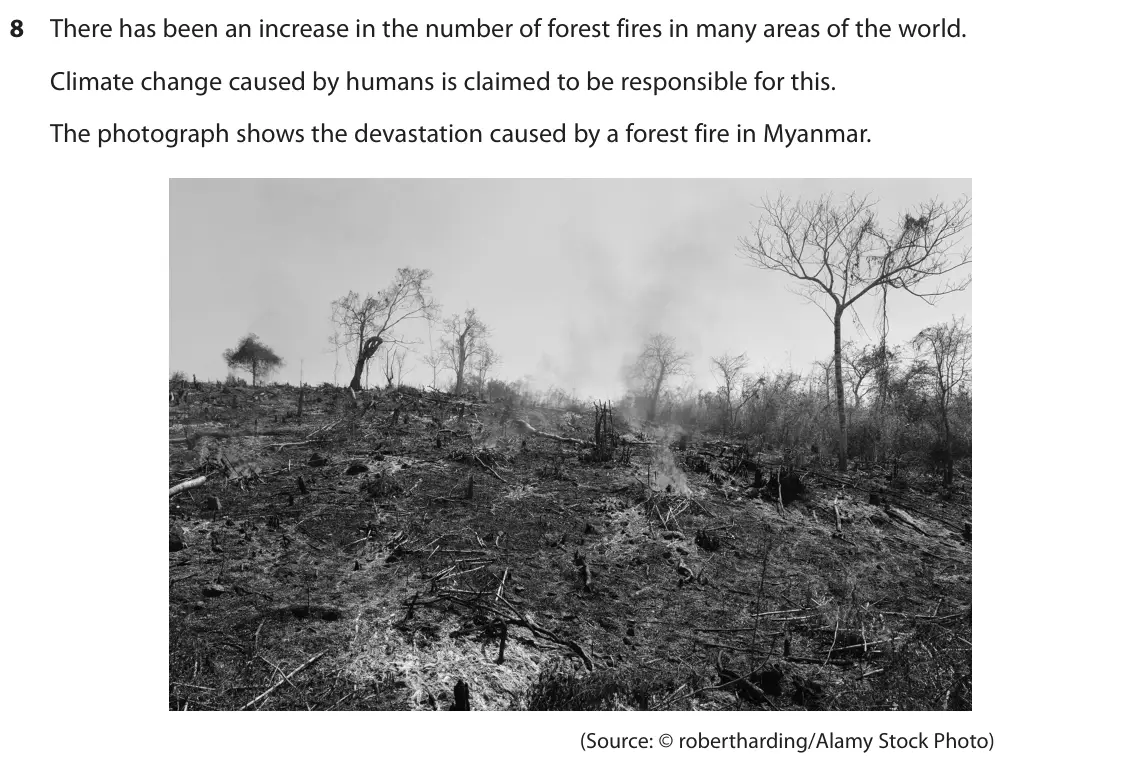
Q8(b)
The whole paper ↗Q8(b)(ii)
The whole paper ↗
Q8(b)(iii)
The whole paper ↗Q8(b)(iv)
The whole paper ↗Q7(b)(i)
The whole paper ↗
Q7(b)(ii)
The whole paper ↗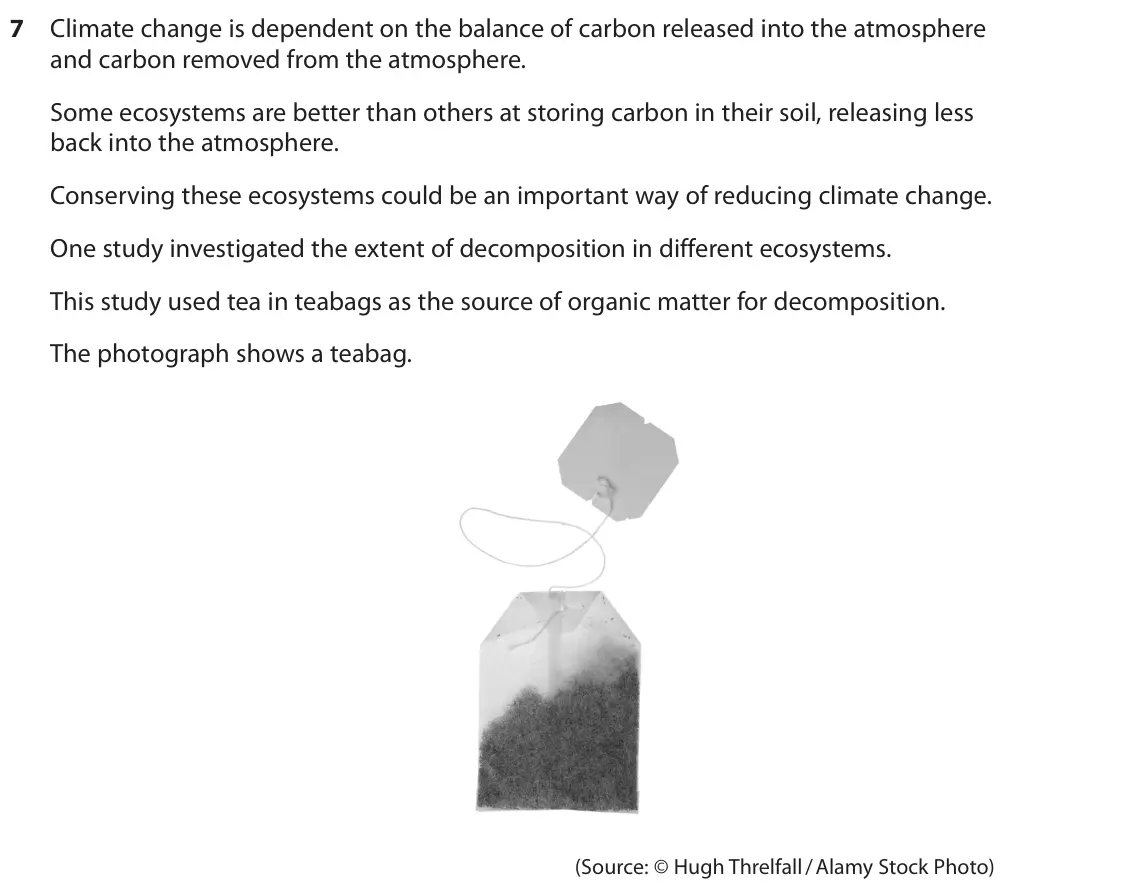
Q6(b)(i)
The whole paper ↗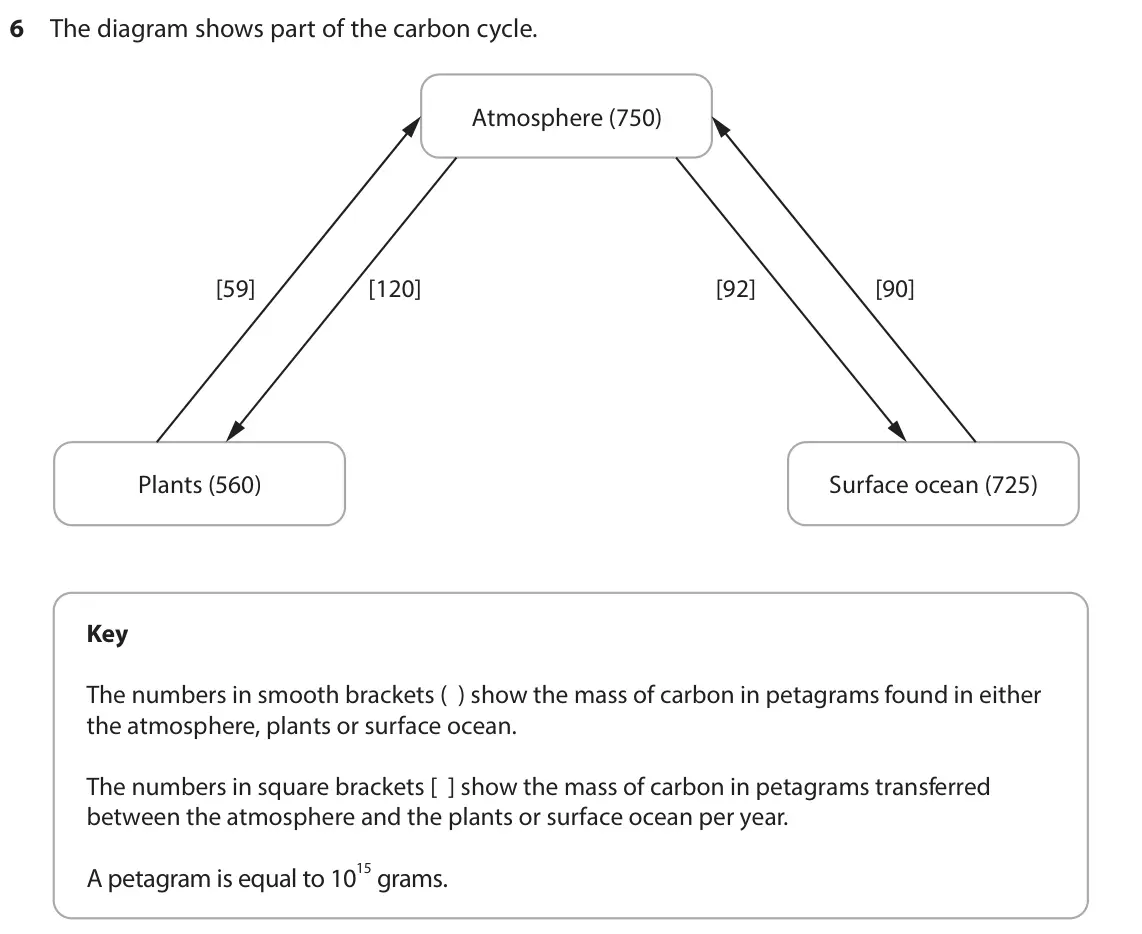
Q6(b)(ii)
The whole paper ↗
All 26 questions on Greenhouse gases and the carbon cycle, as a list
- January 2025, Unit 4, Q7(a) (1 mark): State one anthropogenic source of carbon dioxide and one different anthropogenic source of methane. (1) Carbon dioxide Methane
- January 2025, Unit 4, Q7(b) (3 marks): Describe how greenhouse gases cause global warming. (3)
- January 2025, Unit 4, Q7(d)(i) (1 mark): Calculate the ratio of the WP of nitrous oxide to the WP of methane. Give your answer to two significant figures. (1) Answer : 1
- January 2025, Unit 4, Q7(d)(ii) (3 marks): Carbon dioxide can last in the atmosphere for thousands of years. Methane lasts for about 12 years and nitrous oxide for about 121 years. Discuss the implicatio
- January 2025, Unit 4, Q7(e)(iii) (2 marks): Suggest why the scientists analysed the cultures of methanotroph B for the production of nitrous oxide and carbon dioxide. (2)
- October 2024, Unit 4, Q8(a) (3 marks): In one drop of seawater there are between 1 000 and 10 000 E. huxleyi. The diagram shows the dimensions of one E. huxleyi. diameter of cell = 50 μm thickness of
- October 2024, Unit 4, Q8(b)(i) (1 mark): One E. huxleyi can contain 12 plates. It takes 75 minutes to produce one plate. Calculate the number of hours it takes one E. huxleyi to produce 12 plates. Assu
- October 2024, Unit 4, Q8(b)(iii) (6 marks): The plates can carry viruses that infect the E. huxleyi. Infected E. huxleyi produce a glue that sticks many cells and plates together to form a ‘marine snow’.
- June 2024, Unit 4, Q3(b) (1 mark): The production of textiles and the removal of textile waste is an example of human activity affecting the environment. Which term is used to describe the effect
- January 2024, Unit 4, Q4(a)(ii) (3 marks): Explain why the decrease in height is greater from 1995 to 2000 than it is from 1980 to 1985. (3)
- June 2023, Unit 4, Q7(b)(iii) (6 marks): Discuss the possible effects of increasing the number of whales on climate change. Use the information in the diagram and the data given in this question to sup
- October 2022, Unit 4, Q8(a)(i) (1 mark): State the term used to describe climate change caused by human activity. (1)
- October 2022, Unit 4, Q8(b) (6 marks): Discuss the effects that forest fires have on the local atmosphere and local biodiversity, in the short term and the long term. (6)
- June 2022, Unit 4, Q8(b)(ii) (4 marks): When this volcano erupted, sulfur dioxide and particles of ash were released into the atmosphere. Sulfur dioxide and particles of ash cause less light to pass t
- June 2022, Unit 4, Q8(b)(iii) (1 mark): The eruption of one volcano resulted in 5 × 10⁷ metric tons of carbon dioxide entering the atmosphere in one year. The mass of carbon dioxide released into the
- June 2022, Unit 4, Q8(b)(iv) (3 marks): The graph shows the levels of carbon dioxide in the atmosphere in one region of the world from 1958 to 2004. During this period there were volcanic eruptions in
- January 2022, Unit 4, Q7(b)(i) (3 marks): Explain how food production could contribute to the greenhouse effect. (3)
- October 2021, Unit 4, Q7(b)(ii) (3 marks): Explain which ecosystems should be conserved to have the greatest impact on climate change. Use the information in the graph to support your answer. (3)
- June 2021, Unit 4, Q6(b)(i) (1 mark): State how carbon is exchanged between the atmosphere and the oceans. (1)
- June 2021, Unit 4, Q6(b)(ii) (1 mark): Calculate the increase in the mass of carbon in plants as a result of carbon exchange between the plants and the atmosphere in one year. Give your answer in kil
- June 2021, Unit 4, Q6(c)(i) (2 marks): State what is meant by the term anthropogenic climate change. (2)
- June 2021, Unit 4, Q6(c)(ii) (2 marks): Explain one way in which the effects of anthropogenic climate change can be reduced. (2)
- January 2021, Unit 4, Q4(a)(i) (1 mark): Which of the following are greenhouse gases? (1) A carbon dioxide and oxygen B methane and water vapour C carbon dioxide, oxygen and water vapour D methane, car
- January 2021, Unit 4, Q4(a)(ii) (2 marks): State what is meant by anthropogenic climate change. (2)
- January 2020, Unit 4, Q3(a) (1 mark): Which of the following gases could be responsible for these temperature changes? (1) A carbon dioxide and methane B carbon dioxide and oxygen C carbon dioxide,
- January 2020, Unit 4, Q3(c) (1 mark): Ultraviolet light has a shorter wavelength than infrared radiation. Which row of the table describes the passage of ultraviolet light and infrared radiation, re
Questions, mark schemes and examiner’s reports are © Pearson Edexcel, from their published past papers. Plumi isn’t affiliated with any exam board. Want whole papers? Edexcel International A Level Biology past papers.
The Plumi iPad app also offers exam-style questions with AI feedback on your handwritten working.