 plumi
Work and power: AQA A‑Level Physics questions
AQA A-Level Physics past-paper questions on 3.11.1.6 Work and power, 2008–2025, with mark schemes and examiner’s reports where available.
Paper
All papers
Exam
All years
Calculations
Q02.3
The whole paper ↗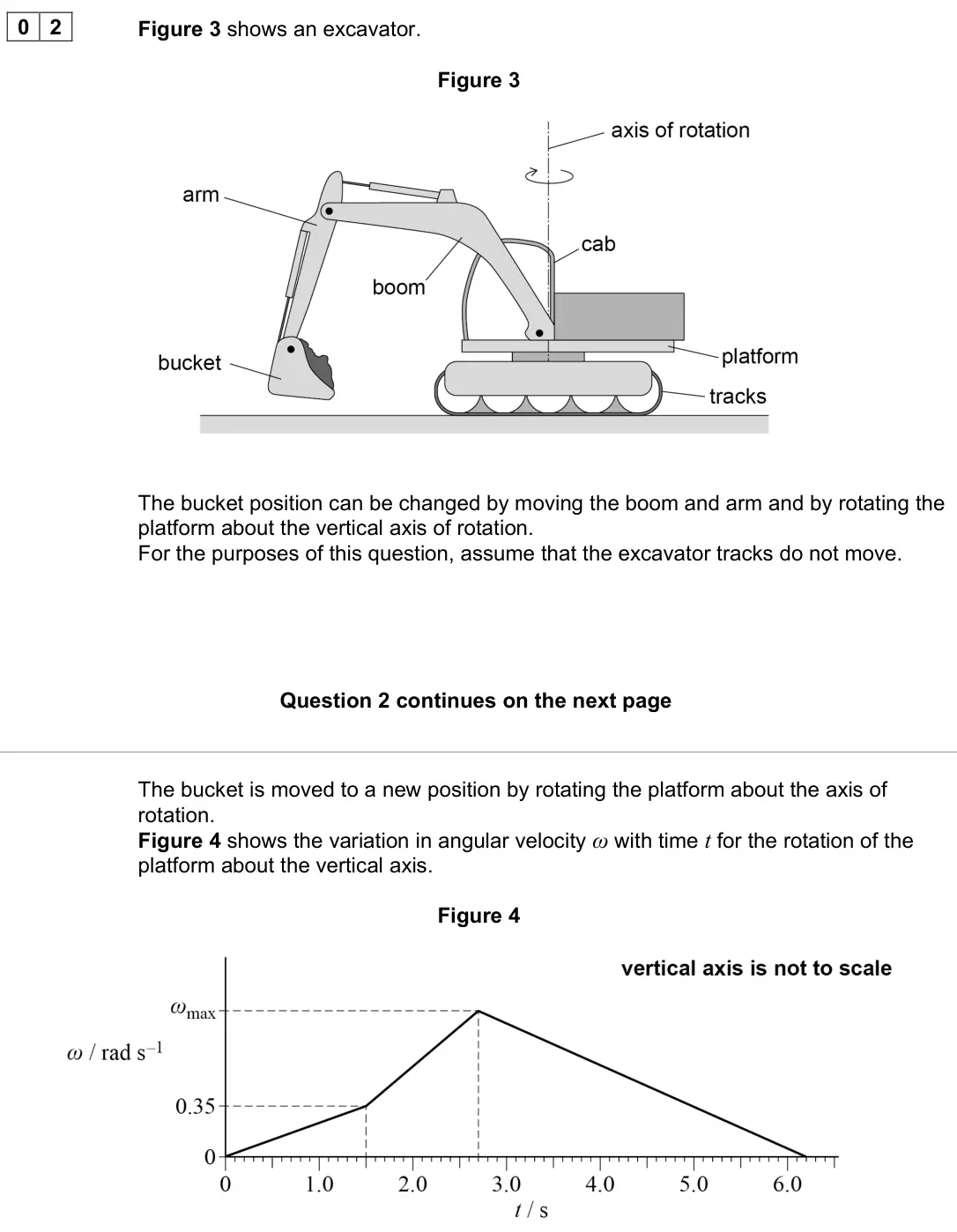
Q02.5
The whole paper ↗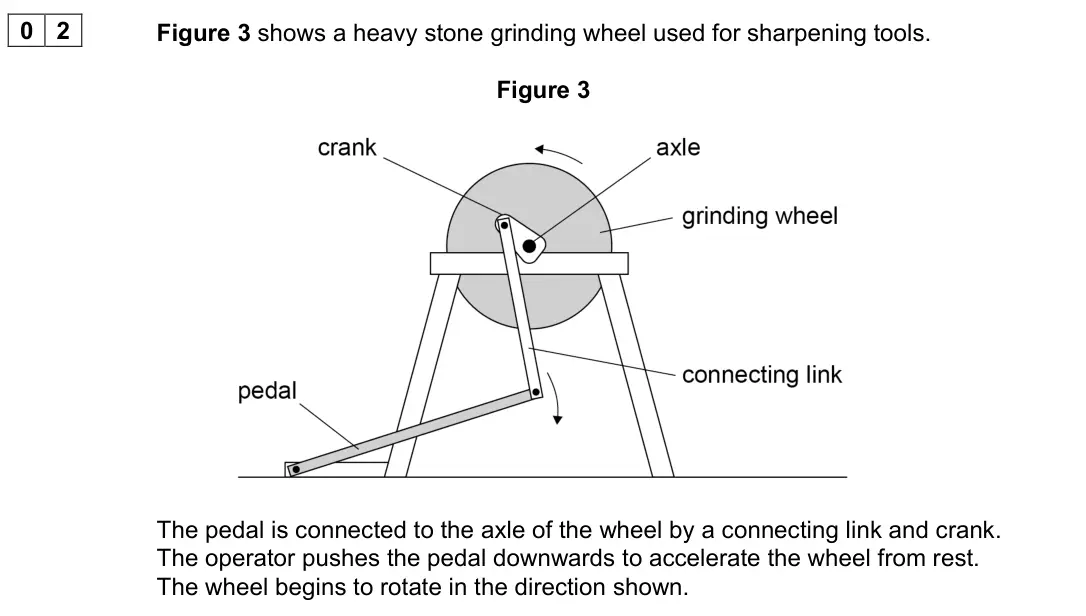
Q01.2
The whole paper ↗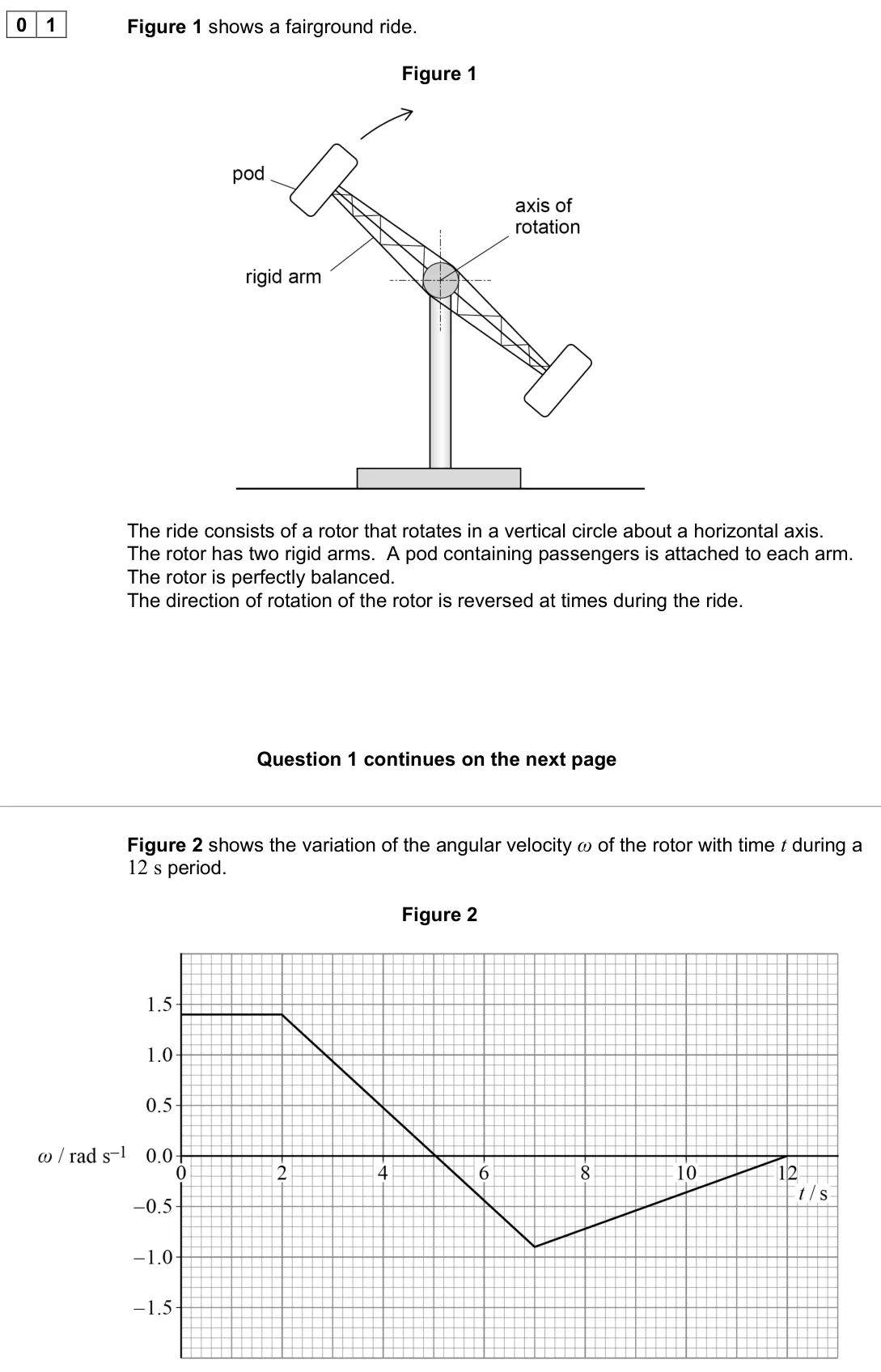
Q02.1
The whole paper ↗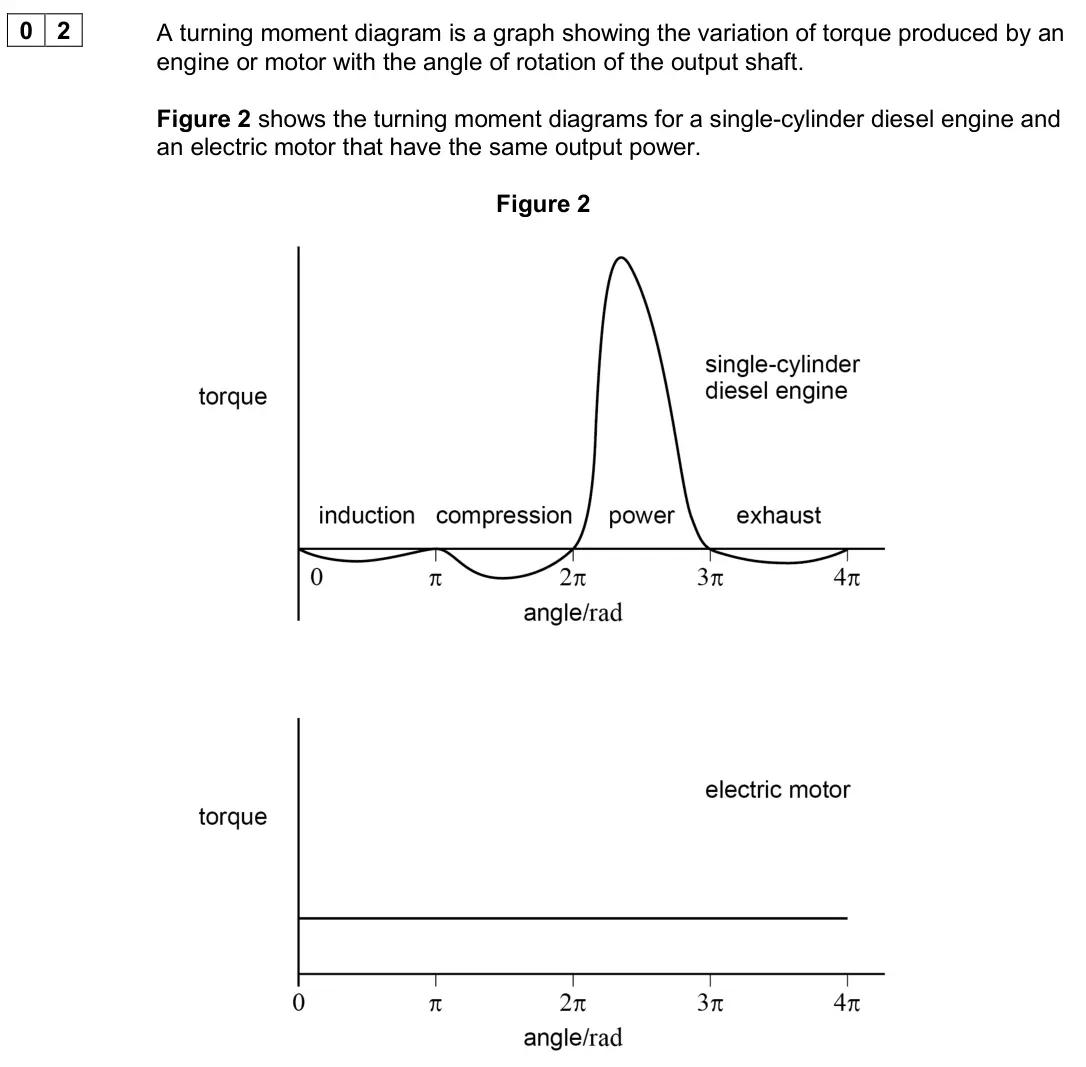
Q02.2
The whole paper ↗Q02.3
The whole paper ↗Q02.2
The whole paper ↗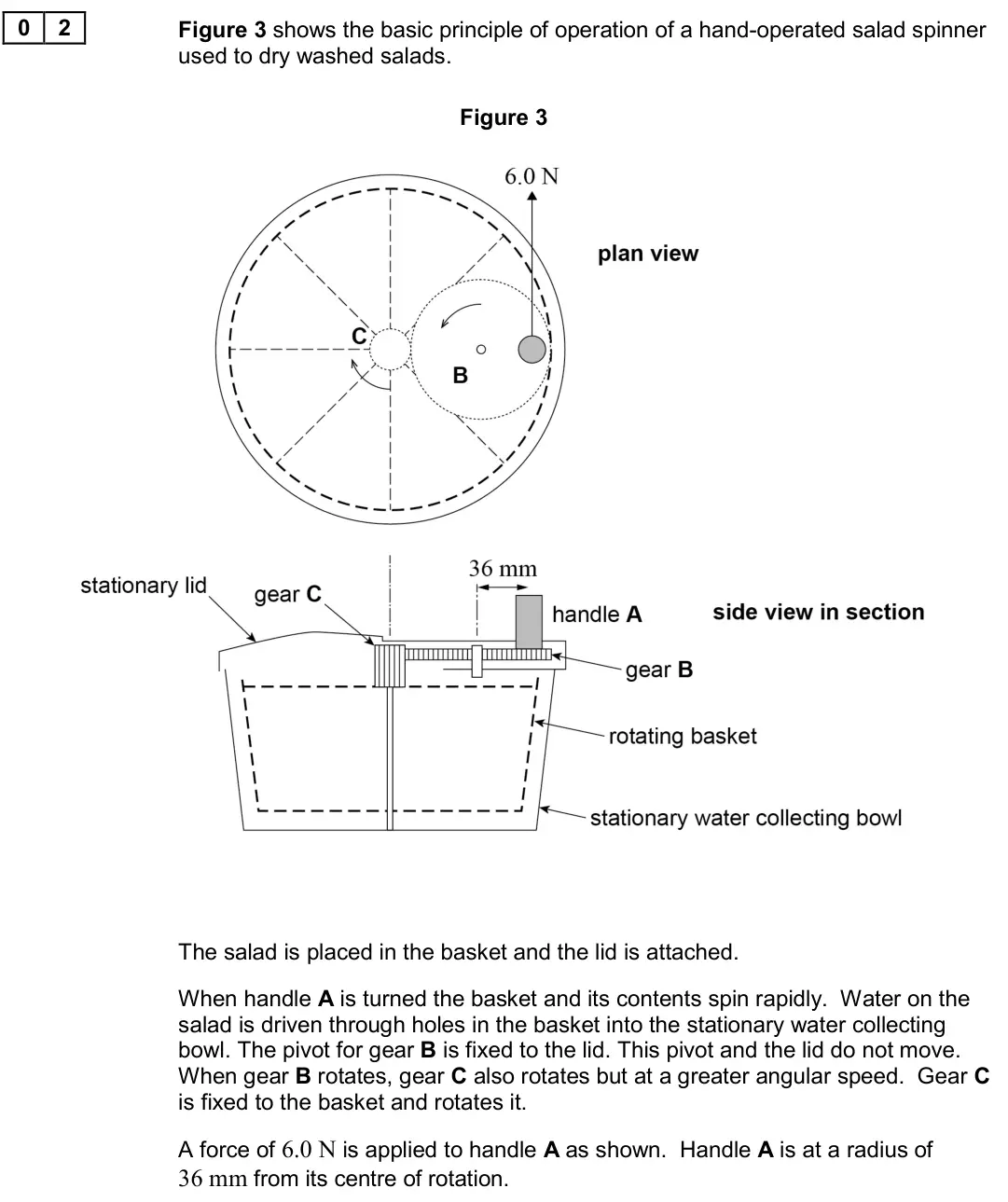
Q02.1
The whole paper ↗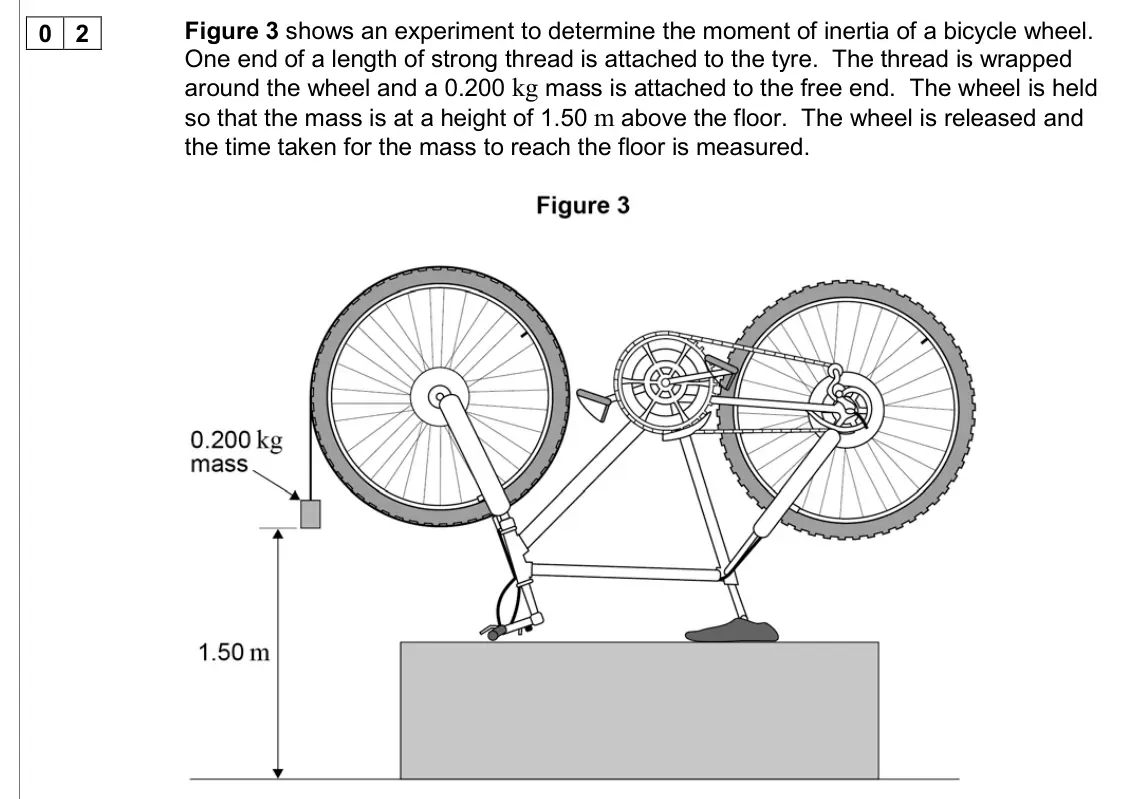
Q02.2
The whole paper ↗Q1(b)(ii)
The whole paper ↗
Q1(c)(ii)
The whole paper ↗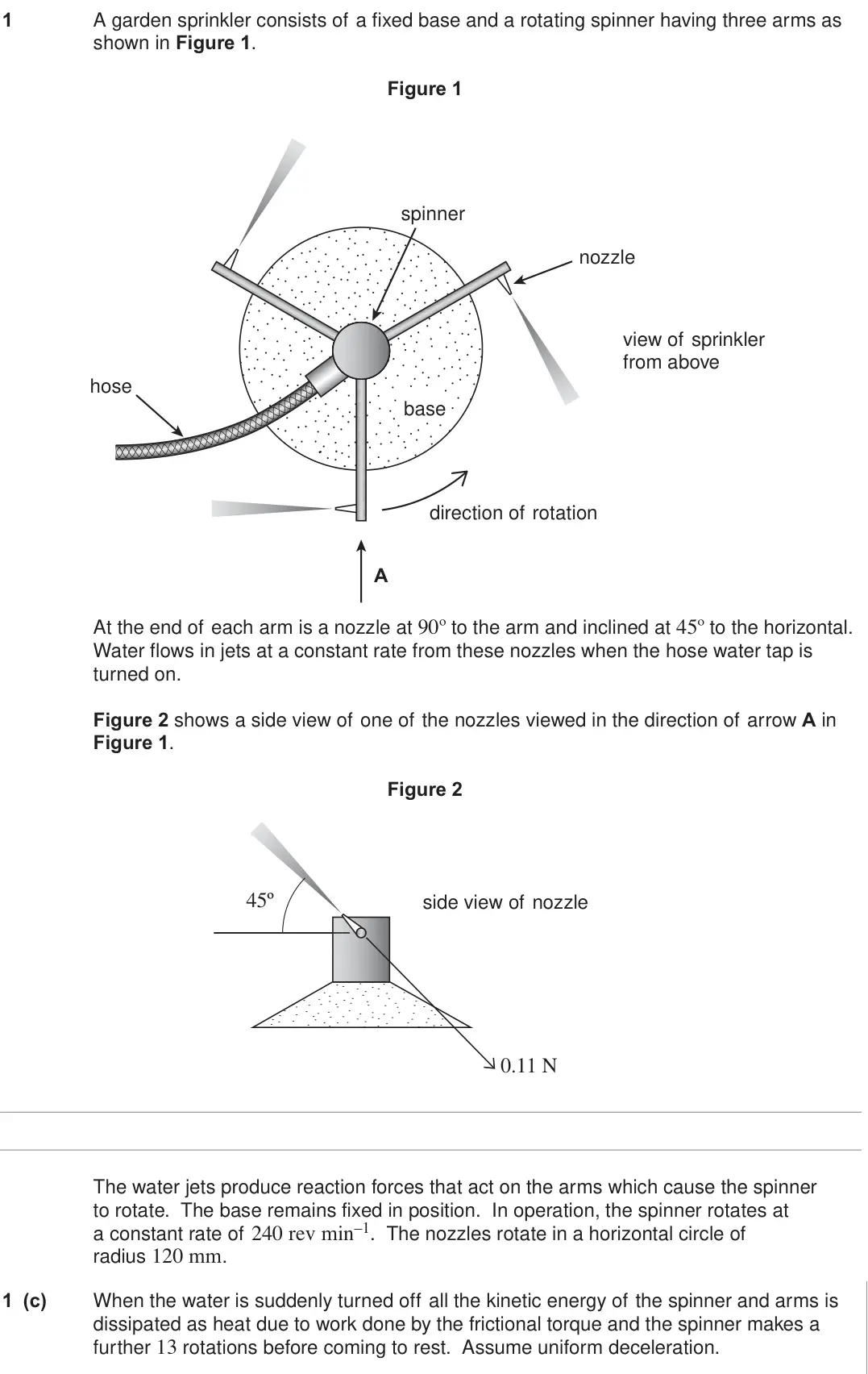
Q1(c)(ii)
The whole paper ↗
Q1(d)
The whole paper ↗Q1(b)(i)
The whole paper ↗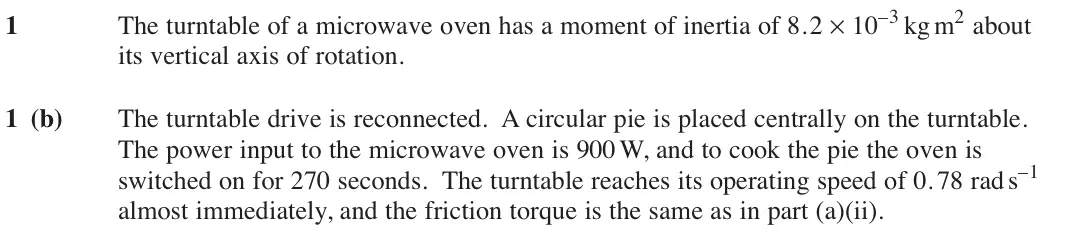
Q1(b)(ii)
The whole paper ↗Q2(a)(ii)
The whole paper ↗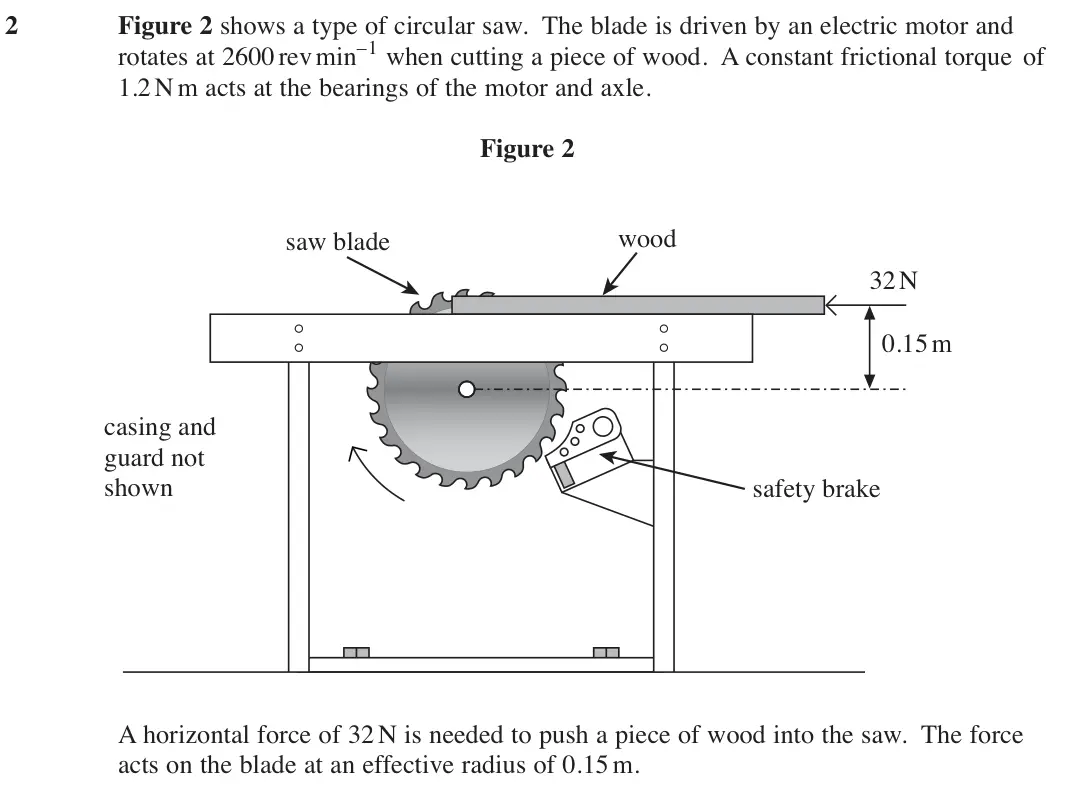
Q2(c)
The whole paper ↗Q3(a)
The whole paper ↗
Q2(b)(ii)
The whole paper ↗
Q2(b)(iv)
The whole paper ↗
All 22 questions on Work and power, as a list
- June 2024, Paper 3 Engineering physics, Q02.3 (2 marks): Deduce whether the maximum power applied to the platform occurs at the same time of 2.1 s. [2 marks]
- June 2023, Paper 3 Engineering physics, Q02.5 (3 marks): Three motors E, F and G were available to drive the wheel in Figure 4. Figure 5 shows how the torque T varies with angular speed ω for each motor. Figure 5 The
- June 2022, Paper 3 Engineering physics, Q01.2 (1 mark): Calculate the power output of the driving mechanism during the first 2 s shown in Figure 2. [1 mark] power output = W
- June 2019, Paper 3 Engineering physics, Q02.1 (1 mark): State what is represented by the area between the curve and the angle axis for a turning moment diagram. [1 mark]
- June 2018, Paper 3 Engineering physics, Q02.2 (3 marks): A student does an experiment to determine the frictional torque acting at the bearings of a steel flywheel. The flywheel has a radius of 0.075 m and is perfectl
- June 2018, Paper 3 Engineering physics, Q02.3 (3 marks): The student goes on to determine the moment of inertia of the flywheel. The magnet is removed and the flywheel is made to spin. Measurements show that the flywh
- June 2017, Paper 3 Engineering physics, Q02.2 (2 marks): Gear C rotates four times for every one revolution of gear B. Deduce whether it is possible for the torque on gear C to be greater than one quarter of the input
- Specimen, Paper 3 Engineering physics, Q02.1 (2 marks): Figure 3 shows an experiment to determine the moment of inertia of a bicycle wheel One end of a length of strong thread is attached to the tyre. The thread is w
- Specimen, Paper 3 Engineering physics, Q02.2 (3 marks): Figure 3 shows an experiment to determine the moment of inertia of a bicycle wheel One end of a length of strong thread is attached to the tyre. The thread is w
- June 2016, PHYA5 Applied physics (old spec), Q1(b)(ii) (2 marks): Calculate the power dissipated by the frictional torque acting between the spinner and the fixed base when the sprinkler is rotating at 240 rev min–1. [2 marks]
- June 2016, PHYA5 Applied physics (old spec), Q1(c)(ii) (1 mark): Show that the kinetic energy of the spinner when rotating at its operating speed is about 2 J. [1 mark]
- June 2014, PHYA5 Applied physics (old spec), Q1(c)(ii) (3 marks): A constant frictional torque of 5.2 N m acts at the bearings of the winch. Calculate the total work done by the motor to accelerate the load. Give your answer t
- June 2014, PHYA5 Applied physics (old spec), Q1(d) (2 marks): Calculate the maximum power developed by the motor. [2 marks] maximum power W Turn to page 6 for the next question
- June 2013, PHYA5 Applied physics (old spec), Q1(b)(i) (2 marks): Calculate the work done to keep the turntable rotating for 270s at a constant angular speed of 0.78rads–1 as the pie cooks. work done J (2 marks)
- June 2013, PHYA5 Applied physics (old spec), Q1(b)(ii) (2 marks): Show that the ratio energy supplied to oven work done to drive turntable is of the order of 105. (2 marks)
- June 2012, PHYA5 Applied physics (old spec), Q2(a)(ii) (3 marks): Calculate the output power of the motor when the saw is cutting the wood. answer = W (3 marks)
- June 2012, PHYA5 Applied physics (old spec), Q2(c) (2 marks): If the blade is accidentally touched when it is rotating, an electronic safety brake stops the blade in 5.0ms. This is fast enough to prevent serious injury. Th
- June 2012, PHYA5 Applied physics (old spec), Q3(a) (1 mark): State and explain how you could use Figure 4 to determine the work done by the engine in one revolution of the crankshaft. (1 mark)
- June 2011, PHYA5 Applied physics (old spec), Q2(b)(ii) (1 mark): Calculate the average power produced by the decelerating flywheel. answer = W (1 mark)
- June 2011, PHYA5 Applied physics (old spec), Q2(b)(iv) (2 marks): Calculate the number of revolutions made by the flywheel in the time of 6.6 s. answer = revolutions (2 marks)
- June 2010, PHYA5 Applied physics (old spec), Q1(c) (1 mark): Explain where the increase of rotational kinetic energy of the roundabout and children has come from. (1 mark)
- June 2010, PHYA5 Applied physics (old spec), Q2(a)(ii) (1 mark): Calculate the power required to keep the wheel rotating at 120rads–1. answer = W (1 mark)
Questions, mark schemes and examiner’s reports are © AQA, from their published past papers. Plumi isn’t affiliated with any exam board. Want whole papers? AQA A-Level Physics past papers.
The Plumi iPad app also offers exam-style questions with AI feedback on your handwritten working.