Skip to content
Try on iPad

Style

Get started

Critical analysis and evaluation: AQA A‑Level Fashion and Textiles questions

AQA A-Level Fashion and Textiles past-paper questions on 3.2.5 Critical analysis and evaluation, 2020–2025, with mark schemes and examiner’s reports where available.

Getting your paper ready…

AQA A-Level Fashion and TextilesCritical analysis and evaluation293 questions

Paper
All papers
Exam
All years
Calculations
Difficulty

Loading the full question list…
293 questions

More options
  1. Q01.1June 2025 · Paper 26 marksChallenge

    3.2.5 Critical analysis and evaluation

    1
    Setup for original question 01.1

    Loading the question setup…

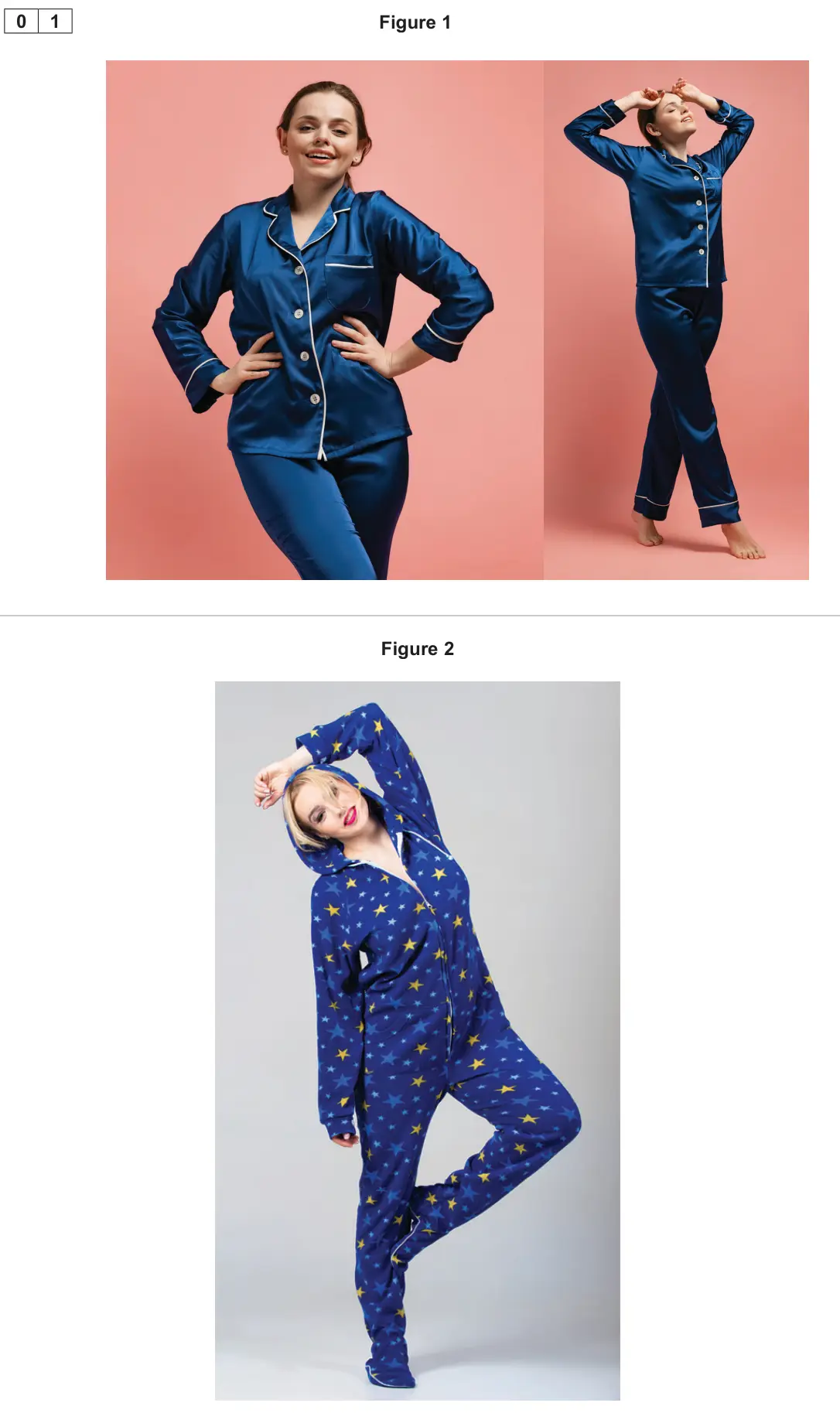
    Original question 01.1: Analyse the style of the clothing in Figure 1 and Figure 2 and evaluate their suitability for sleepwear. [6 marks] _____________________________________________

    Loading the question…

    The whole paper ↗
  2. Q01.2June 2025 · Paper 26 marksChallenge

    3.2.5 Critical analysis and evaluation

    2
    Original question 01.2: The clothing in Figure 1 is made from the following fabric:  Fibre content: silk  Fabric structure: satin weave. Analyse and evaluate the suitability of the f

    Loading the question…

    The whole paper ↗
  3. Q01.3June 2025 · Paper 26 marksChallenge

    3.2.5 Critical analysis and evaluation

    3
    Original question 01.3: The clothing in Figure 2 is made from polyester Polar fleece®. Analyse and evaluate the suitability of the fabric for sleepwear. [6 marks] _____________________

    Loading the question…

    The whole paper ↗
  4. Q02June 2025 · Paper 26 marksChallenge

    3.2.5 Critical analysis and evaluation

    4
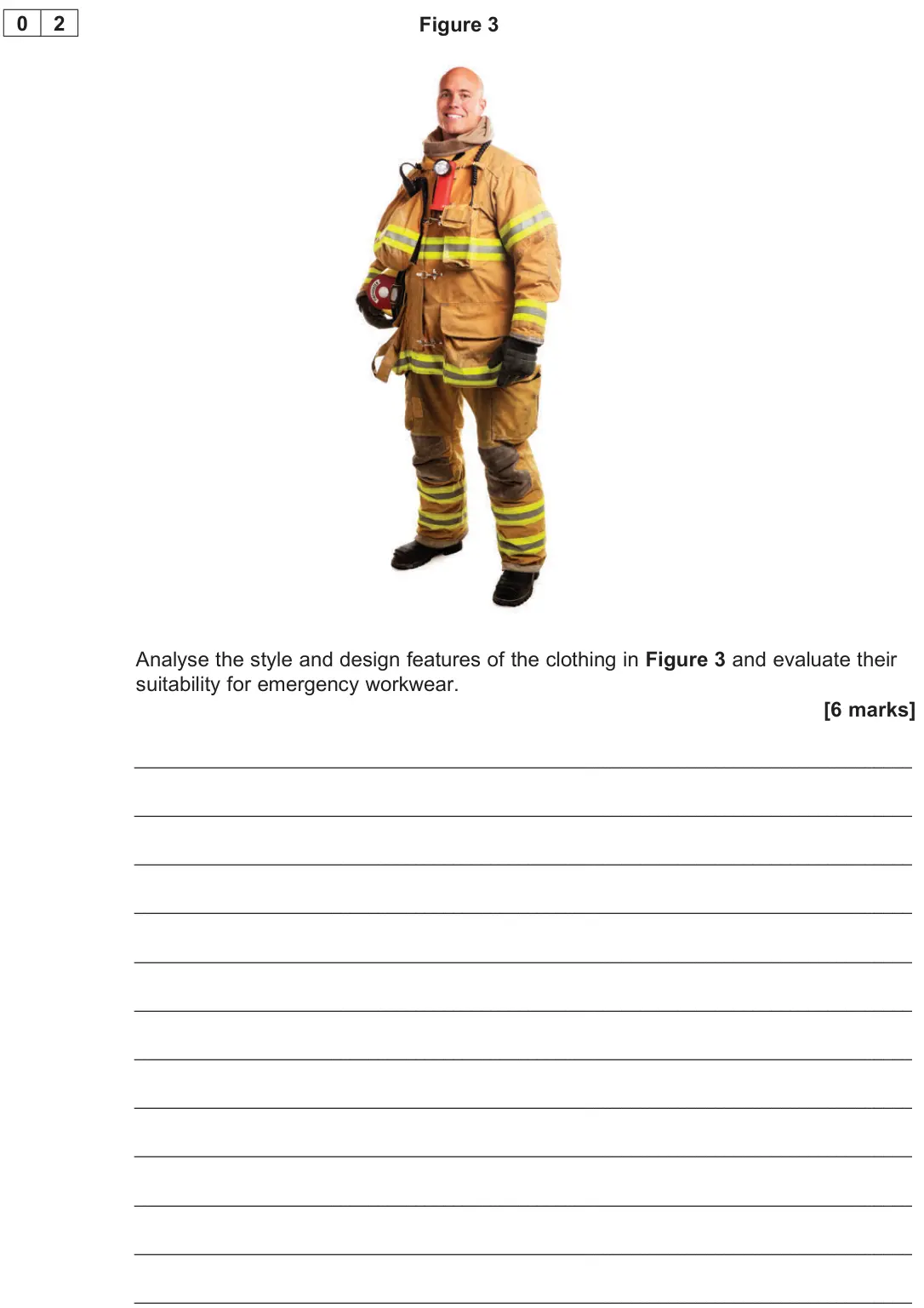
    Original question 02: Figure 3 Analyse the style and design features of the clothing in Figure 3 and evaluate their suitability for emergency workwear. [6 marks] ____________________

    Loading the question…

    The whole paper ↗
  5. Q03June 2025 · Paper 26 marksChallenge

    3.2.5 Critical analysis and evaluation

    5
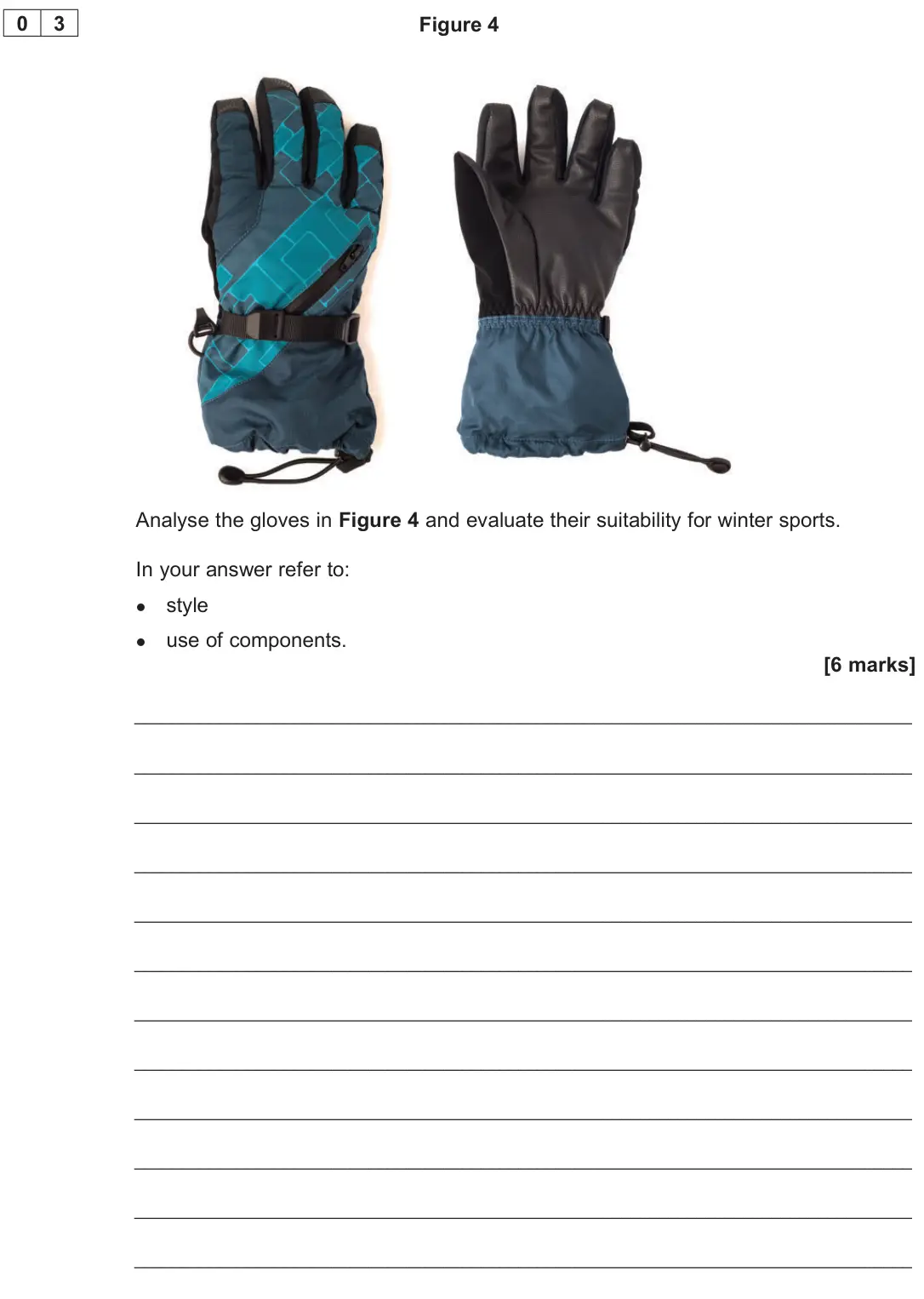
    Original question 03: Figure 4 Analyse the gloves in Figure 4 and evaluate their suitability for winter sports. In your answer refer to:   style   use of components. [6 marks] __

    Loading the question…

    The whole paper ↗
  6. Q01.1June 2024 · Paper 26 marksChallenge

    3.2.5 Critical analysis and evaluation

    6
    Setup for original question 01.1

    Loading the question setup…

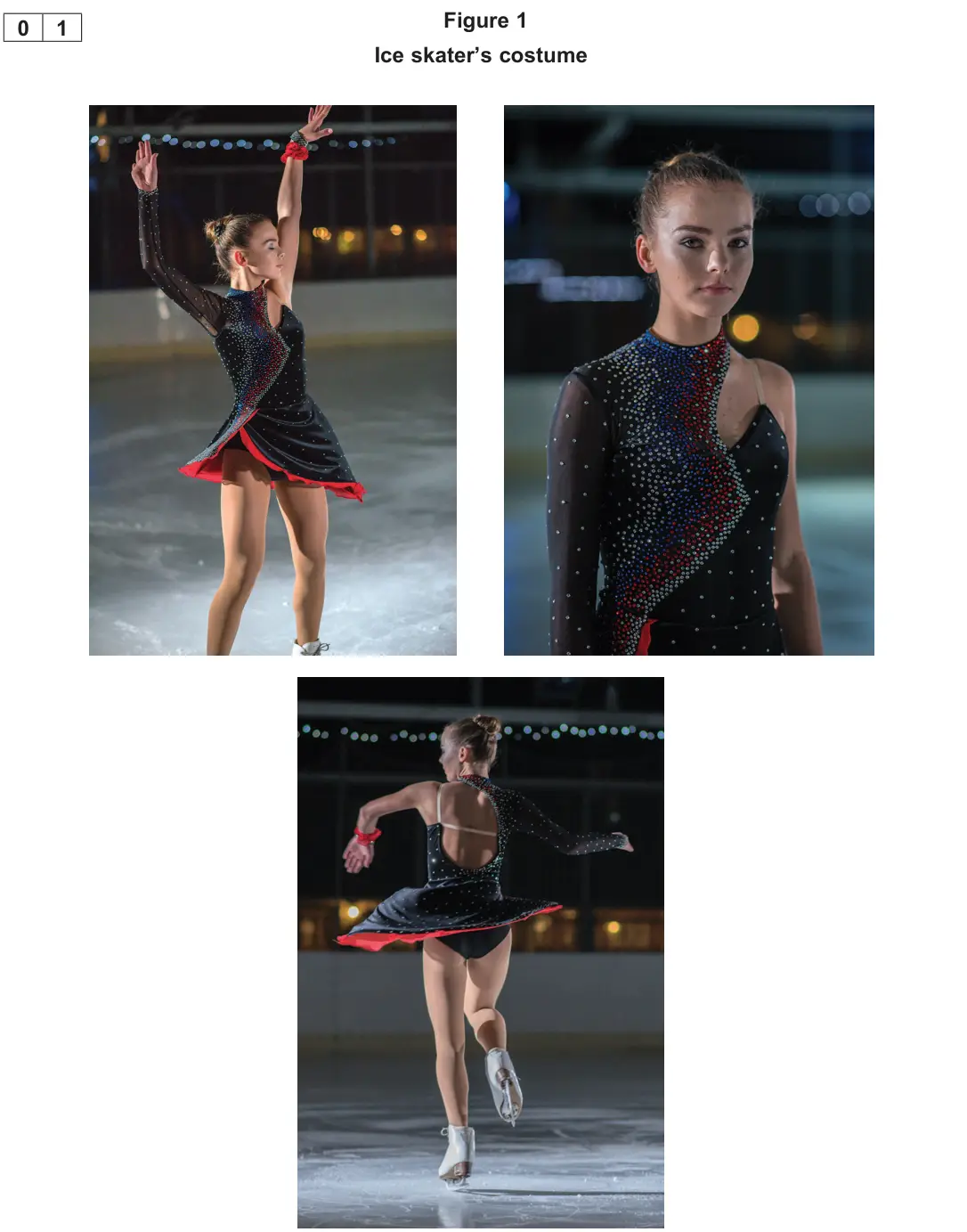
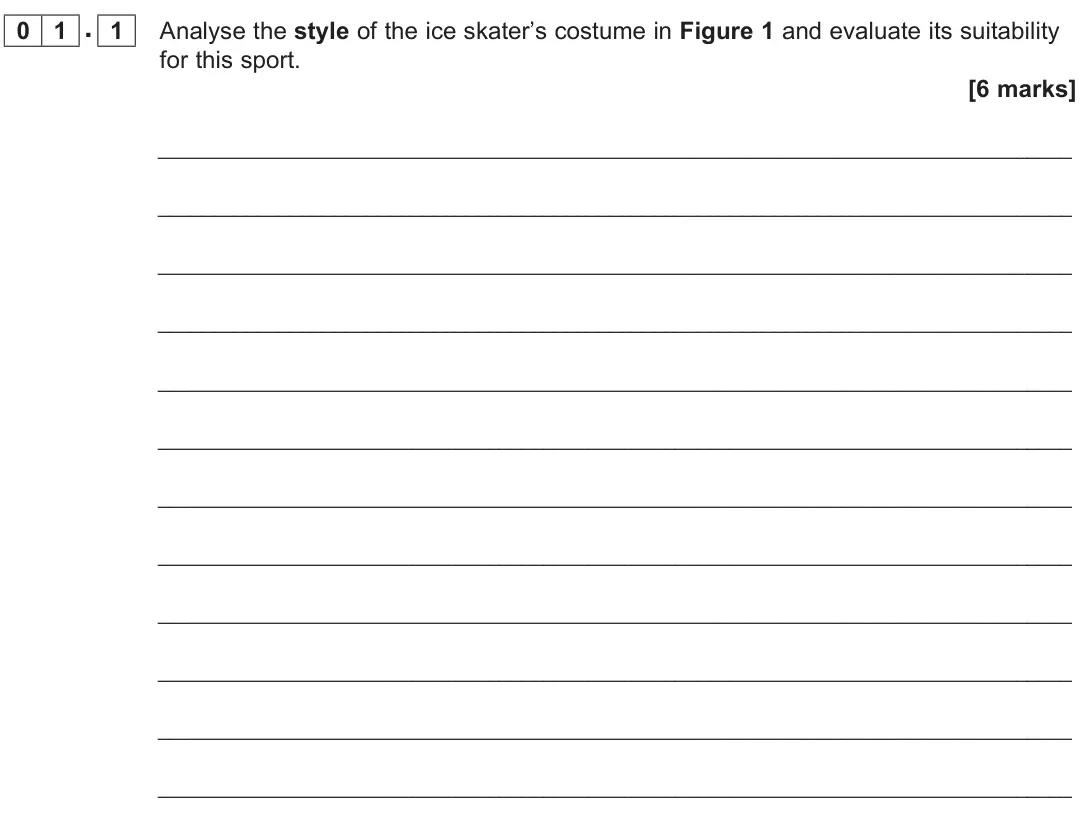
    Original question 01.1: Analyse the style of the ice skater’s costume in Figure 1 and evaluate its suitability for this sport. [6 marks] _______________________________________________

    Loading the question…

    The whole paper ↗
  7. Q01.2June 2024 · Paper 26 marksChallenge

    3.2.5 Critical analysis and evaluation

    7
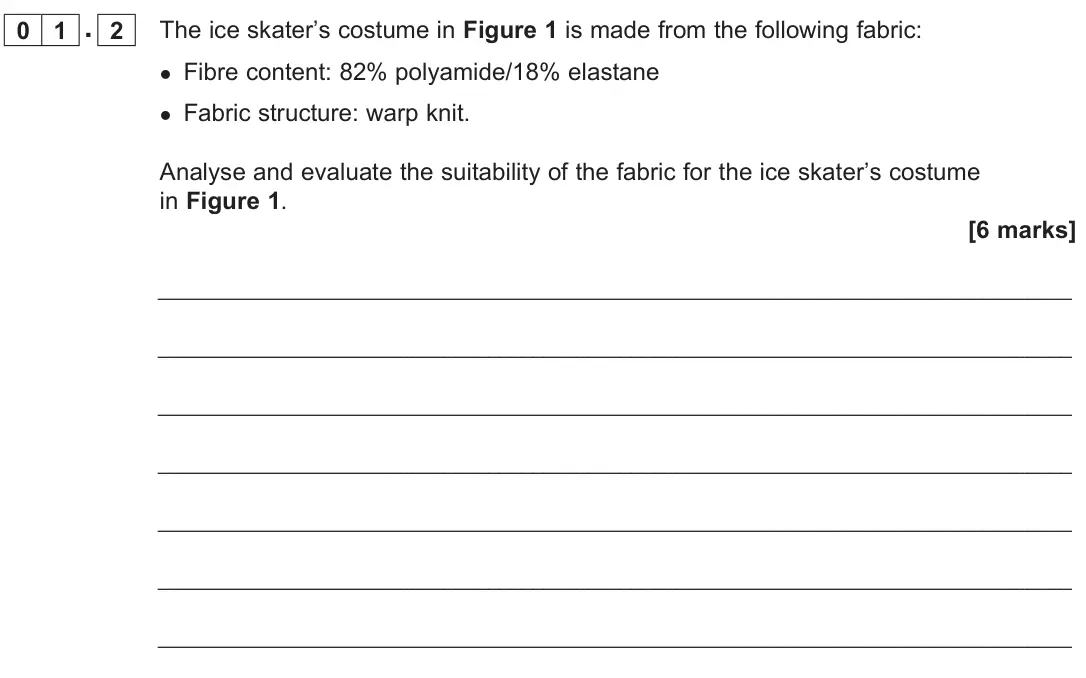
    Original question 01.2: The ice skater’s costume in Figure 1 is made from the following fabric:  Fibre content: 82% polyamide/18% elastane  Fabric structure: warp knit. Analyse and e

    Loading the question…

    The whole paper ↗
  8. Q02.2June 2024 · Paper 26 marksChallenge

    3.2.5 Critical analysis and evaluation

    8
    Setup for original question 02.2

    Loading the question setup…

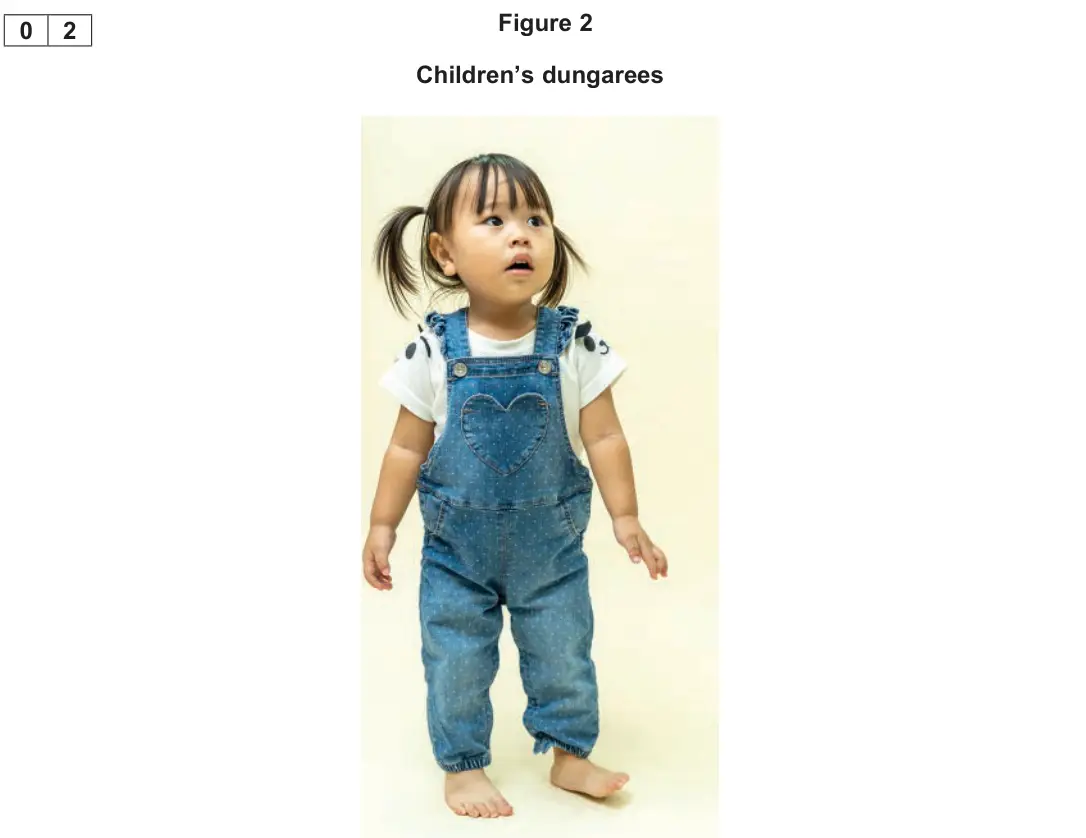
    Original question 02.2: The children’s dungarees in Figure 2 are made from 99% organic cotton and 1% elastane denim fabric. Analyse and evaluate the suitability of the fabric for child

    Loading the question…

    The whole paper ↗
  9. Q03June 2024 · Paper 26 marksChallenge

    3.2.5 Critical analysis and evaluation

    9
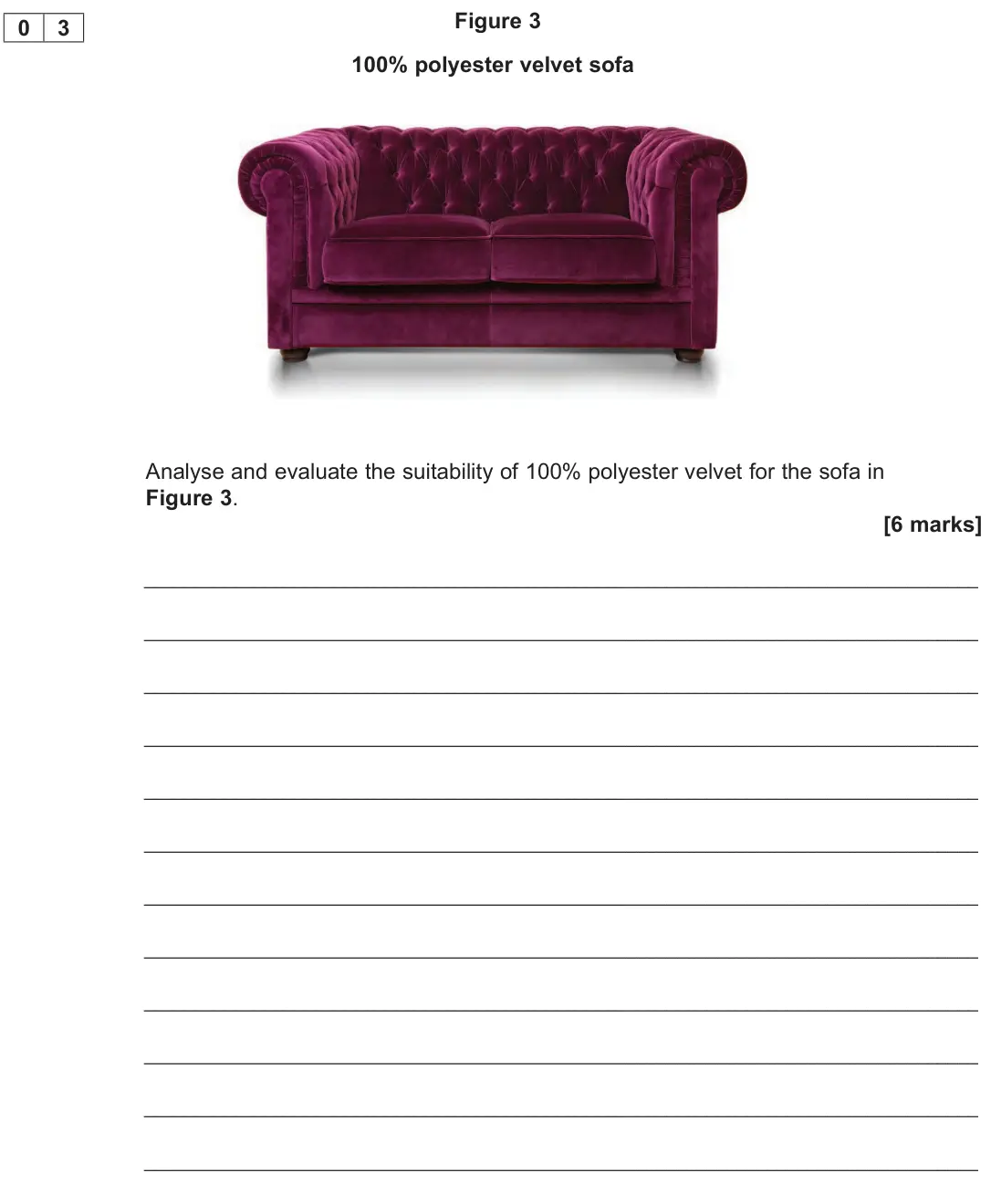
    Original question 03: Figure 3 100% polyester velvet sofa Analyse and evaluate the suitability of 100% polyester velvet for the sofa in Figure 3. [6 marks] __________________________

    Loading the question…

    The whole paper ↗
  10. Q01.2June 2023 · Paper 26 marksChallenge

    3.2.5 Critical analysis and evaluation

    10
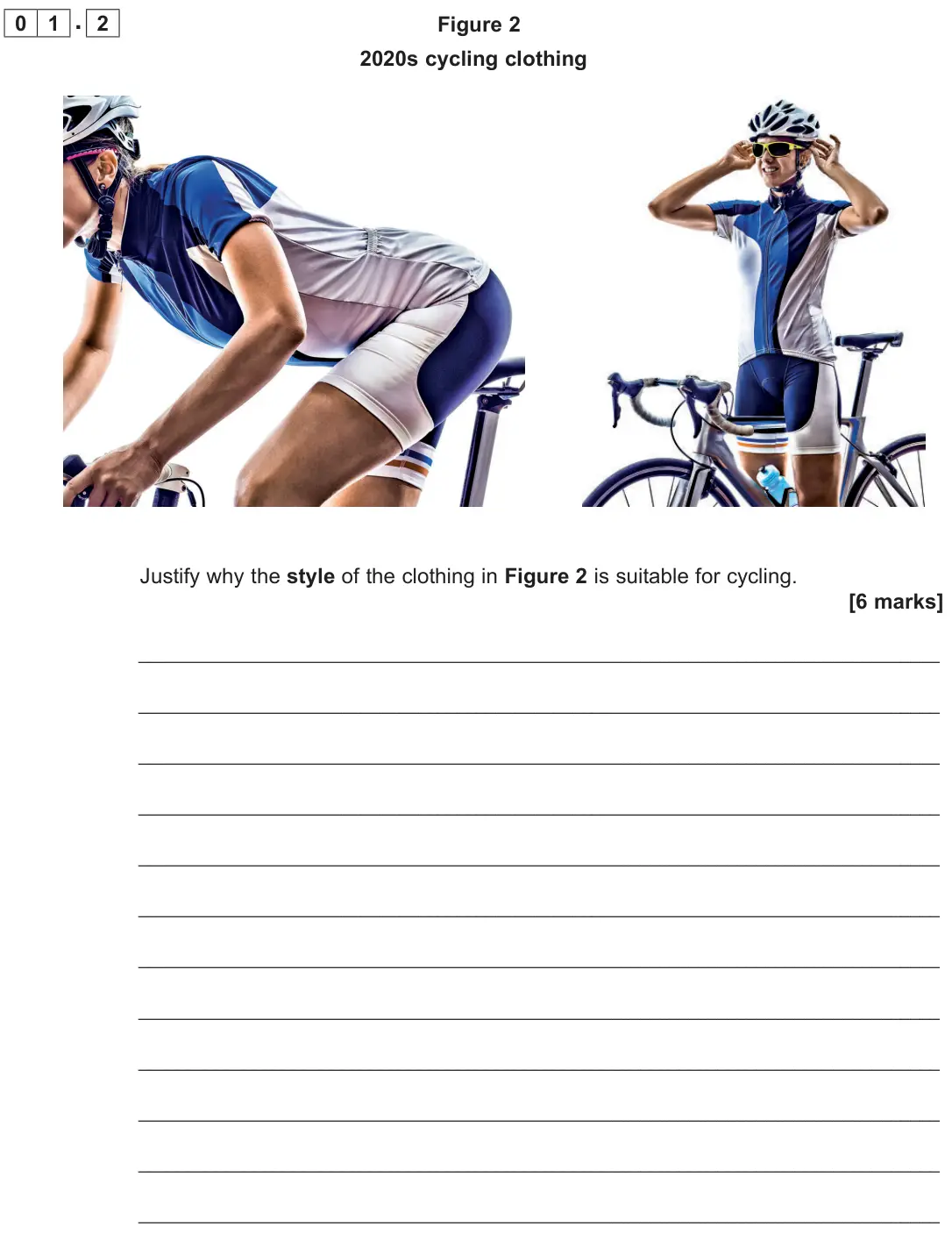
    Original question 01.2: Figure 2 2020s cycling clothing Justify why the style of the clothing in Figure 2 is suitable for cycling. [6 marks] ___________________________________________

    Loading the question…

    The whole paper ↗
  11. Q01.3June 2023 · Paper 29 marksChallenge

    3.2.5 Critical analysis and evaluation

    11
    Original question 01.3: The 1900s cycling clothing in Figure 1 is made from woven wool fabric. The 2020s cycling clothing in Figure 2 is made from polyester jersey fabric. Compare and

    Loading the question…

    The whole paper ↗
  12. Q06June 2023 · Paper 26 marksChallenge

    3.2.5 Critical analysis and evaluation

    12
    Original question 06: Third party feedback can be collected from various sources. Explain how a designer of children’s soft toys would use a range of third party feedback in product

    Loading the question…

    The whole paper ↗
  13. Q01June 2022 · Paper 26 marksChallenge

    3.2.5 Critical analysis and evaluation

    13
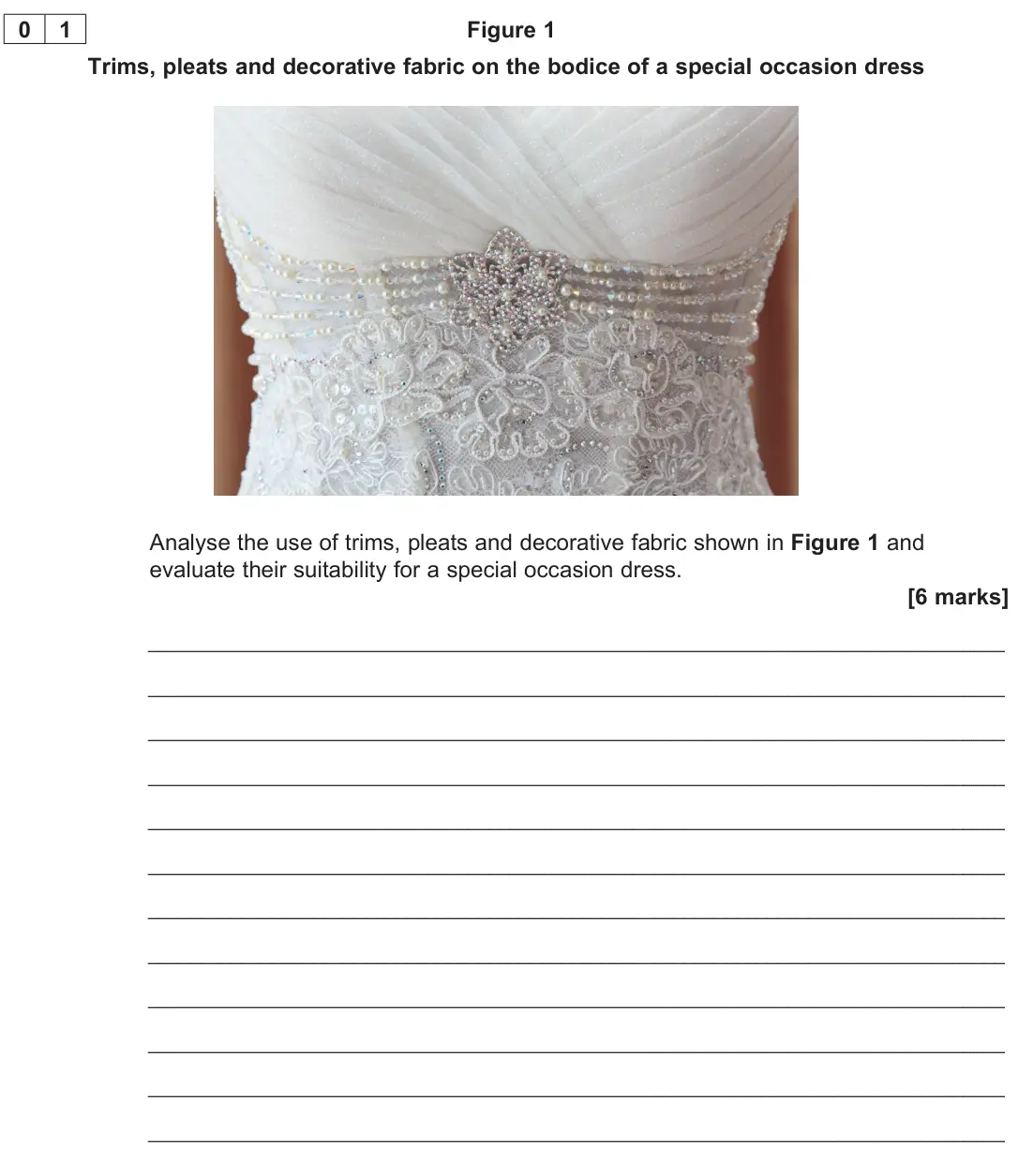
    Original question 01: Figure 1 Trims, pleats and decorative fabric on the bodice of a special occasion dress Analyse the use of trims, pleats and decorative fabric shown in Figure 1

    Loading the question…

    The whole paper ↗
  14. Q02.2June 2022 · Paper 26 marksChallenge

    3.2.5 Critical analysis and evaluation

    14
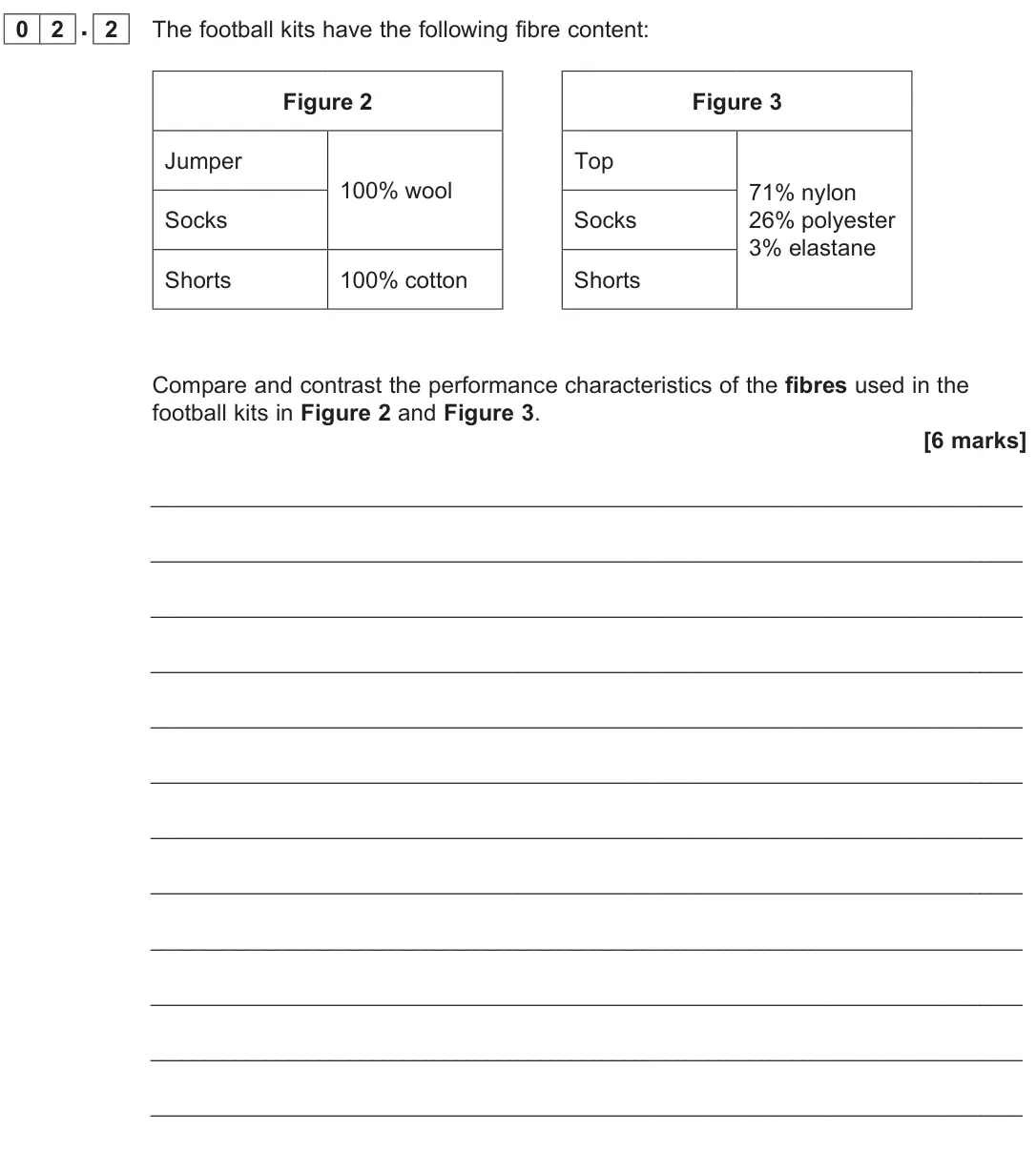
    Original question 02.2: The football kits have the following fibre content: Figure 2 Figure 3 Jumper 100% wool Top 71% nylon 26% polyester 3% elastane Socks Socks Shorts 100% cotton Sh

    Loading the question…

    The whole paper ↗
  15. Q02.3June 2022 · Paper 26 marksChallenge

    3.2.5 Critical analysis and evaluation

    15
    Original question 02.3: Justify the use of weft knitted fabric for the 1920s football kit in Figure 2. [6 marks] _______________________________________________________________________

    Loading the question…

    The whole paper ↗
  16. Q02.4June 2022 · Paper 26 marksChallenge

    3.2.5 Critical analysis and evaluation

    16
    Original question 02.4: Justify the use of warp knitted fabric for the 2020s football kit in Figure 3. [6 marks] _______________________________________________________________________

    Loading the question…

    The whole paper ↗
  17. Q03.1June 2022 · Paper 23 marksCore

    3.2.5 Critical analysis and evaluation

    17
    Original question 03.1: Give three different fabric performance tests for furnishing fabric. [3 marks] Test 1 __________________________________________________________________________

    Loading the question…

    The whole paper ↗
  18. Q01.1November 2021 · Paper 26 marksChallenge

    3.2.5 Critical analysis and evaluation

    18
    Setup for original question 01.1

    Loading the question setup…

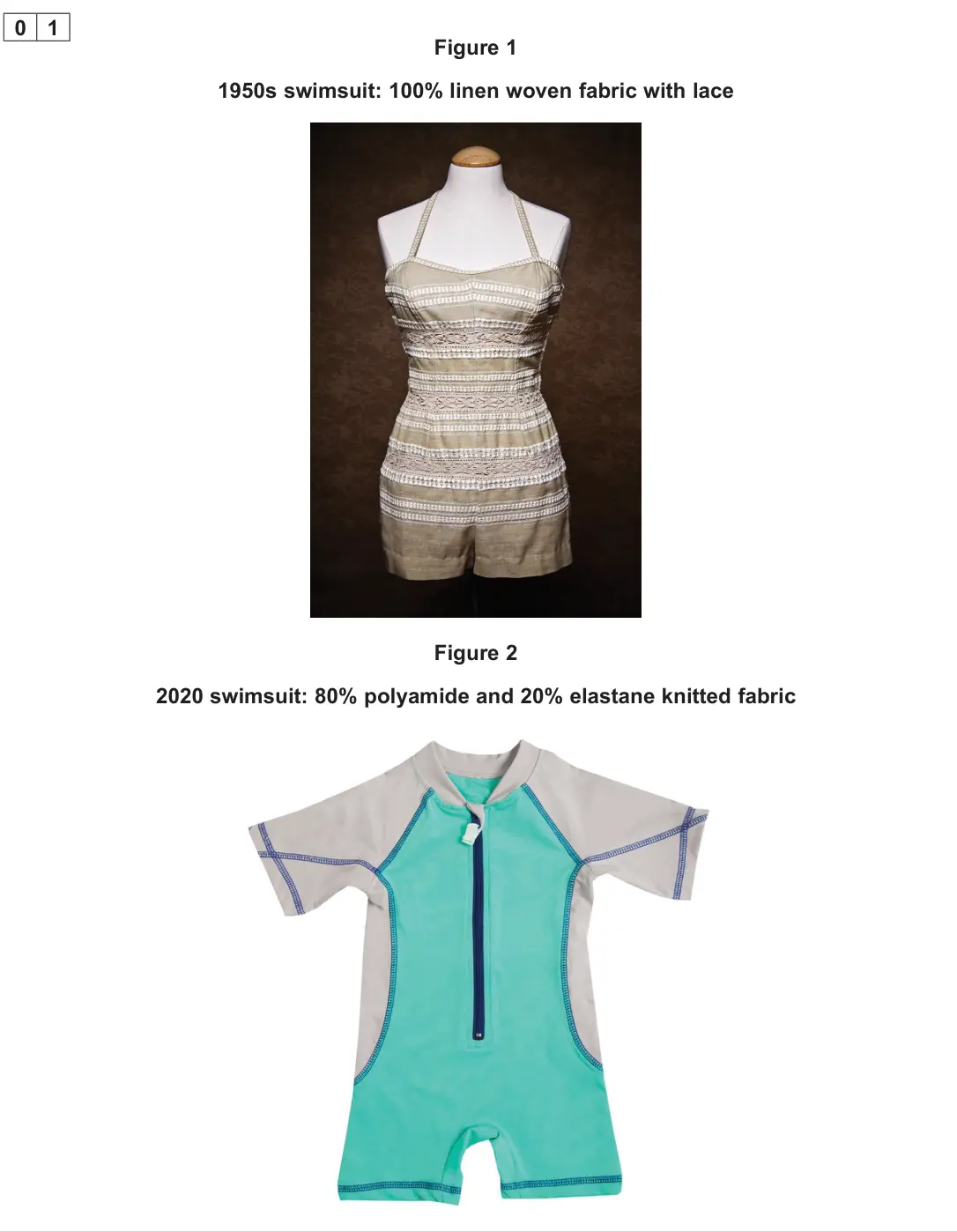
    Original question 01.1: Analyse the style of the swimsuits in Figure 1 and Figure 2 and evaluate their suitability for swimwear. [6 marks] _____________________________________________

    Loading the question…

    The whole paper ↗
  19. Q01.2November 2021 · Paper 26 marksChallenge

    3.2.5 Critical analysis and evaluation

    19
    Original question 01.2: Analyse the properties and characteristics of the swimsuit fabrics in Figure 1 and Figure 2 and evaluate their suitability for swimwear. [6 marks] _____________

    Loading the question…

    The whole paper ↗
  20. Q02.1November 2021 · Paper 26 marksChallenge

    3.2.5 Critical analysis and evaluation

    20
    Setup for original question 02.1

    Loading the question setup…

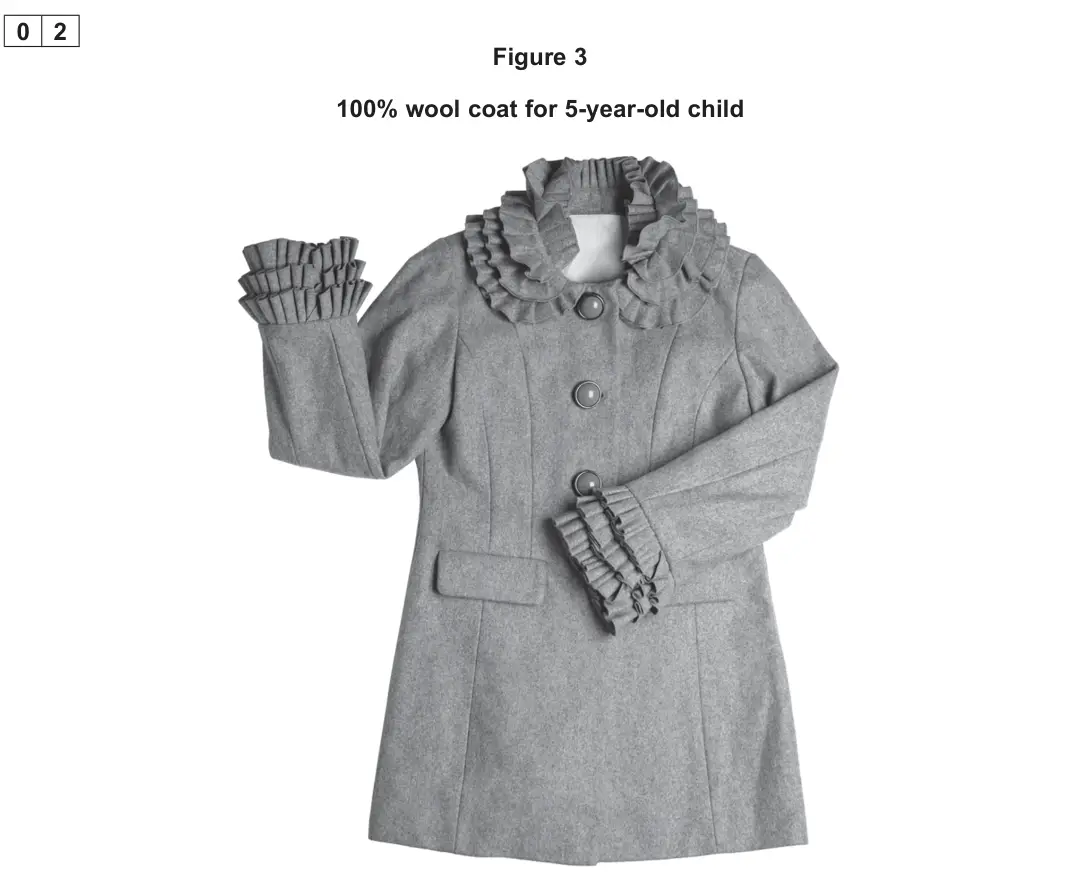
    Original question 02.1: The coat in Figure 3 is made from 100% wool. Analyse and evaluate the suitability of this fibre for a coat for a 5-year-old child. [6 marks] ___________________

    Loading the question…

    The whole paper ↗
All 27 questions on Critical analysis and evaluation, as a list
  1. June 2025, Paper 2, Q01.1 (6 marks): Analyse the style of the clothing in Figure 1 and Figure 2 and evaluate their suitability for sleepwear. [6 marks] _____________________________________________
  2. June 2025, Paper 2, Q01.2 (6 marks): The clothing in Figure 1 is made from the following fabric:  Fibre content: silk  Fabric structure: satin weave. Analyse and evaluate the suitability of the f
  3. June 2025, Paper 2, Q01.3 (6 marks): The clothing in Figure 2 is made from polyester Polar fleece®. Analyse and evaluate the suitability of the fabric for sleepwear. [6 marks] _____________________
  4. June 2025, Paper 2, Q02 (6 marks): Figure 3 Analyse the style and design features of the clothing in Figure 3 and evaluate their suitability for emergency workwear. [6 marks] ____________________
  5. June 2025, Paper 2, Q03 (6 marks): Figure 4 Analyse the gloves in Figure 4 and evaluate their suitability for winter sports. In your answer refer to:   style   use of components. [6 marks] __
  6. June 2024, Paper 2, Q01.1 (6 marks): Analyse the style of the ice skater’s costume in Figure 1 and evaluate its suitability for this sport. [6 marks] _______________________________________________
  7. June 2024, Paper 2, Q01.2 (6 marks): The ice skater’s costume in Figure 1 is made from the following fabric:  Fibre content: 82% polyamide/18% elastane  Fabric structure: warp knit. Analyse and e
  8. June 2024, Paper 2, Q02.2 (6 marks): The children’s dungarees in Figure 2 are made from 99% organic cotton and 1% elastane denim fabric. Analyse and evaluate the suitability of the fabric for child
  9. June 2024, Paper 2, Q03 (6 marks): Figure 3 100% polyester velvet sofa Analyse and evaluate the suitability of 100% polyester velvet for the sofa in Figure 3. [6 marks] __________________________
  10. June 2023, Paper 2, Q01.2 (6 marks): Figure 2 2020s cycling clothing Justify why the style of the clothing in Figure 2 is suitable for cycling. [6 marks] ___________________________________________
  11. June 2023, Paper 2, Q01.3 (9 marks): The 1900s cycling clothing in Figure 1 is made from woven wool fabric. The 2020s cycling clothing in Figure 2 is made from polyester jersey fabric. Compare and
  12. June 2023, Paper 2, Q06 (6 marks): Third party feedback can be collected from various sources. Explain how a designer of children’s soft toys would use a range of third party feedback in product
  13. June 2022, Paper 2, Q01 (6 marks): Figure 1 Trims, pleats and decorative fabric on the bodice of a special occasion dress Analyse the use of trims, pleats and decorative fabric shown in Figure 1
  14. June 2022, Paper 2, Q02.2 (6 marks): The football kits have the following fibre content: Figure 2 Figure 3 Jumper 100% wool Top 71% nylon 26% polyester 3% elastane Socks Socks Shorts 100% cotton Sh
  15. June 2022, Paper 2, Q02.3 (6 marks): Justify the use of weft knitted fabric for the 1920s football kit in Figure 2. [6 marks] _______________________________________________________________________
  16. June 2022, Paper 2, Q02.4 (6 marks): Justify the use of warp knitted fabric for the 2020s football kit in Figure 3. [6 marks] _______________________________________________________________________
  17. June 2022, Paper 2, Q03.1 (3 marks): Give three different fabric performance tests for furnishing fabric. [3 marks] Test 1 __________________________________________________________________________
  18. November 2021, Paper 2, Q01.1 (6 marks): Analyse the style of the swimsuits in Figure 1 and Figure 2 and evaluate their suitability for swimwear. [6 marks] _____________________________________________
  19. November 2021, Paper 2, Q01.2 (6 marks): Analyse the properties and characteristics of the swimsuit fabrics in Figure 1 and Figure 2 and evaluate their suitability for swimwear. [6 marks] _____________
  20. November 2021, Paper 2, Q02.1 (6 marks): The coat in Figure 3 is made from 100% wool. Analyse and evaluate the suitability of this fibre for a coat for a 5-year-old child. [6 marks] ___________________
  21. November 2021, Paper 2, Q02.2 (6 marks): Analyse and evaluate the suitability of the style of the child’s coat in Figure 3 for special occasion wear. [6 marks] _________________________________________
  22. November 2021, Paper 2, Q02.3 (6 marks): The coat in Figure 3 is lined with lightweight acetate satin fabric. Explain why this is a better choice than lightweight woven cotton fabric. [6 marks] _______
  23. November 2020, Paper 2, Q01.1 (6 marks): Compare and contrast the decorative techniques applied to the denim garments in Figure 1 and Figure 2. [6 marks] _______________________________________________
  24. November 2020, Paper 2, Q01.3 (6 marks): Analyse and evaluate the properties and characteristics of a shirt made from cotton denim. [6 marks] ___________________________________________________________
  25. Specimen, Paper 2, Q01.1 (6 marks): Figure 1 1 . 1 The trench coat in Figure 1 is a modern day version of a garment which was originally designed for soldiers in the early 20th century. The garmen
  26. Specimen, Paper 2, Q01.3 (6 marks): Figure 1 1 . 3 The epaulettes and storm shield are labelled in Figure 2. They are still a feature of the modern day trench coat. Explain the reasons for keeping
  27. Specimen, Paper 2, Q01.4 (6 marks): Figure 1 1 . 4 The lining of the modern day trench coat is made from a plain weave polyamide fabric. Evaluate why this fabric has been chosen for the lining. [6

Questions, mark schemes and examiner’s reports are © AQA, from their published past papers. Plumi isn’t affiliated with any exam board. Want whole papers? AQA A-Level Fashion and Textiles past papers.

The Plumi iPad app also offers exam-style questions with AI feedback on your handwritten working.