Skip to content
Android waitlistTry on iPad
Get started

AD/AS analysis: Eduqas A‑Level Economics questions

Eduqas A-Level Economics past-paper questions on AD/AS analysis, 2016–2025, with mark schemes and examiner’s reports where available.

Paper
All papers
Exam
All years
Calculations

Loading the full question list…

678 questions

  1. Q15

    June 2025 · Component 1

    The whole paper ↗
    1
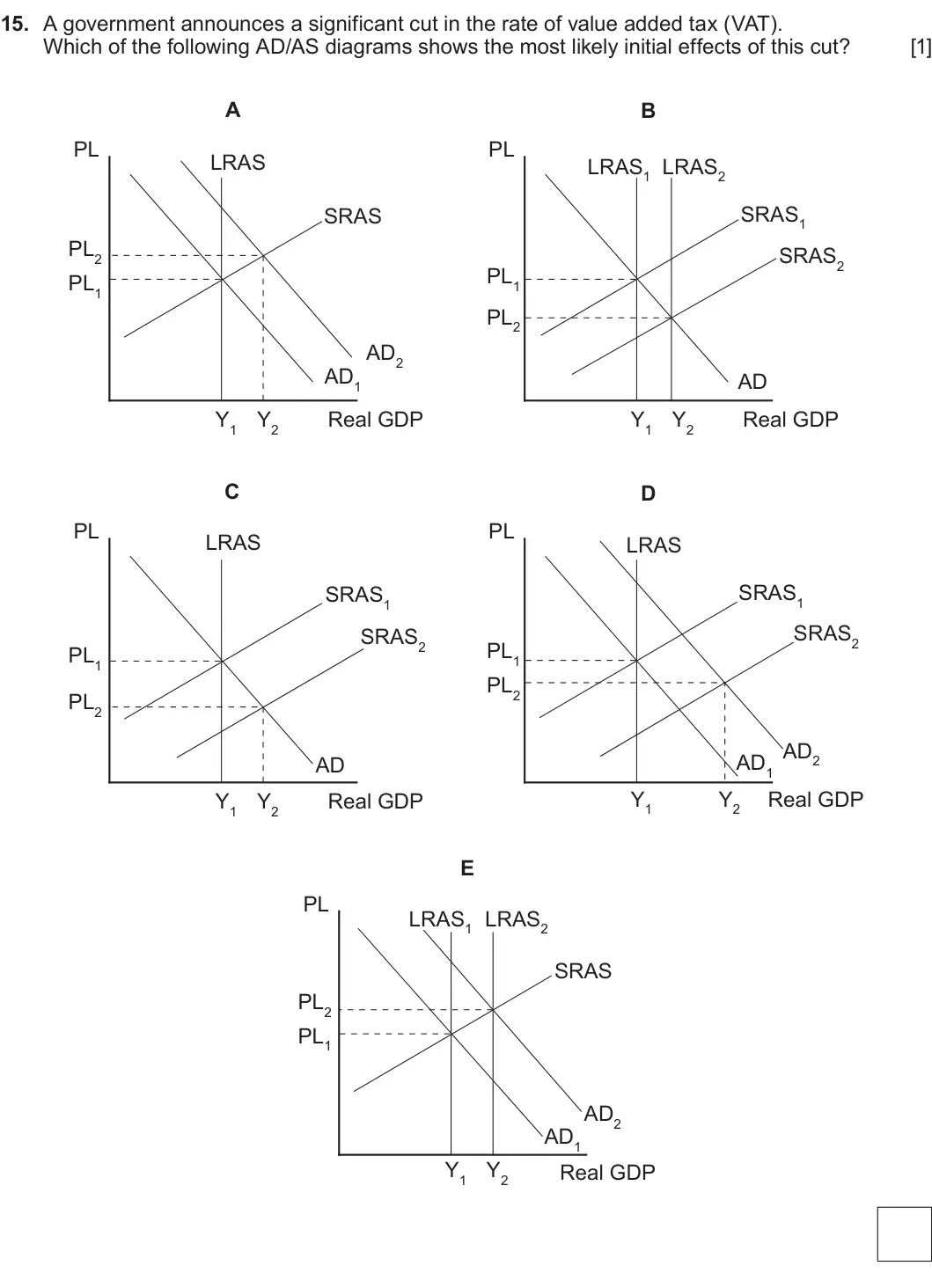
    Original question 15: A government announces a significant cut in the rate of value added tax (VAT).

    Loading the question…

    Your answer
  2. Q1(d)

    June 2025 · AS Component 2

    The whole paper ↗
    2
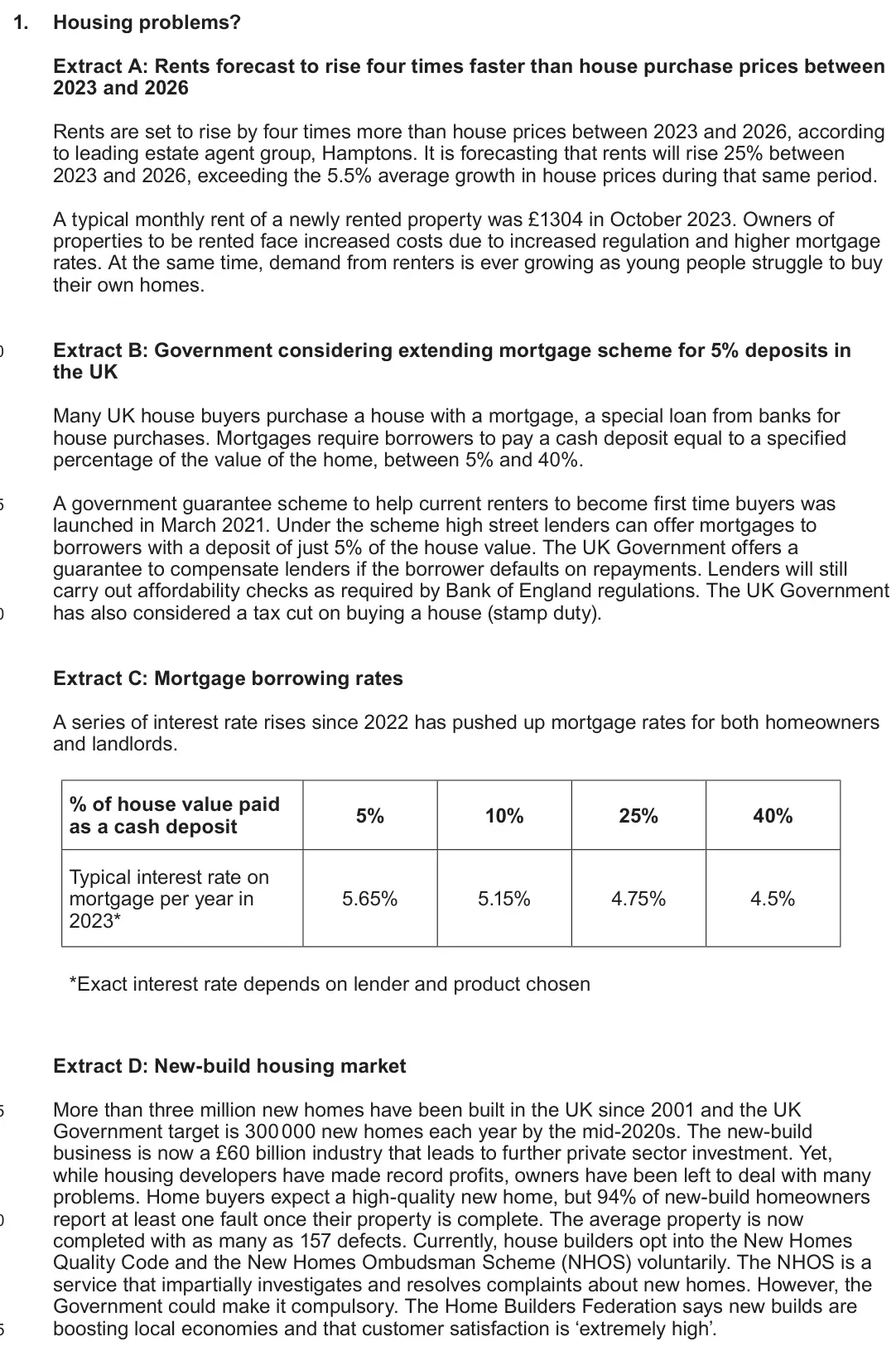
    Setup for original question 1(d)

    Loading the question setup…

    Original question 1(d): Using the data, discuss whether making homes easier to buy is beneficial to the UK

    Loading the question…

  3. Q6

    June 2024 · AS Component 1

    The whole paper ↗
    3
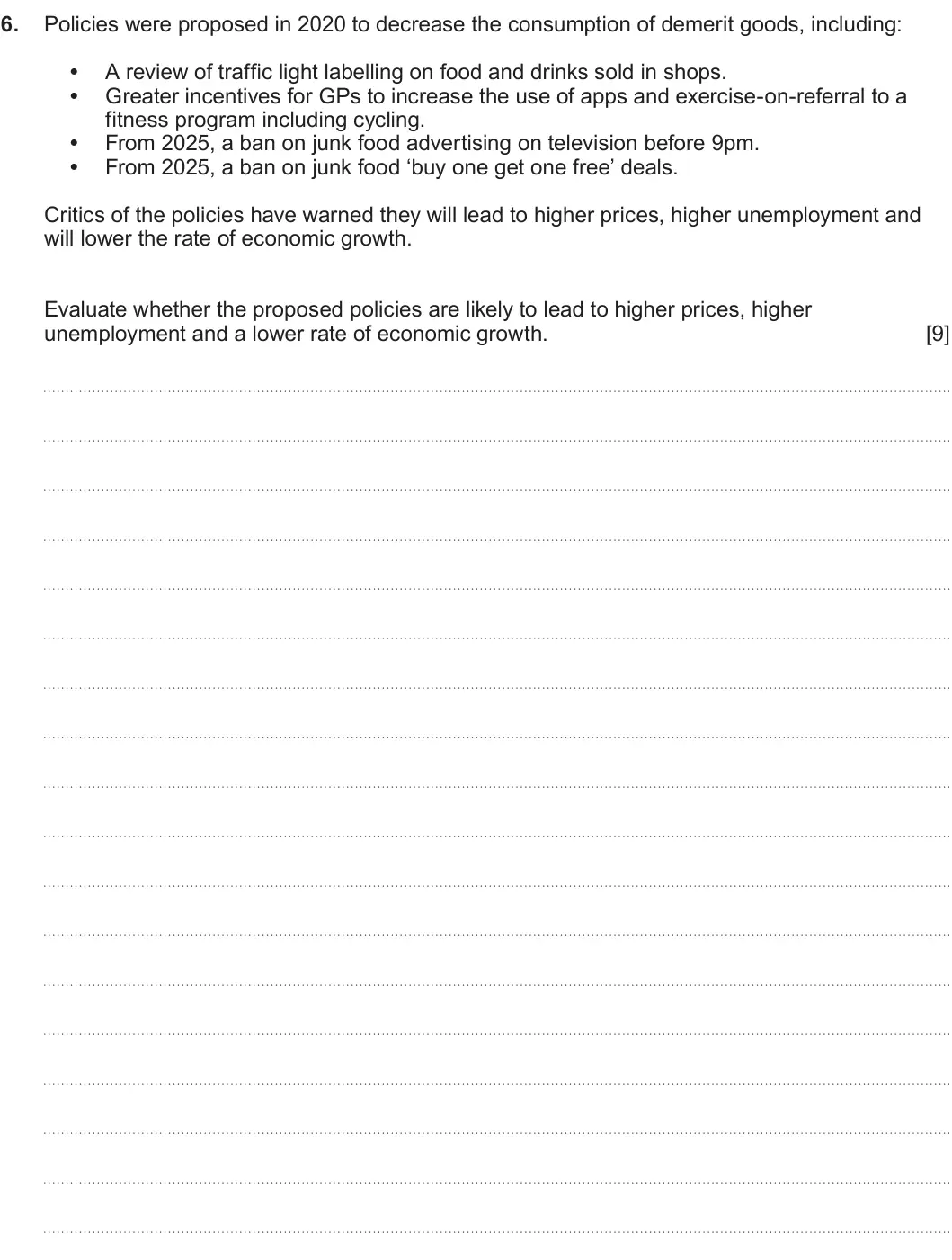
    Original question 6: Policies were proposed in 2020 to decrease the consumption of demerit goods, including:

    Loading the question…

  4. Q1(e)(ii)

    June 2024 · AS Component 2

    The whole paper ↗
    4
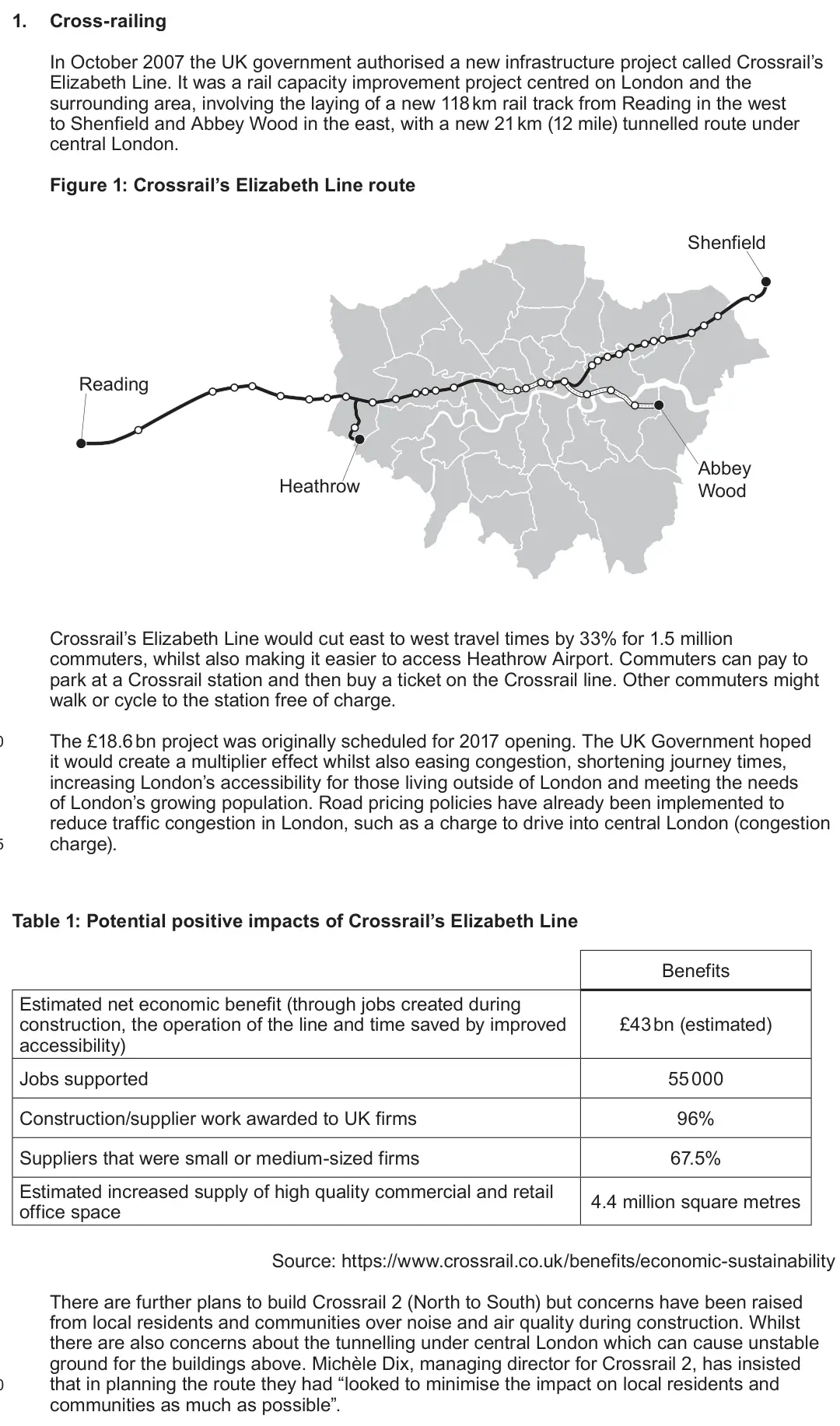
    Setup for original question 1(e)(ii)

    Loading the question setup…

    Original question 1(e)(ii): Using the data, assess the extent to which the building of Crossrail would be

    Loading the question…

  5. Q1(f)

    June 2023 · Component 2

    The whole paper ↗
    5
    Setup for original question 1(f)

    Loading the question setup…

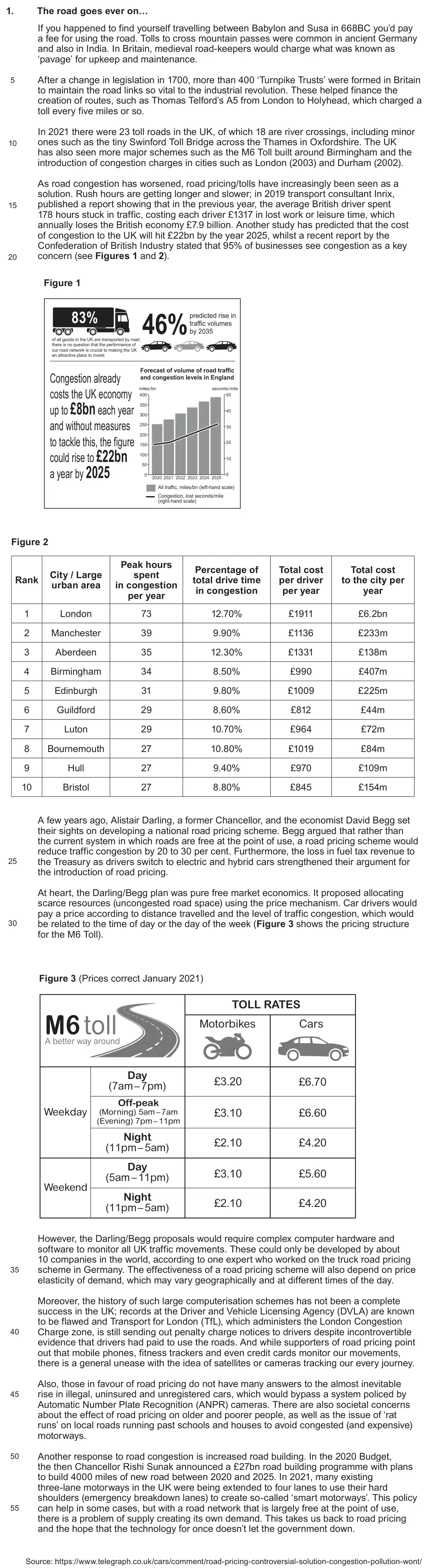
    Original question 1(f): With the aid of an AD/AS diagram and with reference to the data, discuss how beneficial

    Loading the question…

  6. Q6

    Autumn 2021 · Component 1

    The whole paper ↗
    6
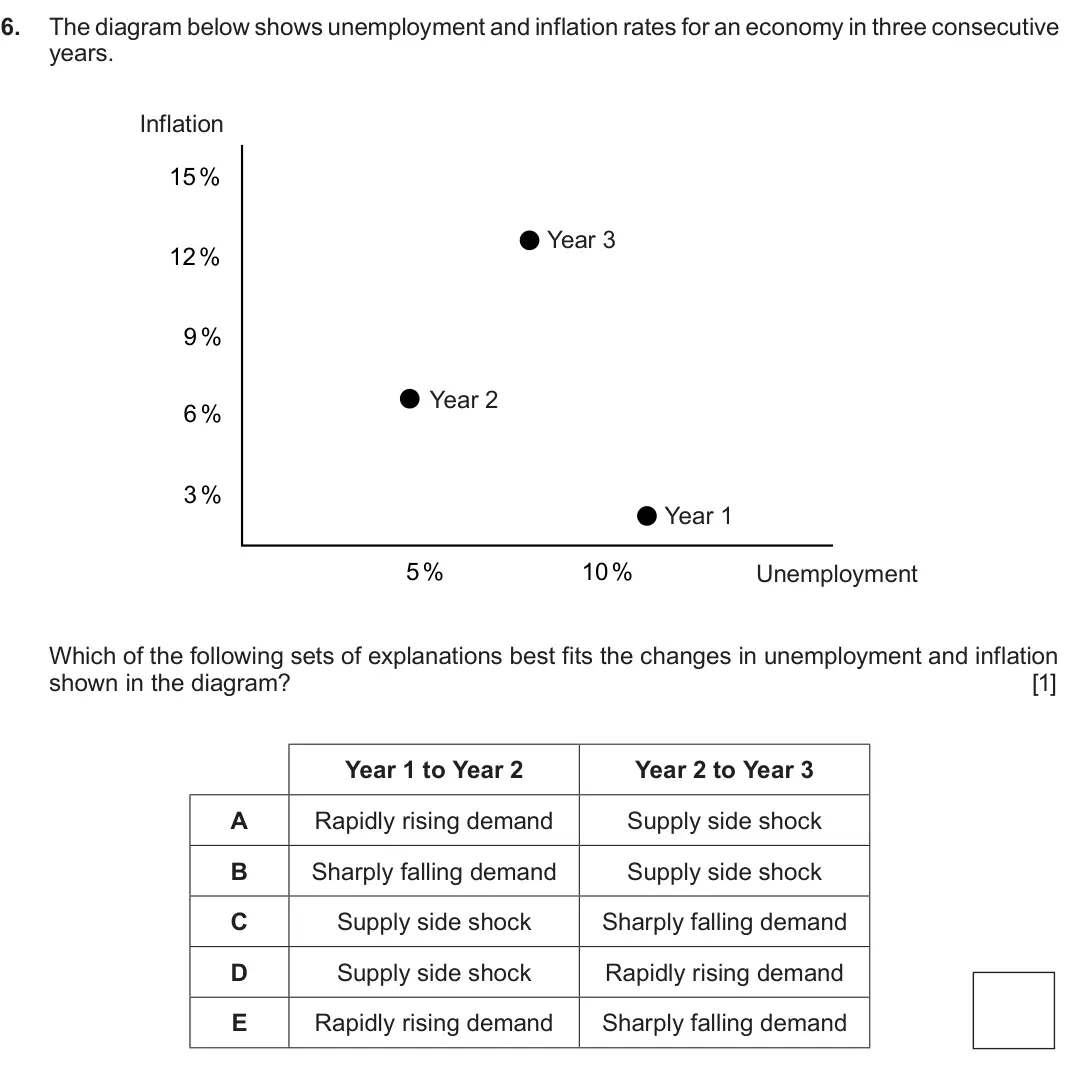
    Original question 6: The diagram below shows unemployment and inflation rates for an economy in three consecutive

    Loading the question…

    Your answer
  7. Q22

    Autumn 2021 · Component 1

    The whole paper ↗
    7
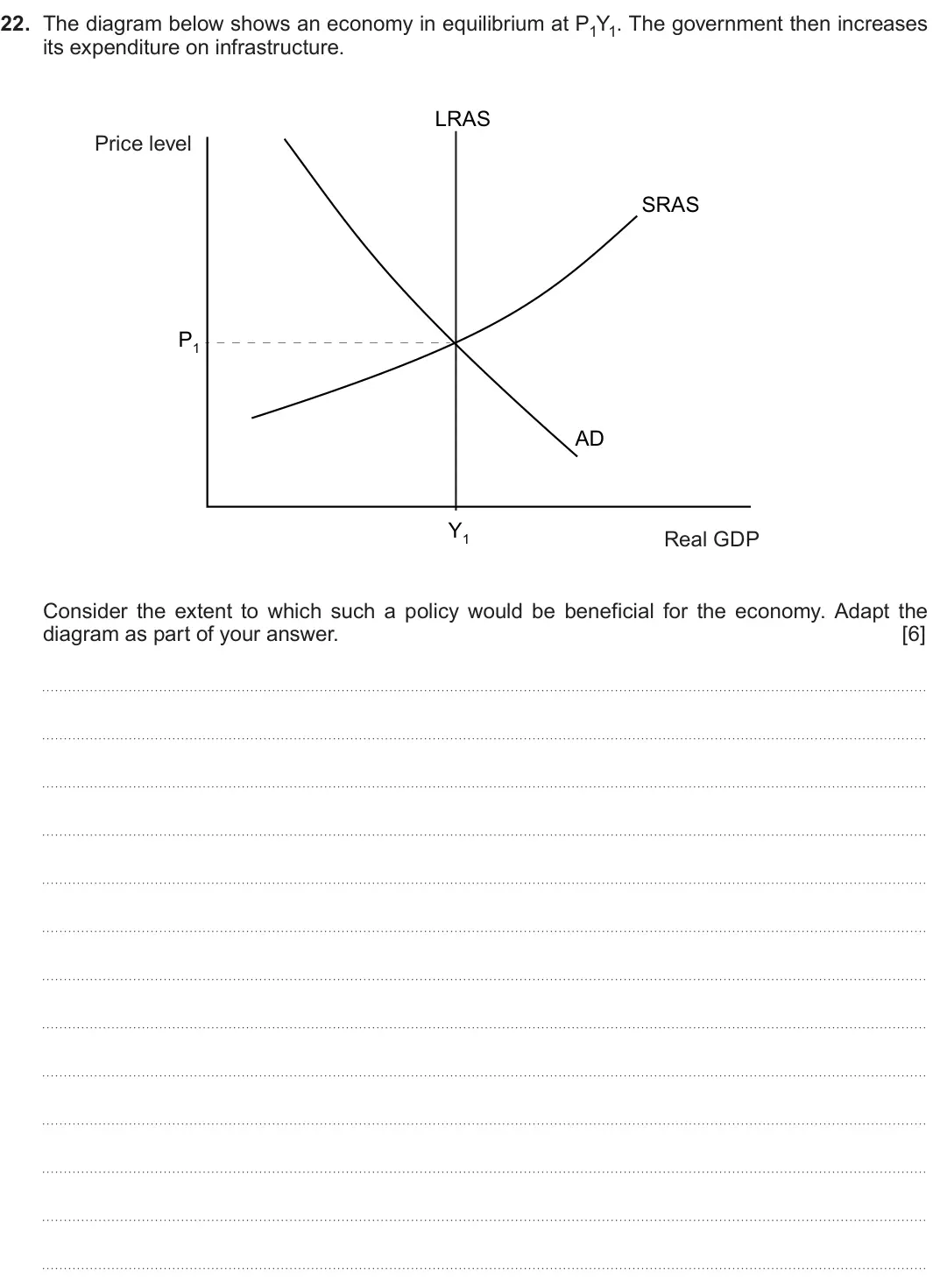
    Original question 22: The diagram below shows an economy in equilibrium at P1Y1. The government then increases

    Loading the question…

  8. Q6

    Autumn 2020 · Component 1

    The whole paper ↗
    8
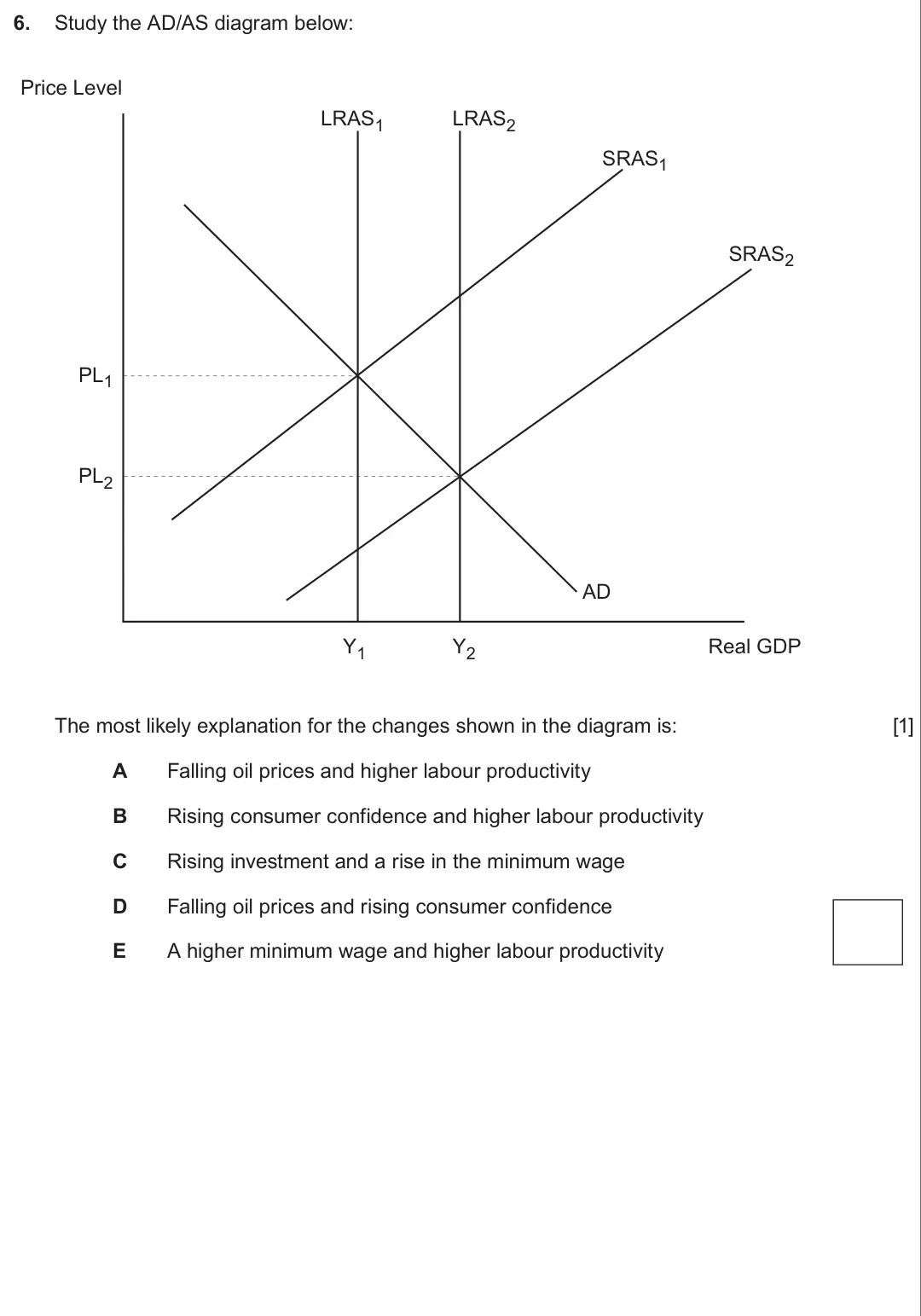
    Original question 6: Study the AD/AS diagram below:

    Loading the question…

    Your answer
  9. Q4(b)

    June 2019 · Component 3

    The whole paper ↗
    9
    Setup for original question 4(b)

    Loading the question setup…

    Original question 4(b): Discuss the extent to which economies are likely to recover quickly from negative demand

    Loading the question…

  10. Q1(d)

    June 2018 · AS Component 2

    The whole paper ↗
    10
    Setup for original question 1(d)

    Loading the question setup…

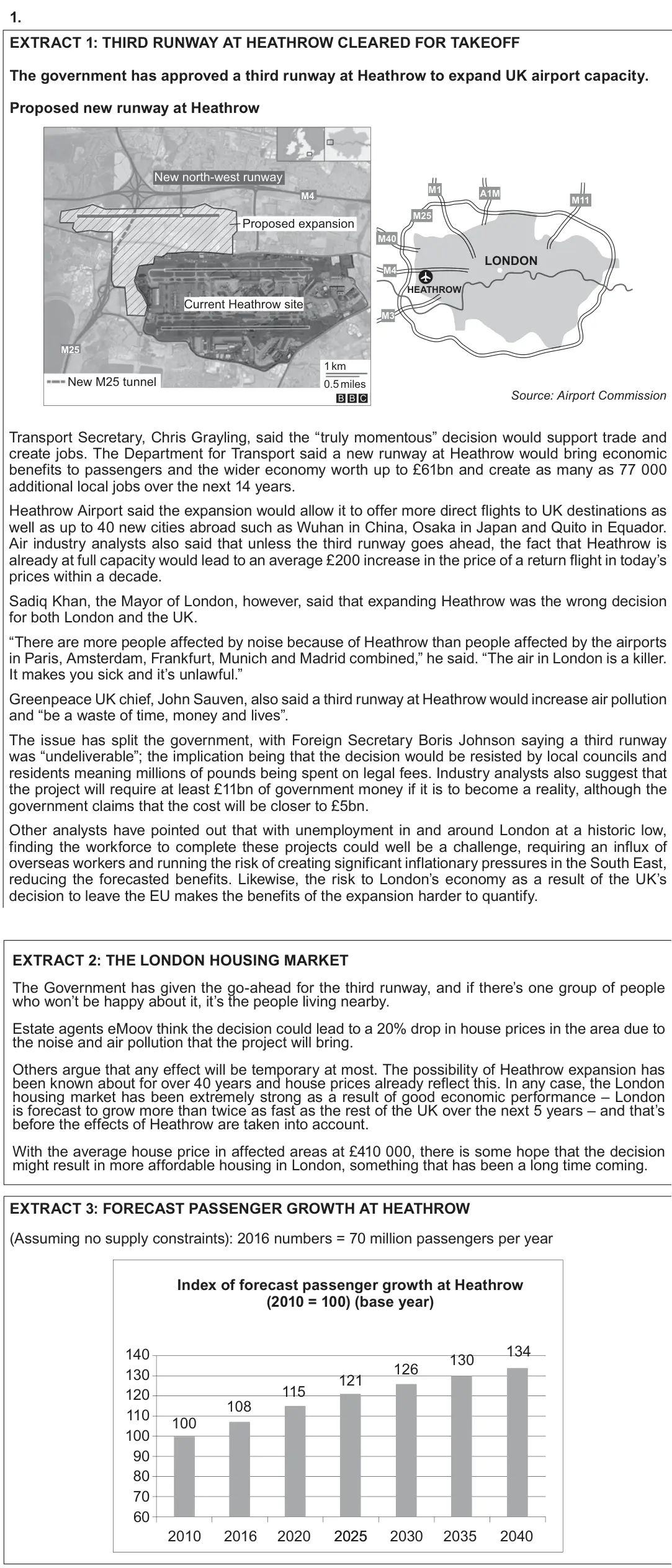
    Original question 1(d): Using AD/AS diagrams, evaluate the claims made by the Department of Transport in the

    Loading the question…

  11. Q7

    June 2017 · Component 1

    The whole paper ↗
    11
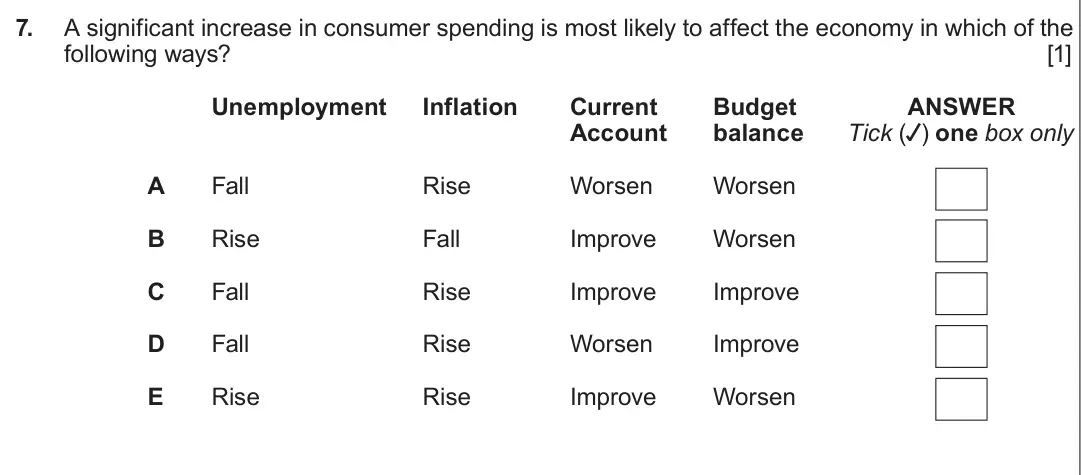
    Original question 7: A significant increase in consumer spending is most likely to affect the economy in which of the

    Loading the question…

    Your answer
  12. Q1(e)

    June 2017 · Component 2

    The whole paper ↗
    12
    Setup for original question 1(e)

    Loading the question setup…

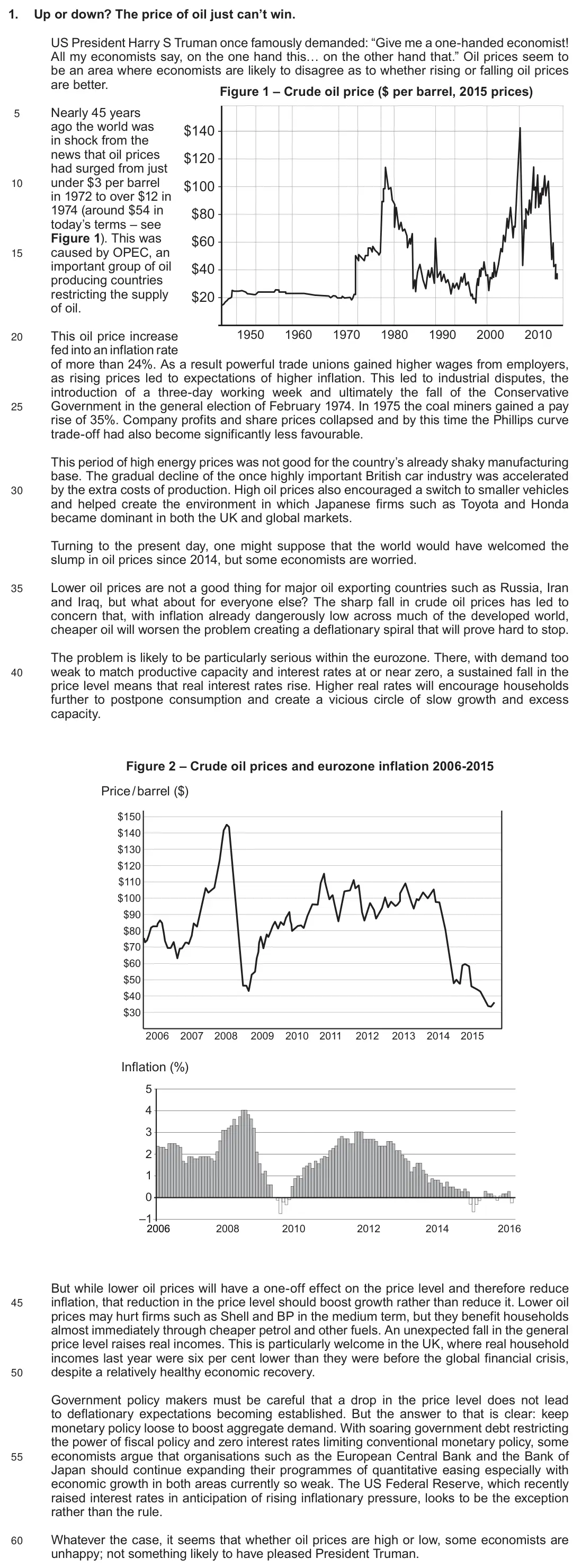
    Original question 1(e): Discuss whether the lower oil prices since 2014 are likely to be beneficial for the UK

    Loading the question…

  13. Q4(b)

    June 2016 · AS Component 1

    The whole paper ↗
    13
    Setup for original question 4(b)

    Loading the question setup…

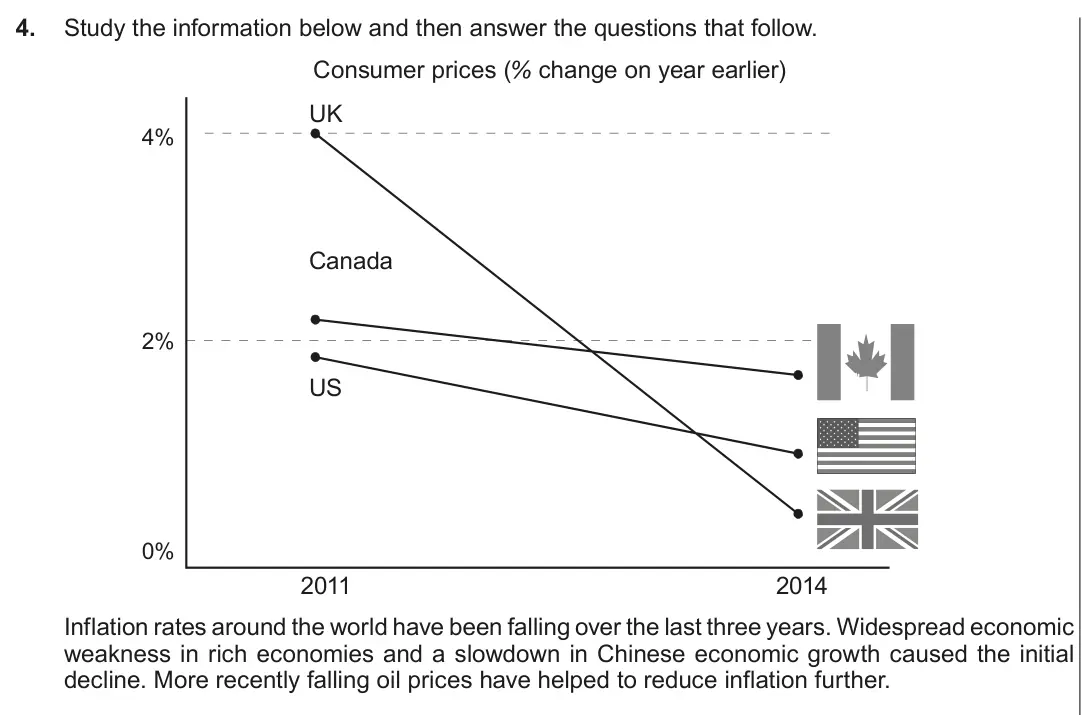
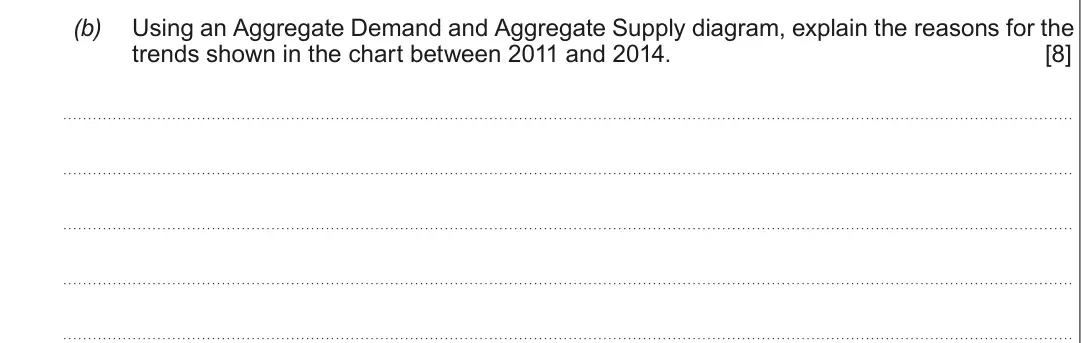
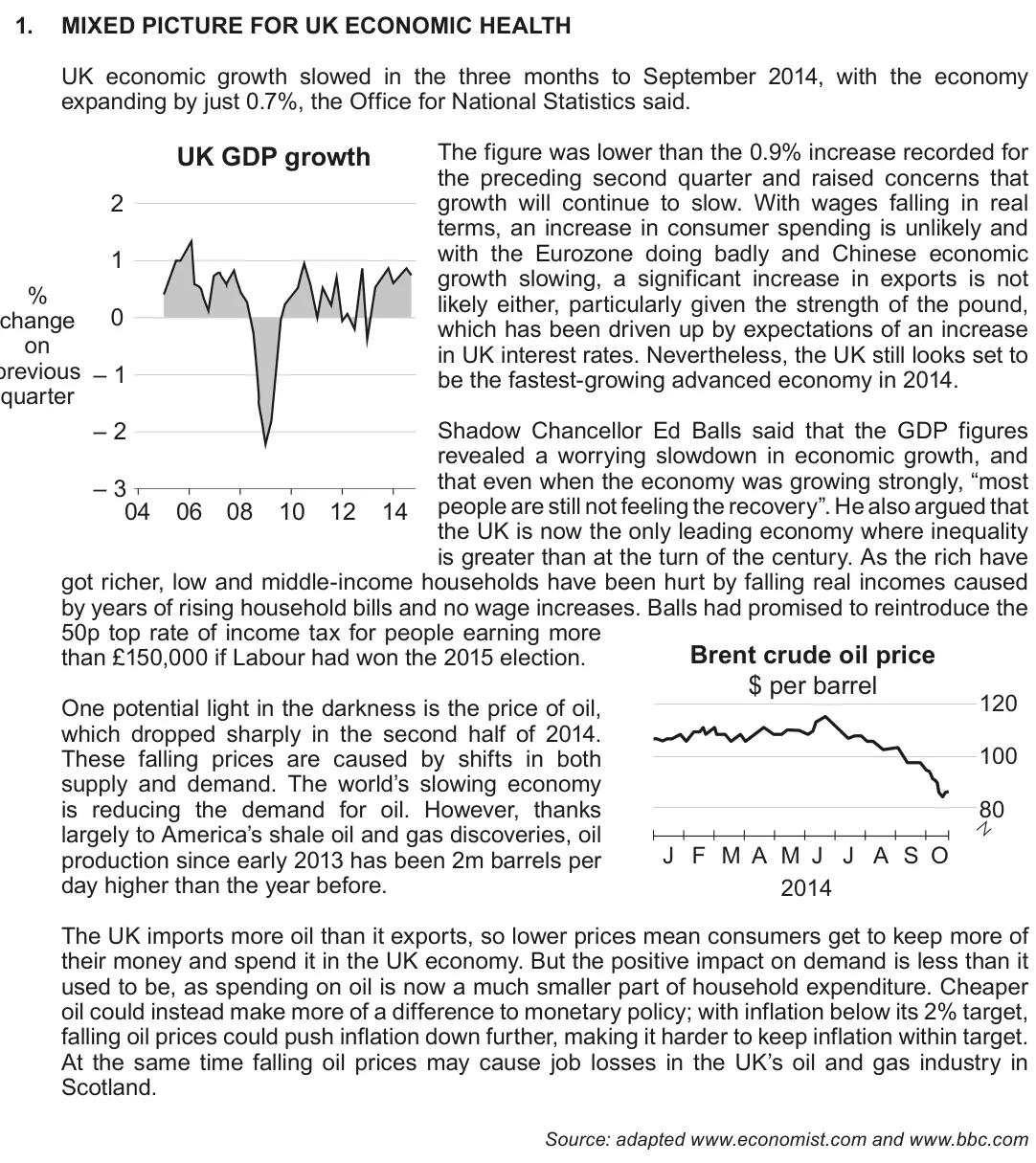
    Original question 4(b): Using an Aggregate Demand and Aggregate Supply diagram, explain the reasons for the

    Loading the question…

  14. Q1(c)(ii)

    June 2016 · AS Component 2

    The whole paper ↗
    14
    Setup for original question 1(c)(ii)

    Loading the question setup…

    Original question 1(c)(ii): Discuss how beneficial the fall in oil prices is likely to be for the UK economy. [10] 1

    Loading the question…

All 14 questions on AD/AS analysis, as a list
  1. June 2025, Component 1, Q15 (1 mark): A government announces a significant cut in the rate of value added tax (VAT).
  2. June 2025, AS Component 2, Q1(d) (10 marks): Using the data, discuss whether making homes easier to buy is beneficial to the UK
  3. June 2024, AS Component 1, Q6 (9 marks): Policies were proposed in 2020 to decrease the consumption of demerit goods, including:
  4. June 2024, AS Component 2, Q1(e)(ii) (10 marks): Using the data, assess the extent to which the building of Crossrail would be
  5. June 2023, Component 2, Q1(f) (11 marks): With the aid of an AD/AS diagram and with reference to the data, discuss how beneficial
  6. Autumn 2021, Component 1, Q6 (1 mark): The diagram below shows unemployment and inflation rates for an economy in three consecutive
  7. Autumn 2021, Component 1, Q22 (6 marks): The diagram below shows an economy in equilibrium at P1Y1. The government then increases
  8. Autumn 2020, Component 1, Q6 (1 mark): Study the AD/AS diagram below:
  9. June 2019, Component 3, Q4(b) (20 marks): Discuss the extent to which economies are likely to recover quickly from negative demand
  10. June 2018, AS Component 2, Q1(d) (12 marks): Using AD/AS diagrams, evaluate the claims made by the Department of Transport in the
  11. June 2017, Component 1, Q7 (1 mark): A significant increase in consumer spending is most likely to affect the economy in which of the
  12. June 2017, Component 2, Q1(e) (10 marks): Discuss whether the lower oil prices since 2014 are likely to be beneficial for the UK
  13. June 2016, AS Component 1, Q4(b) (8 marks): Using an Aggregate Demand and Aggregate Supply diagram, explain the reasons for the
  14. June 2016, AS Component 2, Q1(c)(ii) (10 marks): Discuss how beneficial the fall in oil prices is likely to be for the UK economy. [10] 1

Questions, mark schemes and examiner’s reports are © WJEC Eduqas, from their published past papers. Plumi isn’t affiliated with any exam board. Want whole papers? Eduqas A-Level Economics past papers.

The Plumi iPad app also offers exam-style questions with AI feedback on your handwritten working.