 plumi
The eye: Edexcel GCSE Biology questions
Every Edexcel GCSE Biology exam question on The eye (specification points 2.15–2.17), 2018–2025, with its mark scheme and examiner’s report.
Find questions1,834
Exam
All years
Calculations
Q3(c)(ii)
The whole paper ↗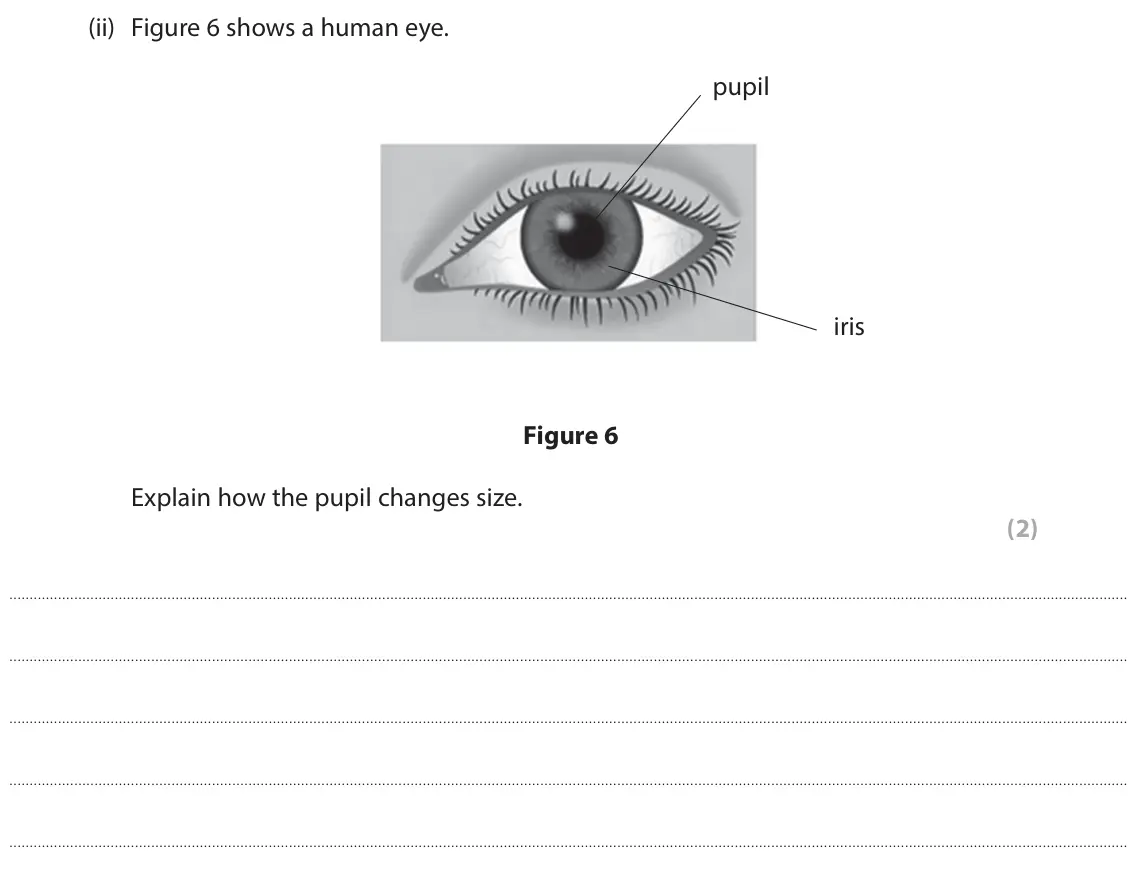
Q3(c)(iii)
The whole paper ↗
Q3(a)(i)
The whole paper ↗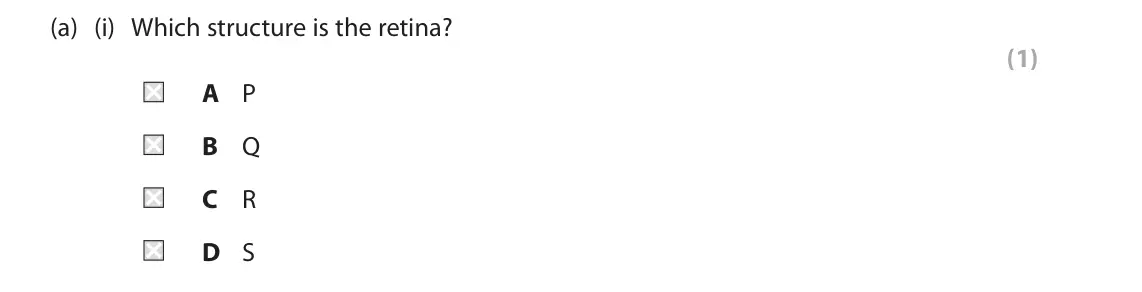
Q3(a)(ii)
The whole paper ↗
Q3(a)(iii)
The whole paper ↗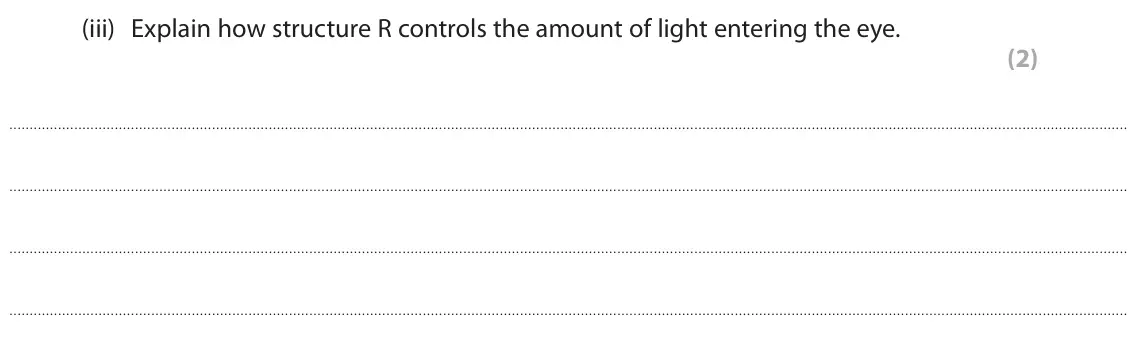
Q3(b)
The whole paper ↗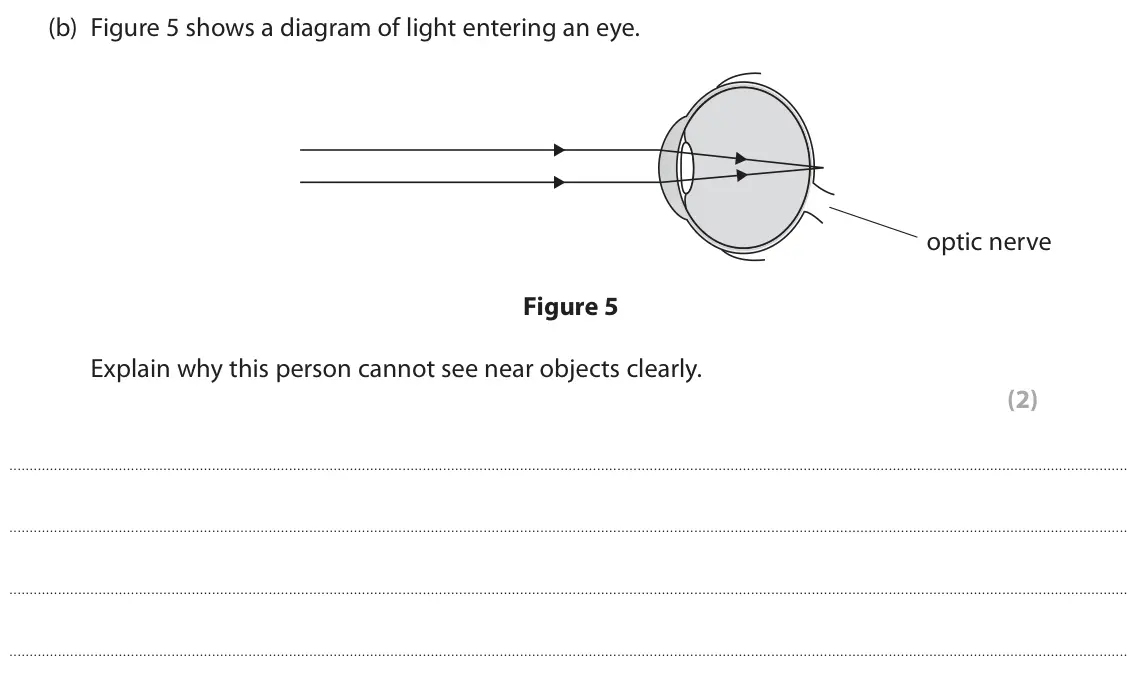
Q3(c)(i)
The whole paper ↗
Q3(c)(ii)
The whole paper ↗
Q4(a)(i)
The whole paper ↗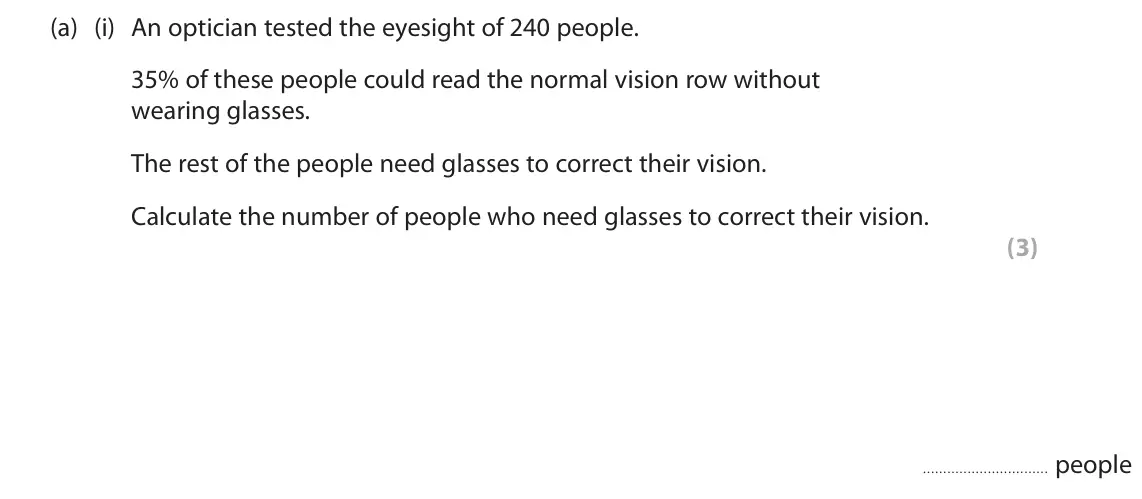
Q4(a)(ii)
The whole paper ↗
Q4(a)(iii)
The whole paper ↗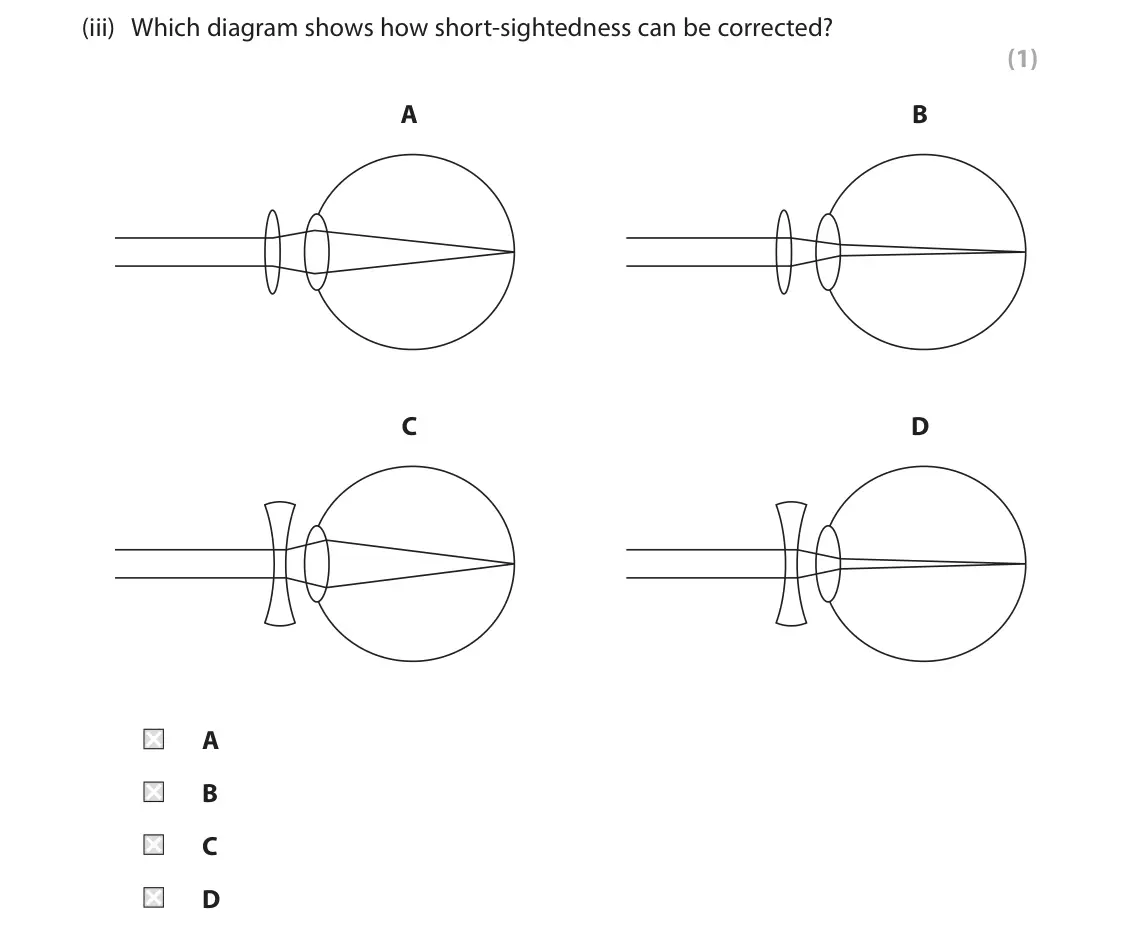
Q4(b)(i)
The whole paper ↗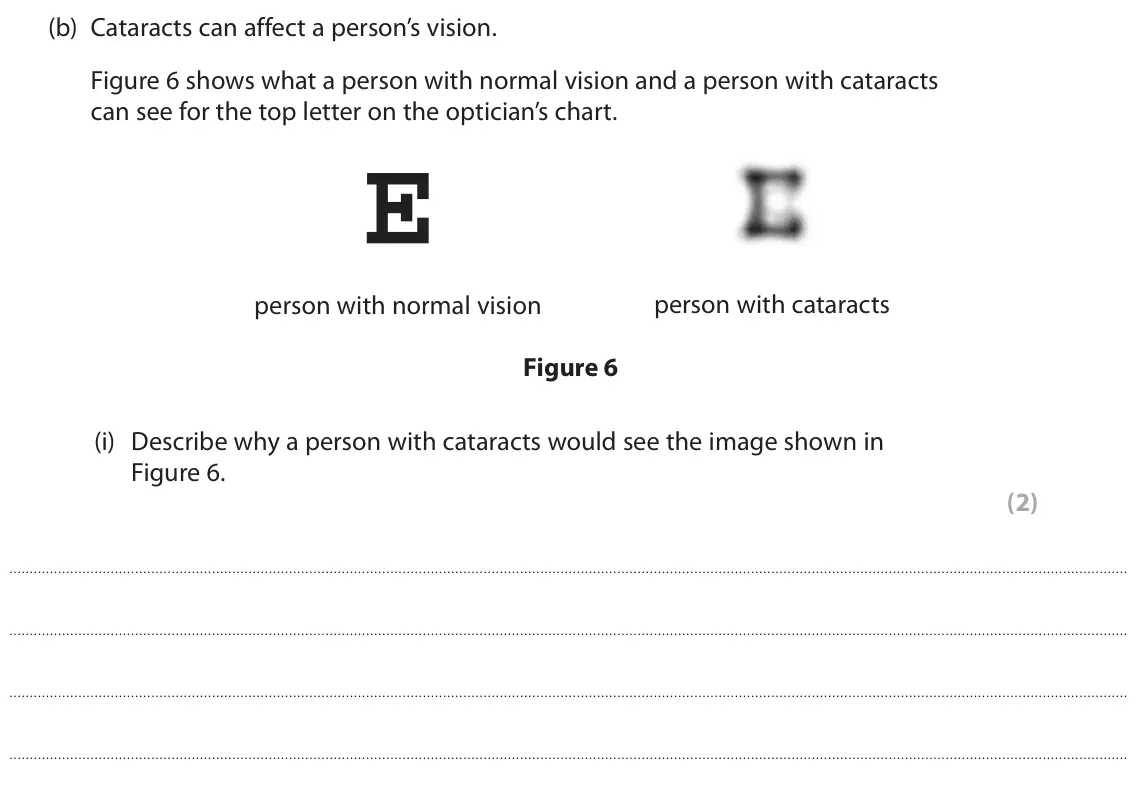
Q4(b)(ii)
The whole paper ↗
Q3(b)(iii)
The whole paper ↗
Q10(a)(i)
The whole paper ↗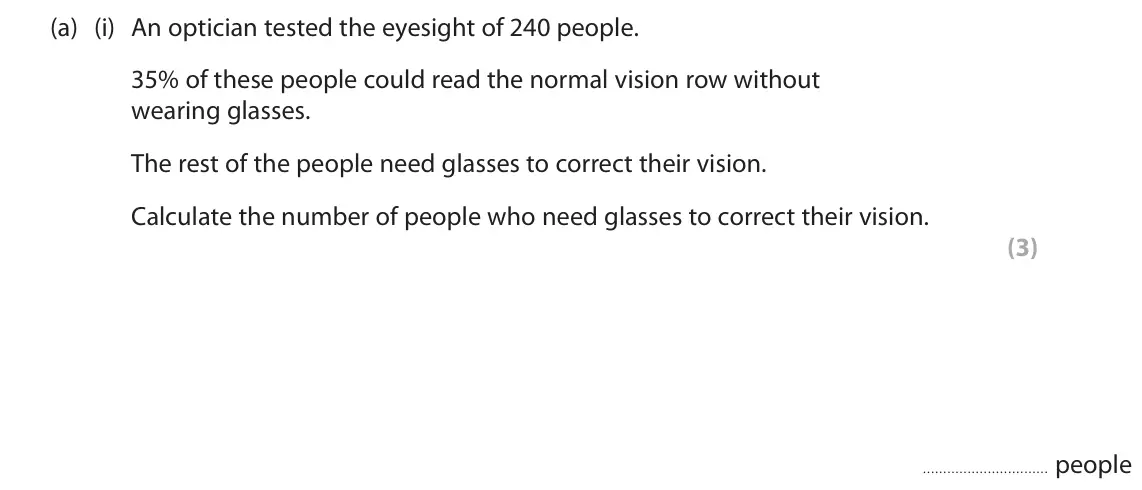
Q10(a)(ii)
The whole paper ↗
Q10(a)(iii)
The whole paper ↗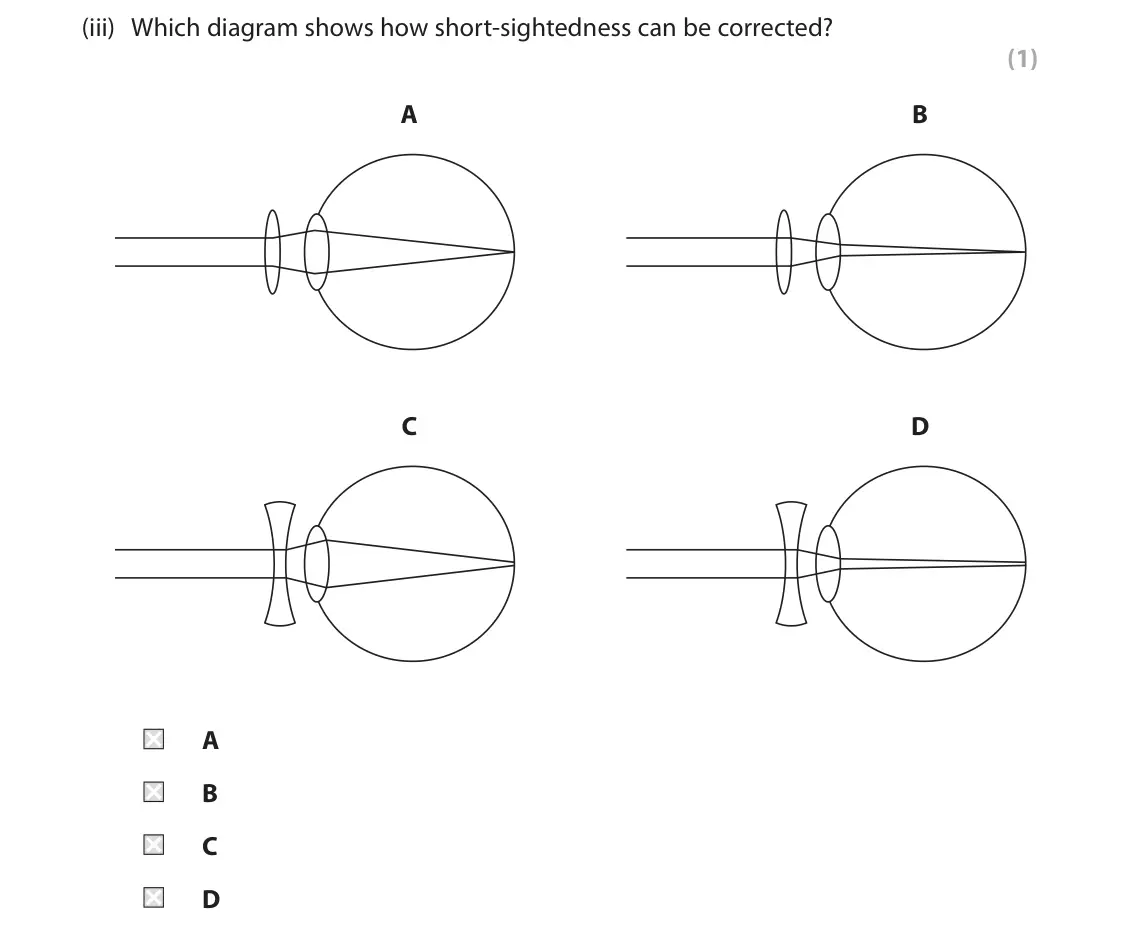
Q10(b)(i)
The whole paper ↗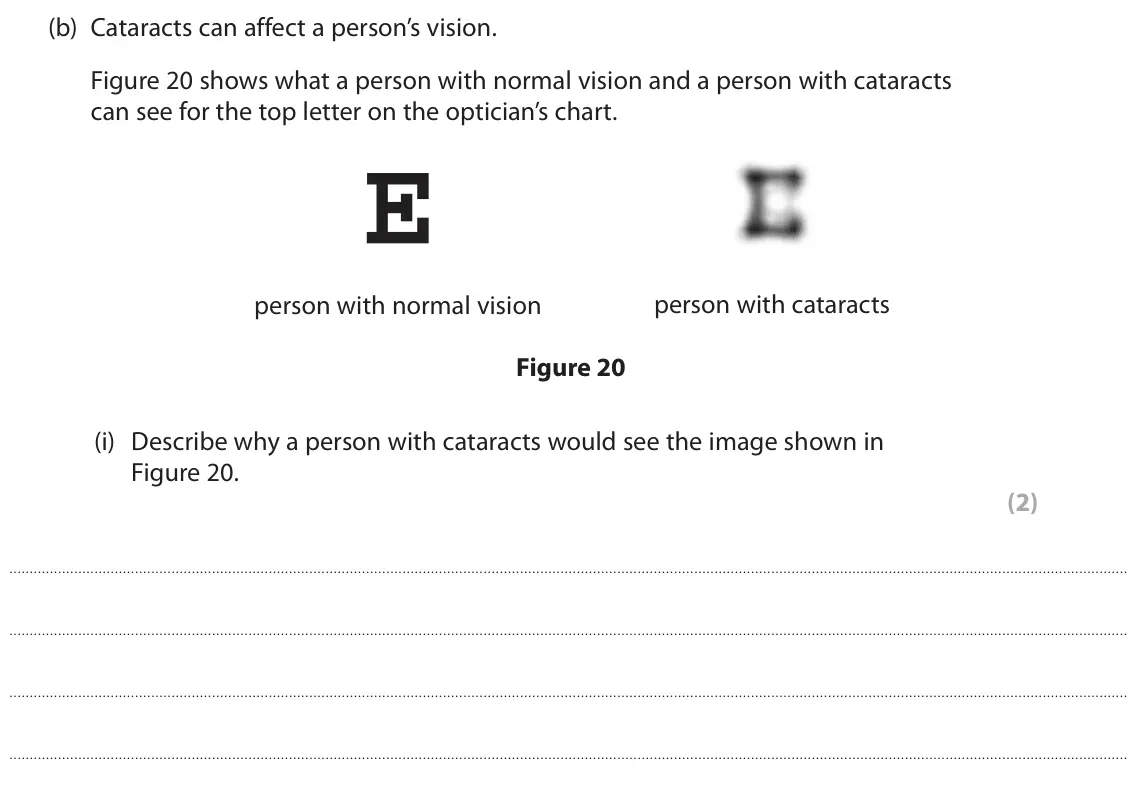
Q10(b)(ii)
The whole paper ↗
Q4(a)(i)
The whole paper ↗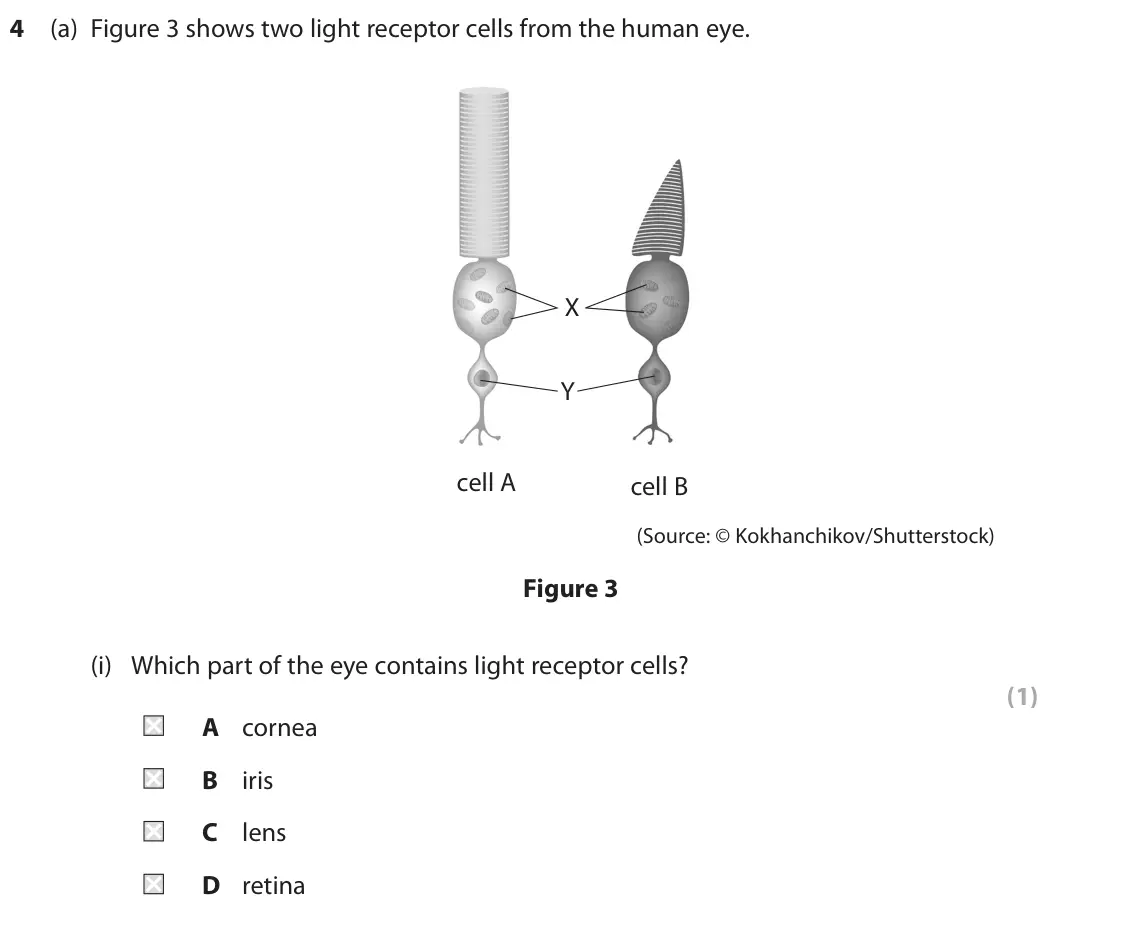
All 62 questions on The eye, as a list
- June 2025, Paper 1 Foundation, Q3(c)(ii) (2 marks): Figure 6 shows a human eye. pupil iris Figure 6 Explain how the pupil changes size. (2)
- June 2025, Paper 1 Foundation, Q3(c)(iii) (1 mark): Short-sightedness is a defect of the eye. State one cause of short-sightedness. (1)
- June 2024, Paper 1 Foundation, Q3(a)(i) (1 mark): Which structure is the retina? (1) A P B Q C R D S
- June 2024, Paper 1 Foundation, Q3(a)(ii) (1 mark): Name the structure labelled T. (1)
- June 2024, Paper 1 Foundation, Q3(a)(iii) (2 marks): Explain how structure R controls the amount of light entering the eye. (2)
- June 2024, Paper 1 Foundation, Q3(b) (2 marks): Figure 5 shows a diagram of light entering an eye. optic nerve Figure 5 Explain why this person cannot see near objects clearly. (2)
- June 2024, Paper 1 Foundation, Q3(c)(i) (1 mark): Draw, in the box, the shape of the lens needed to correct long‑sightedness. (1)
- June 2024, Paper 1 Foundation, Q3(c)(ii) (1 mark): Name one other defect of the eye. (1)
- June 2023, Paper 1 Higher, Q4(a)(i) (3 marks): An optician tested the eyesight of 240 people. 35% of these people could read the normal vision row without wearing glasses. The rest of the people need glasses
- June 2023, Paper 1 Higher, Q4(a)(ii) (1 mark): An optician can use the chart to diagnose short-sightedness. Give one reason why people are short-sighted. (1)
- June 2023, Paper 1 Higher, Q4(a)(iii) (1 mark): Which diagram shows how short-sightedness can be corrected? (1) A B C D A B C D
- June 2023, Paper 1 Higher, Q4(b)(i) (2 marks): Describe why a person with cataracts would see the image shown in Figure 6. (2)
- June 2023, Paper 1 Higher, Q4(b)(ii) (1 mark): State the treatment for cataracts. (1)
- June 2023, Paper 1 Foundation, Q3(b)(iii) (1 mark): Scientists have transplanted stem cells into the retina of the eye. Name one type of light sensitive cell found in the retina. (1)
- June 2023, Paper 1 Foundation, Q10(a)(i) (3 marks): An optician tested the eyesight of 240 people. 35% of these people could read the normal vision row without wearing glasses. The rest of the people need glasses
- June 2023, Paper 1 Foundation, Q10(a)(ii) (1 mark): An optician can use the chart to diagnose short-sightedness. Give one reason why people are short-sighted. (1)
- June 2023, Paper 1 Foundation, Q10(a)(iii) (1 mark): Which diagram shows how short-sightedness can be corrected? (1) A B C D A B C D
- June 2023, Paper 1 Foundation, Q10(b)(i) (2 marks): Describe why a person with cataracts would see the image shown in Figure 20. (2)
- June 2023, Paper 1 Foundation, Q10(b)(ii) (1 mark): State the treatment for cataracts. (1)
- June 2022, Paper 1 Higher, Q4(a)(i) (1 mark): Which part of the eye contains light receptor cells? (1) A cornea B iris C lens D retina
- June 2022, Paper 1 Higher, Q4(a)(iv) (1 mark): Cell A responds to dim light and is responsible for night vision. Name cell A. (1)
- June 2022, Paper 1 Higher, Q4(a)(v) (2 marks): Describe how the role of light receptor cell B is different from the role of light receptor cell A. (2)
- June 2022, Paper 1 Foundation, Q7(a)(i) (1 mark): Which structure of the eye can develop cataracts? (1) A structure Q B structure R C structure S D structure T
- June 2022, Paper 1 Foundation, Q7(a)(ii) (2 marks): Describe how cataracts are corrected by surgery. (2)
- June 2022, Paper 1 Foundation, Q7(b)(i) (3 marks): Explain how the size of the pupil of the eye changes when a torch is shone into the eye of a person. (3)
- June 2022, Paper 1 Foundation, Q7(b)(ii) (6 marks): Figure 15 shows a diagram of light entering an eye of someone who cannot see distant objects clearly. light from distant object Figure 15 Explain why this perso
- June 2022, Paper 1 Foundation, Q10(a)(i) (1 mark): Which part of the eye contains light receptor cells? (1) A cornea B iris C lens D retina
- June 2022, Paper 1 Foundation, Q10(a)(iv) (1 mark): Cell A responds to dim light and is responsible for night vision. Name cell A. (1)
- June 2022, Paper 1 Foundation, Q10(a)(v) (2 marks): Describe how the role of light receptor cell B is different from the role of light receptor cell A. (2)
- November 2021, Paper 1 Higher, Q1(a)(i) (1 mark): Which row in the table gives the function of structure X and structure Y? (1) function of function of structure X structure Y refracts light detects light A B d
- November 2021, Paper 1 Higher, Q1(a)(ii) (2 marks): Describe the changes that occur in the eye when a bright light is directed into the eye. (2)
- November 2020, Paper 1 Higher, Q10(a) (2 marks): The UK driving test requires a person to be able to read a number plate at a distance of 20.5 metres. Some people are short-sighted so cannot read the number pl
- November 2020, Paper 1 Foundation, Q7(a)(i) (1 mark): Which part of the eye carries impulses to the brain? (1) A cornea B iris C lens D optic nerve
- November 2020, Paper 1 Foundation, Q7(a)(ii) (1 mark): Name the structure within the eye that controls the amount of light entering the eye. (1)
- November 2020, Paper 1 Foundation, Q7(b) (4 marks): Explain the functions of the two types of cell in the retina that detect light. (4)
- November 2020, Paper 1 Foundation, Q7(d) (6 marks): Figure 12 shows two defects of the eye. lens retina ray of light short-sightedness long-sightedness Figure 12 Describe the causes of short-sightedness and long-
- June 2019, Paper 1 Higher, Q4(a)(i) (3 marks): Calculate the mean distance for the volunteers aged 50. Give your answer to three significant figures. (3) mm
- June 2019, Paper 1 Higher, Q4(a)(ii) (1 mark): Give one conclusion that can be made from the data in Figure 4. (1)
- June 2019, Paper 1 Higher, Q4(a)(iii) (2 marks): Give two improvements that are needed in this investigation before a valid conclusion can be made. (2) 1 2
- June 2019, Paper 1 Higher, Q4(b) (1 mark): Which part of the eye detects coloured light? (1) A iris B lens C cones D cornea
- June 2019, Paper 1 Higher, Q4(c)(i) (2 marks): Describe how light rays are focused to give normal vision. (2)
- June 2019, Paper 1 Higher, Q4(c)(ii) (2 marks): Figure 6 shows light rays entering the eye of a person with an eye defect and two lenses that can be used to correct eye defects. lens X lens Y Figure 6 Explain
- June 2019, Paper 1 Foundation, Q10(a)(i) (3 marks): Calculate the mean distance for the volunteers aged 50. Give your answer to three significant figures. (3) mm
- June 2019, Paper 1 Foundation, Q10(a)(ii) (1 mark): Give one conclusion that can be made from the data in Figure 16. (1)
- June 2019, Paper 1 Foundation, Q10(a)(iii) (2 marks): Give two improvements that are needed in this investigation before a valid conclusion can be made. (2) 1 2
- June 2019, Paper 1 Foundation, Q10(b) (1 mark): Which part of the eye detects coloured light? (1) A iris B lens C cones D cornea
- June 2019, Paper 1 Foundation, Q10(c)(i) (2 marks): Describe how light rays are focused to give normal vision. (2)
- June 2019, Paper 1 Foundation, Q10(c)(ii) (2 marks): Figure 18 shows light rays entering the eye of a person with an eye defect and two lenses that can be used to correct eye defects. lens X lens Y Figure 18 Expla
- June 2018, Paper 1 Higher, Q1(a)(i) (1 mark): When the eye changes from focusing on a distant object to focusing on a near object (1) A the lens gets thinner to bend the light rays more B the lens gets thic
- June 2018, Paper 1 Higher, Q1(a)(ii) (1 mark): Give a reason why people who are short-sighted cannot see distant objects clearly. (1)
- June 2018, Paper 1 Higher, Q1(a)(iii) (1 mark): State the type of lens that can be used to correct short-sightedness. (1)
- June 2018, Paper 1 Higher, Q1(b) (3 marks): A student was given the hypothesis ‘People with brown eyes are more likely to be short-sighted than people with blue eyes.’ Devise a plan to test this hypothesi
- June 2018, Paper 1 Foundation, Q4(a)(i) (1 mark): In which part of the eye do cataracts form? (1) A retina B iris C cornea D lens
- June 2018, Paper 1 Foundation, Q4(a)(ii) (2 marks): Explain why the picture seen through eyes with cataracts is less clear. (2)
- June 2018, Paper 1 Foundation, Q4(b) (2 marks): Figure 5 shows the estimated number of people with cataracts in the world between 1980 and 2020. 200 150 estimated number of people with 100 cataracts in millio
- June 2018, Paper 1 Foundation, Q4(c)(i) (2 marks): Explain how cataracts are currently treated. (2)
- June 2018, Paper 1 Foundation, Q4(c)(ii) (2 marks): Scientists are developing a new treatment using eye drops for cataracts. Describe the advantages of using eye drops to treat cataracts rather than the current t
- Specimen, Paper 1 Higher, Q7(a)(i) (1 mark): Which structure of the eye contains the light receptor cells? (1) A iris B lens C cornea D retina
- Specimen, Paper 1 Foundation, Q6(a)(i) (1 mark): What is the part labelled X? (1) A cornea B pupil C lens D iris The conjunctiva is a membrane that covers the eyeball and inner surface of the eyelid.
- Specimen, Paper 1 Foundation, Q6(b)(i) (2 marks): Explain one conclusion that can be made about the occurrence of cataracts, using the data above. (2) In a survey of one of the age categories, 80 people out of
- Specimen, Paper 1 Foundation, Q6(b)(ii) (2 marks): Calculate which age category the 256 people are most likely to be taken from. (2) Age category The retina is a light receptor consisting of rod and cone cells.
- Specimen, Paper 1 Foundation, Q6(c) (2 marks): Describe how the information detected by the retina is transmitted to the brain. (2)
Questions, mark schemes and examiner’s reports are © Pearson Edexcel, from their published past papers. Plumi isn’t affiliated with any exam board. Want whole papers? Every Edexcel GCSE Biology paper.
Rather write your answers by hand on iPad? Plumi marks them against the same mark schemes.